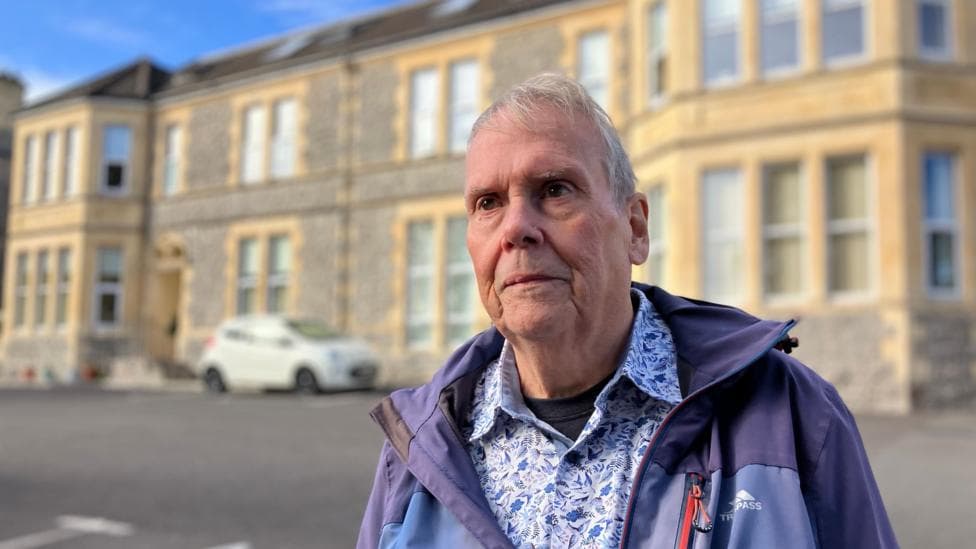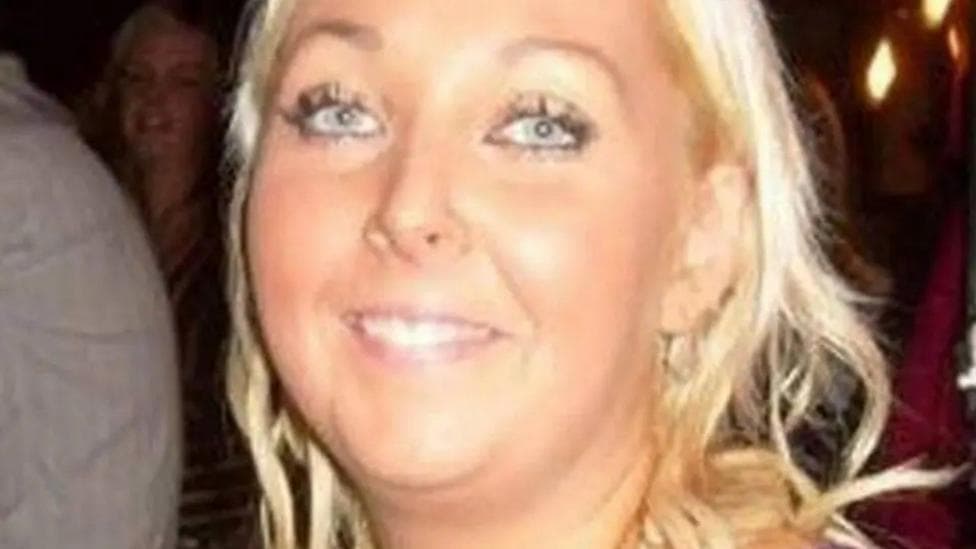
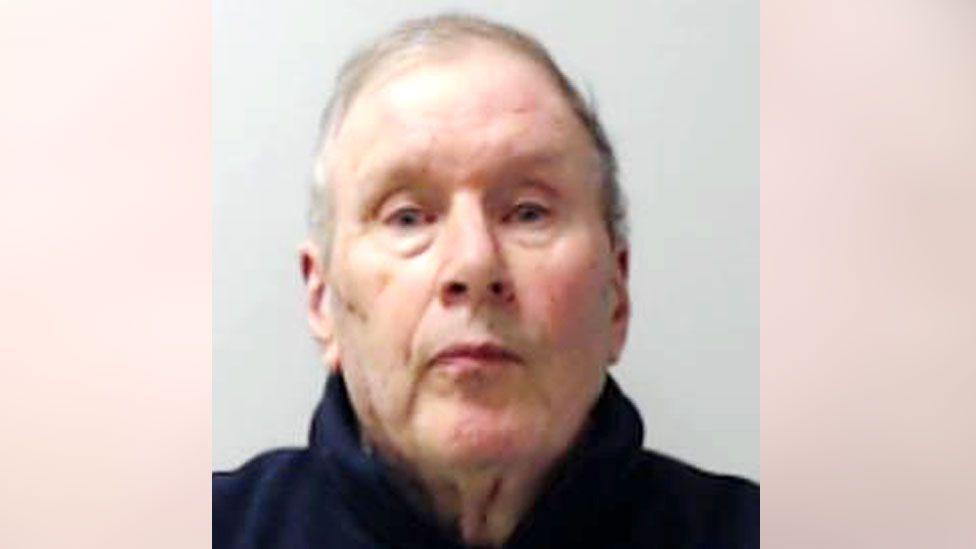
Christopher Harrisson, 85, has died at HMP Grampian, the Scottish Prison Service confirmed on Saturday. Harrisson was serving a life sentence for the murder of his ex-wife, Dr Brenda Page, a genetics expert, whose body was discovered in her Aberdeen home on 14 July 1978.
A jury found Harrisson guilty of the killing in March 2023, more than four decades after Dr Page's death. He had consistently denied responsibility for the crime throughout his trial at the High Court in Aberdeen, showing no emotion when the guilty verdict was delivered.
The original investigation and decades-long delay
Dr Page's body was found on her blood-stained bed in her home. Harrisson was apprehended within hours, questioned by police, and a report was submitted to prosecutors. However, authorities determined at that time that insufficient evidence existed to proceed with a prosecution.
The case remained dormant for 37 years until 2015, when it was reopened and re-investigated. Witnesses were contacted again, and forensic organisations conducted fresh analysis of available DNA evidence, which had not been possible in 1978.
What forensic evidence proved crucial?
Modern DNA analysis proved decisive in securing the conviction. According to a national broadcaster's report, prosecutors presented evidence that a sperm sample found on Dr Page's duvet was 590 million times more likely to have come from Harrisson than from an unrelated male. Additionally, local reporting revealed that a minute paint flake recovered from Dr Page's bedroom window was matched to paint on Harrisson's Mini Traveller car, providing further physical corroboration.
Who was Dr Brenda Page?
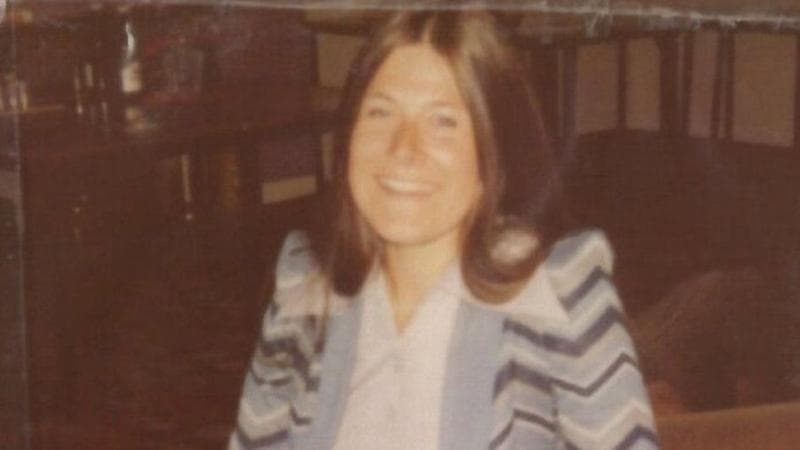
Dr Page was a respected scientist with an impressive academic record. She studied zoology at University College London, earning a first-class honours bachelor of science degree before completing a PhD in genetics from the University of Glasgow. It was during her postgraduate studies in Glasgow that she met Harrisson in 1971, and the couple later married.
Dr Page had fled the marriage due to its abusive nature. According to the Crown Office and Procurator Fiscal Service, she had expressed fears to those around her that Harrisson would eventually kill her, and handwritten letters documented the abuse she had suffered.
Who was Christopher Harrisson?
Harrisson was born in Ripon, North Yorkshire, and studied at Queens' College Cambridge. He later worked as a biology tutor at Harvard University in the United States. He had no previous criminal convictions before his arrest for Dr Page's murder.
The sentencing and judge's assessment
In March 2023, Judge Lord Richardson sentenced Harrisson to life imprisonment with a minimum non-parole period of 20 years. The judge characterised the killing as a "premeditated" attack carried out after Harrisson had stalked Dr Page. The judge described the assault as "sustained and vicious" in nature.
What happens next?
Following Harrisson's death, the Scottish Prison Service has advised Police Scotland, and the matter has been reported to the Procurator Fiscal, as is standard procedure. A fatal accident inquiry will be held in due course. Reports indicate that Harrisson's cause of death was not immediately known at the time of announcement.
A Scottish Prison Service spokesperson said:
Every death, whether in prison custody or in our communities, is a tragedy for all those who knew and supported the individual. Following the death of someone in our care, Police Scotland are advised, and the matter reported to the procurator fiscal. Fatal accident inquiries are held in due course.
Key facts
- Dr Brenda Page, 32, was found murdered in her Aberdeen home on 14 July 1978; the case went uninvestigated for 37 years
- Harrisson was convicted in March 2023 based on DNA evidence and paint flake analysis that were unavailable in 1978
- He received a life sentence with a minimum 20-year non-parole period and died on Saturday at age 85
- Dr Page had documented her fears that Harrisson would kill her and had fled their abusive marriage a year before her death