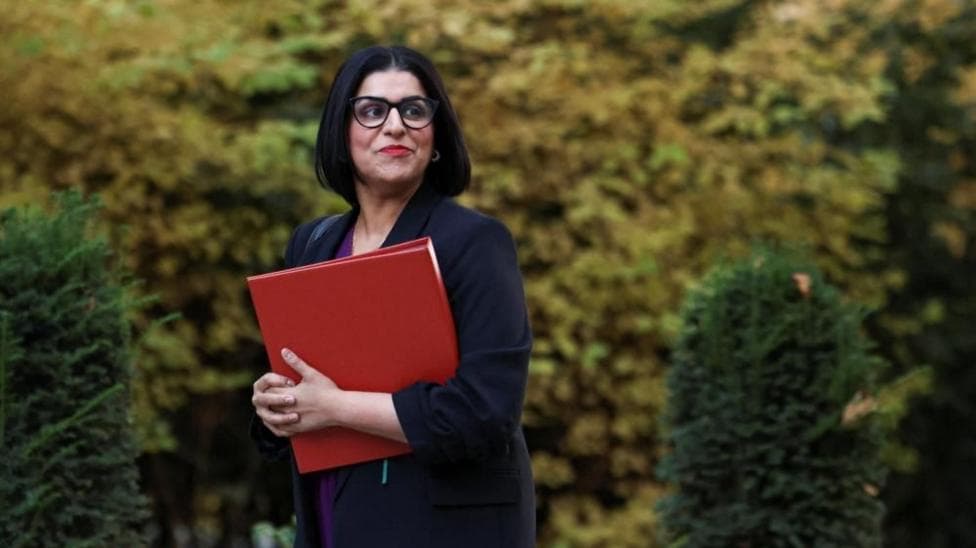
Home Secretary Shabana Mahmood has announced revised immigration rules on 2 November that soften her original proposals for extending the waiting period for permanent settlement. The changes follow sustained pressure from fellow cabinet ministers, Labour backbenchers and health unions, with care workers now able to apply for indefinite leave to remain after five years rather than facing a potential 15-year wait. According to BBC News, the announcement represents a significant shift from Mahmood's original consultation proposals.
The revised rules will allow up to 300,000 people—primarily care workers—to apply for settlement after five years if they earn more than £25,000. BBC News confirmed that Mahmood set out the final plans in the House of Commons, following a consultation that closed on 12 February 2026. However, BBC News reported that Mahmood declined to specify the exact cost of scrapping her original plan, telling the BBC the state would still save "billions" because workers in other sectors would have to wait longer.
The original proposals were introduced in response to record levels of net migration recorded under the previous Conservative administration, which added 2.6 million people to the UK population between 2021 and 2024. The Home Office had forecast that approximately 1.6 million people could settle between 2026 and 2030 under the rules that existed before these changes, prompting Mahmood to argue that reforms were necessary to prevent what she described as a "drain on our public finances."
What is indefinite leave to remain?
Indefinite leave to remain, commonly known as settlement, grants individuals the right to live, work and study in the UK indefinitely. Those granted ILR can access eligible benefits and use their settlement status to apply for British citizenship. People who have lived in the UK for 12 months after being given ILR can apply for British citizenship if they also meet other requirements. The status represents a significant milestone for migrants seeking permanent residence in the country.
Why did the original proposals face criticism?
The original proposals generated substantial opposition, particularly because Mahmood intended to apply the extended waiting periods to migrants already working in the UK. Housing Secretary Angela Rayner publicly objected to this retrospective approach, arguing it would "change the goalposts" for people who had already committed to living and working in Britain. In June, Rayner described making care workers already in Britain wait up to 15 years for permanent residence as "un-British". Several Labour MPs described the retrospective element as "un-British" and warned that the policy could exacerbate the UK's skills shortage, particularly in the care sector.
More than 200,000 responses were submitted during the consultation period, reflecting the significant public interest in the issue. The government's consultation document, launched under Prime Minister Sir Keir Starmer, outlined the rationale for the changes and invited feedback from stakeholders and the public. In September, Energy Secretary Miatta Fahnbulleh said the original plans would have been "tough" for her family, who came to Britain as refugees, adding to the pressure on Mahmood to reconsider.
What are the revised settlement timescales?
Under the final decision announced on 2 November, care workers earning more than £25,000 will be able to apply for indefinite leave to remain after five years. An estimated 146,000 care workers and 136,000 dependants will be eligible for this five-year pathway. According to the Institute for Public Policy Research, approximately 287,000 care workers and their dependants already in the UK could settle between 2026 and 2030.
Foreign care workers who do not qualify for the five-year settlement will be able to apply for a new five-year visa extension, and then seek settlement. The standard length of time most other migrants will have to live in the UK to qualify for permanent settlement will double from five to ten years. Under this ten-year pathway, applicants must have earned at least £12,571 for five of the seven years immediately before being granted settlement. About 100,000 skilled workers including butchers and chefs will have to wait ten years before being able to apply.
Highest earners—those earning more than £125,141—will be able to settle within three years. Those earning more than £50,271 and some public service workers such as doctors, nurses and teachers will be able to settle after five years. Other health and education public service workers who fall below skilled level, such as nursing auxiliaries and teaching assistants, will also qualify after five years if they arrived in the UK before May 2025. People from Hong Kong who hold British National (Overseas) status will qualify after five years. Anyone who arrives in the UK in breach of immigration rules will face a minimum of 20 years before they can apply.
To qualify for settlement, migrants will also have to meet other conditions including speaking English to a high standard and having "a record of sustained National Insurance Contributions."
The new rules place particularly stringent requirements on refugees. Refugees who entered through designated safe and legal routes will qualify for settlement after five years. However, other refugees will need to wait ten years and either work or study. Those who do not work or study will need to wait twenty years. Refugees entering via small boat and reliant on public funds will face a minimum of thirty years for permanent settlement. If a refugee claims asylum having entered the UK legally, they will wait up to twenty years for settlement, though that may be reduced to ten years if they move into sustained work or study and demonstrate they are earning enough to make a sustained contribution. For those who enter illegally, there will be a ten-year penalty to gain settlement rights—for those working or studying, it will mean a twenty-year wait; for those not working or studying, the minimum will be thirty years.
How many people will be affected?
The BBC understands that the final decision includes revisions to exempt most social care workers already employed in the UK from the extended waiting periods. This represents a significant shift from the original proposals, which would have subjected all lower-paid care workers to waits of up to fifteen years rather than five.
The changes will apply to migrants who are already in the UK but not those who have already been granted settlement. Home Office calculations had suggested that 196,000 care workers and their adult dependants could settle between 2026 and 2030, at an estimated lifetime cost of £9.5 billion to taxpayers. However, the BBC reported that the proposed system could allow shorter settlement waits for migrants with higher incomes or those making contributions to their local communities, potentially creating a more differentiated approach to settlement eligibility. According to the Institute for Public Policy Research, skilled workers and their dependants due to settle under current rules are expected to make a net lifetime contribution of around £115 billion through the taxes they pay.
Under the revised plans announced on 2 November, approximately 517,000 people already in the UK will now have to wait longer than five years to qualify for settlement, down from the 799,000 who would have been affected under the original proposals. The exact wait will vary based on income and whether people arrived in the UK legally or illegally.
What triggered these policy changes?
Mahmood announced plans to delay settlements in response to concerns over the number of people approaching eligibility for ILR, following record post-Brexit net migration figures. In her foreword to the consultation, she highlighted what she characterised as a significant lowering of the bar to entry to the UK, describing this as "most evident in the health and care visa."
She noted that an attempt to fill between 6,000 and 40,000 care sector jobs resulted in the arrival of 616,000 individuals from 2022 to 2024. Mahmood pointed out that over half of these arrivals were not actually working in the care sector but were instead dependants of those who were, raising questions about the effectiveness of the visa scheme's targeting.
What do political figures say about the changes?
Prime Minister Andy Burnham stated that settlement is "a right to be earned, not just granted automatically," signalling government support for a more restrictive approach to ILR. Former Home Office Minister Mike Tapp told BBC Radio 4's Today programme that he hoped those genuinely working in health and social care for five years would be exempt from the retrospective extension, describing this as "the right thing to do."
In June, Mahmood had asked Starmer to dismiss Tapp after he wrote an unauthorised article arguing that foreign care workers should be exempt from the changes to ILR. Energy Minister Miatta Fahnbulleh has since clarified her support for Mahmood's migration reforms after initially declining to explicitly back the proposals during a media interview.
Conservative shadow home secretary Chris Philp criticised the expected exemptions, noting that Mahmood had previously acknowledged in a March speech that allowing low-wage care workers to stay permanently would cost taxpayers £10 billion and constitute an "affront." He suggested that the government now appeared poised to implement exactly this approach. BBC News reported that Philp said opposition from Mahmood's fellow ministers and the "Labour open-borders left" had resulted in the changes.
Reform UK home affairs spokesman Zia Yusuf claimed that Mahmood had been "overruled" by Burnham, describing this as "a disaster for Britain." He stated that Reform would abolish ILR altogether if elected to government. Reform UK leader Nigel Farage said Mahmood had "talked a big game on immigration but has U-turned at the first sign of trouble".
Liberal Democrat home affairs spokesman Max Wilkinson said the government's reforms were "unravelling", while calling for an "informed national discussion" on immigration. Green Party MP Siân Berry said Mahmood had provided a "new obstacle course of hoops and barriers" for migrants living in the UK.
Dr Ben Brindle, a senior researcher at the University of Oxford's Migration Observatory, suggested that the policy "probably won't have too much impact" on people's decision to come to the UK at the broader level, noting that immigration policy typically functions as more of a barrier than an incentive.
Mahmood's response to cost questions
When asked about the cost of her revised plans, Mahmood told BBC Radio 4's Today programme that detailed costs would be published when her department puts the changes before Parliament. She said the changes overall represented "savings in the billions" to the Department of Work and Pensions in people not claiming benefits.
"The reason for that is the cohort that was most likely to fall upon the state is that cohort of care workers not doing care work at the moment - if they'd settled at five years, many more of those would have gone on to claim benefits. That will now not happen because they will not be settling at five years - those individuals get a second chance to make that contribution that they originally came to make," she told the programme.
Mahmood also declined to say whether Prime Minister Andy Burnham had told her to change tack on her proposals, which she had put forward in November under his predecessor Sir Keir Starmer. She told Today a public consultation had resulted in a "transformative package" that "strikes the right balance". She has denied the move was a U-turn, and said the revised plans meant some 500,000 people already in the UK would now have to wait longer than five years to qualify for settlement.

Key Facts
- Care workers earning over £25,000 can now apply for indefinite leave to remain after five years, down from a proposed 15-year wait
- An estimated 146,000 care workers and 136,000 dependants will be eligible for the five-year pathway
- Most other lower-paid workers will face a ten-year wait instead of the originally proposed 15 years
- Highest earners (over £125,141) can settle within three years; those earning over £50,271 can settle after five years
- Refugees entering via small boat face a minimum 30-year wait for permanent settlement under the new rules
- Approximately 517,000 people already in the UK will now have to wait longer than five years to qualify for settlement under the revised plans