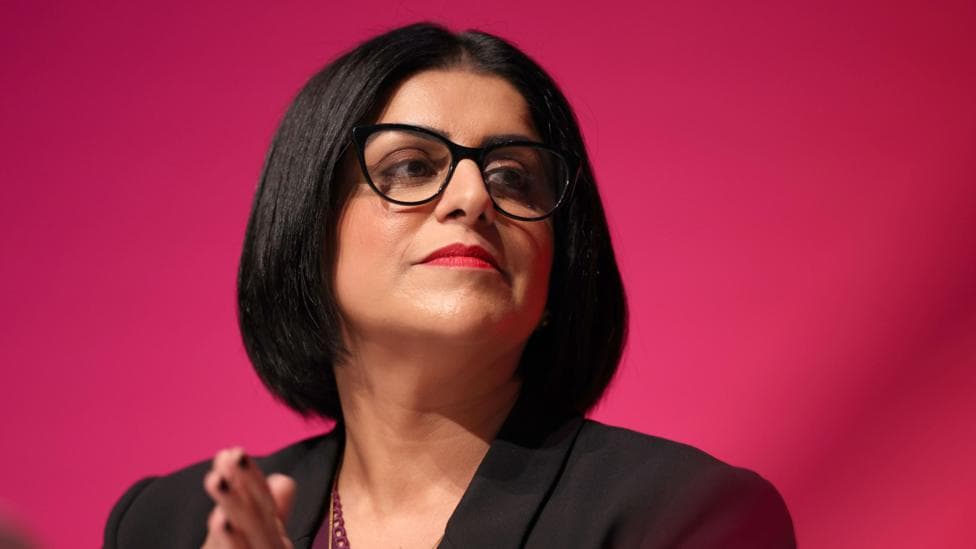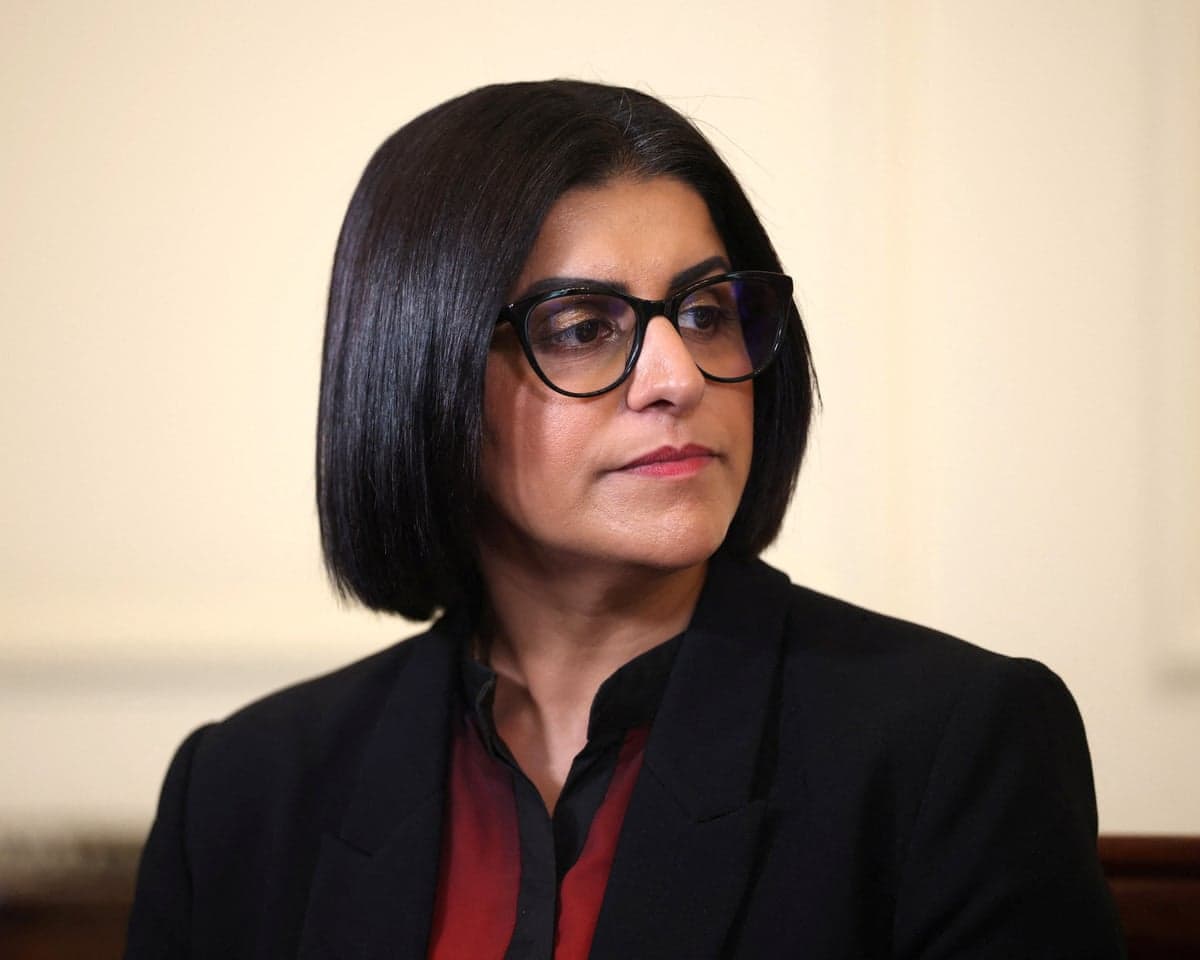
Home Secretary Shabana Mahmood is set to announce her final decision on indefinite leave to remain (ILR) rules this afternoon, with reports suggesting a partial climbdown on the most contentious proposals affecting foreign care workers already employed in the UK. According to The Guardian, the government is expected to exempt social care workers currently in Britain from extended waiting periods, though the broader thrust of tightening settlement rules for hundreds of thousands of migrants is being retained.
The announcement comes as the care sector faces a deepening workforce crisis. The King's Fund, a health thinktank, warns that overseas care worker recruitment is collapsing at precisely the moment domestic supply is also drying up, creating what analysts describe as an unsustainable situation for social care provision.
Why is care worker recruitment falling so sharply?
Overseas care worker recruitment has plummeted from a peak of 105,000 in 2023/24 to a projected 30,000 in 2025/26, with forecasts suggesting further decline to just 10,000 annually by 2026/27. This collapse is occurring even as vacancy rates in the sector remain elevated. In 2025/26, the sector had 1.02 million filled direct care posts in the independent sector but 65,000 unfilled vacancies, with care sector vacancy rates exceeding those in other industries.
Simultaneously, the domestic pipeline of new care workers has reversed. Only 140,000 British workers entered the care sector in 2025/26, down sharply from 255,000 in 2020/21, while 175,000 left during the same period. Danielle Jefferies, a senior analyst at the King's Fund, warned that this divergence between falling international recruitment and rising demand creates a dire outlook.
The divergent trend lines of the growth in demand for care workers and the expected fall in new international recruits that the sector relies on, paints a bleak picture for where the social care workforce will be unless there is significant intervention from the government.
What was Mahmood's original case for tougher rules?
Mahmood has justified making it harder for low-skilled workers, including care workers, to qualify for ILR on fiscal grounds, arguing they would become a net burden on taxpayers. In her original November 2025 proposals, she cited analysis suggesting the lifetime cost to the state of low-skilled migration would reach £10 billion. She stated:
We have never, in the history of this country, had so much low-skilled migration in so little time. We estimate, based on findings from the migration advisory committee … That the lifetime cost to the taxpayer will be £10bn.
Those original proposals, unveiled in autumn 2025, would have extended the standard five-year settlement qualifying period to 10 years for most migrants and 15 years specifically for care workers. They would also have applied retrospectively to foreign workers already in the UK, not just new arrivals. The government consultation on these reforms attracted more than 200,000 responses.
What does the evidence actually show about migrant workers' fiscal impact?
The Institute for Public Policy Research (IPPR), a left-leaning thinktank, has challenged the government's framing by placing the £10 billion figure in broader context. According to the IPPR's analysis, the estimated net lifetime fiscal contribution of all skilled workers, including health and care workers, who were expected to settle in 2026–30 along with their adult dependants, is roughly £115 billion. The IPPR stated:
The £10bn figure should be put in wider context. New IPPR analysis suggests that, as a whole, the estimated net lifetime fiscal contribution of all skilled workers (including health and care workers) who were expected to settle in 2026-30, along with their adult dependants, is roughly £115bn. This follows the same approach as the Home Office in calculating the £10 billion net cost for care workers and adult dependants (see methodology below for more details). The risk of deterring skilled workers who make a significant fiscal contribution should therefore be an important consideration for the final set of proposals.
Both the Home Office and IPPR based their calculations on research from the Migration Advisory Committee (MAC), published in December 2025, which examined people who arrived on skilled worker visas and health and care worker visas in 2022/23. The MAC report found that for most foreign worker visa categories, recipients will make a net contribution to the economy over their lifetimes. The only exceptions are dependent children and adult dependants of health and care workers.
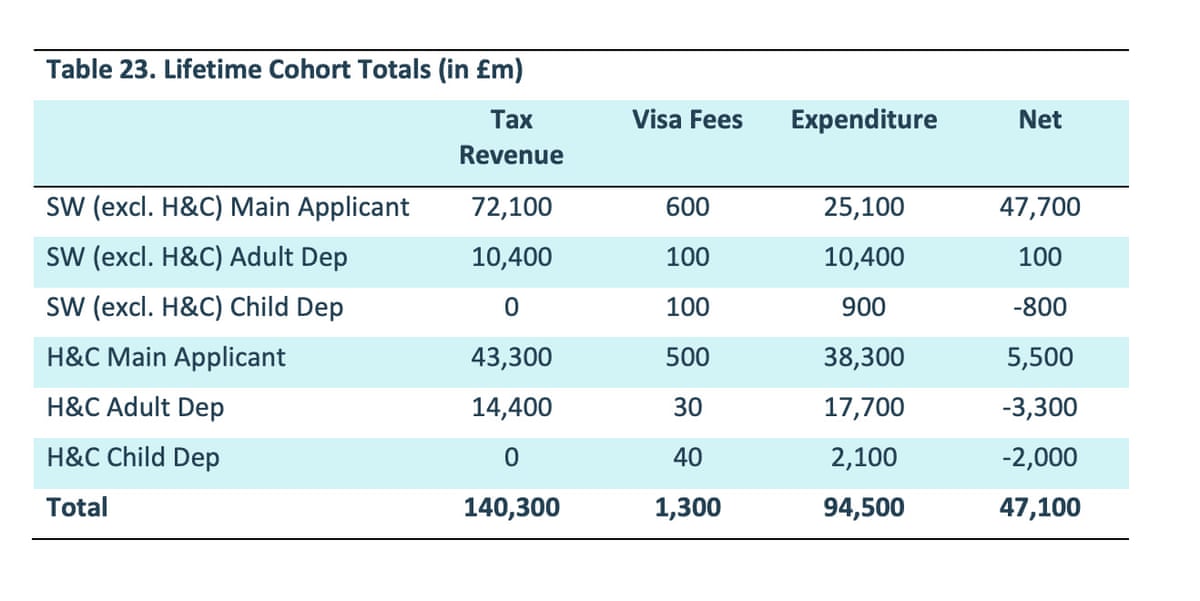
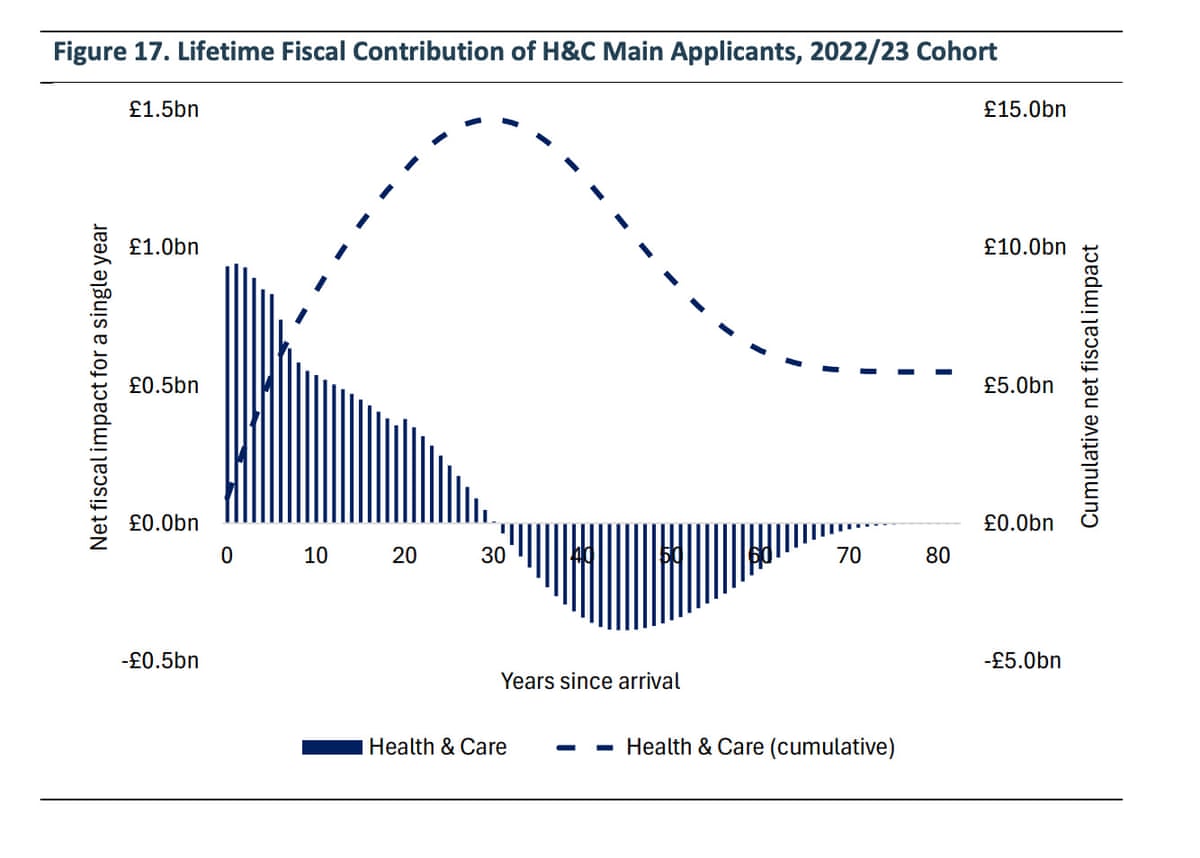
The MAC's analysis involves calculating whether lifetime tax contributions will exceed costs from benefits, healthcare, and education. For health and care workers as a group, the picture is mixed. The report noted:
The H&C workers are less fiscally positive compared to UK residents of the same age (though much better than the median) – but there is still the additional benefit to the fiscal balance of having more younger workers than the UK average. We can split this group of main applicants into those who came as care workers and those who came in other health and care occupations (mainly nurses and doctors). For care workers, the lifetime contribution is estimated to be -£36,000, whilst for the other occupations it is +£166,000. Care workers are therefore fiscally negative over their lifetimes and broadly similar to the UK median for the age group.
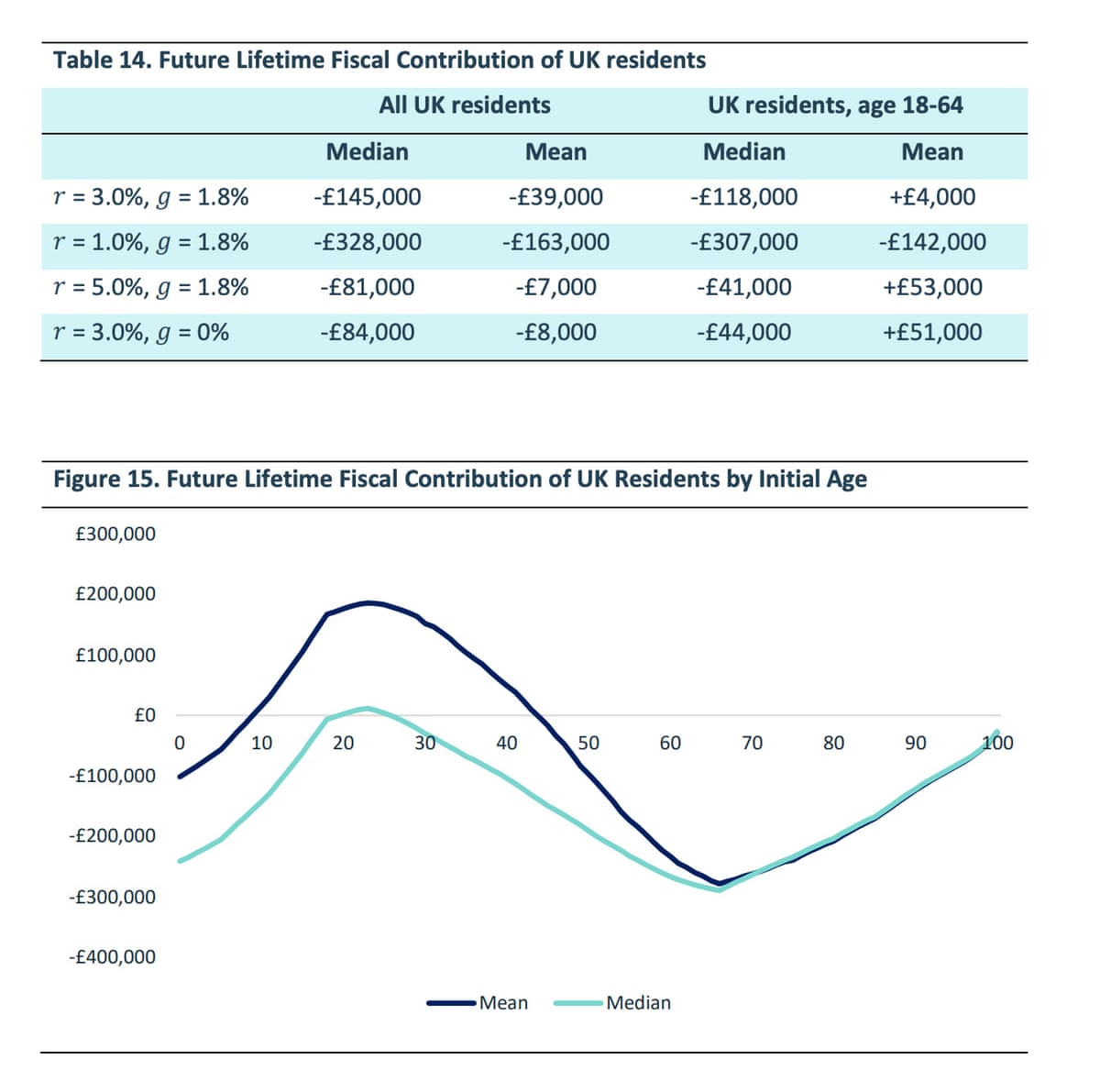
However, the MAC also observed that most UK residents end up being a net burden over their lifetimes. The report explained:
because our tax system is strongly progressive, the upper end of the income distribution contribute much more than the median. This means that while the average British person using the tax and benefits system is a net cost, higher earners contribute enough to sustain the system overall.
How has the political landscape shifted since the original proposals?
When Mahmood first announced these plans in autumn 2025, the political context was very different. The Conservative Party held a polling lead of more than 10 points over Labour, and public concern about migration was acute. Mahmood's argument that net migration was too high and that low-skilled foreign workers represented a fiscal burden aligned with concerns being raised by Reform UK, though experts disputed the characterisation.
That situation has transformed dramatically. The electoral threat from Nigel Farage's Reform UK has receded considerably, and net migration figures have fallen sharply. According to the Office for Budget Responsibility's report released last week, the trajectory of net migration has changed substantially.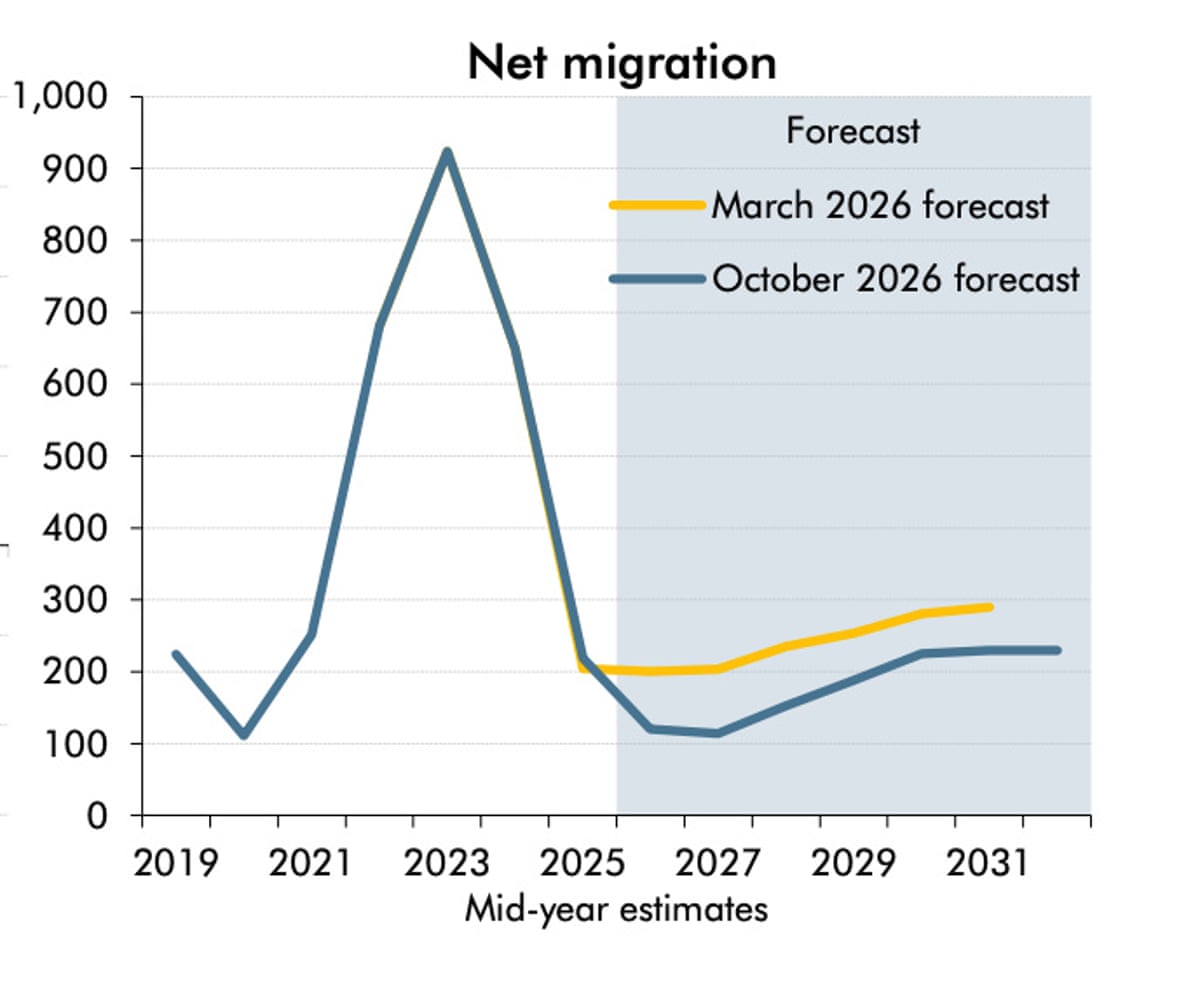
This shifting context has created pressure within the Labour government. When the original proposals were announced, some government backbenchers expressed concern, though public criticism remained muted. Trade unions have been demanding the government reconsider the extended waiting periods, and Angela Rayner, the housing secretary, has publicly opposed retrospective changes to visa rules for care workers already in the UK. Reports indicate that some Labour MPs remain queasy about the proposals.
What are the opposition parties saying?
Chris Philp, the Conservative shadow home secretary, has already characterised Mahmood's expected announcement as a U-turn, claiming she has been forced to surrender to the left wing of her own party. In a statement, he argued:
Later today the government will announce their u-turn on ILR, or Indefinite Leave to Remain. It's clear Shabana Mahmood has been forced to surrender to Angela Rayner and the open-borders Labour left. She will now allow hundreds of thousands of low-wage and no-wage migrants to stay in the UK forever and claim benefits. By Mahmood's own admission in a speech this March, letting low wage care workers alone stay forever will cost taxpayers £10 billion and be an "affront". Now it looks like she's about to do exactly that. After talking tough all year, Mahmood appears to have capitulated control of immigration policy to Angela Rayner - and Mahmood's position is looking increasingly untenable
Philp has outlined the Conservative alternative, stating:
The Conservative plan is a ten year route to ILR, only for high wage workers. No more low wage workers should be allowed in, and those already here should be required to leave when their temporary work visa expires
Nigel Farage of Reform UK has made a similar argument, contending that the Labour Party is at war with itself over the issue.
The Labour Party is at war with itself over Indefinite Leave to Remain (ILR), with Home Secretary Shabana Mahmood losing a fight to the far left of her own party. Tomorrow, she's expected to cave on plans to even tinker with the ILR numbers. Angela Rayner emerges victorious, with her defence of the Tory-era policies hinging on "fair play" towards foreign nationals. But what about fair play towards the British public? Doesn't that count for anything anymore? Villages, towns, suburbs, and cities have to deal with the weight and strain of all this. Not only are ordinary Brits never consulted, but this current cabinet doesn't even have an electoral mandate. It is rightly infuriating to most people who increasingly want net negative migration into Britain.
What do care workers themselves say about the proposals?
Mahmood is scheduled to meet union leaders today to discuss her plans. Andrea Egan, Unison general secretary whose members include many care workers, has been particularly critical of the original 15-year waiting period for care workers. She recently criticised Mahmood for refusing to allow her to bring a care worker to a meeting about the proposals.
That care worker, a Nigerian national named Kolade, has spoken about what he wanted to communicate to the home secretary. In an interview, he expressed frustration at being excluded from the debate about policies that would directly affect his life.
For Kolade, the row encapsulates what he believes is missing from the immigration debate: the voices of those whose lives could be upended by its policies. He has watched politicians dismiss care work as low-skilled and portray migrant workers as a burden on the British economy. "I was just going to tell her that is not correct," he said. "We are not a burden to the British state. We are also contributing as much as we can, supporting British families. "She talked about fairness to the British people. I was going to tell her that caring for British families is our own little way to show that we are contributing, and that we have earned our rights to stay in this country, a place we're currently calling home."
How has the government's position evolved?
Andy Burnham, the deputy prime minister, was among ministers who argued during internal discussions that care workers should be treated more generously than the original proposals suggested. He is currently en route to the Commonwealth summit in Antigua, having departed from Stansted this morning after a stop in Manchester to collect the prime minister. He will arrive in the Caribbean this evening following a refuelling stop in Canada.
In an interview for an ITV documentary being broadcast tomorrow, Burnham signalled a shift in the government's framing of the migration issue. When Prime Minister Keir Starmer held office, he regularly stated that net migration was too high and needed to fall significantly. Burnham, however, declined to make the same assertion. When asked about legal migration, he responded:
It's come right down. And I think when you have planned migration, it's difficult to say is it too high or too low, because it's got to be, if you like, following gaps in the economy.When pressed on whether legal migration needed to fall further, Burnham declined to be drawn.
This represents a notable shift in emphasis. Mahmood will today be defending plans that were conceived in response to what some argue is no longer the primary policy challenge. In November 2025, she argued that action was necessary to address the cohort of lower-qualified workers who entered through the health and care visa scheme, contending that some were never expected to be net economic contributors and therefore required more stringent controls.
What happens next?
Mahmood will deliver her statement on ILR rule changes to the House of Commons after 3.30pm today. Because these changes do not require primary legislation, there will be no opportunity for potential Labour rebels to amend the proposals through the parliamentary process. The final decision on immigration rules is expected to be set out in the Commons statement, with reports indicating that social care workers already in the UK are likely to be exempted from the extended waiting periods.
According to IPPR analysis, approximately 287,000 care workers and their dependants are expected to settle between 2026 and 2030 under current rules. The thinktank has described an exemption for workers already in the UK as a significant compromise that would address some of the most contentious aspects of the original proposal.
The government's agenda for the remainder of the day includes a Downing Street lobby briefing at 11.30am, a Policy Exchange speech by Danny Kruger, Reform UK's head of government preparations, at 12.30pm, and Angela Rayner's Commons questions at 2.30pm. Later, the government is expected to provide an update on power-sharing agreements at council level with the Green Party, following Labour headquarters' recent guidance that Labour councillors should only continue such arrangements with local Green parties willing to disown the "Zionism is racism" motion passed at the Green conference.