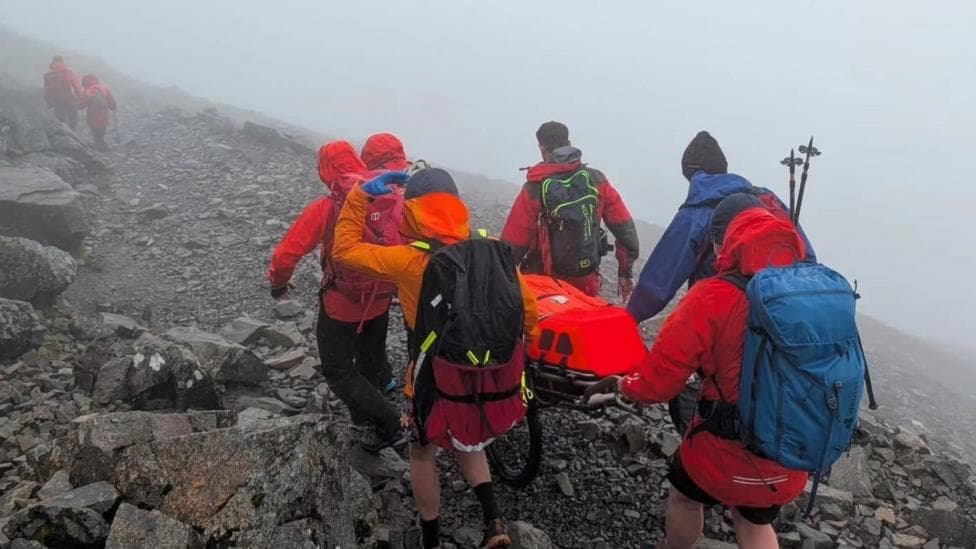
Scotland's busiest mountain rescue team has surpassed its previous annual record for emergency responses, reaching more than 200 call-outs in 2026 following four incidents over a single weekend in early October.
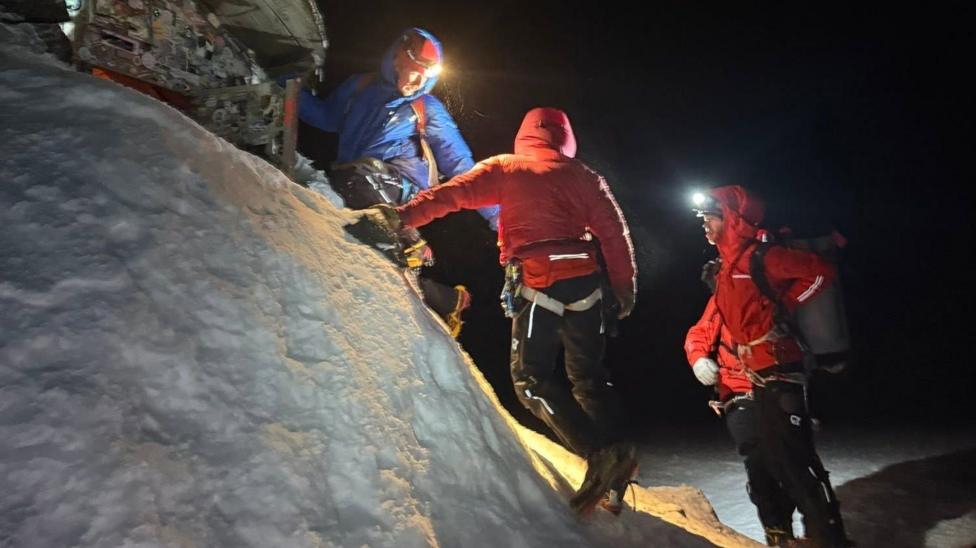
Fort William-based Lochaber Mountain Rescue Team (MRT) attended to a missing person, an injured mountain biker, and a group of hillwalkers stranded on the summit of Ben Nevis—Britain's highest mountain—unable to navigate down in darkness. According to STV reporting on 5 October, this milestone represents a 20% increase compared to the same point in the previous year.
The team attended 160 call-outs throughout 2025, making the current year's trajectory a significant departure. Lochaber MRT's own records show it handled 165 call-outs in 2024, which had been its previous team record.
Why are rescue call-outs increasing?
The surge reflects a broader trend across Scottish mountain rescue services. Deputy leader John Hepburn attributed the rise to multiple interconnected factors rather than a single cause. More people are venturing into the hills than ever before, and many lack adequate preparation or equipment for challenging conditions.
Hepburn noted that the posting of mountain routes on social media has encouraged people to be more adventurous, with popular routes like the Càrn Mòr Dearg Arete—a narrow ridge requiring scrambling over rocky terrain—attracting increasing numbers of visitors.
Groups and individuals are going out that are poorly equipped. More people are accessing the hills, which must be one of the things that is causing it.
Other Scottish teams have documented similar patterns. In August, Skye Mountain Rescue Team responded to 20 people requiring assistance over a 13-hour period on the popular Skye Trail. A spokesperson for that team observed that many people they rescue are not entirely unprepared:
The interesting thing is that a lot of the people we're helping aren't badly equipped or completely unprepared - in fact, many were already aware of our recent rescue efforts on the trail. They've often done their research, have experience elsewhere and have decent kit. What they sometimes don't have is much experience of Scottish mountain conditions. Skye weather can be relentless.
What does the broader data show?
The increase at Lochaber reflects wider patterns in Scottish mountain rescue activity. According to Scottish Mountain Rescue's 2025 statistics report, teams across Scotland recorded 1,270 total call-outs during 2025, including continuations of previous incidents, and 1,169 excluding them. The report documented 798 independent incidents, with 491 related to mountaineering activities.
It is worth noting that Scottish Mountain Rescue's 2025 figures include data from Lochaber and Police Scotland's Highland team, which were not included in the 2024 publication, meaning year-on-year comparisons across the full network require careful interpretation.
What advice are rescue teams offering?
Hepburn stressed that people do not intentionally set out to have a difficult day or require rescue, but preparation remains critical. He urged hillgoers to develop a thorough plan for their outing, consult weather forecasts before departure, and wear appropriate clothing and footwear suited to mountain conditions.
He recommended that walkers pack extra layers in their rucksacks and carry a torch due to the reduced daylight hours in autumn and winter months.
Also a group shelter to keep themselves safe when things go wrong.
The team's guidance reflects the reality that many incidents occur not because people are reckless, but because they underestimate the demands of Scottish mountain terrain or fail to account for rapidly changing weather conditions.
Key Facts
- Lochaber MRT has exceeded 200 call-outs in 2026, surpassing its previous record of 165 in 2024
- The team comprises almost 50 volunteers, with between 10 and 25 attending each rescue
- Scottish Mountain Rescue teams recorded 1,270 total call-outs across Scotland in 2025, with 798 independent incidents
- Rising call-outs are attributed to increased hill access, social media promotion of routes, and inadequate preparation among visitors
- Rescue teams emphasise the importance of planning, weather awareness, appropriate equipment, and understanding Scottish mountain conditions