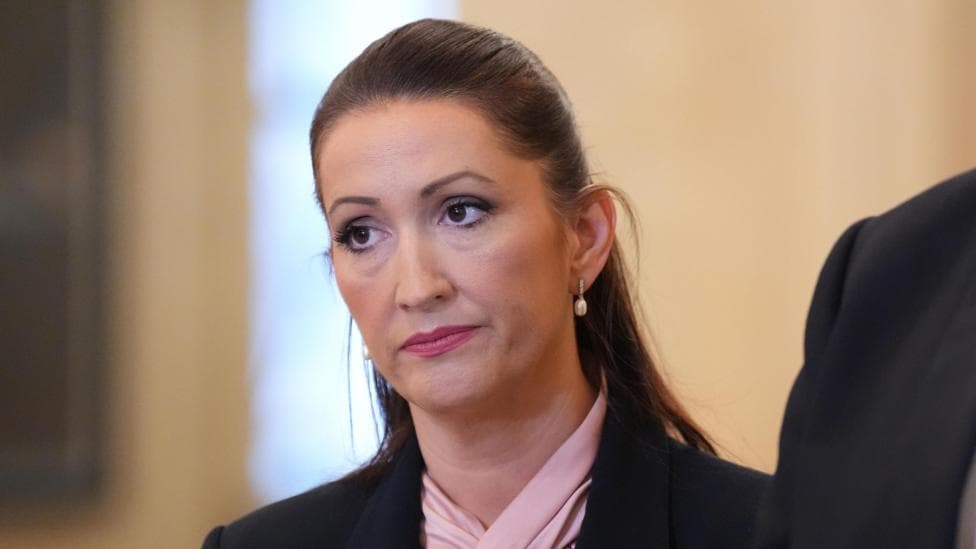
Deputy First Minister Emma Little-Pengelly has challenged First Minister Michelle O'Neill's attendance at talks with the leaders of Scotland and Wales, asserting that O'Neill is participating
absolutely in a Sinn Féin capacityrather than representing Northern Ireland's devolved administration.
Little-Pengelly contended that republicanism is attempting to
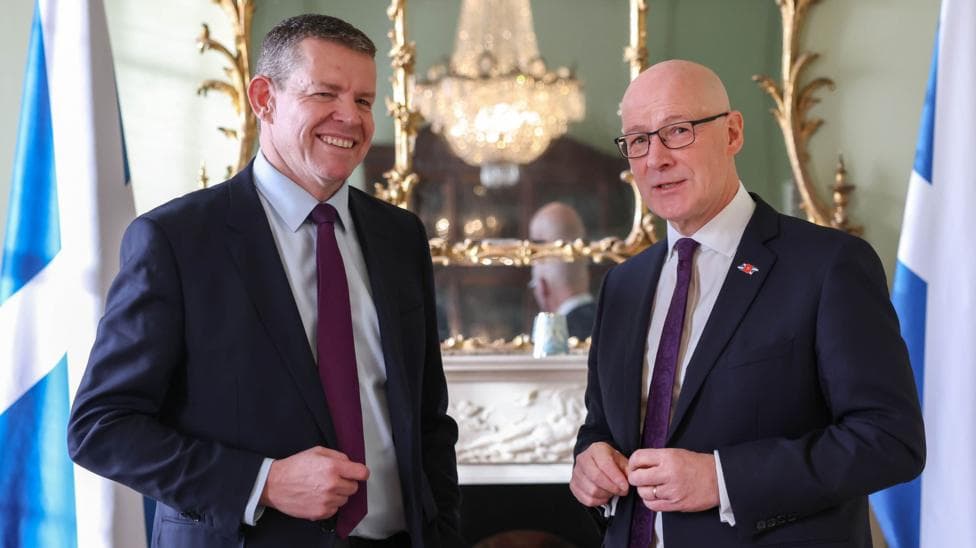
weaponise the role of the first minister, as O'Neill prepared to meet Scottish National Party leader John Swinney and Plaid Cymru leader Rhun ap Iorwerth on Monday, 14 September 2026 in Cardiff to explore
working more closely. According to reporting on the gathering, the meeting would bring together the leaders of three devolved nations, all headed by parties seeking independence from the United Kingdom.
In Northern Ireland's power-sharing arrangement, the first and deputy first minister hold identical powers and responsibilities, a constitutional reality that underpins Little-Pengelly's objection to O'Neill's unilateral decision to attend the summit.
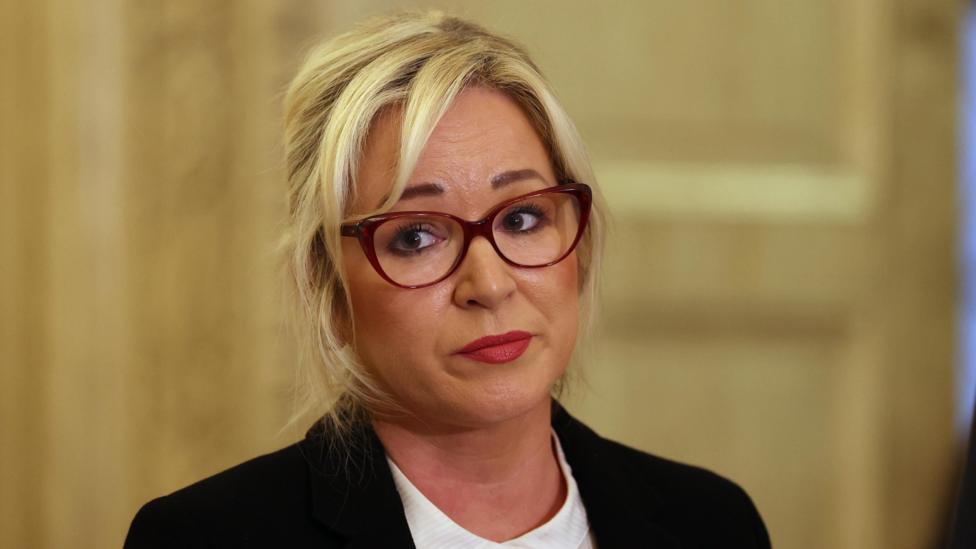
Little-Pengelly stated that O'Neill had not sought her agreement or permission to travel, attend or sign anything in her capacity as first minister.
She would have needed to do so to do anything as FM, the deputy first minister explained, emphasising the joint nature of their roles.
The significance of three nationalist-led administrations
For the first time since devolution began in the late 1990s, Wales, Scotland and Northern Ireland are simultaneously led by first ministers who publicly advocate leaving the United Kingdom. This convergence marks a historic moment in the constitutional politics of the British Isles, with all three administrations now headed by parties committed to self-determination.
O'Neill confirmed on Sunday that she would be attending the Cardiff discussions alongside Mary Lou McDonald, the president of Sinn Féin and opposition leader in the Irish Dáil. According to additional reporting on the summit, this would represent the first face-to-face meeting between the three nationalist leaders since Rhun ap Iorwerth took office in May 2026.
In a video posted to social media, O'Neill articulated the purpose of the gathering.
We're coming together because we all want to break free of the shackles of Westminster, she said.
We're coming together at a moment of hope and opportunity for all our people. What we want is self-determination. What we want is to be able to decide our own future, and to bring that into the hands of our people.
She continued:
So these are big moments of change, big moments of hope, and there's a lot to do together.
Little-Pengelly's objections to the framing
Speaking on BBC Radio Ulster's Good Morning Ulster programme, Little-Pengelly emphasised the need for clarity about O'Neill's role at the meeting.
We need to be very clearthat O'Neill is
meeting in her political role as a member of Sinn Féin, as the leader of Sinn Féin of the north, as she would described it herself, not on behalf of Northern Ireland, she's not signing anything on behalf of Northern Ireland.

Little-Pengelly objected to how the gathering had been presented in media coverage.
I looked very carefully at what was briefed out, what was reported, it was being reported out as if this was a summit of first ministers, she said.
It is not a summit of first ministers. She may be first minister, which is of course a joint role along with myself, but she is there absolutely in a Sinn Féin capacity.
The deputy first minister accused O'Neill of
trying to use the fact that she is also first minister in order to give momentum to the breakup of the union, in order to give momentum to this concept of abolishing Northern Ireland.
Contrasting her own approach, Little-Pengelly stated:
For my part, I will get on with trying to make Northern Ireland work, I will get on with being here, I will be at the assembly today, I will be working hard on all of those issues that I know matter to people in terms of bread and butter issues here.
Sinn Féin's response to the criticism
Sinn Féin MLA and Minister for Finance John O'Dowd rejected Little-Pengelly's characterisation of the Cardiff meeting. He noted that
political unionism have always used their roles to promote the union, suggesting that O'Neill's participation in the summit was no different in principle.
O'Dowd clarified the composition and purpose of the delegation.
Michelle is there as deputy leader of Sinn Féin, she is joined on that trip with Mary Lou McDonald, the leader of Sinn Féin, and she's meeting the leader of the SNP and Plaid Cymru in their capacities as leaders of their parties, he explained.
He argued that the gathering reflected broader political trends across the British Isles.
It's quite clear that across these islands there's a growing demand for self determination, whether that's in Wales, Scotland or here.
It's only right and proper, I think, that those parties who are in favour of greater self determination cooperate and work with each other to achieve that goal, O'Dowd added.
The agenda for Cardiff
According to coverage of the planned discussions, the Cardiff talks were expected to focus on partnership in the economy, energy and international co-operation. A Plaid Cymru spokesperson characterised the meeting as an opportunity for the three parties to discuss how they can
work more closely on the issues that matter to people across our nations.
The summit comes two days after US President Donald Trump stated he would welcome the prospect of a united Ireland, a comment that has added international dimension to ongoing constitutional debates within the UK and Ireland.
What happens next
Swinney and ap Iorwerth were scheduled to hold a separate meeting in the Cardiff afternoon on Monday, 14 September 2026, during which they were expected to sign an agreement on
future collaboration in areas of shared interest. The broader summit involving all party leaders was set to proceed with discussions on future co-operation among the three nationalist-led administrations.