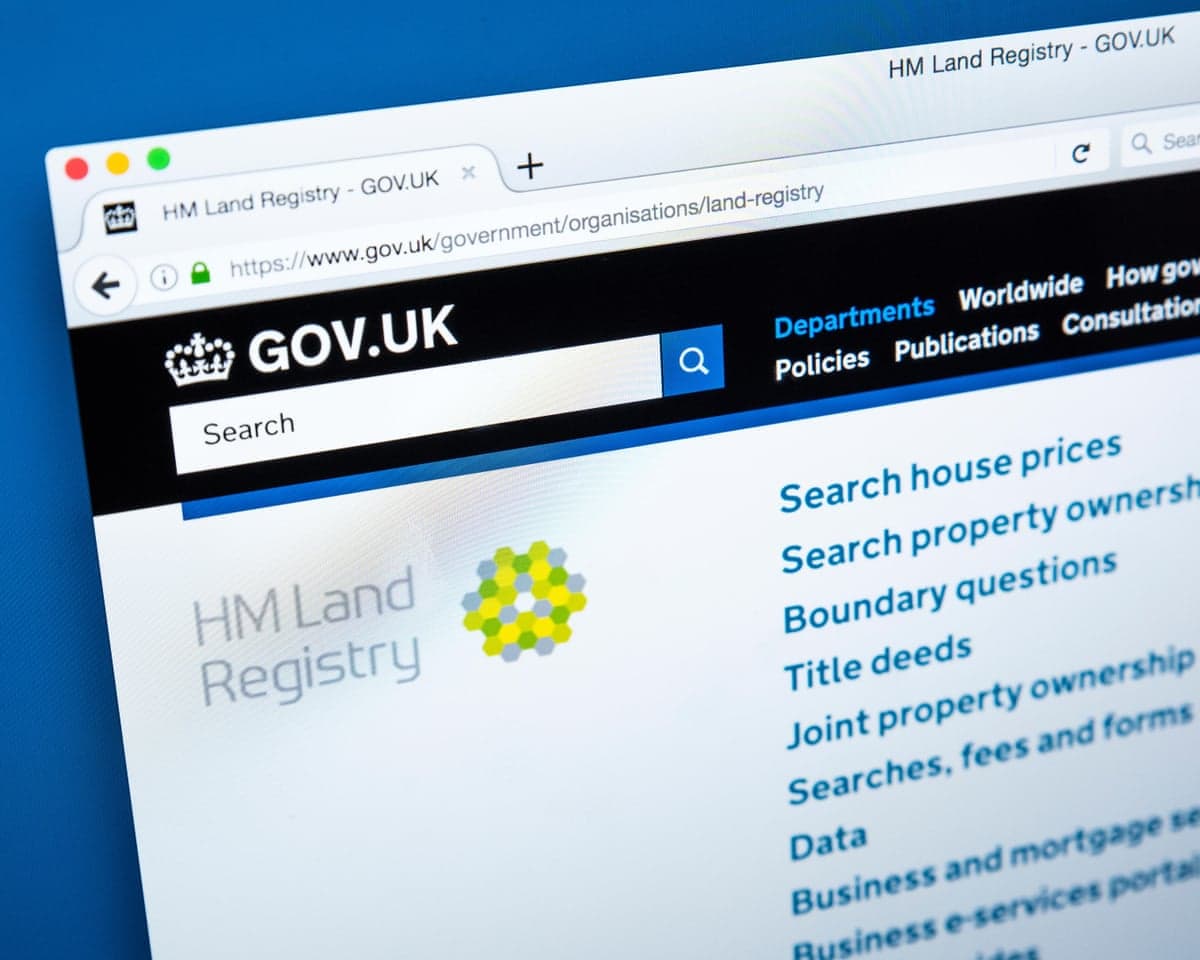
The government's proposal to remove the paywall on the Land Registry and reveal property ownership across England and Wales faces potential obstruction from major landowners, according to campaigners and transparency advocates.
On 27 October 2026, the government unveiled its plans to lift restrictions on public access to Land Registry information, contending that greater transparency would facilitate housing construction, environmental protection and improved strategic planning. According to The Guardian, the proposals will enter an eight-week public consultation period. HM Land Registry's register contains more than 27 million titles and covers over 90% of the land area of England and Wales, making this a significant step toward comprehensive land ownership transparency.
The Land Registry operates as an arm's length body under the oversight of the Ministry of Housing, Communities and Local Government, though it functions with substantial independence. Previous reporting has highlighted tensions within the organisation regarding how extensively to open its records to public scrutiny.
What would the new access rules allow?
The proposals would enable public sector bodies, including government departments and local authorities, to access Land Registry data for the first time. This expanded access is intended to simplify the process for councils to locate suitable sites for new homes, schools, hospitals, environmental assets, water infrastructure and public transport.
A new free public dataset would identify owners of significant land-holdings, encompassing the vast majority of land in England and Wales while protecting the privacy of ordinary homeowners. Additional sensitive information could become available to investigators, civil society groups and regulators who can establish a clear public interest justification.
A government spokesperson explained the rationale:
We are improving access to the Land Registry's database to help – with at least 10% currently unknown. By driving up land transparency we can make smarter decisions on building the homes and infrastructure we need, while delivering a crucial win-win for the economy and nature.
Why are landowners concerned?
Gavin Lane, president of the Country Land and Business Association, which represents landowners and rural businesses, raised concerns about the implications of expanded public access.
Making more personal information public could leave families vulnerable to fraud and other risks, especially as AI makes it easier to steal and misuse people's identities. Greater transparency should not come at the expense of people's privacy, security and safety.
Many major landowners have previously resisted disclosure of their holdings and are expected to oppose these proposals during the consultation period. Guy Shrubsole, author of Who Owns England?, acknowledged this resistance while calling for public participation.
The government has put forward a bold but sensible proposal to open up the Land Registry and reveal who owns the vast majority of land in England and – a question that goes back to the Domesday Book and has always been entwined with wealth and power. But the country's biggest landowners may still try to scupper these plans at the last hurdle. It's up to us peasants to stage the most gentle of revolts, by submitting our views to this public consultation.
Who supports the transparency push?
Environmental and planning advocates have welcomed the initiative. Roger Mortlock, chief executive of the Campaign to Protect Rural England, stated:
Our finite land supply is facing an unprecedented squeeze. Making it easier to find out who owns what will help us make the most of every hectare, whether for homes, infrastructure, food or nature's recovery.
This proposal aligns with broader government efforts to improve property market transparency. Earlier reforms have targeted leasehold protections and property transaction practices, reflecting a wider commitment to opening up information about land and property ownership. England must allocate over 7% of its land to nature, forests, and renewables to meet environmental targets, making accurate ownership data essential for coordinating land use across housing, food production and conservation.
What additional transparency measures are planned?
Beyond the immediate Land Registry proposals, a separate 2026 regime requires certain contractual control rights over registered land to be reported to HM Land Registry, with the resulting public dataset intended to be updated at least monthly. This framework applies to new rights created after the regulations take effect and to existing rights when they are modified. The government narrowed the scope of these requirements after a 2024 consultation that received 41 responses.
When will the new data become available?
The contractual-control dataset is scheduled to be published as soon as possible after 6 April 2028. This timeline allows for system development and testing to ensure the data meets quality standards before public release.
Shrubsole emphasised the importance of public engagement during the consultation window.
Centuries of secrecy over who owns our land might finally be coming to an end – but only if enough members of the public respond to this consultation.The outcome will depend substantially on the volume and nature of responses received during the eight-week period, with landowner opposition potentially influencing the final scope of the reforms.