UK newspapers on Tuesday focused on the measures expected to feature in Chancellor John Healey's first Budget, with coverage spanning wage policy, social care, immigration and defence spending. According to BBC News, the papers examined a range of policy announcements ahead of the Budget delivery scheduled for Wednesday, October 28, 2026.
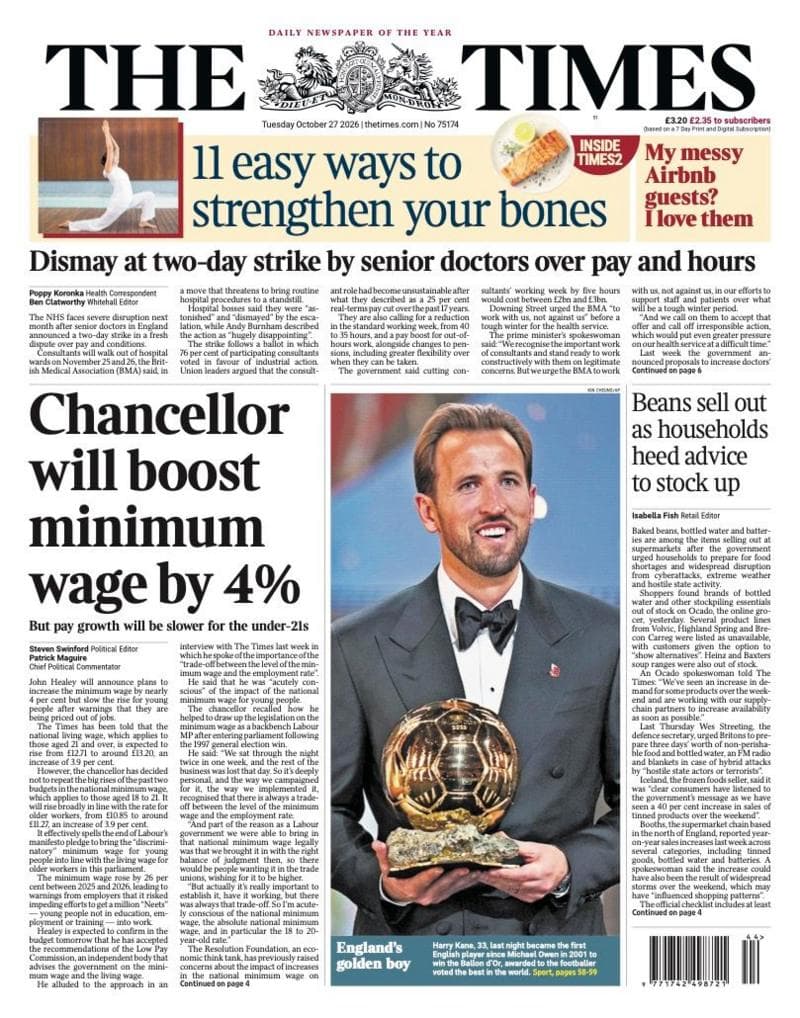
The Times led with wage growth, reporting that the national living wage for workers aged 21 and over would rise by 3.9%, alongside a matching increase for those aged 18 to 21. However, the decision represents a departure from Labour's election manifesto, which had pledged to narrow the gap between youth and adult minimum wage rates. The paper also featured footballer Harry Kane on its front page, celebrating his achievement as the first Englishman to win the Ballon d'Or since Michael Owen in 2001, after scoring 73 goals in the 2025–26 season.
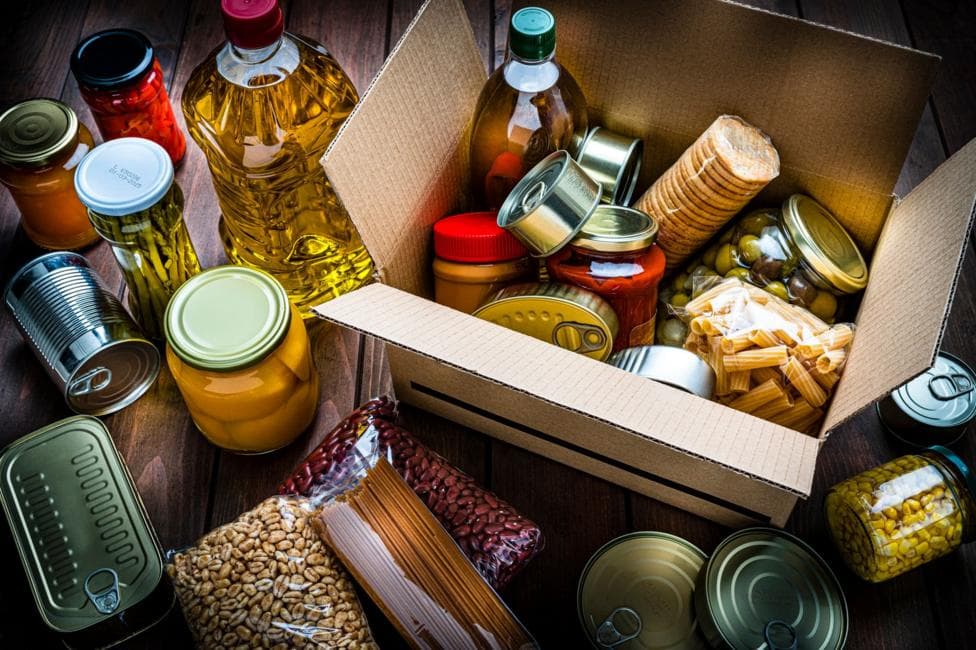
The government had already announced five cost-of-living measures ahead of the formal Budget, according to government sources. These included making the 55p-per-mile tax-free work mileage rate permanent and cutting tariffs on some foods and heating oil. The government also confirmed that parental pay would be extended to more than 150,000 additional parents a year, including eligible self-employed fathers and partners, with support worth up to £194 a week for two weeks.
What changes are planned for carers' allowance?
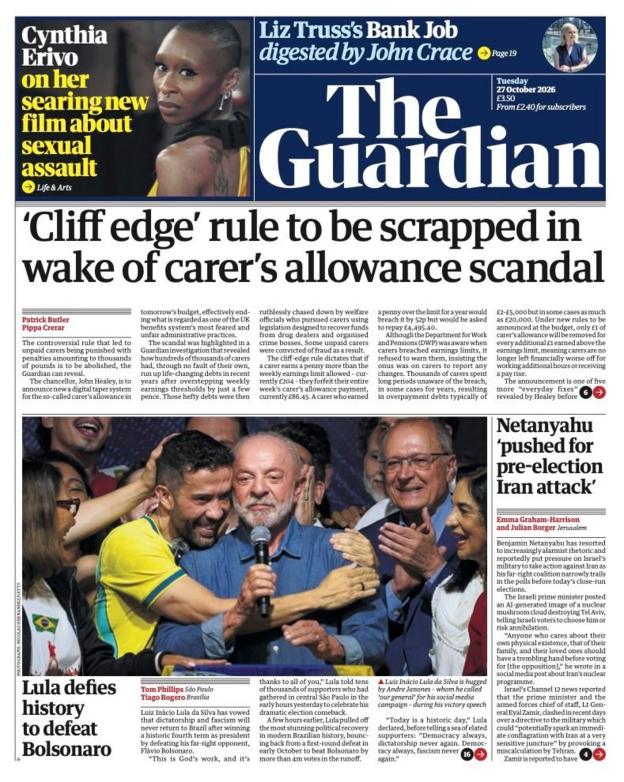
The Guardian reported that Chancellor Healey would abolish the controversial cliff-edge rule affecting unpaid carers. Under current rules, carers forfeit their entire weekly allowance of more than £86 if they earn just one penny above the £204 weekly earning limit. The new system would operate as a digital taper, removing £1 from the allowance for every £1 earned above the threshold, according to ITV News.
What are charities requesting for end-of-life care?
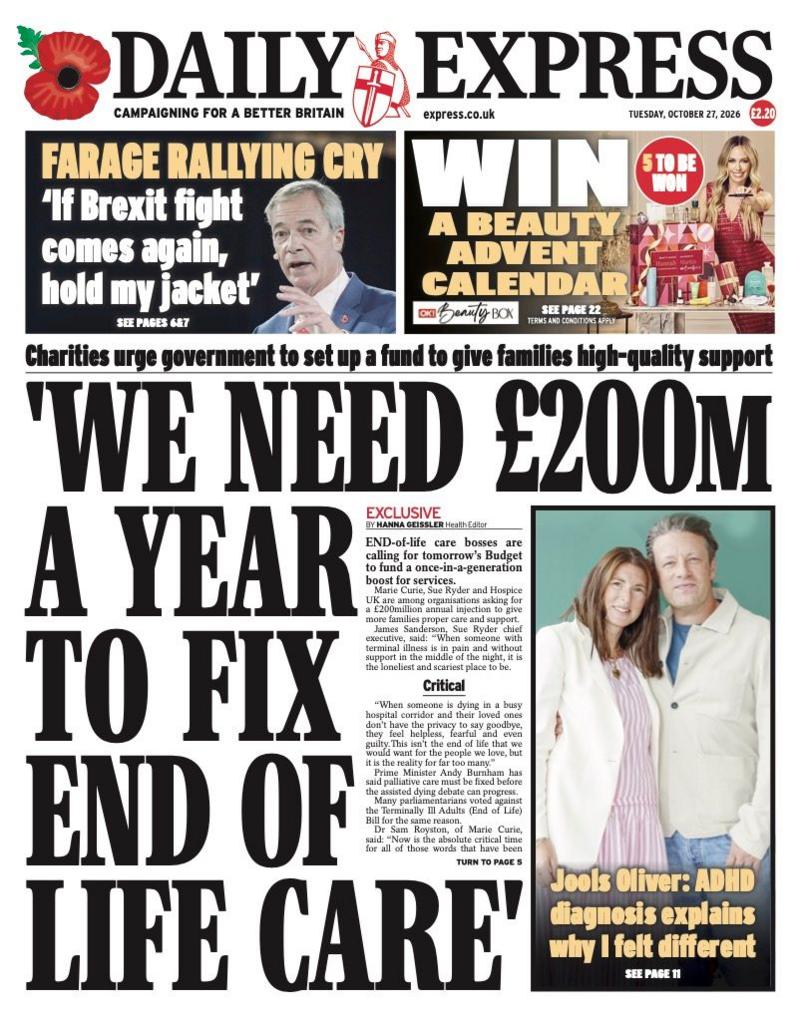
The Daily Express highlighted calls from major end-of-life care organisations for substantial funding increases. Marie Curie, Sue Ryder and Hospice UK have jointly requested a £200 million annual injection to strengthen services. The charities argue this would constitute a once-in-a-generation boost, enabling them to expand support to more families. The Express noted that nearly six in ten hospices across England have either implemented or are considering cuts to frontline services.
Why has the Prime Minister's EU comments sparked cabinet tension?
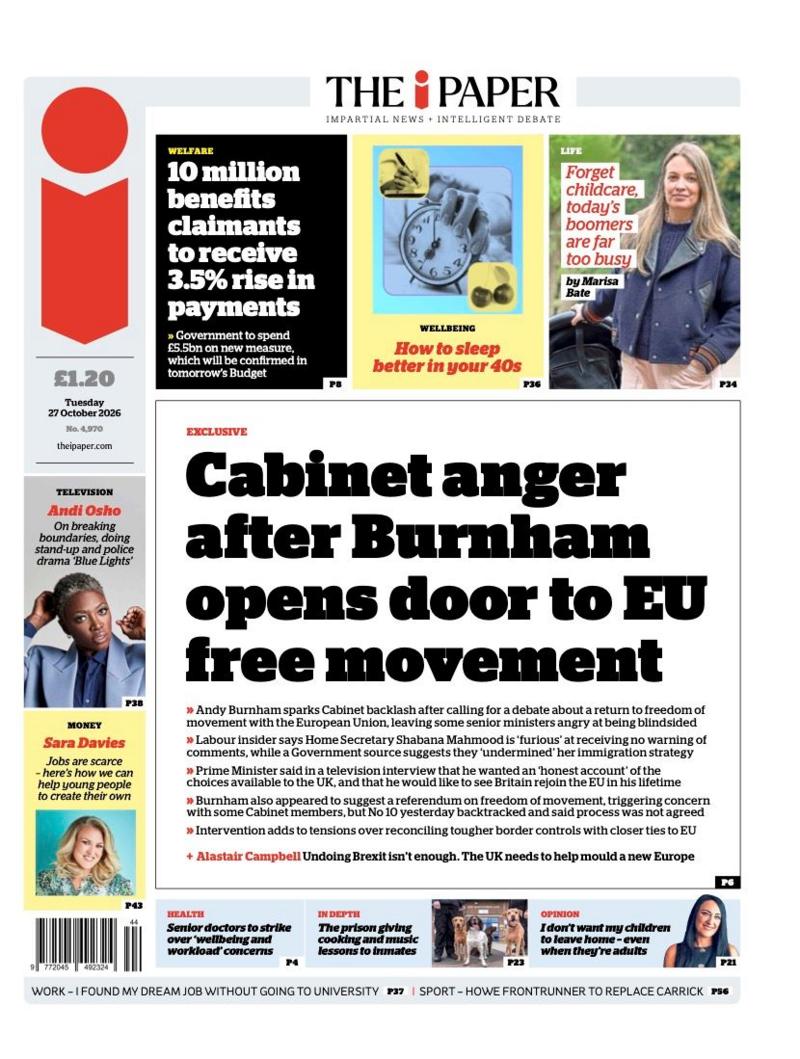
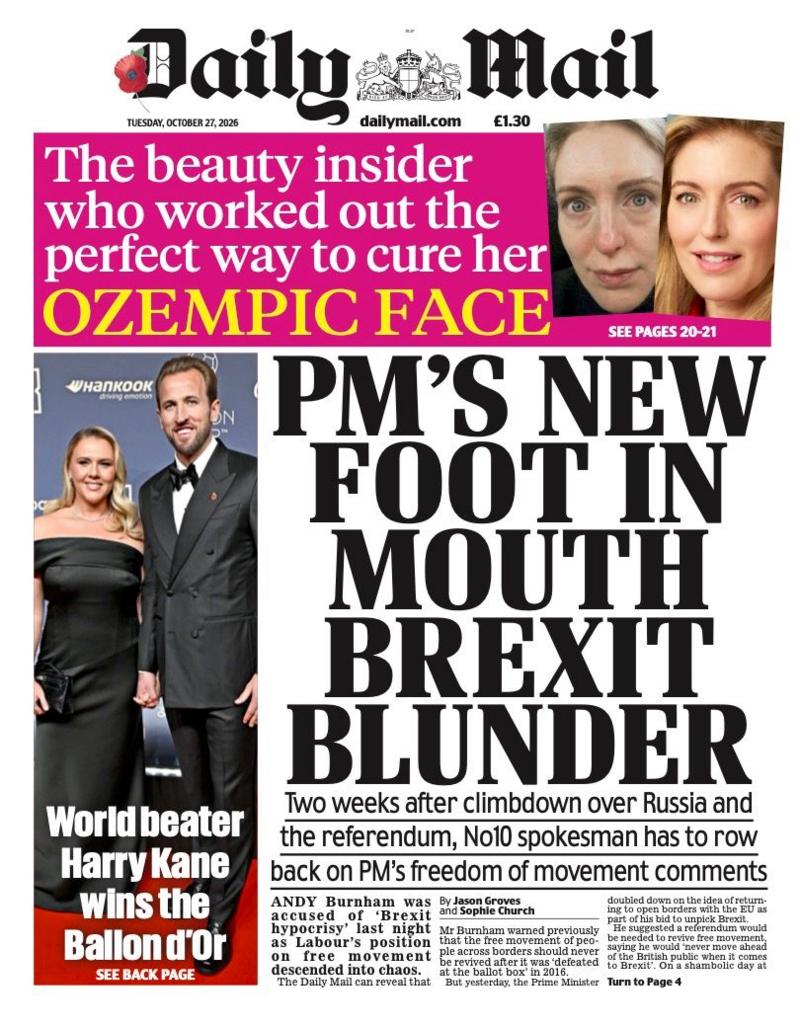
Prime Minister Andy Burnham's recent call for a debate about restoring freedom of movement with the European Union has triggered significant friction within government. The i Paper reported that Home Secretary Shabana Mahmoud expressed fury at not being forewarned of Burnham's comments, with government sources indicating the remarks had undermined her immigration reduction strategy. Several senior ministers were reported to be angry at being blindsided by the announcement.
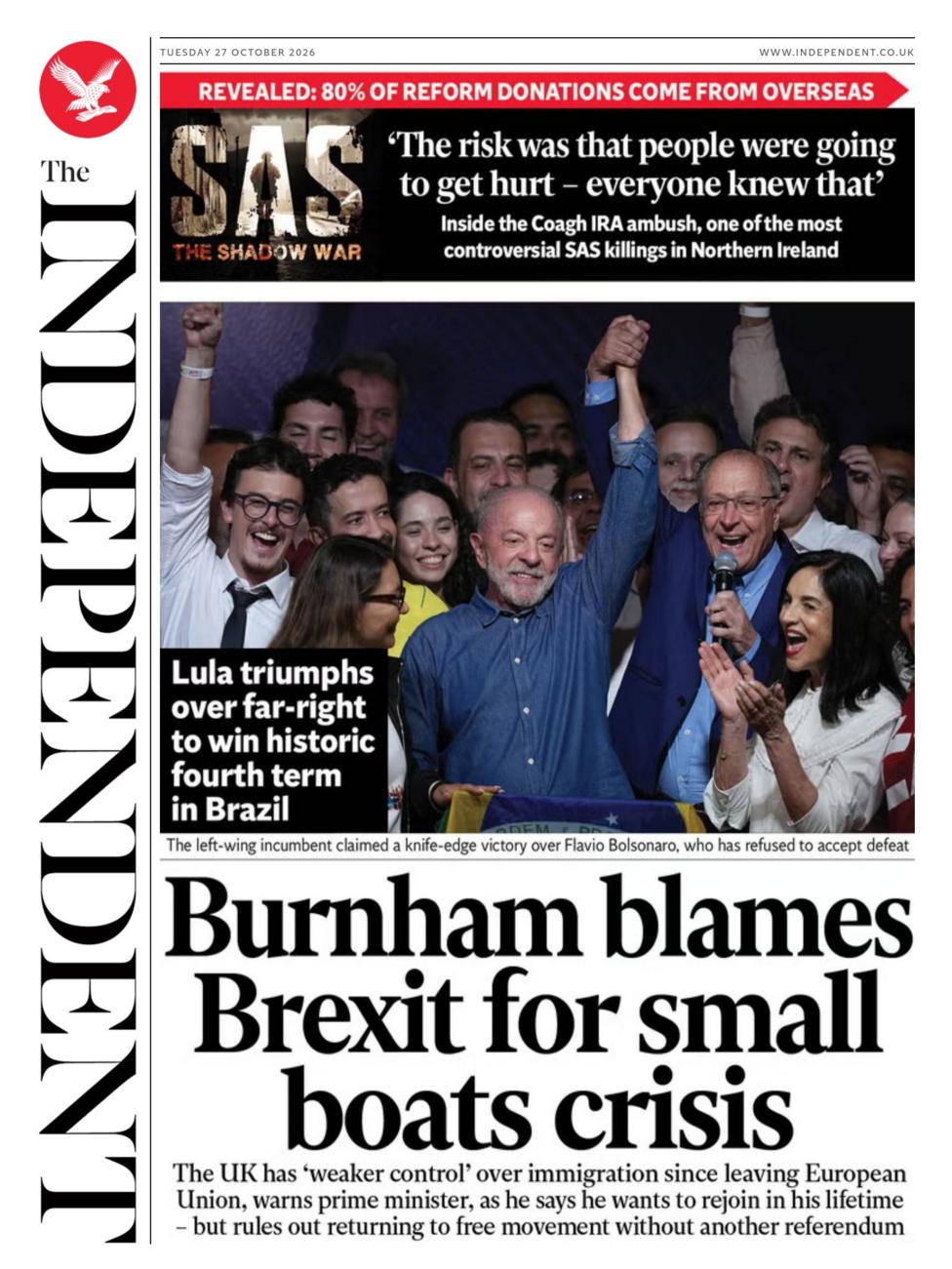
Burnham has warned that the UK has experienced weaker control over immigration since leaving the EU, the Independent reported. However, the Prime Minister has explicitly ruled out returning to free movement without holding another referendum. The Daily Mail noted that Burnham had previously cautioned that free movement of people across borders should never be revived, and that a No. 10 spokesperson subsequently had to clarify his position.
The Sun characterised a return to free movement as catastrophic for employment prospects, wage levels, public services and social cohesion. The paper warned of potential damage to efforts to return jobless people to work.
What defence spending concerns has emerged?
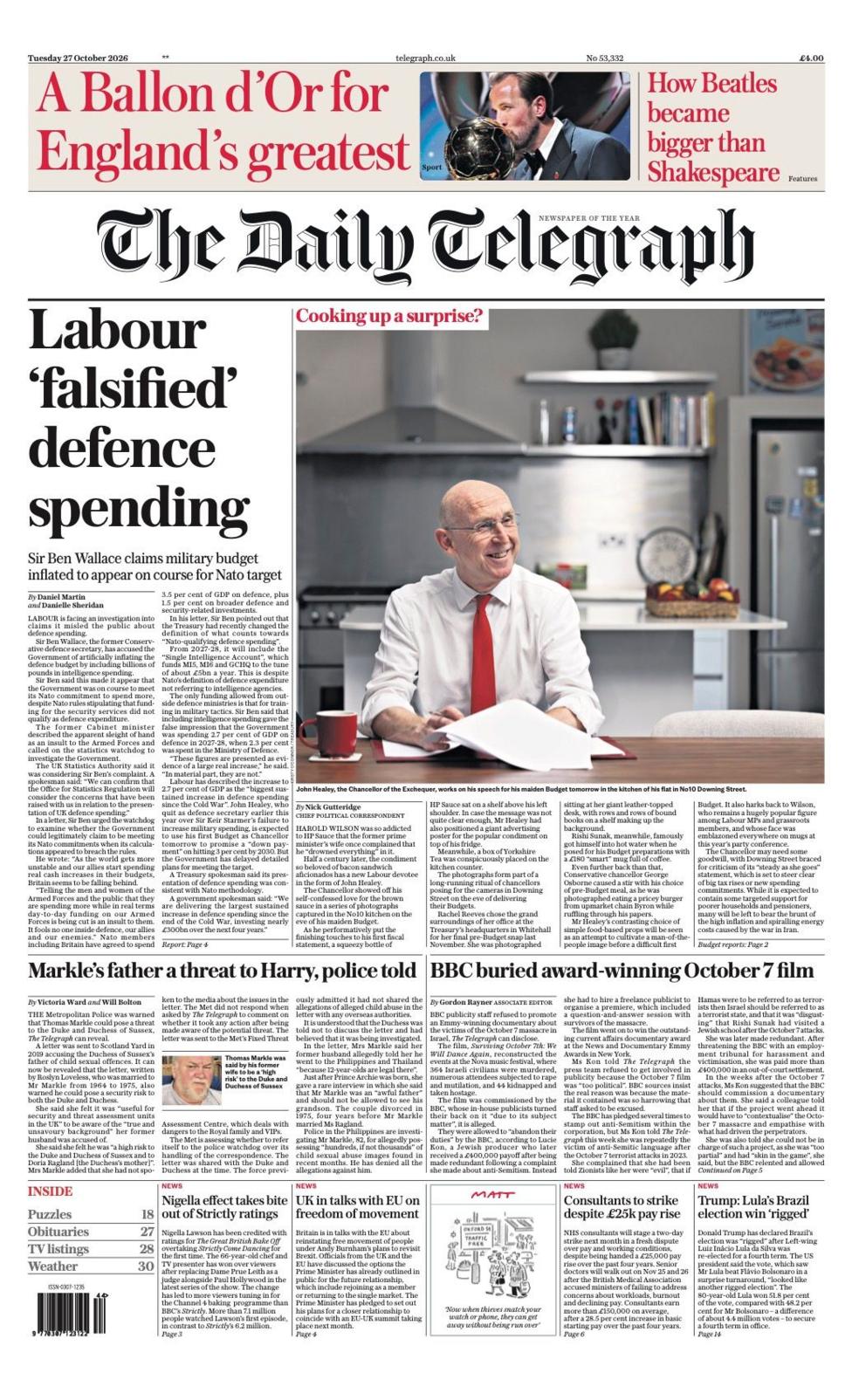
Former Defence Secretary Sir Ben Wallace has accused the government of artificially inflating its defence budget figures. According to the Daily Telegraph, Wallace contends that the Budget will include billions of pounds in intelligence spending, which he argues contradicts NATO guidelines stipulating that security service funding does not qualify as defence expenditure.
What major corporate developments are anticipated?
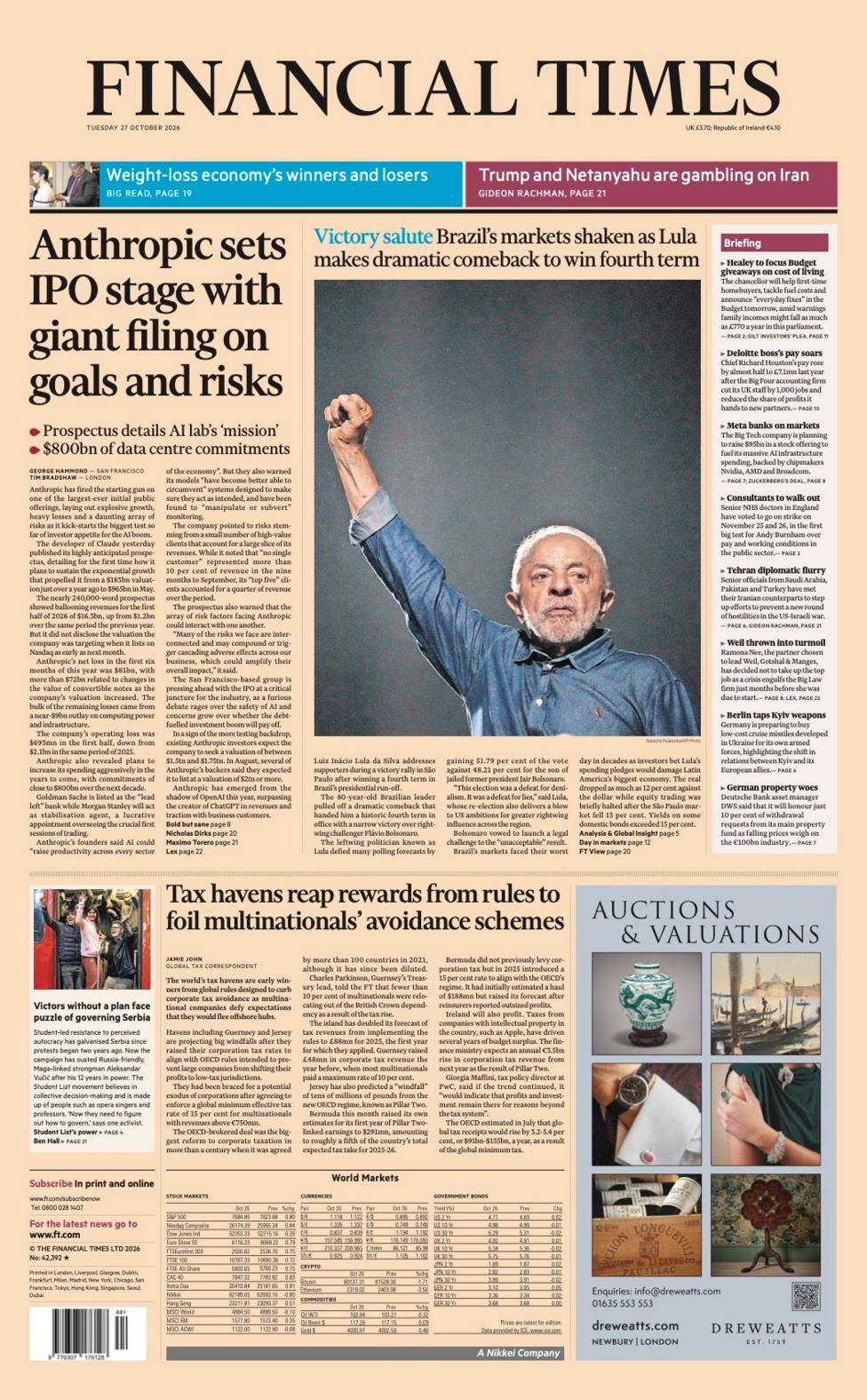
The Financial Times examined Anthropic's planned initial public offering, describing it as potentially one of the largest IPOs ever conducted. The paper characterised the flotation as the most significant test to date of investor appetite for artificial intelligence ventures. According to The Coast, Anthropic's revenue grew 1,300 per cent in the six months to June 30, 2026, reaching $16.3 billion, though its top five customers accounted for approximately 25 per cent of revenue through September.
What other stories dominated the front pages?
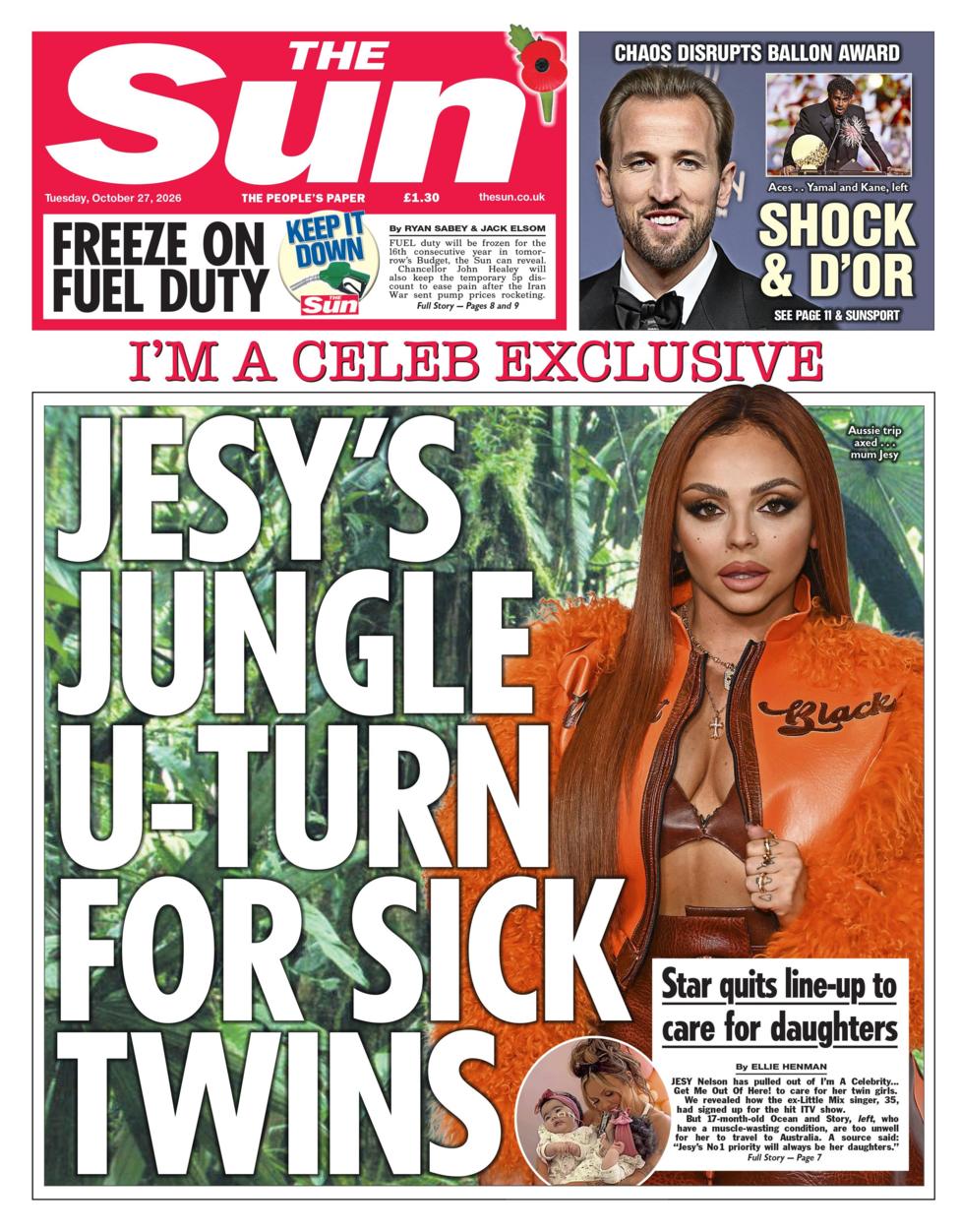
The Sun reported that former Little Mix member Jesy Nelson will not appear in the next series of a major reality television programme. Nelson has chosen to step back to dedicate more time to caring for her twin daughters, who live with a muscle-wasting condition.
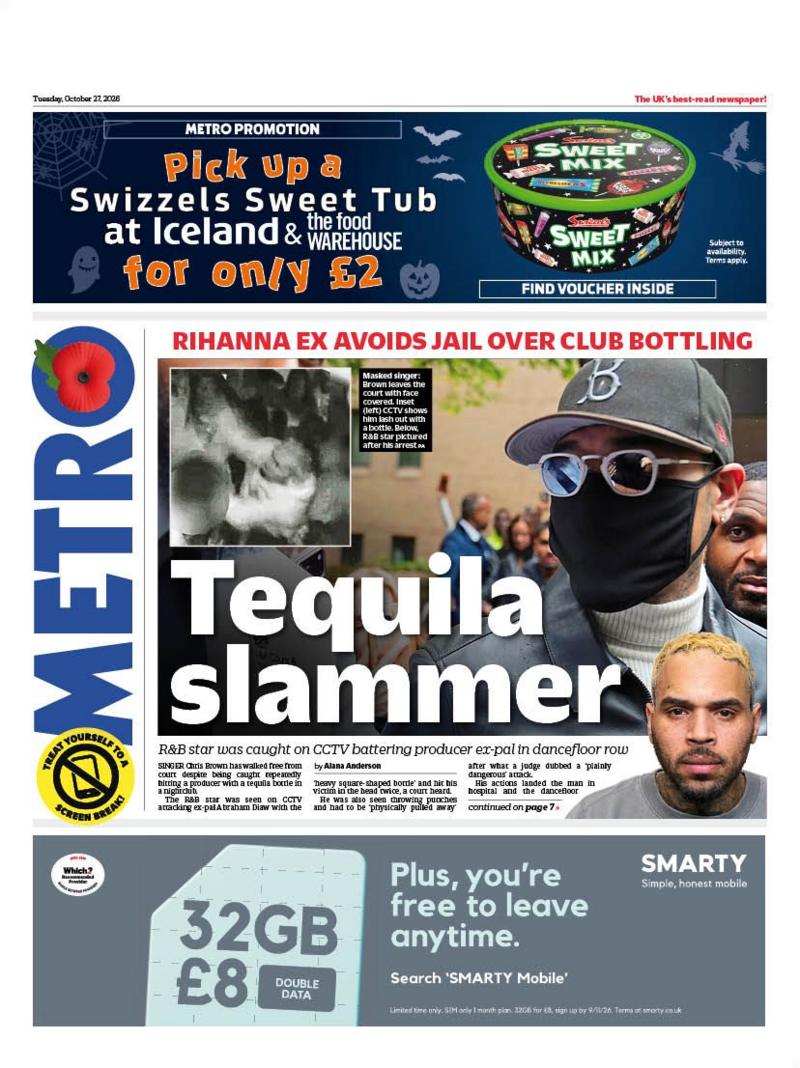
The Metro covered a legal case involving American musician Chris Brown, who avoided jail after striking a man twice in the head with a glass tequila bottle during an incident at a London nightclub.
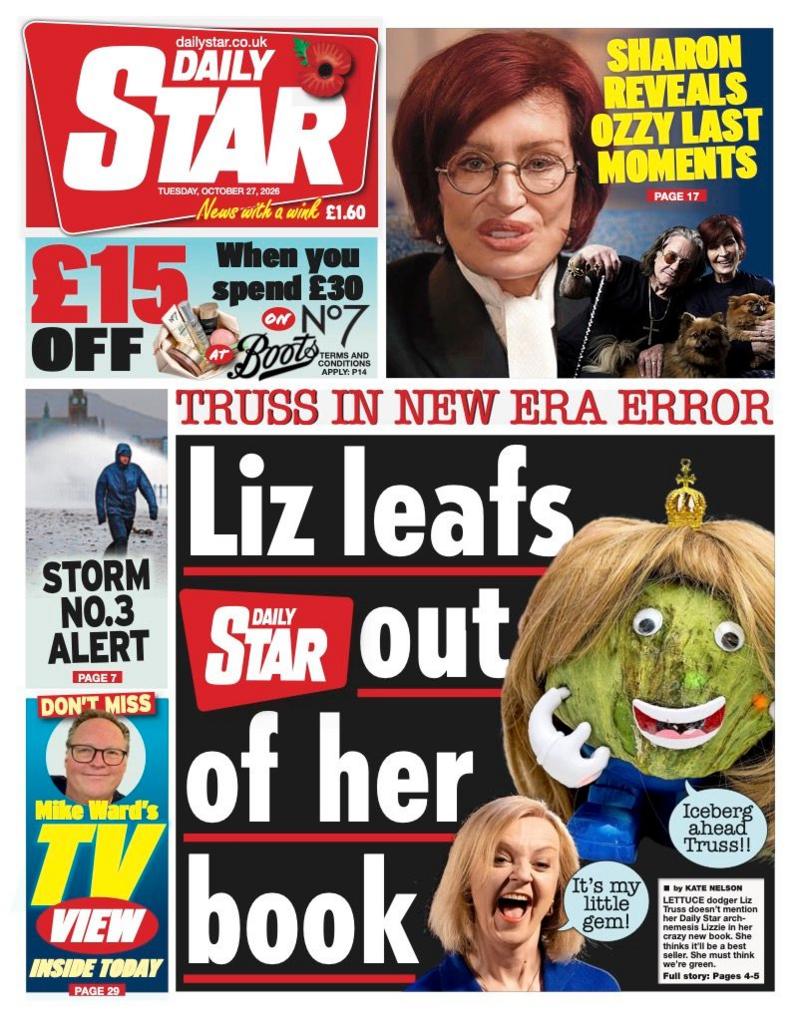
The Daily Star announced that former Prime Minister Liz Truss is releasing a new book. The paper noted with irony that the publication contains no reference to its own famous satirical commentary about an iceberg lettuce and the brevity of Truss's time in office.
What other policy areas are under scrutiny?
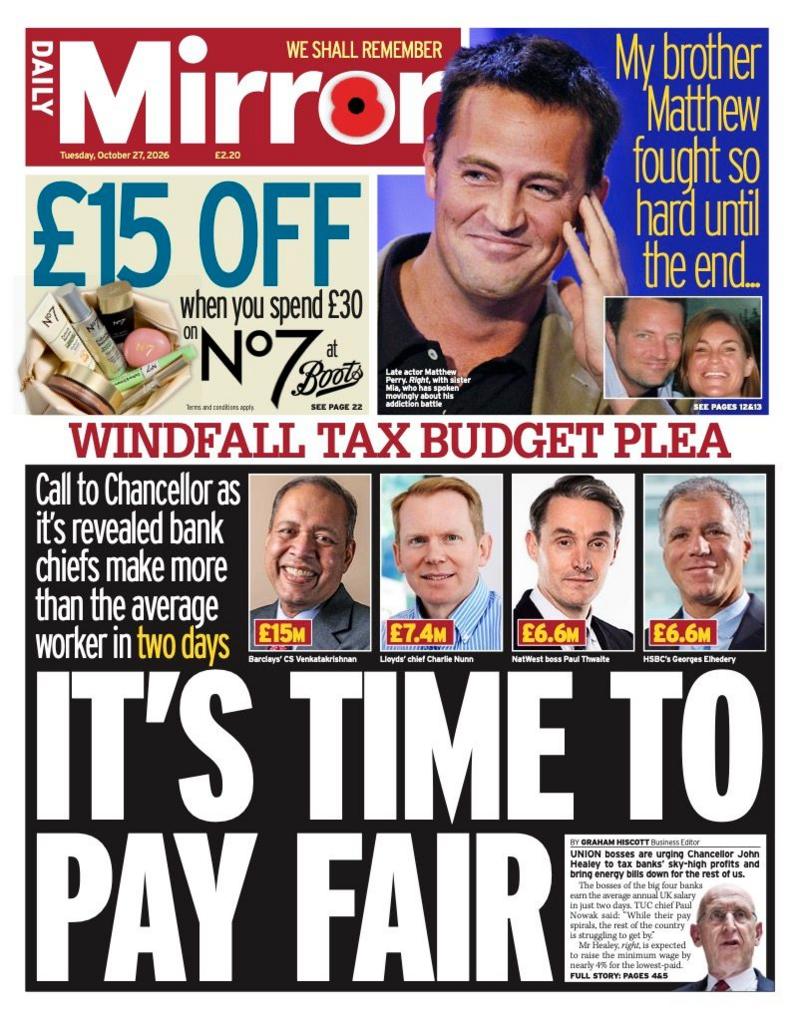
The Daily Mirror highlighted trade union calls for increased taxation on banks, noting that executives at Britain's four largest banks earn in two days what typical workers make in an entire year. However, the Daily Mail countered that raising bank taxes would be counterproductive, arguing that banks, despite their faults, drive economic growth and that higher taxation would harm corporations and small and medium-sized enterprises throughout the country.
The Daily Telegraph reported that guidance has been issued to teachers to help identify essays written using artificial intelligence tools. The document lists dozens of words, phrases and stylistic features—including terms such as
delve,
catalyst, and
in conclusion—which could indicate frequent use of AI writing tools.

What happens next?
Chancellor John Healey is scheduled to deliver the Budget in the House of Commons on Wednesday, October 28, 2026. The announcement will formally confirm the wage increases, welfare reforms and spending commitments that newspapers have been previewing.