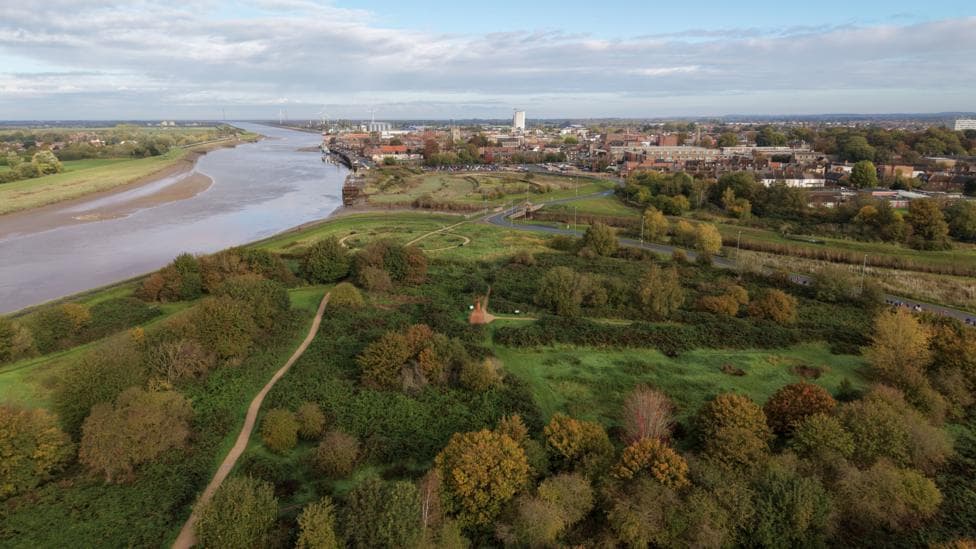
Campaigners celebrating a major victory have secured village green status for Harding's Pits, a seven-acre site beside the River Great Ouse in King's Lynn that had previously faced development proposals for housing and retail use. The Borough Council of King's Lynn and West Norfolk applied to Norfolk County Council for the designation, which was approved at the Planning (Regulatory) Committee meeting on 20 October 2026. According to BBC News, the Harding's Pits Community Association Group has pursued this outcome for three decades.
Rick Morrish, 64, director of the community group, described the decision as a watershed moment after years of sustained effort.
"This is a really great decision... we've struggled to get the village green status for 30 years,"he said. The protection now gives the community legal rights to use the land for lawful sports and pastimes, according to local reporting, and these rights remain even if ownership of the site changes in future.
The registered area encompasses not only Harding's Pits itself but also Beuys' Acorns and the South Lynn Community Orchard, as confirmed by regional coverage. The council's newly adopted Local Plan removed the previous development allocation that had threatened the land now forming Beuys' Acorns Oak Circle, clearing a major obstacle to protection.
The Harding's Pits Community Association Group was established in 2004, though the site's history extends much further back. Morrish explained that the green space originated as a clay pit during the 19th century before being used as a landfill site.
"There is actually rubbish underneath the site,"he noted. The area was transformed into a public space in the early 1960s, and has since evolved into a valued community asset.
Morrish told BBC Radio Norfolk that the current administration at the borough council had been instrumental in achieving the outcome.
"This year's administration got right behind" the cause and it would "give more legal status to protect the site... we're safeguarding it as a public open space","he said.
What makes Harding's Pits significant for the local area?
The site serves multiple purposes for residents and visitors. People use it for dog walking, as a route to King's Lynn town centre, for foraging activities such as picking blackberries, and for observing birds and wildlife. Morrish reported that
"a hundred species of birds"have been recorded at Harding's Pits, and the site is home to
"three or four regular reptile residents, including a lot of lizards"who have thrived in the warm conditions.
"Within the town, this is quite a rare asset to have and that's why we think it's so important,"he added.
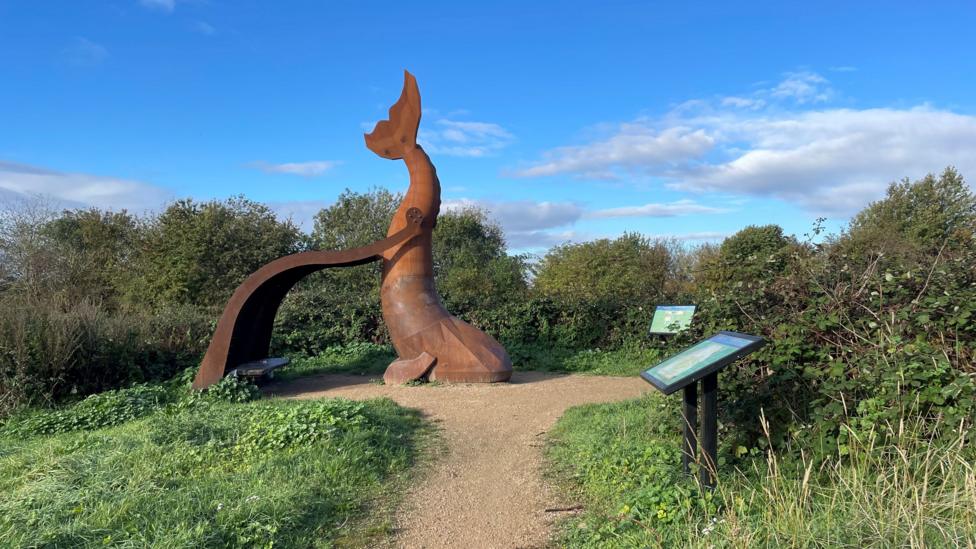
Over recent years, the site has expanded its community value through new initiatives. A community orchard has been established, and a national art project has introduced a circle of oak trees planted by artists. These developments reflect growing investment in the space as a hub for both nature and culture.
Who led the campaign to protect the site?
Alexandra Kemp, an Independent councillor at the borough council, has been a prominent figure in the protection effort. She organised nine public events in favour of keeping Harding's Pits as a natural space.
"After the long campaign that we fought since 2017 with residents to stop the Borough Council of King's Lynn and West Norfolk putting traffic on Harding's Way, the borough council's support is very important and now protects all of Harding's Pits west of Harding's Way,"she said.
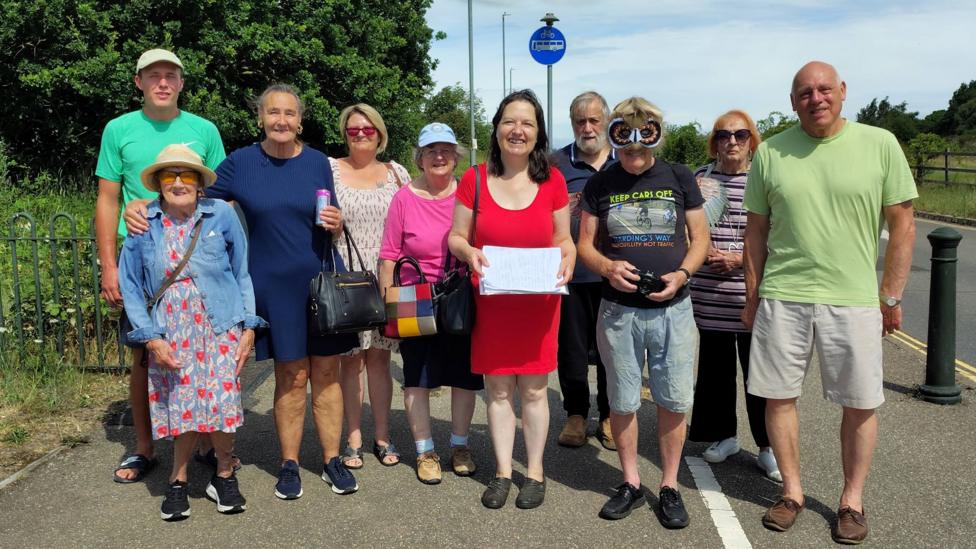
Kemp also led resident opposition in July against a proposed car park that the borough council had sought to build adjacent to Harding's Pits. Her sustained advocacy, combined with community mobilisation, helped shift the council's position from development-focused to conservation-focused.
What does the council say about the decision?
Michael de Whalley, the cabinet member for climate change and biodiversity on the Borough Council of King's Lynn and West Norfolk, welcomed the outcome.
"This is very welcome news for South Lynn and an important final step in a journey that the community has been pursuing for at least 30 years,"he said. He emphasised that local people valued and enjoyed places such as Harding's Pits and surrounding green spaces, where natural habitats could flourish.
The decision reflects a broader shift in how councils are approaching green space protection. Campaign groups across England are fighting development proposals on green belt land, citing infrastructure pressures and the permanent loss of countryside. The Harding's Pits outcome demonstrates how sustained community action, combined with supportive local government, can reverse development threats and secure lasting protection.
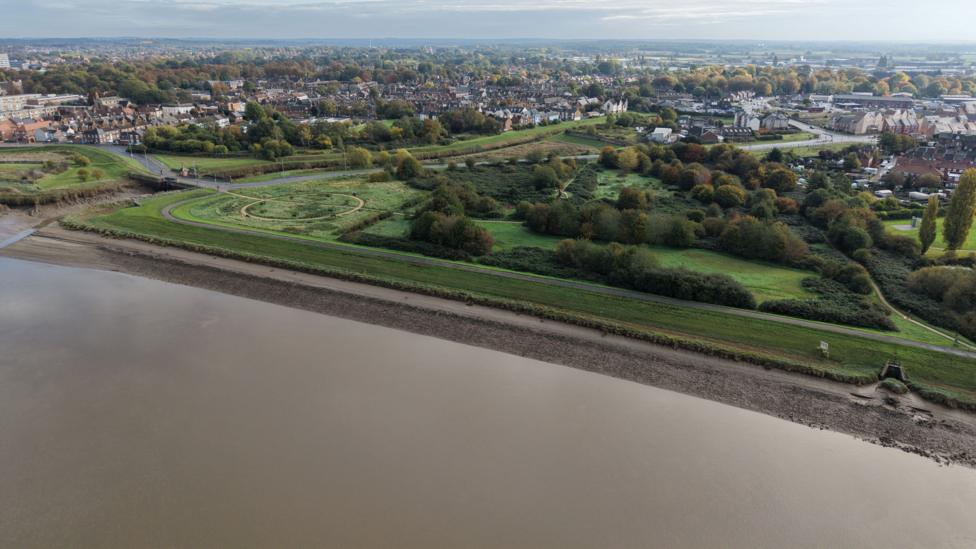
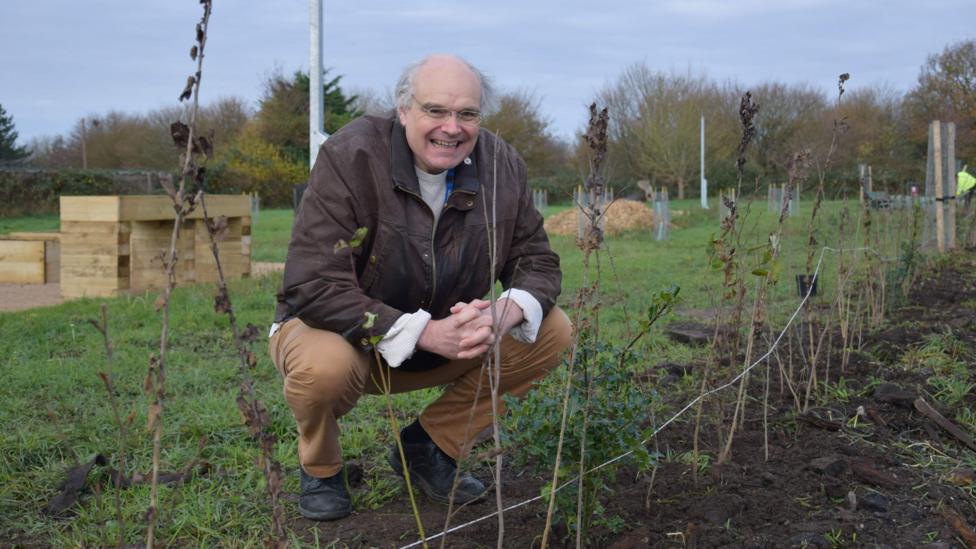
The site's journey from industrial use through landfill to valued public space illustrates the potential for urban land recovery. The early investment in the Doorstep Green from 2004, which included a £100,000 Countryside Agency grant and saw volunteers plant more than 400 trees in December that year, laid the foundation for the ecological and recreational value the site now provides. Previous campaigns, including opposition to a proposed supermarket in the 1990s that was eventually abandoned, demonstrated the community's long-standing commitment to preservation.
The village green status now provides legal certainty that Harding's Pits will remain available for community use and wildlife habitat, securing the outcome that three decades of campaigning has pursued.