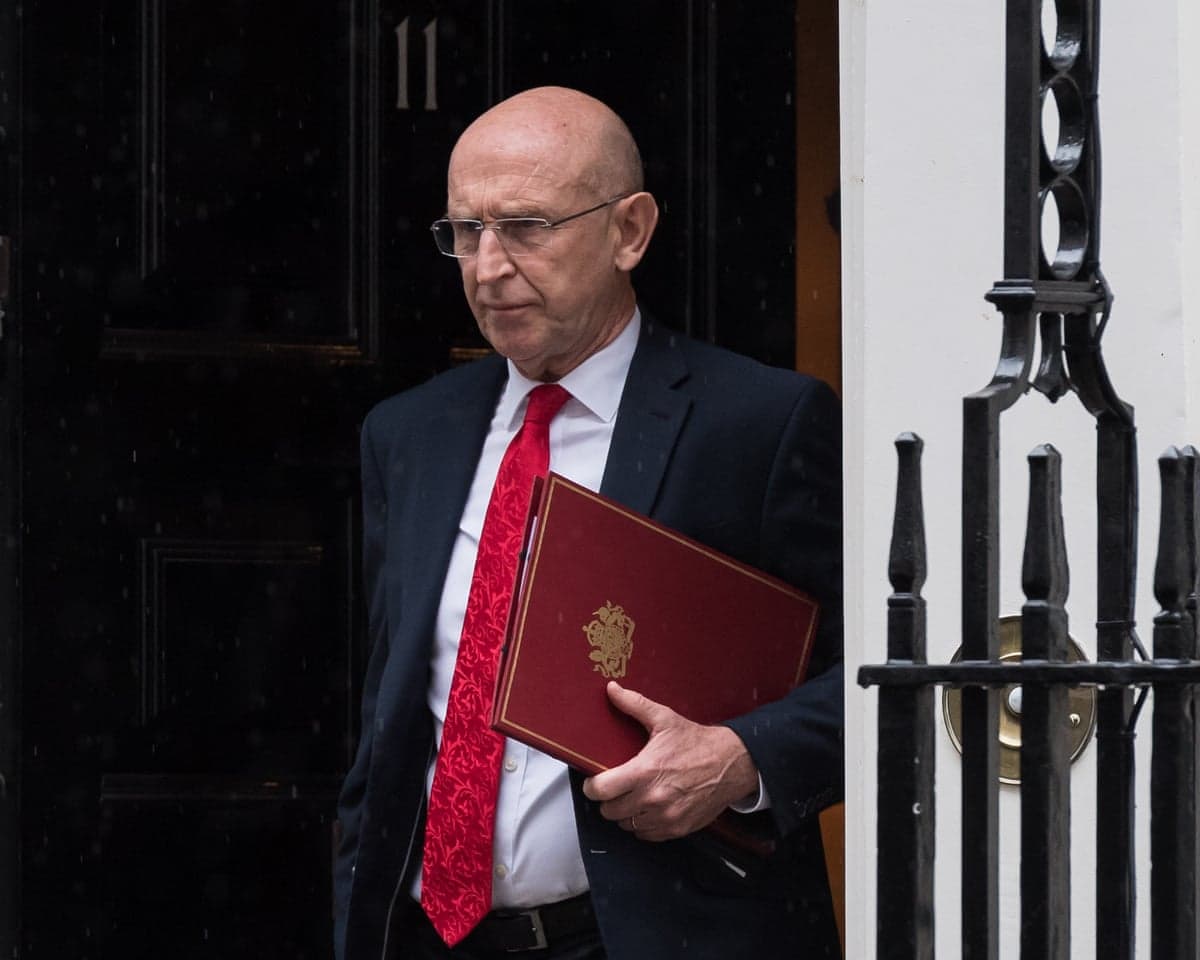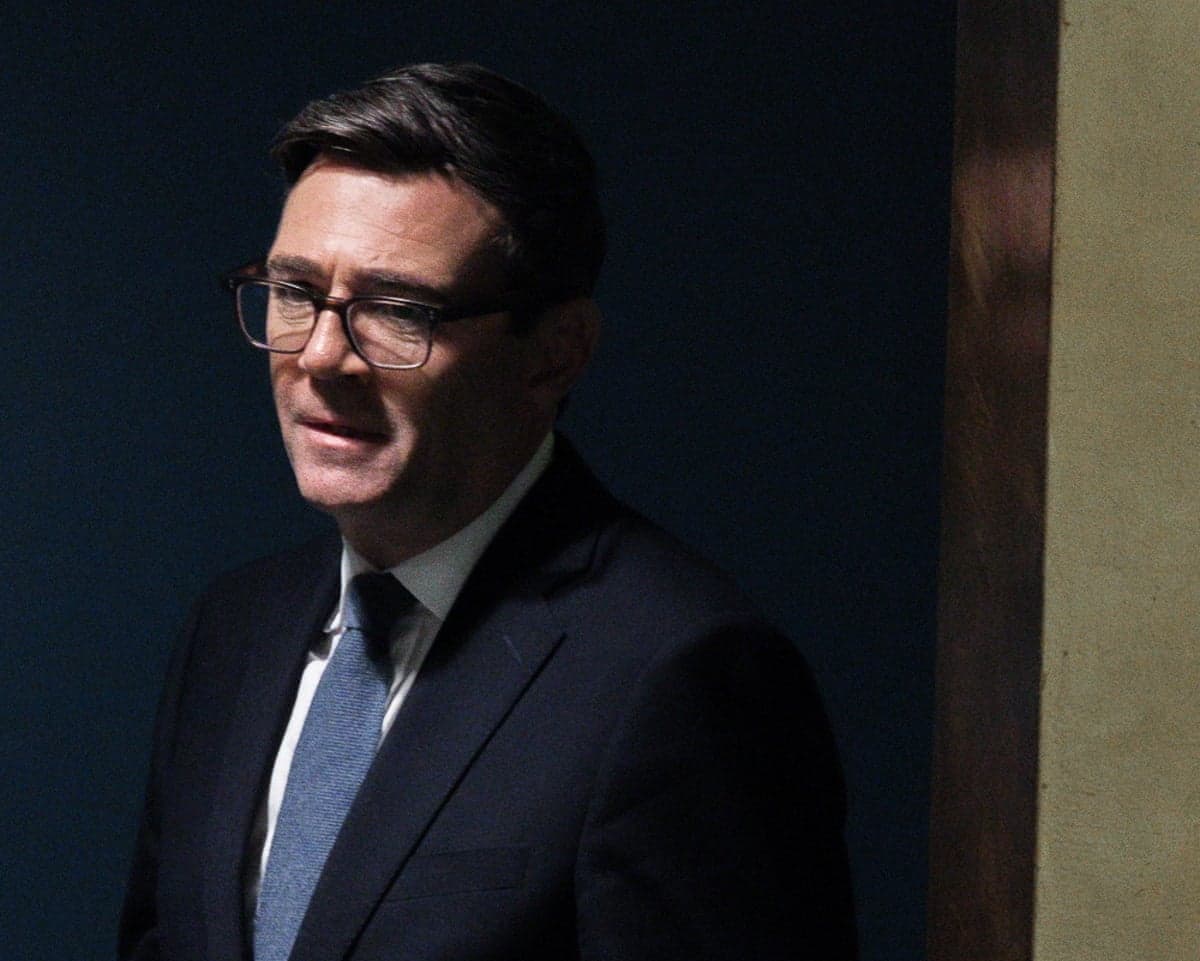
Prime Minister Andy Burnham has definitively rejected speculation that Labour's recent polling recovery could prompt him to call a snap general election, insisting instead that the next contest will take place in 2029 as scheduled.
During a series of broadcast interviews with regional media outlets on Friday, Burnham faced repeated questioning about the possibility of an early poll. He initially stated he was "not particularly" tempted by the prospect, but subsequently hardened his position, declaring he would "knock that dead" and emphasizing his commitment to the job rather than pursuing what he characterized as self-serving politics. When asked directly by BBC West political editor Paul Barltrop whether he was tempted to call an early poll, Burnham replied:
No, not particularly. No, I'm not. I see all the speculation and it just races ahead. No election anytime soon. I'm focused on the job as prime minister, doing what I said I would do.
When pressed further by BBC East Midlands political editor Peter Saull about whether there would be a general election in May alongside council elections, Burnham responded with a firm "no" before adding: "Not having a general election." He emphasized that his priorities lay elsewhere, stating:
The focus is on that, helping people with the cost of living, helping businesses with the cost of running a business. These have got to be the priorities right now, rather than throwing the country into a backward-looking process where we're arguing again amongst ourselves.
Burnham's firm denial comes after a week of intensifying chatter about an early contest, prompted by polling data showing Labour pulling into the lead with support in the low 20s, while the Conservatives and Reform UK remained locked in close competition several points behind. Westminster sources indicated that Downing Street advisers and MPs had been privately weighing the advantages of an early poll, though even with the right-wing vote split, Labour risked losing its parliamentary majority and being forced into a coalition arrangement.
However, according to reports of internal Labour discussions, some of Burnham's advisers have been pushing for a spring election as an opportunity to secure a fresh mandate for his programme, rather than waiting until 2029. Additionally, coverage indicates that Labour's by-election efforts, including the Holborn and St Pancras contest, are being treated by some party figures as a test run for the possibility of an early election.
The speculation intensified further when it emerged that Ravinder Athwal, the economist who authored Labour's 2024 manifesto, is taking on a senior advisory role to strengthen the Prime Minister's team ahead of the budget. Athwal, a Cambridge economics graduate who devised Keir Starmer's five "missions" intended to shape Labour's governing approach, was recruited from the business advisory group Flint Global—previously led by Burnham's chief of staff, former Blair-era cabinet minister James Purnell. This appointment fuelled suggestions that party preparations for a campaign were accelerating.
All three major parties have stepped up their campaign readiness since Burnham assumed office in the summer, replacing Keir Starmer. The shift reflects awareness that the new Prime Minister could potentially capitalize on his initial popularity boost. Yet Burnham has consistently ruled out an early election both before and after taking office, and his Friday remarks reinforced that position with unusual emphasis.
What do the latest polls show?
Recent polling data has provided Labour with grounds for optimism about its electoral prospects. An MRP survey of more than 8,000 voters, reported this week, demonstrated a modest recovery in the party's standing since Burnham took over. According to one YouGuy constituency-level analysis, Reform would finish in third place if an election were held immediately, securing 123 seats compared to the Conservatives' 130.

The previously unreleased research, which included a seat-by-seat MRP model conducted by Survation and the progressive activist site 38 Degrees during Burnham's first month as Prime Minister, revealed that twice as many voters have returned to Labour from the left as from the right since April. The data suggested that progressive voters could push Reform UK into fourth place and bring Labour within striking distance of an outright majority if tactical voting became widespread. Burnham appears to be attracting a significant cohort of left-leaning voters motivated by a desire to prevent Nigel Farage and the Reform movement from gaining influence.
Labour has been projected to lose its majority but remain the largest party in the House of Commons if there was a snap election, according to recent polling.
What is Burnham's immediate focus?
Rather than contemplating an early election, Burnham has stressed that his attention is directed toward Labour's autumn conference and the government's legislative agenda. A major theme of his conference speech will centre on unveiling further details of a new model for the water industry designed to increase public control and reduce costs to consumers.
Speaking to BBC South, Burnham outlined his vision:
As we go into the Labour conference, we will set out more thinking about the change that we need to see in the running of water across the country. But it is clear to me that what we've had in the last 30 years is nowhere near good enough and is actually letting the public pay.
Burnham also said he wants to use the conference to communicate "the direction I want to take the country in", adding that he hopes to ensure people are "feeling a bit of hope in their lives again". He expressed a desire to move forward with his agenda "rather than putting people back into an election cycle".
Labour members have been energized by Burnham's takeover, which has produced a modest recovery in party popularity heading into the Liverpool conference. This recovery has encouraged some within the party to consider gambling on an early election while Reform's ratings are declining and left-wing parties such as the Greens appear to be losing momentum.
What happens next?
Burnham's promised 10-year plan for public services is expected to be published in November. According to reporting on internal party discussions, some figures including TUC leader Paul Nowak have suggested that Burnham might seek a fresh mandate after publishing this comprehensive public services plan. However, the Prime Minister's repeated and emphatic denials suggest such speculation, however persistent, will not translate into action before 2029.
The autumn conference in Liverpool, which opens on Sunday, and the government's budget preparations represent the next major political tests for Burnham's administration. His determination to focus on delivery rather than electoral advantage reflects a deliberate strategy to distinguish his leadership from his predecessor's approach and to rebuild public trust in Labour's commitment to governing competently.