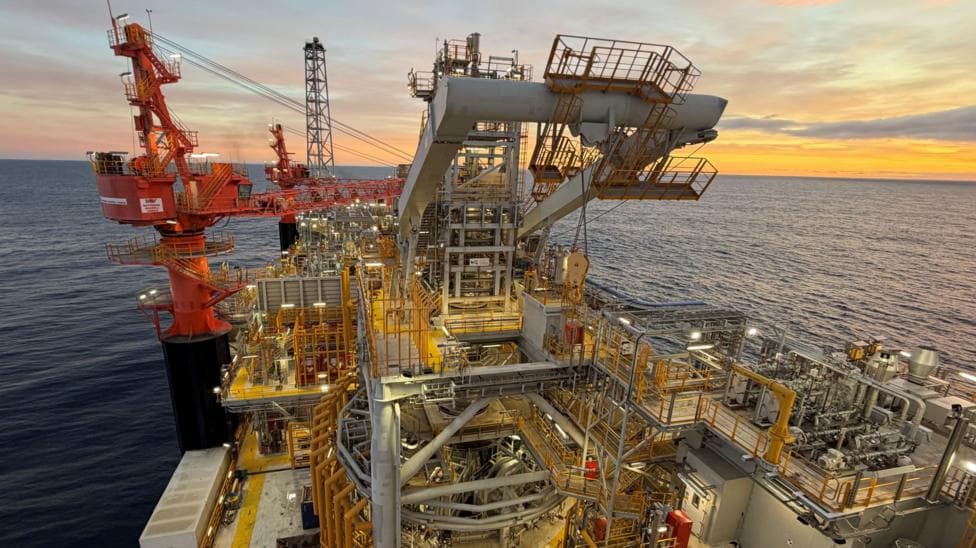
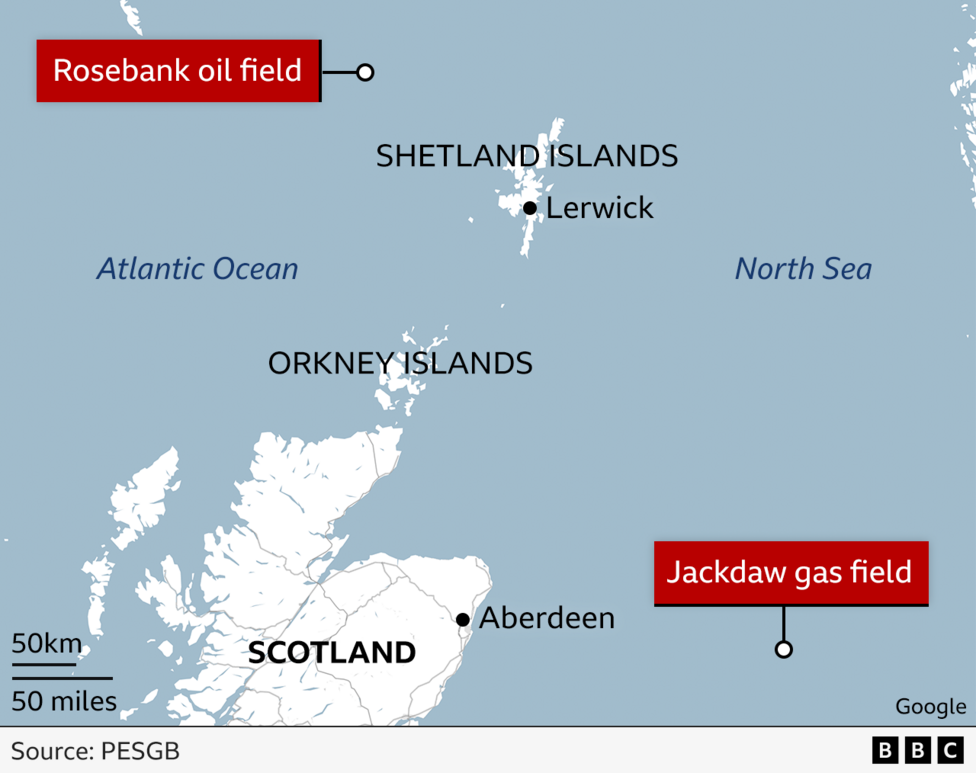
A helicopter descent through North Atlantic weather brought us to the Petrojarl Rosebank, a floating production vessel at the centre of Britain's most contentious energy debate. We arrived on a Wednesday morning, just hours after the UK government had approved gas production from the nearby Jackdaw field – and already the spotlight was turning to this larger, more lucrative, and more environmentally contested project. According to BBC News, Rosebank would generate higher greenhouse gas emissions than Jackdaw and could prove far more profitable for its owners, Adura and Ithaca.
The decision on Rosebank now rests with Energy Secretary Miatta Fahnbulleh, with sources indicating a ruling was expected before the end of the year. However, the North Sea Transition Authority granted development and production consent for Rosebank on 23 October 2026, accepting the project's Environmental Statement and allowing owners Equinor and Ithaca Energy to proceed with the approved field development plan.
We were the first journalists permitted to visit the installation, 80 miles north-west of Shetland, to examine a project that sits at the intersection of climate policy, energy security and economic ambition. This summer, alongside a camera crew, we travelled to the vessel – days before Storm Boelo arrived with severe winds and heavy rain – to document both the technical achievement and the human reality of offshore oil and gas work.
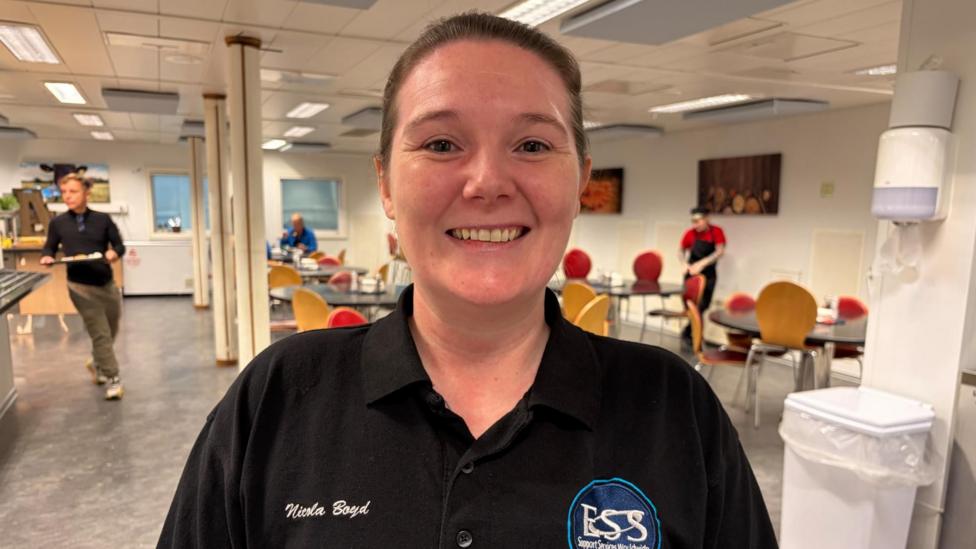
Nicola Boyd, who manages the helideck, greeted us as we struggled free from lifejackets and survival suits.
It's good fun, it's interesting, every day can change,she said. Boyd has spent nearly a decade working offshore, including a year on Rosebank where she works two-week rotations followed by three weeks ashore.
It's a job I love,she added.
What makes this installation unique?
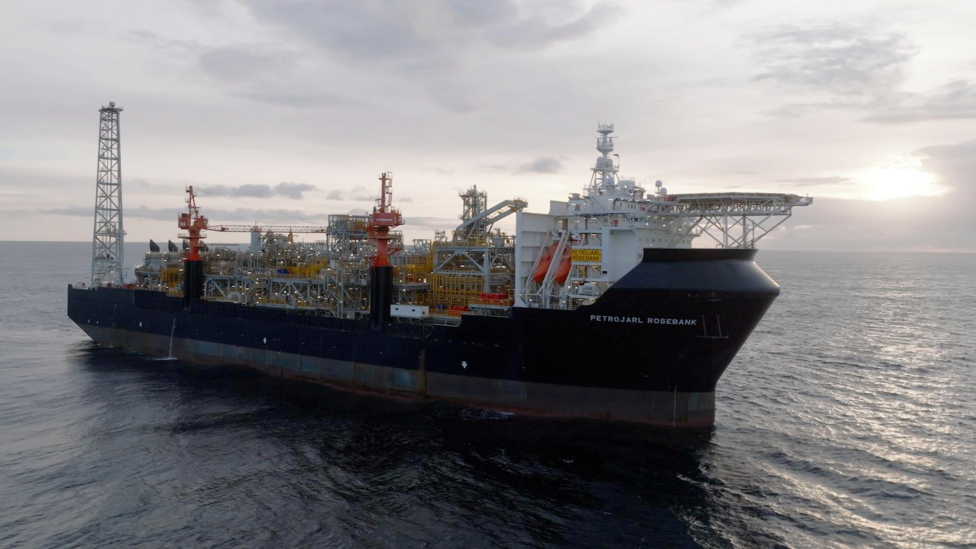
Unlike the fixed Jackdaw platform, the Petrojarl Rosebank is a large ship – a floating production, storage and offloading vessel (FPSO) – chartered from Aberdeen-based Altera. During 48 hours on board, the vessel was in constant but gentle motion on the North Atlantic swell. The installation rotates around a fixed central point called the turret to face into the weather, making conditions more manageable for the 122 people on board.
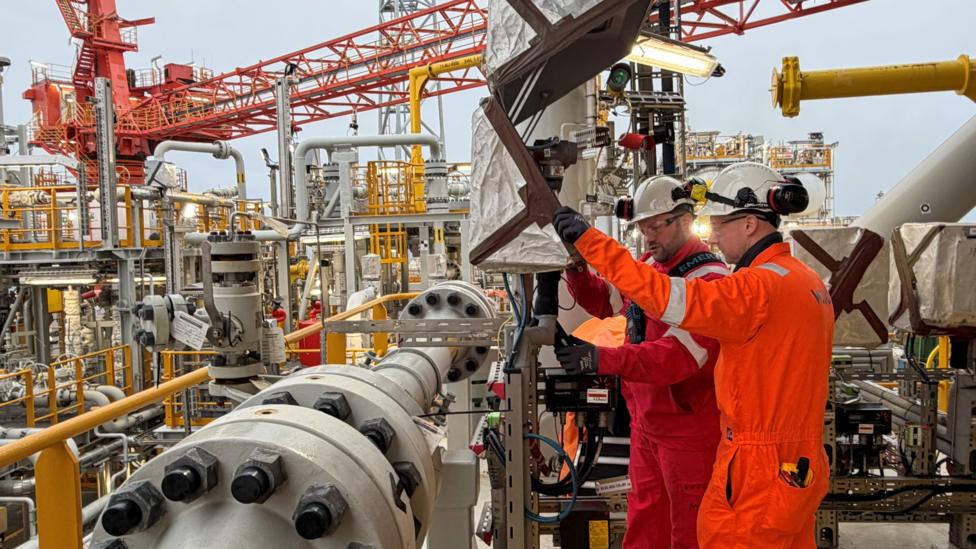
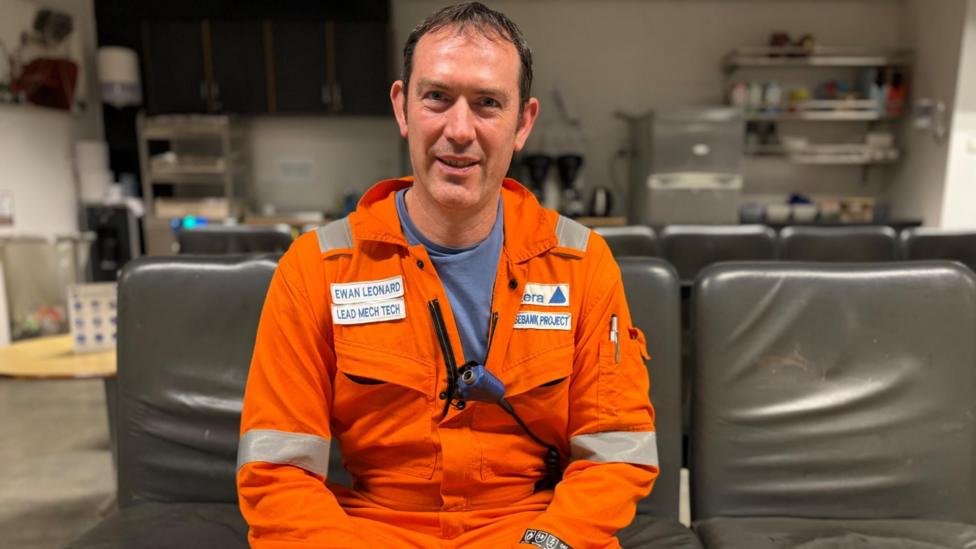
The environment in which this vessel operates is among the most demanding on Earth. Ewan Leonard, the lead mechanical technician, described winter conditions with characteristic understatement as
a bit of a challenge.
Last week we had a 30m heave coming through,he explained, referring to the swell,
so we'll probably suffer more of that as the winter goes on.Chris Brett, chief executive of Altera, told us that in the industry, the waters west of Shetland are regarded as
as harsh as you get anywhere in the world.
What are working conditions like on board?
The jobs are well-paid and the facilities are excellent, according to those we interviewed. Leonard highlighted the accommodation and amenities:
We have single-man cabins, there's good gym facilities, there's a lot of rec rooms here.Douglas Hogge, a production supervisor overseeing safe oil and gas extraction, agreed, noting
there's the gym, the sauna,and
you can obviously go and get some fresh air. There's plenty of fresh air out there.
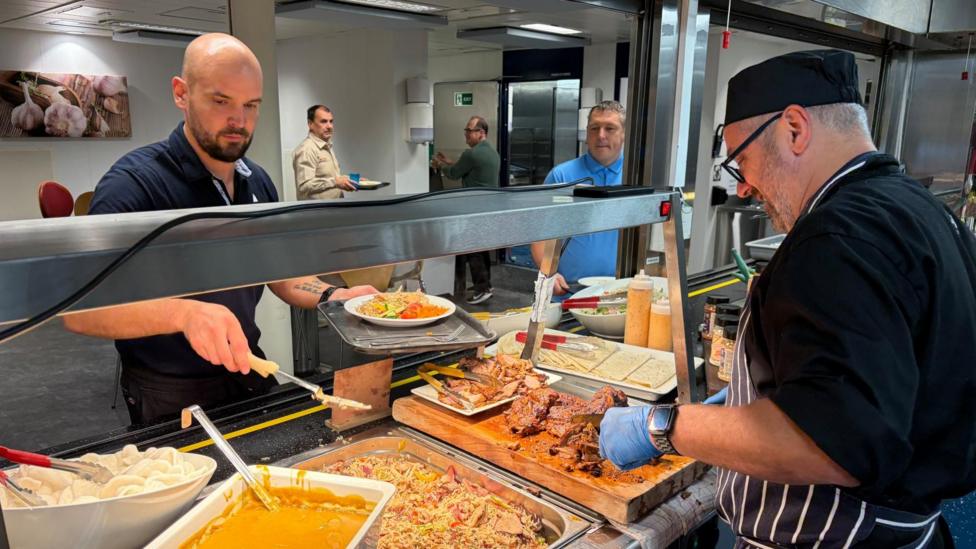
Food on the vessel earned universal praise.
As you've seen yourself, the food is fantastic on board, so no complaints,Leonard said. The talented chefs prepare elaborate meals throughout the day and night, from braised ox cheek to mackerel to pork loin. The night shift begins with an unusual breakfast of fillet steak and chocolate brownie pudding.
What does the physical infrastructure look like?
As dusk falls and the night shift prepares for work, the vessel begins to glow against the darkening sky. The decks are a bewildering array of pipes, valves and bright yellow steelwork – a testament to the engineering complexity required to extract hydrocarbons from the seabed hundreds of metres below.
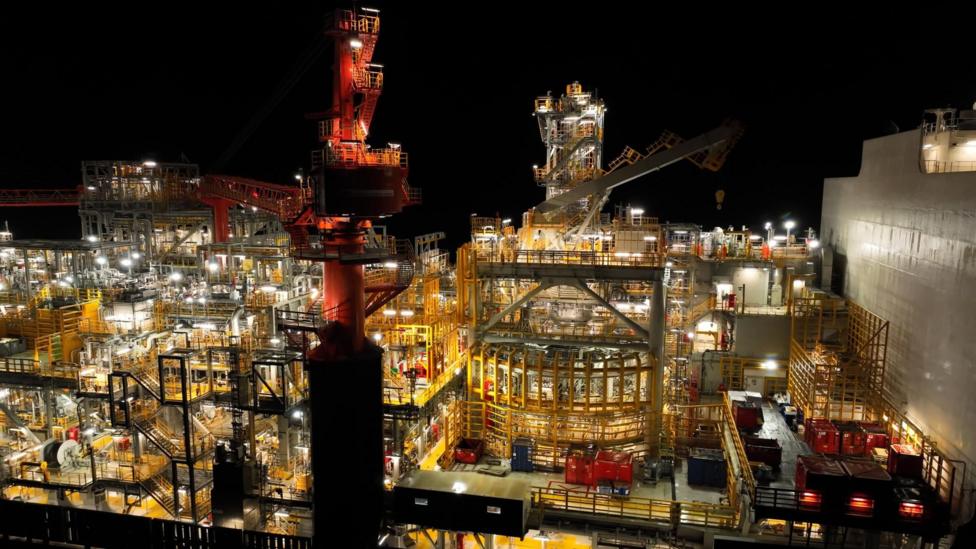
If production is approved, oil and gas will be pumped upward through the turret from wells in the field below. The Rosebank field contains an estimated 300 million to 500 million barrels – enough for perhaps 25 years of production.
For myself and a lot of the guys, that would see us out to retirement,said Hogge.
We need to see this approved,he added.
What is the environmental and legal history?
Environmental campaigners have opposed Rosebank for years with some success. In January 2025, Scotland's Court of Session ruled the earlier Rosebank and Jackdaw approvals unlawful because they did not account for emissions from burning the extracted oil and gas. The judge, Lord Ericht, permitted the developers to continue preparatory work but required more detailed environmental assessments before production could begin.
This ruling followed the UK Supreme Court's June 2024 decision in the Finch case, which established that environmental assessments for fossil-fuel projects must consider emissions from the eventual use of extracted fuels. The original consent for Rosebank was granted under the Conservative government in 2023.
What do campaigners argue?
Tessa Khan, executive director of the campaigning group Uplift, stated
The future of the energy sector in the UK is renewable energy.She argued that
We think Rosebank would be a disastrous decision and a terrible deal for ordinary people across this country,urging Prime Minister Andy Burnham to prioritise renewables in his industrial strategy.
If the government's interested in building investor confidence, giving the green light to a major new oil field is going to do the opposite,she contended.
Khan warned that approving Rosebank would exacerbate the deadly and damaging impacts of climate change for British teachers, nurses, firefighters and families, while generating
huge profits for companies that are already incredibly profitable.
What do project supporters argue?
Neil McCulloch, chief executive of Adura – which owns 80 per cent of Rosebank as a joint venture between Shell and the Norwegian state energy firm Equinor – takes a different view. He emphasises that Rosebank contains not just oil but gas which would be piped to Shetland and on to the St Fergus terminal in Aberdeenshire. At peak production, this gas could heat 500,000 British homes.
Opponents contend that oil from Rosebank would be loaded onto tankers via a gigantic hose and nozzle – resembling an oversized floating filling station pump – and sold on the international market, most likely to continental Europe for refining. This, they argue, proves the project benefits the UK little and should be rejected. Supporters counter that UK and European energy markets are co-dependent and that Rosebank will generate millions in tax for the Treasury.
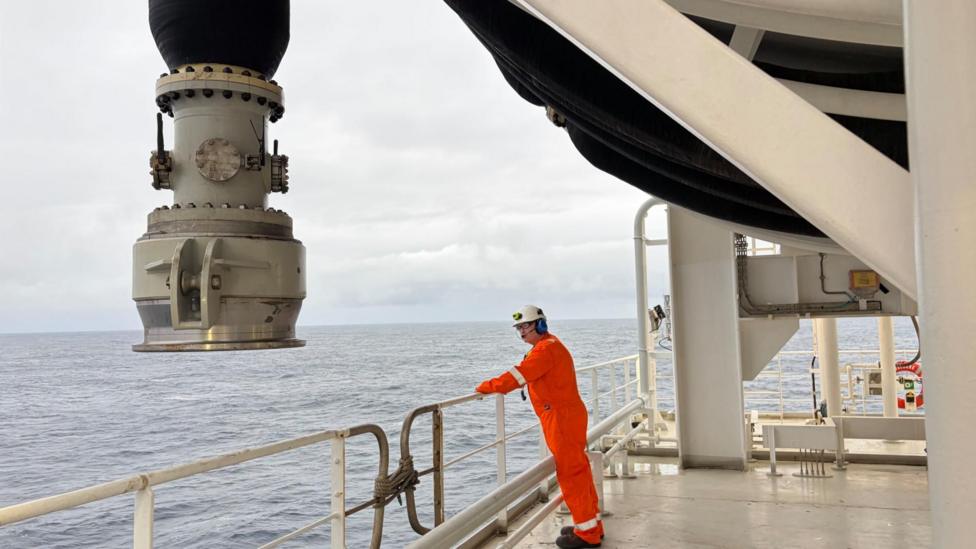
McCulloch points out that approval of Rosebank could pave the way for four more Jackdaw-sized gas developments in the waters west of Shetland – Tornado, Tornado East, Tobermory and Suilven.
We would like to proceed with them,he said. A surge in fossil fuel production if Rosebank is approved is precisely what campaigners fear most.
What is the broader industry context?
Whatever the outcome of the Rosebank decision, the long-term trajectory for the North Sea oil and gas industry is one of decline. Oil production peaked a quarter of a century ago, and in recent years jobs in oil and gas have been disappearing much faster than they are being created in renewable energy sectors such as wind and solar power.
What is life like for workers caught in the uncertainty?
There is a strange mood at Rosebank. The decision in favour of Jackdaw has encouraged many on board but has also highlighted the jeopardy they face. Most workers we spoke to said they were simply focusing on their jobs, with their unusual rhythms and restrictions – no ability to visit shops, no alcohol, many special occasions missed with family.
For steward Liam Davidson, the end of his fortnight on board means reunion with his French bulldog, Bailey, waiting at the heliport.
My wee dog's at the heliport when I arrive,he said,
I do miss her.For Nicola Boyd, it means her double bed and a pizza delivery.
I love seeing the family, but for me, it's the pizza,she told us.
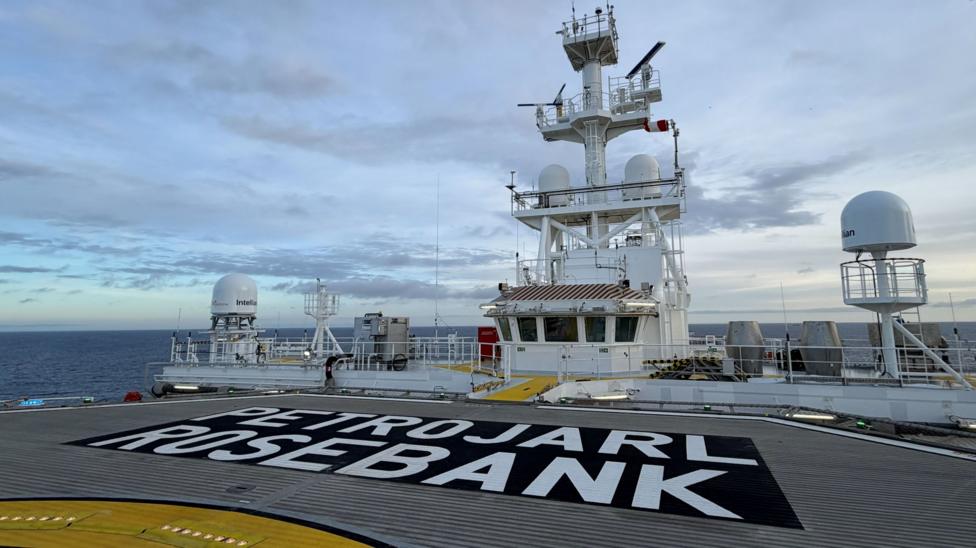
But this time there might be a delay in delivering Boyd herself. She was coming to the end of her fortnight when the Met Office issued an amber weather warning for much of Scotland. For Rosebank, stormy seas lay ahead – one way or another.
What happens next?
The NSTA's consent allows the owners to proceed with the approved field development plan, with the project's stated first-production target of 2026–27. The Petrojarl Rosebank FPSO reached the field location in May 2026, positioning the installation for the next phase of development.
The public consultation on the disputed Rosebank oil field closed on 17 August 2026, leaving the final decision in the hands of ministers as campaigners and industry continue to clash over climate impact and jobs. The outcome will shape not only the future of this single installation but potentially the trajectory of North Sea oil and gas development for years to come.