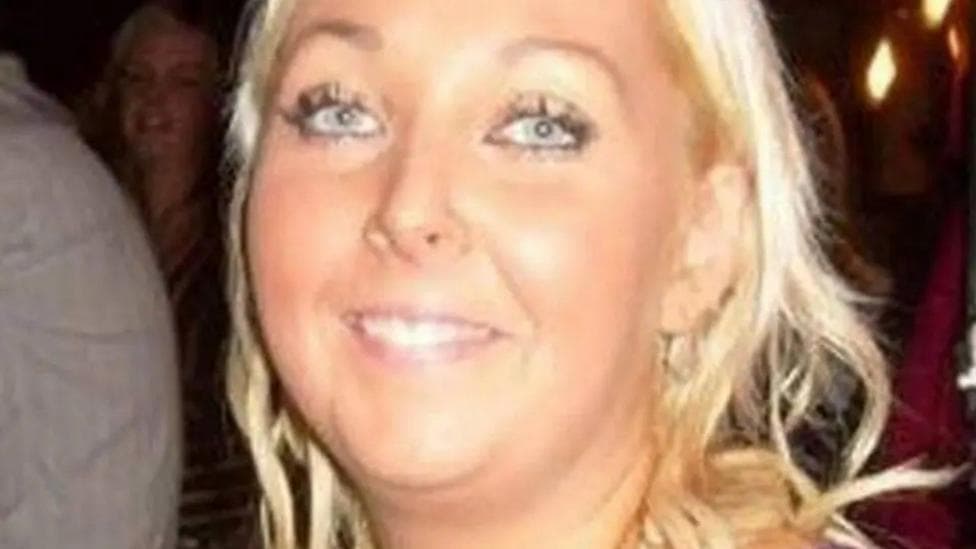
The body of Laura Marshall, a 31-year-old woman from Lurgan, was discovered in an overflowing bath at her home on Victoria Street in April 2016 by a maintenance worker who had been called to investigate a water leak affecting other residents in the block of flats. An inquest into her death opened on 8 October 2026 at Newry Courthouse, more than a decade after her death, with the coroner emphasising that the proceedings were not intended to attribute blame to any individual.
A man was initially arrested and charged with her murder but the case against him was later withdrawn. The inquest is now examining the circumstances surrounding her death, with evidence heard during the first day revealing details of how her body was discovered and the condition of the flat where she died.
How was the body discovered?
The maintenance man was called to the block of flats after another resident complained that water was pouring through his ceiling. He attended the flat above where Marshall lived, and the resident from the flat below accompanied him to her property to investigate the source of the leak.
Upon arrival at Marshall's flat, the maintenance worker found the front door lock was loose and he was able to force it open. He called out her name but received no answer. The flat was in darkness, so he used a torch to navigate inside. He immediately noticed the hall floor mat was sodden and observed that the bathroom door handle was lying on the floor in the hall, with the spindle no longer in the lock.
Unable to open the bathroom door initially, the maintenance man returned to his van to retrieve a screwdriver. This tool allowed him to unlock the door, which had a childproof button mechanism. When he opened the door a few inches and shone his torch inside, he saw Marshall lying face down in the bath, naked. The taps were still running. He noticed bruising on her shoulder and observed that the sink had been smashed into pieces on the floor, with blood also visible on the bathroom floor. He immediately reported the discovery to police and was given permission to turn off the running taps during the call.
What injuries were found on the body?
A detective sergeant from the Police Service of Northern Ireland (PSNI) who was among the first officers to arrive at the scene provided evidence describing the bathroom. He noted a circular bruise on Marshall's forehead and bruising on her arm. He also observed congealed blood at a level higher than the water in the bath.
According to the initial post-mortem examination, Marshall had sustained a circular bruise in the centre of her forehead and a deep gash of approximately eight centimetres along her forearm. A pathologist, Jack Crane, considered drowning the cause of death and indicated that the injuries were more likely to have resulted from an assault than an accident, though the inquest heard that experts differ on the precise cause and circumstances of her death.
What was the initial police assessment?
The detective sergeant told the court that he assessed the death as suspicious and that it bore the "hallmarks of a domestic violence-related murder." In his initial assessment of the scene, he believed that Marshall had taken refuge in the bathroom and that a violent assault had taken place there, with the assault culminating in the victim being drowned in the bath. He described this as a working hypothesis rather than a definitive conclusion.
The officer also noted that both the sink had been smashed and that the inside door handle and spindle were found on the bathroom floor, consistent with damage to the door frame and bathroom door itself.
What was the background to the case?
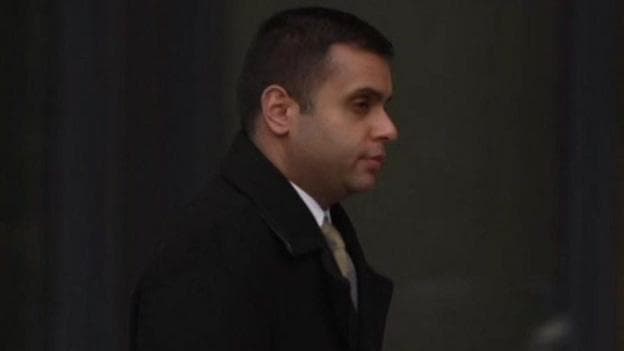
During the coroner's opening statement, it was revealed that Marshall had been living with Gary O'Dowd, aged 38 from Brookfield Avenue in Banbridge, at the property for a number of years. There had been multiple complaints of domestic violence involving O'Dowd. According to evidence heard at the inquest, weeks before Marshall's death, O'Dowd had been charged with assault and threats to kill, though Marshall had subsequently decided she wanted to drop those charges.
O'Dowd was arrested and charged with her murder in connection with her death. He denied any involvement. However, two years after his arrest, the Public Prosecution Service (PPS) decided to withdraw all charges against him and the case was dropped.
What forensic evidence was presented?
A forensic scientist gave evidence to the court regarding the condition of the flat. When questioned by a lawyer acting on behalf of Marshall's family, the scientist confirmed that both the door frame and the bathroom door had been damaged when he examined the scene. When asked whether it was possible to lock the bathroom door from the outside, he replied affirmatively.
What happens next?
The inquest is due to resume on Friday, 9 October 2026 and is expected to continue for at least the remainder of that week. According to reports on the proceedings, O'Dowd is expected to give evidence during the inquest. The inquest had been delayed for more than a decade before opening, with a preliminary hearing having heard that more than 200 hours of CCTV footage were among the evidence being prepared for the proceedings.