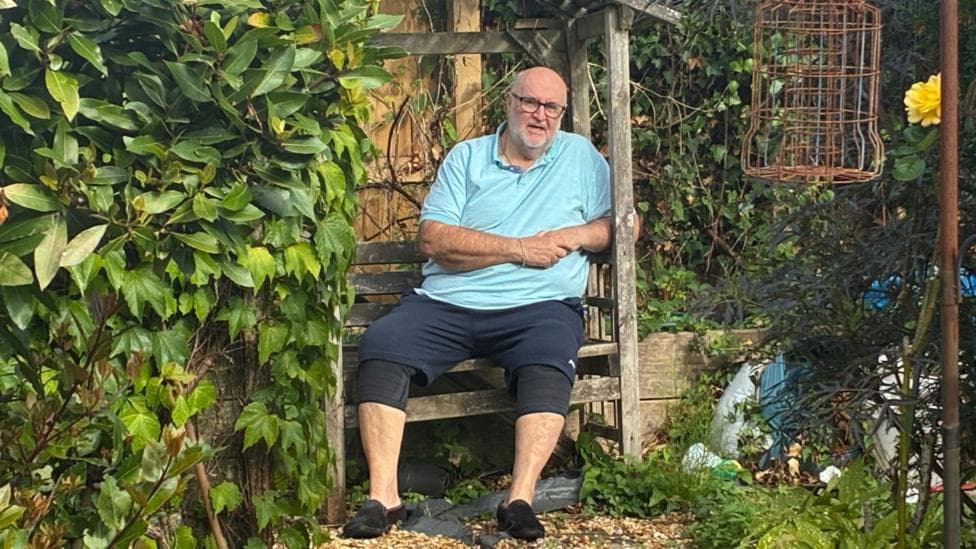
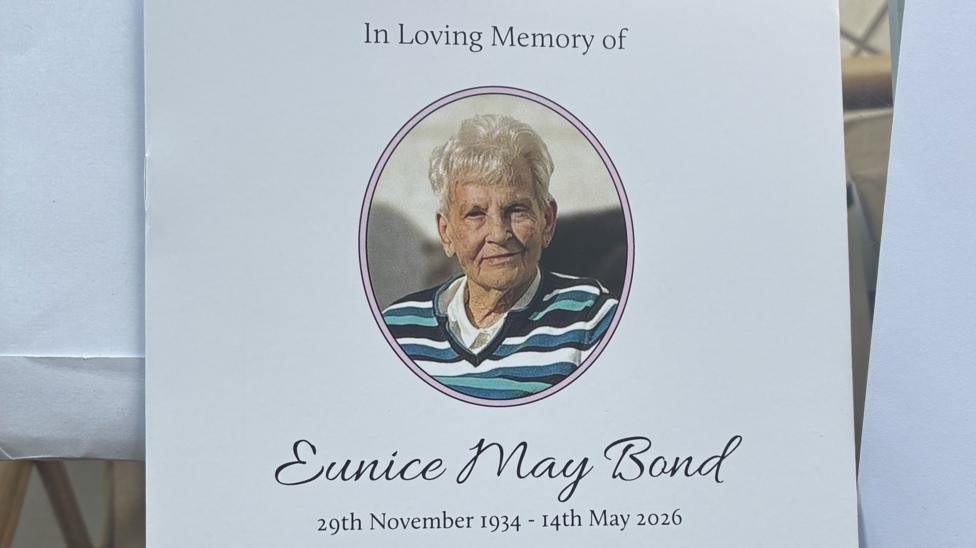
Phil Bond, aged 68, inherited his mother Eunice's house in Cardiff following her death in May at age 91, sharing ownership with his brother. Within weeks of her passing, the family received a council tax demand that shocked them: the property had been reclassified as a furnished second home, triggering a premium charge that nearly doubled their annual bill to over £4,000.
Bond described the charge as both a "penalty" and a "death tax", arguing that the timing felt particularly harsh during the immediate aftermath of bereavement. The premium exists under Welsh law, which permits local authorities to levy charges of up to 300% on furnished properties that are not someone's primary residence. In Cardiff specifically, a 100% premium applies to such dwellings.
The council's stated intention behind the premium is to incentivise the return of empty homes to active use, thereby expanding housing availability and fostering sustainable communities. However, Bond's experience raises questions about how this policy affects families navigating both grief and property inheritance simultaneously.
Why wasn't the property automatically exempted?
Cardiff Council confirmed that no council tax exemption is applied automatically when a resident dies. According to the council, exemptions exist but must be claimed or circumstances must be presented for consideration. When a person living alone passes away, their property may qualify for exemption if it remains unoccupied, though this protection does not activate without action from the property's new owner or administrator.
Bond was unaware of these exemptions initially and only discovered them after contacting local councillors. He eventually secured a partial exemption, reducing his liability to £544 for the period between May and August when the house remained furnished. However, he remains frustrated that the family faced any premium at all during what he describes as an unavoidable transition period.
What are the exemption rules?
According to Welsh Government guidance updated in June 2026, when a person who lived alone has died, their home may be exempt from council tax if it remains unoccupied. This exemption continues until probate or letters of administration are granted, unless that legal process extends beyond two years.
Once probate or letters of administration are granted, Cardiff Council's guidance indicates the exemption can continue for a further six months, provided the property remains unoccupied and has not been transferred or sold. If probate or letters of administration are not required, council tax becomes payable by the owner or occupier in the standard manner.
Additionally, properties classified as "substantially unfurnished" may qualify for exemption lasting up to six months. Dwellings that are "actively being marketed for sale" are exempt from the premium entirely and charged only the standard council tax rate for up to 12 months.

How did Bond's situation develop?
Bond explained that immediately following his mother's death, his focus was entirely on informing relatives and arranging the funeral.
"What I find amazing is the way it's set up, as if the council expects you to empty the house straightaway and then worry about the funeral after."He described the house as "the last thing on my mind" during those initial weeks.
Only after the funeral concluded and life began returning to normal did the family turn their attention to clearing the property in preparation for sale.
"Once the funeral is over and everything starts to come back to reasonably normal we then start to look to clear the house because we're going to sell it so we go through everything and then this bombshell drops."
Bond stressed that he did not object to paying council tax on his mother's property itself. His grievance centres solely on the additional premium charge, which he views as punitive given the circumstances.
"You can't tell me we're the first people that this has affected. Someone somewhere has ended up in the same situation."He characterised the family as being "penalised through no fault of ours".
What is the broader context?
The premium system reflects wider tensions across Wales regarding housing availability and second-home ownership. Previous reporting has documented how Wales's second-home debate affects families, housing affordability and communities, particularly in areas like Gwynedd and Pembrokeshire where locals struggle to purchase homes.
The regulations governing council tax discounts, disregards and exemptions were updated in January 2026, reflecting ongoing policy refinement in this area. UK government guidance explains that after a grant of probate or letters of administration, a further six months of exemption may be possible if the dwelling remains unoccupied and has not been transferred or sold.
What does Cardiff Council say?
A Cardiff Council spokesperson expressed sympathy for the family's loss and stated that the authority aims to inform residents of available council tax reductions and exemptions. The council reiterated that
"There is no council tax exemption that is applied automatically following the death of a resident."
The council outlined the conditions under which exemptions apply: when a person living alone dies and the property remains unoccupied, it may be exempt until probate or letters of administration are granted. That exemption can then continue for a further 12 months after the legal process concludes. For properties deemed "substantially unfurnished", exemption may last up to six months. Properties actively marketed for sale are charged only the standard council tax rate without premium for up to 12 months.
The council encouraged residents who believe they may qualify for a reduction or exemption to contact the authority so their individual circumstances can be assessed.
What happens next?
Residents in similar situations are advised to contact Cardiff Council promptly to discuss their circumstances and explore available exemptions. The key next step for families inheriting property is to understand the probate or letters of administration timeline, as exemptions are tied to the completion of these legal processes. Those actively preparing a property for sale should ensure the council is aware, as this status can exempt the property from premiums for up to 12 months.