The Green Party has acknowledged defeat in the Holborn and St Pancras byelection, conceding that they will finish in second place in a contest that was meant to replicate their breakthrough victory earlier this year. A party spokesperson stated:
It is clear now we will come a close second in this by-election. Taking the fight to Labour in one of its safest seats shows just how far the Greens have come. Voters want us to keep Labour's feet to the fire on affordable housing, public ownership of water and the climate crisis. Greens will be there every single day, holding Labour to account and demanding the change people voted for.
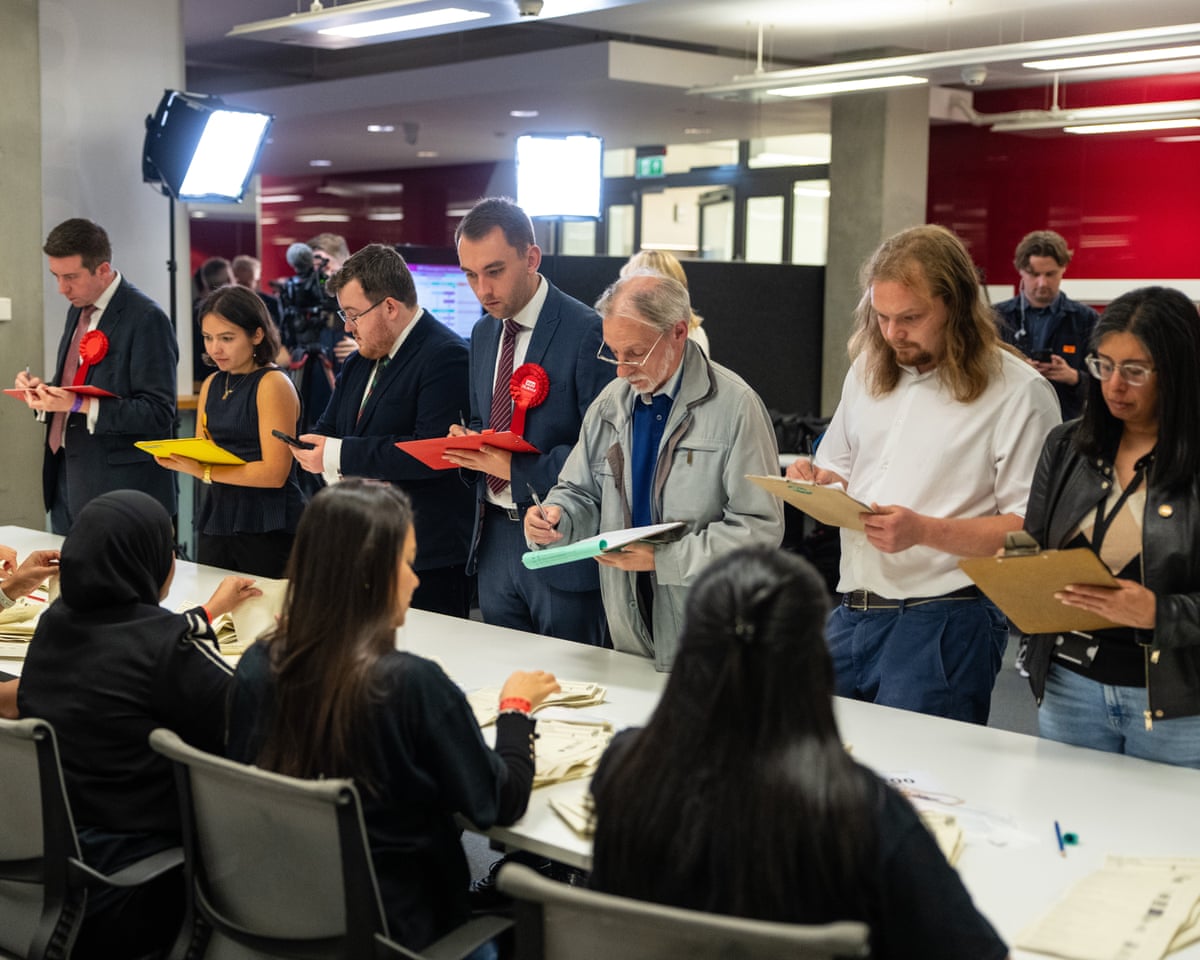
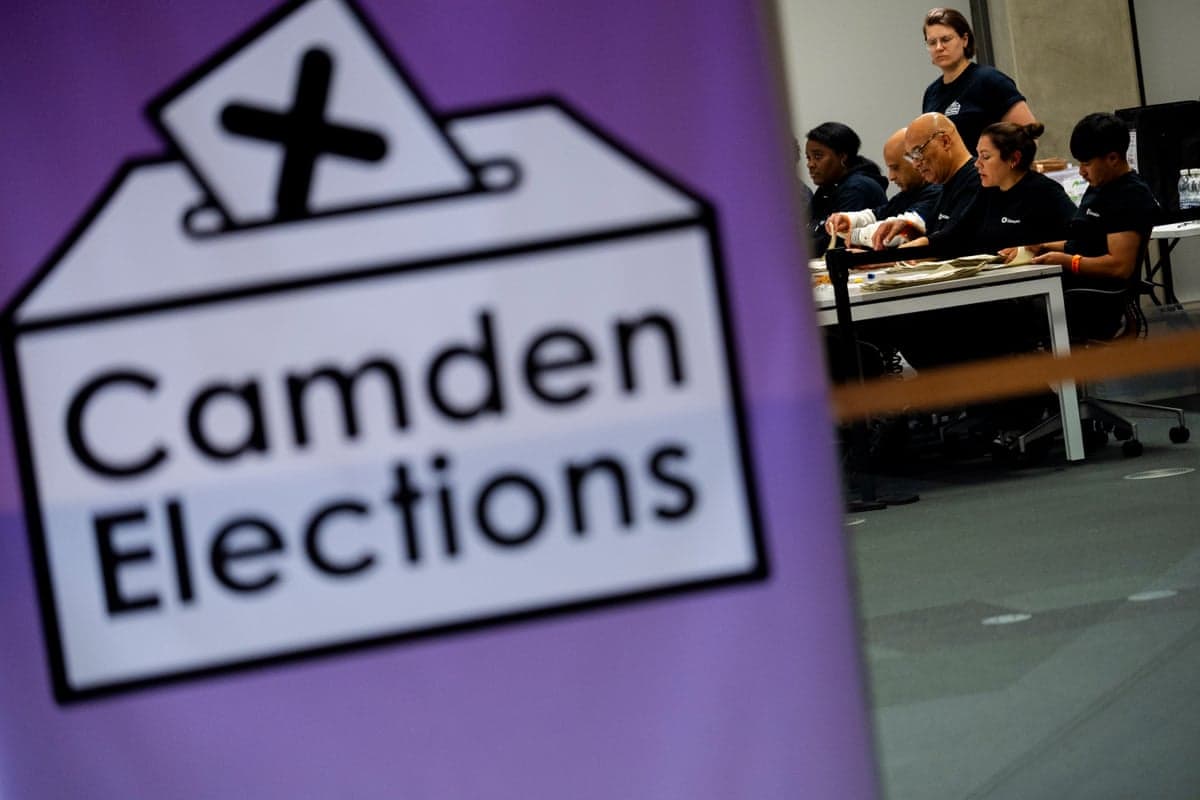
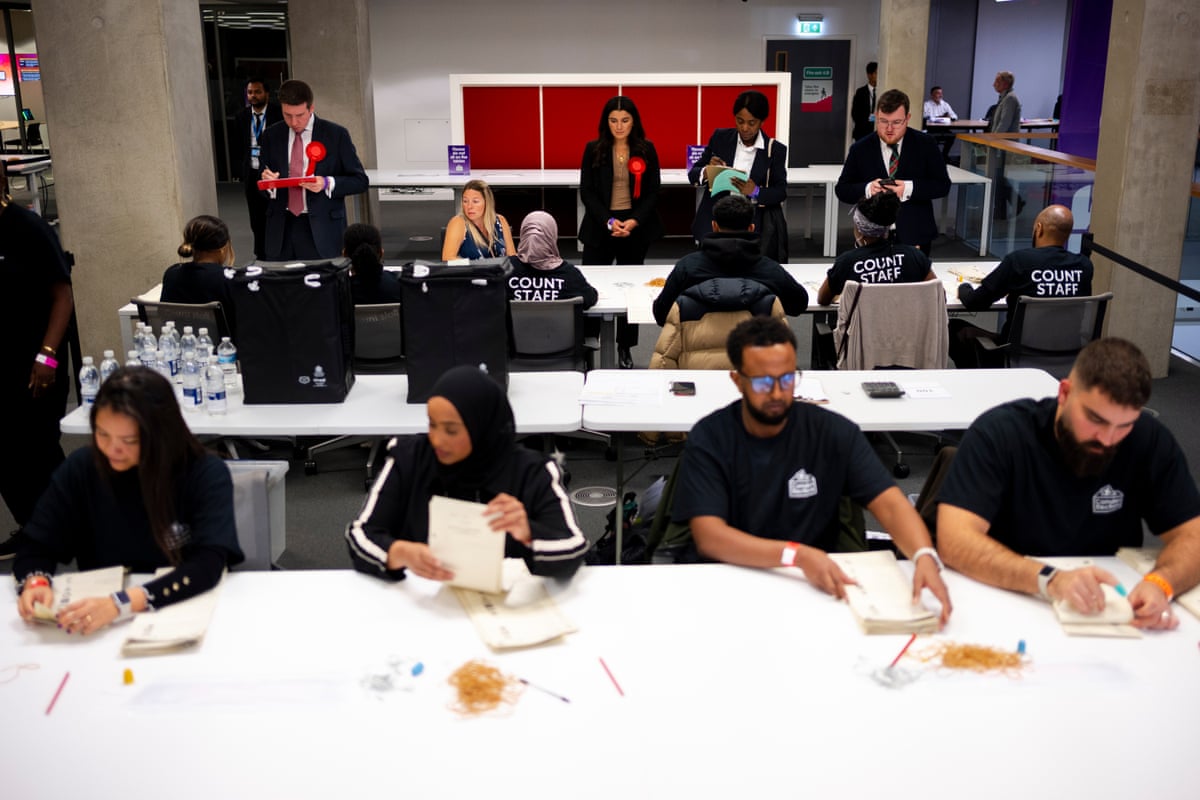
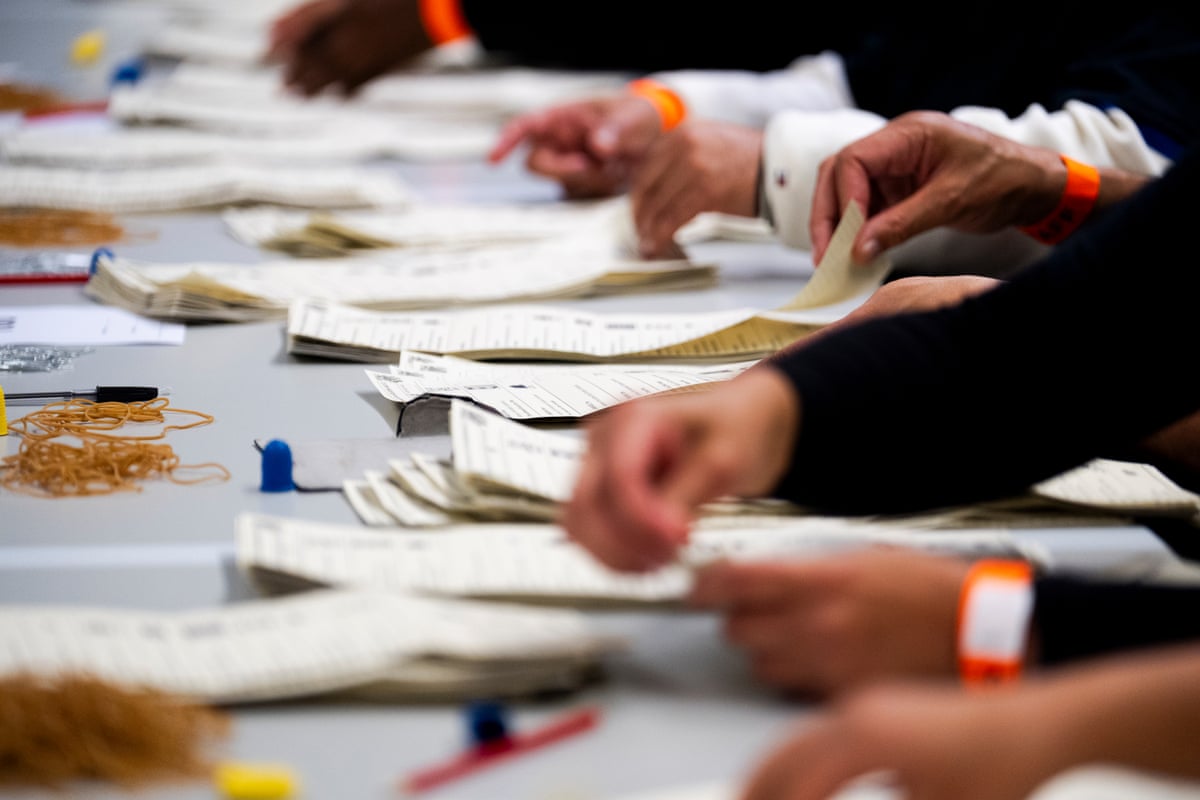
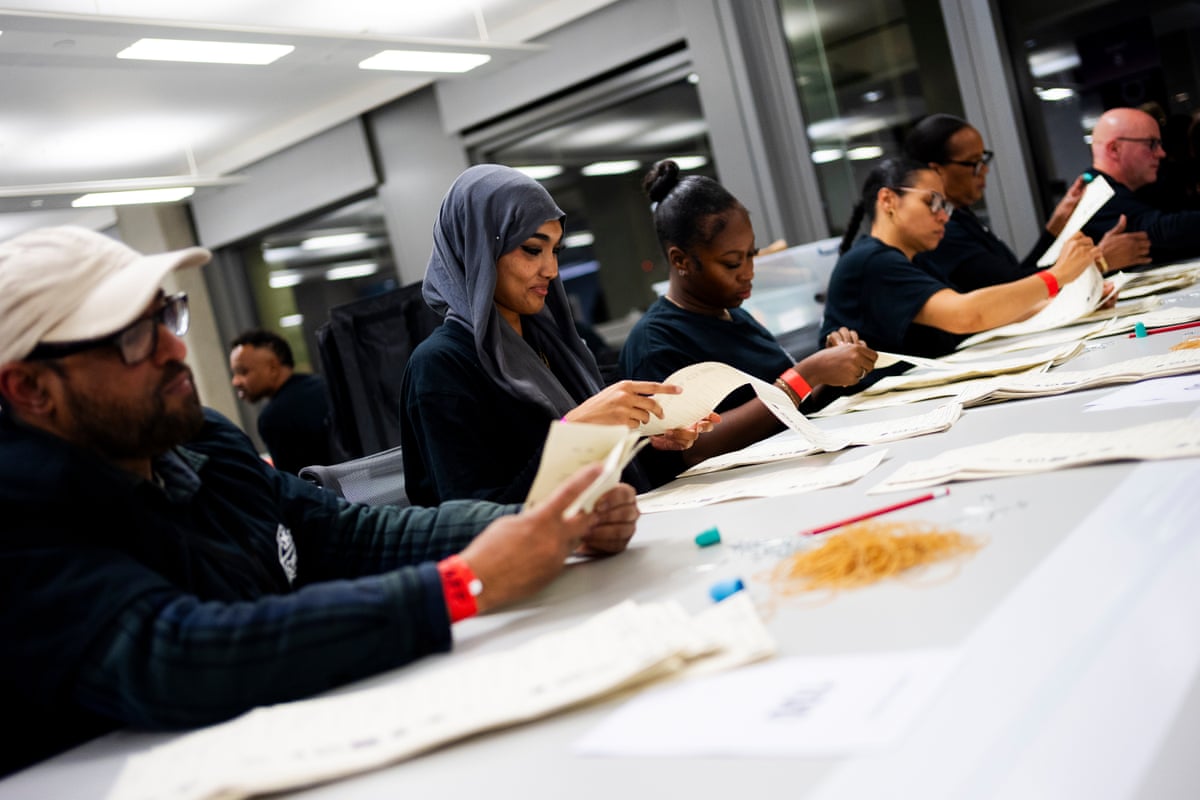
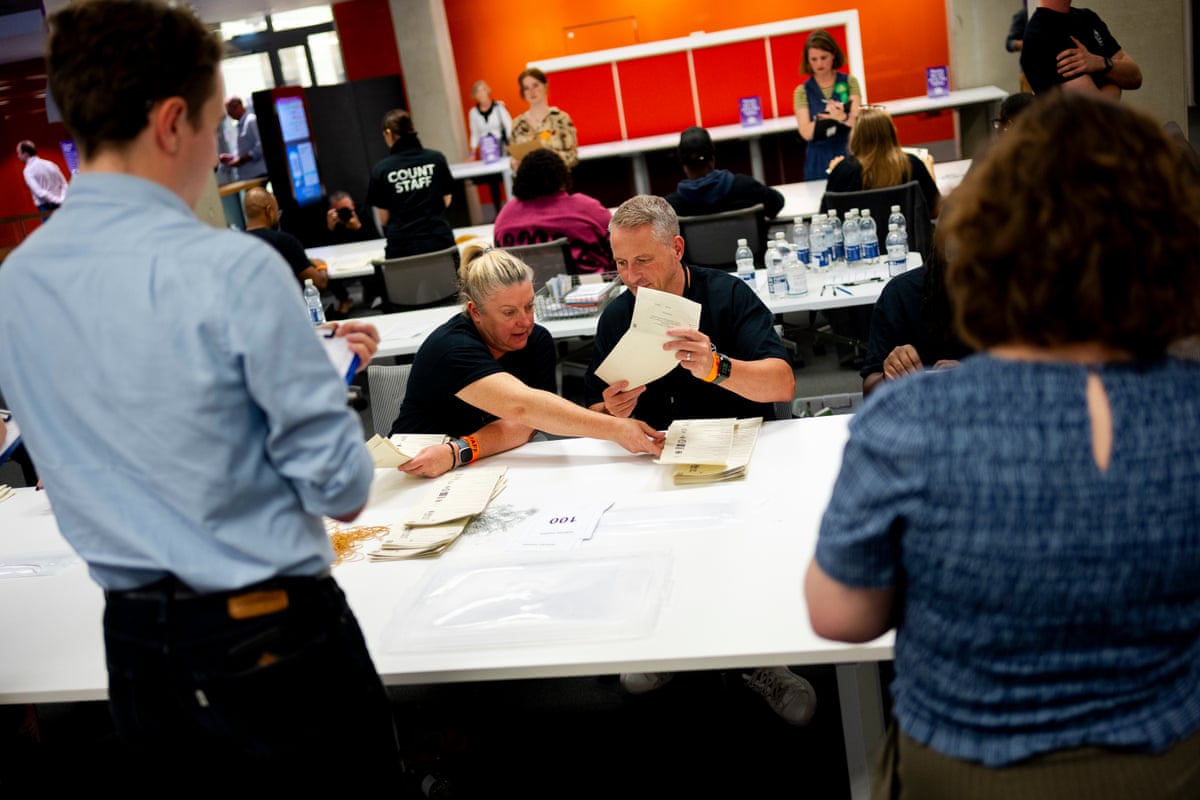
Counting was under way at Camden Council headquarters in north London on Thursday evening and into Friday morning, with the result expected to be announced between 2:30am and 4am UK time. The byelection was triggered after former prime minister Sir Keir Starmer announced his decision to step down as an MP in September following his removal from No 10 by Andy Burnham.
What does this defeat mean for the Greens?
The loss represents a significant setback for party leader Zack Polanski, who had hoped to replicate the party's unexpected triumph in Gorton and Denton earlier in the year, when the Greens overcame a substantially larger Labour majority to claim the seat. Thousands of party activists were mobilised to campaign door-to-door across the north London constituency, but their efforts proved insufficient to overcome Labour's commanding position in what is traditionally one of the party's safest seats.
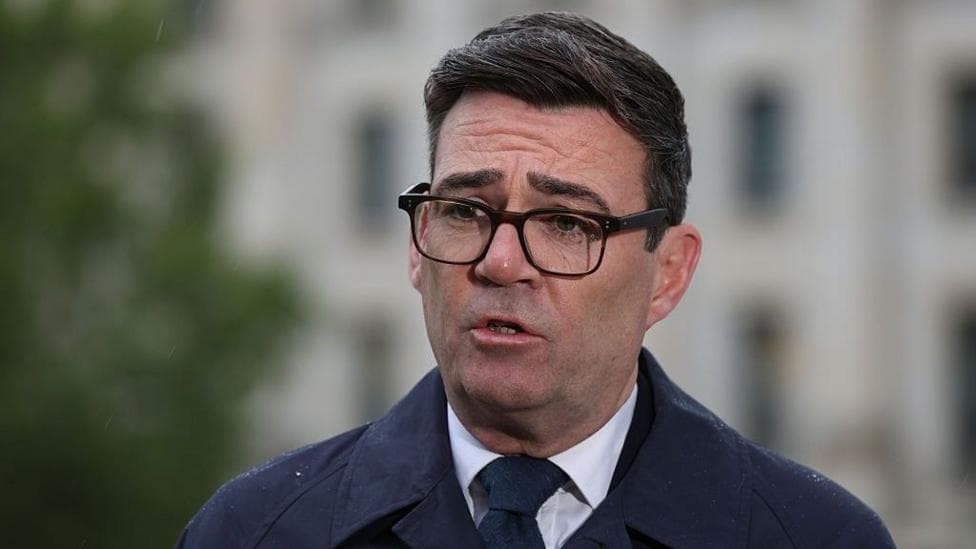
The defeat comes at a particularly difficult moment for Polanski and the broader party. The political landscape has shifted markedly since the Gorton and Denton victory. YouGov polling conducted shortly after that win showed the Greens briefly surpassing Labour at 21%, but more recent surveys placed the party at 11%, trailing Labour by 16 percentage points. Meanwhile, Prime Minister Andy Burnham, who succeeded Starmer, has been credited with revitalising Labour's standing, using his speech at the party's annual conference last month to outline a more ambitious and left-leaning policy agenda.
How has the Zionism controversy affected the campaign?
The byelection campaign has been overshadowed by internal turmoil within the Green Party following a contentious vote at its conference last weekend. Party members adopted a motion declaring Zionism—the movement for a Jewish state—as a form of racism that should be "treated as any other form of racism." According to reporting on the conference proceedings, the motion passed by 1,022 votes to 813 and also called for Israel to be replaced by a single democratic Palestinian state in all of historic Palestine.
The policy has drawn sharp condemnation from mainstream UK political parties, British Jewish groups, and the Israeli government. Four of the Greens' five MPs have publicly rejected the motion, creating visible divisions within the party hierarchy. The head of the Jewish Greens condemned the policy and indicated she might leave the party, though some Jewish members supported elements of the motion. Even supporters of broader parts of the resolution expressed concern about its narrow definition of Zionism, fearing it could brand those who favour the concept of a Jewish homeland—but not necessarily the modern state of Israel—as racist.
The controversy has prompted criticism of Polanski's leadership. Caroline Lucas, a senior party figure, declined to say whether Polanski should step down when questioned shortly after polls closed. Additionally, Israel's foreign ministry announced it had barred Polanski from entering the country in response to the motion's adoption. Polanski had left the conference before the vote took place in order to focus on campaigning in the byelection.
Who were the candidates standing?
Nine candidates competed for the seat in Holborn and St Pancras. The Conservative Party fielded Ewan Cameron, while the Liberal Democrats put forward Patrick Thomas Stillman. Other candidates included Tyler Kurtis Johnson for Restore Britain, George Galloway representing the Workers Party, Briony Anne Lonbay Kapoor for Rejoin EU, Barmy Brunch of the Monster Raving Loony Party, Jonathan Silberman from the Communist League, and Helen Spiby-Vann from the Christian Peoples Alliance. Polanski stood as the Green candidate.
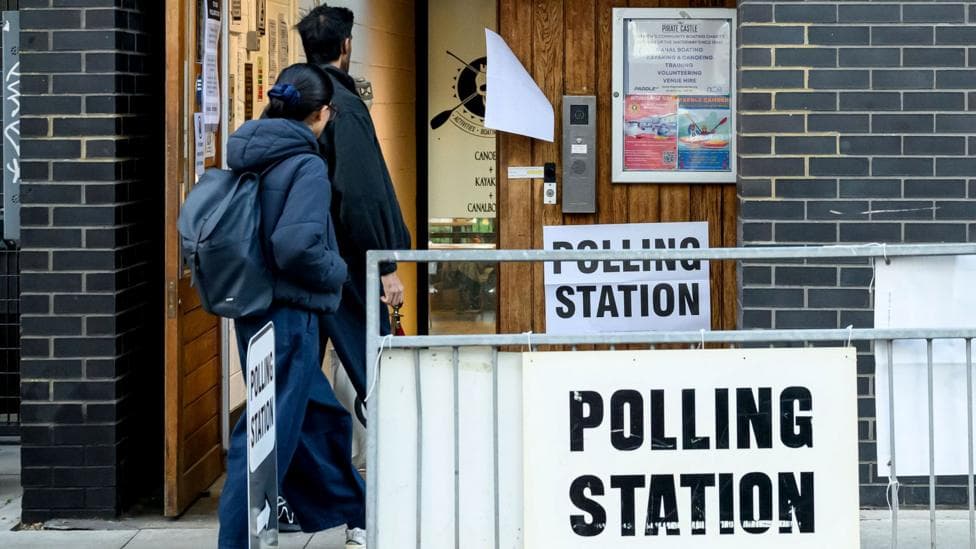
Holborn and St Pancras is ordinarily a secure Labour stronghold. At the 2024 general election, Starmer won the seat with a majority of 11,500 despite strong challenges from the Greens and a left-wing independent candidate who is not standing in this byelection but has endorsed Polanski. In 2019, Starmer's majority was substantially larger at nearly 28,000 votes. The constituency has a large student population and younger voters, with almost half of residents aged between 18 and 34, while approximately 45% were born overseas.
How did the campaign unfold?
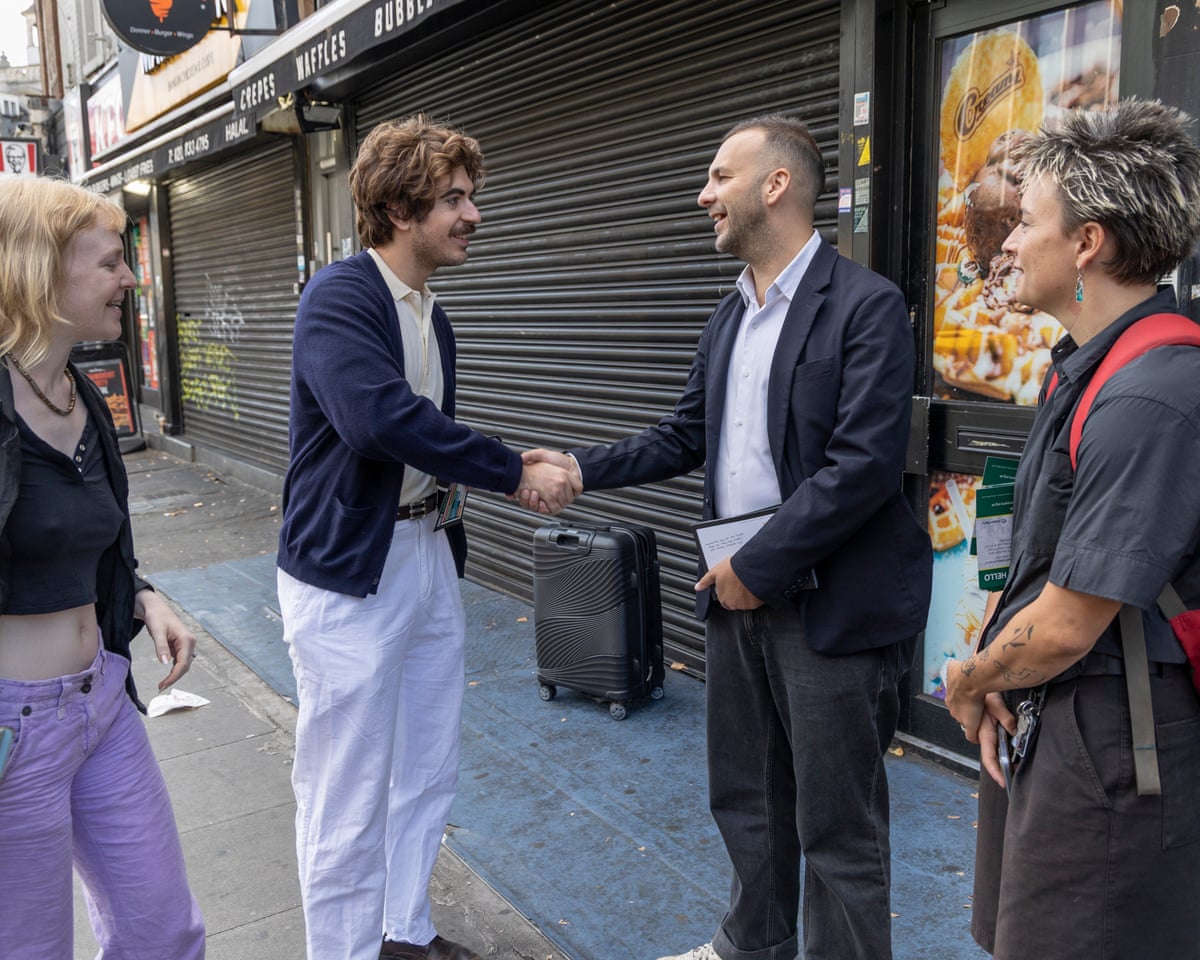
Polanski ran an energetic campaign that sought to replicate the grassroots momentum that had delivered success in Gorton and Denton. He mobilised substantial numbers of supporters to conduct door-to-door canvassing across the constituency. However, the political conditions that enabled the earlier breakthrough have deteriorated. The Greens' standing in national polling has declined significantly, and the party's internal divisions over the Zionism motion have created additional headwinds for the campaign.
What happens next?
The count was expected to continue overnight, with the result anticipated before breakfast on Friday, 9 October. The outcome will determine whether Labour retains the seat and whether the Greens can build on their recent electoral progress or whether the Zionism controversy and shifting political landscape have halted their momentum.