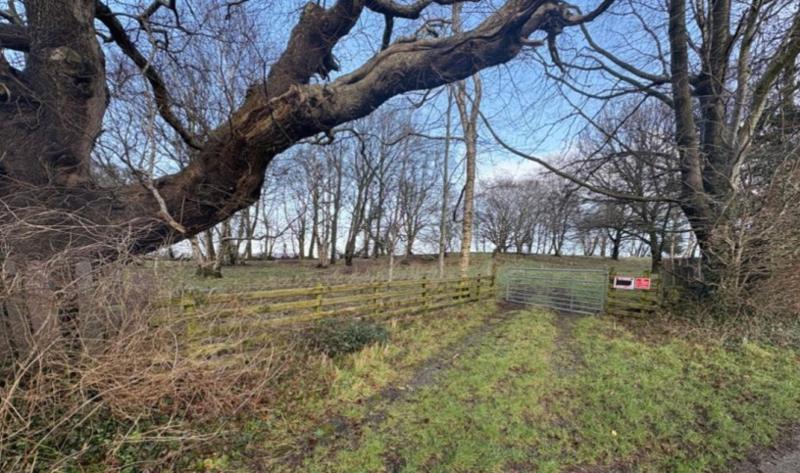
Concerns have emerged regarding a proposed glamping development in a woodland habitat that supports multiple bat species. According to BBC News, Gwynedd council is evaluating an application from Michael Williams to construct 11 glamping pods at Bluebell Woods near Caerhun, along with associated pathways, parking facilities, landscaping and drainage infrastructure.
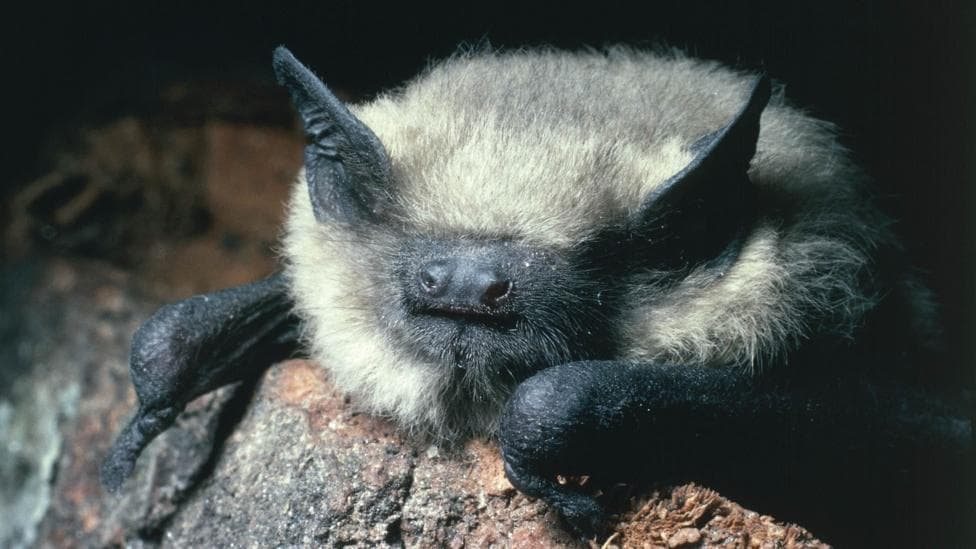
A commissioned bat survey revealed that without proper protective measures, the development would cause "major" harm to the bat population and prevent numerous light-sensitive species from accessing the site. The survey identified several bat species present on the land, including the common pipistrelle, soprano pipistrelle and myotis bat, which were observed entering the woodland from the north and along nearby road corridors, as well as gathering in the open parkland to the south-west.
In the United Kingdom, all bat species and their roosts receive legal protection. The legislation makes it an offence to kill, injure, take or disturb a bat, or to destroy, damage, obstruct or otherwise interfere with a bat roost, breeding site or resting place.
What would the development include?
The glamping pods would each contain a bedroom, small bathroom, kitchenette and front decking, according to the Cambrian News. A separate shared toilet and shower block is also planned for the site. The proposals include 17 parking spaces—one per pod plus two for occasional overflow—to accommodate visitors.
How would the bats be protected?
The bat survey recommended a comprehensive mitigation strategy to minimise harm to the species. Key recommendations include maintaining the woodland as a suitable flight corridor and foraging area, preserving sections of the woodland as dark zones where bats can operate undisturbed, and implementing a carefully designed lighting plan with properly positioned and shielded fixtures that minimise light spill. Additional ecological measures proposed include installing bat boxes, planting standard and smaller trees, and establishing hedging to support bat habitat.
The survey concluded that without these protections, the impact on bat populations would be assessed as "major" at a national level, primarily because artificial lighting would restrict access through the woodland for species sensitive to illumination.
What happens next?
Gwynedd Council must determine whether to approve the change of land use and the associated development works. The application, listed with reference C26/0545/25/LL, was recorded as "In Progress" on 7 October 2026, though no scheduled decision date has been announced.
The decision comes amid broader concerns about development impacts on protected bat species. In 2023, a construction firm was fined £17,000 after admitting reckless destruction of a bat colony, resulting in the deaths of 150 soprano pipistrelle bats at a site in Lochmaben. More recently, television presenter Richard Hammond announced plans to accommodate eight species of protected bats discovered at his Welsh mansion during renovation works, demonstrating growing awareness of the need to balance development with bat conservation.