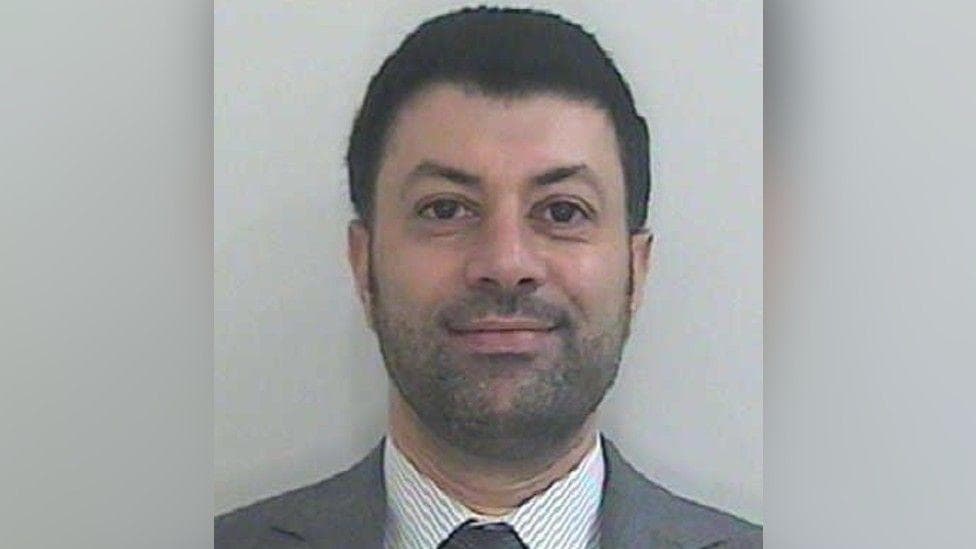
Arif Patel, who orchestrated one of the UK's most extensive tax fraud schemes, has failed in his legal challenge against a court order requiring him to repay more than £90m in criminal proceeds. The Preston-based fraudster, who fled the country over a decade ago, mounted the appeal from his refuge abroad but was unsuccessful in convincing judges that the confiscation sum was excessive.
According to BBC News, Patel ran an international organised crime network that siphoned tens of millions of pounds from the public purse through a sophisticated VAT carousel fraud scheme. He absconded in 2011 and has remained outside the UK ever since, yet was convicted in his absence of multiple offences spanning conspiracy to defraud Her Majesty's Revenue and Customs (HMRC), importation and distribution of counterfeit merchandise, and money-laundering.
In a written ruling issued on 3 November 2026, the Court of Appeal dismissed Patel's appeal, rejecting his contention that the value of his seized property holdings had not risen in line with inflation and that the judge's original order was disproportionate to his crimes. Patel received a 20-year custodial sentence in 2023 but has not served any portion of it.
How did the confiscation figure reach £90m?
Following his conviction, a judge determined that between 2003 and 2008, Patel had accumulated £52.7m through criminal activity. This comprised £33.4m stolen from taxpayers via VAT fraud and more than £19m generated through large-scale importation and sale of counterfeit designer goods. When the confiscation order was formally made in 2025, the figure was adjusted to £90.5m to account for inflation, applying an adjustment to the base sum of £52,793,179.09 to produce a final figure of £90,503,211.96.
The judgment noted that Patel would not have faced a substantially larger total had he admitted his criminality from the outset, disclosed his criminal gains and agreed to forfeit them voluntarily.
What assets does Patel have to cover this amount?
Patel's legal representatives argued he lacked sufficient assets to meet the confiscation order, but the Court of Appeal rejected this claim. The judgment observed that Patel
appears to have been able to live in very comfortable circumstances in the UAE for 15 years without identified means of support. The court concluded that the original judge was entitled to find that by the time Patel fled in 2011, he would have possessed
many millions of truly hidden assets.
The Crown identified additional Dubai properties and Turkish commercial interests worth £14,823,812.40 as assets potentially available to meet the order. The judgment also revealed that Patel had refused to cooperate with the official receiver tasked with identifying his assets in Dubai, and had even procured the receiver's arrest during a visit to the UAE.
What was the nature of Patel's fraud scheme?
Patel's criminal operation centred on a VAT carousel fraud, a sophisticated scheme involving chains of fabricated business transactions designed to generate false tax refunds from HMRC. Goods were moved between different companies, repeatedly crossing international borders, to create the illusion of legitimate trade and trigger unwarranted VAT repayments. The same shipments were often cycled through multiple times, which gave the scheme its name.
Patel's front company, Faisaltex, was headquartered in Preston and initially operated as a legitimate textile manufacturer, producing items such as socks and nighties for retail distribution. However, this respectable facade concealed a sprawling criminal enterprise. The judgment also detailed a separate false-accounting count involving £193,950.60 in corporation tax, and revealed that approximately £6m to £7m of purported charitable donations to India were diverted to accomplices' accounts.
The criminal network was dismantled following a series of raids in 2008, which concluded a lengthy investigation by HMRC and Lancashire Police. One of Patel's co-accused, Mohamed Jaffar Ali, was convicted of three counts of conspiracy to commit fraud by failing to disclose information under the Fraud Act 2006.
What was the scale of the counterfeit goods operation?
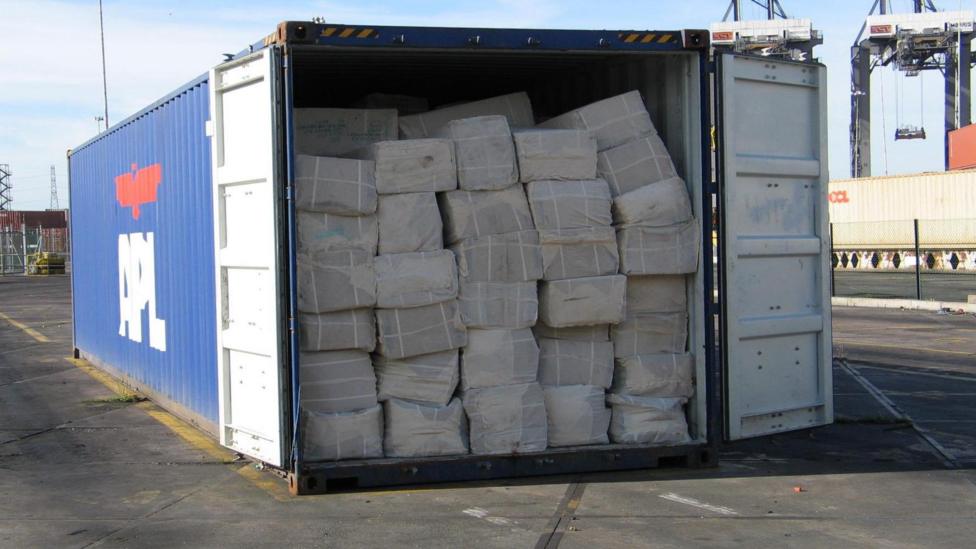
Patel's gang engaged in large-scale importation and distribution of counterfeit designer goods, generating more than £19m from this criminal activity alone. The fake clothing items the gang distributed would have been valued at up to £50m had they been genuine merchandise. This operation represented one component of a multi-faceted criminal enterprise that also encompassed the VAT fraud scheme.
What happens to the seized assets?
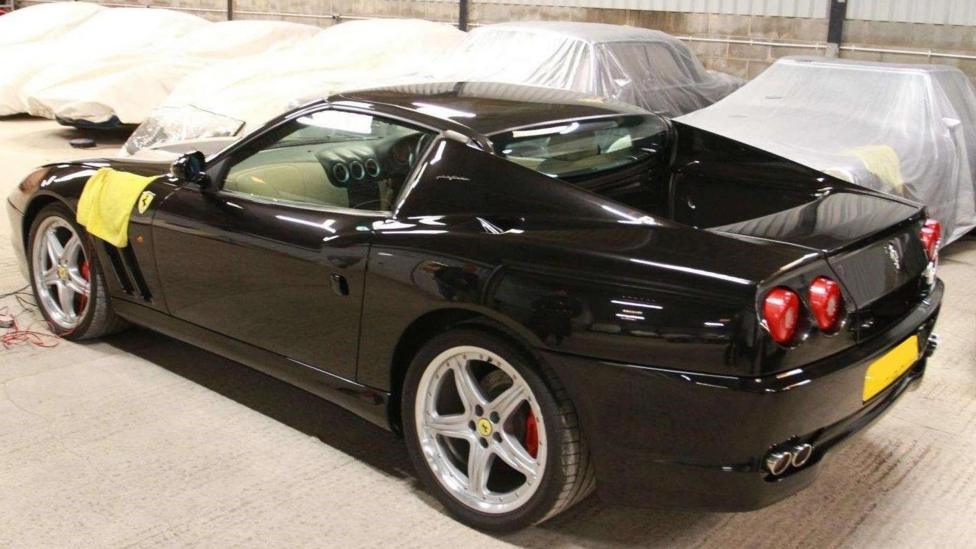
Work will now commence to liquidate Patel's property empire, with all proceeds returned to the public purse. The confiscation order provides for Patel's restrained assets to be sold, though the judgment does not specify a particular sale date. Among the assets subject to auction is a Ferrari Superamerica, which a judge previously ordered to be sold.
Adrian Foster, representing the Crown Prosecution Service's Proceeds of Crime Division, stated:
The CPS has worked closely with HMRC and Lancashire Police to ensure that Arif Patel could not keep the benefit from his fake counterfeit designer clothes scam and fraudulent VAT claims. This judgment reinforces that we will work tirelessly to prosecute international illicit finance and corruption, along with any appeals that flow from it.
Last month, a BBC investigation revealed details of Patel's luxurious lifestyle in Dubai and his claims of making substantial charitable donations to organisations. The BBC attempted to contact Patel for comment through his Manchester-based solicitor but received no response.