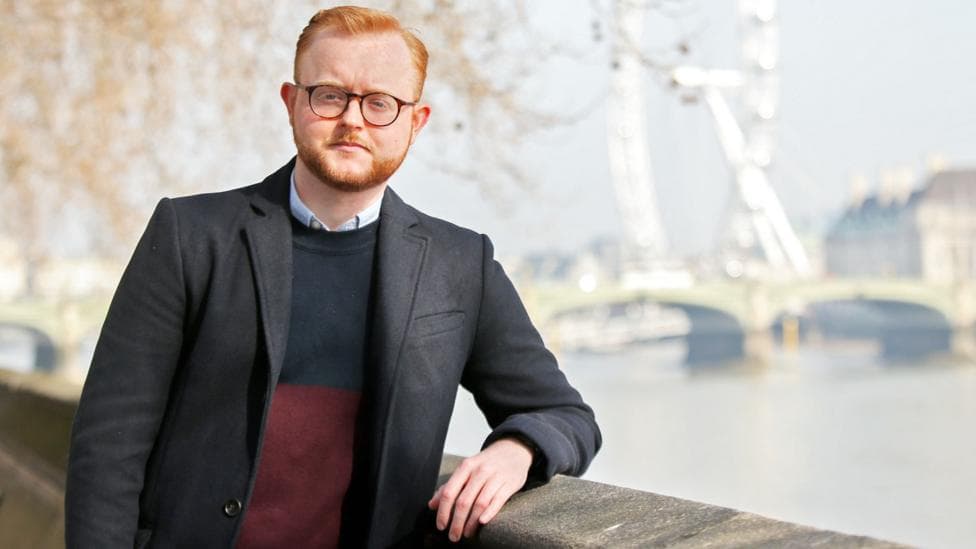
Travis Frain was messaging friends a photograph of Big Ben during a university excursion to Westminster when his ordinary day transformed into a nightmare. An undergraduate at Edge Hill University, he was absorbed in his phone when a shout from a companion jolted his attention upward. In that instant, a vehicle driven by an attacker bore down on him.
"It was a split second really before the car hit me. I went over the bonnet, into the air, before landing back on the ground."
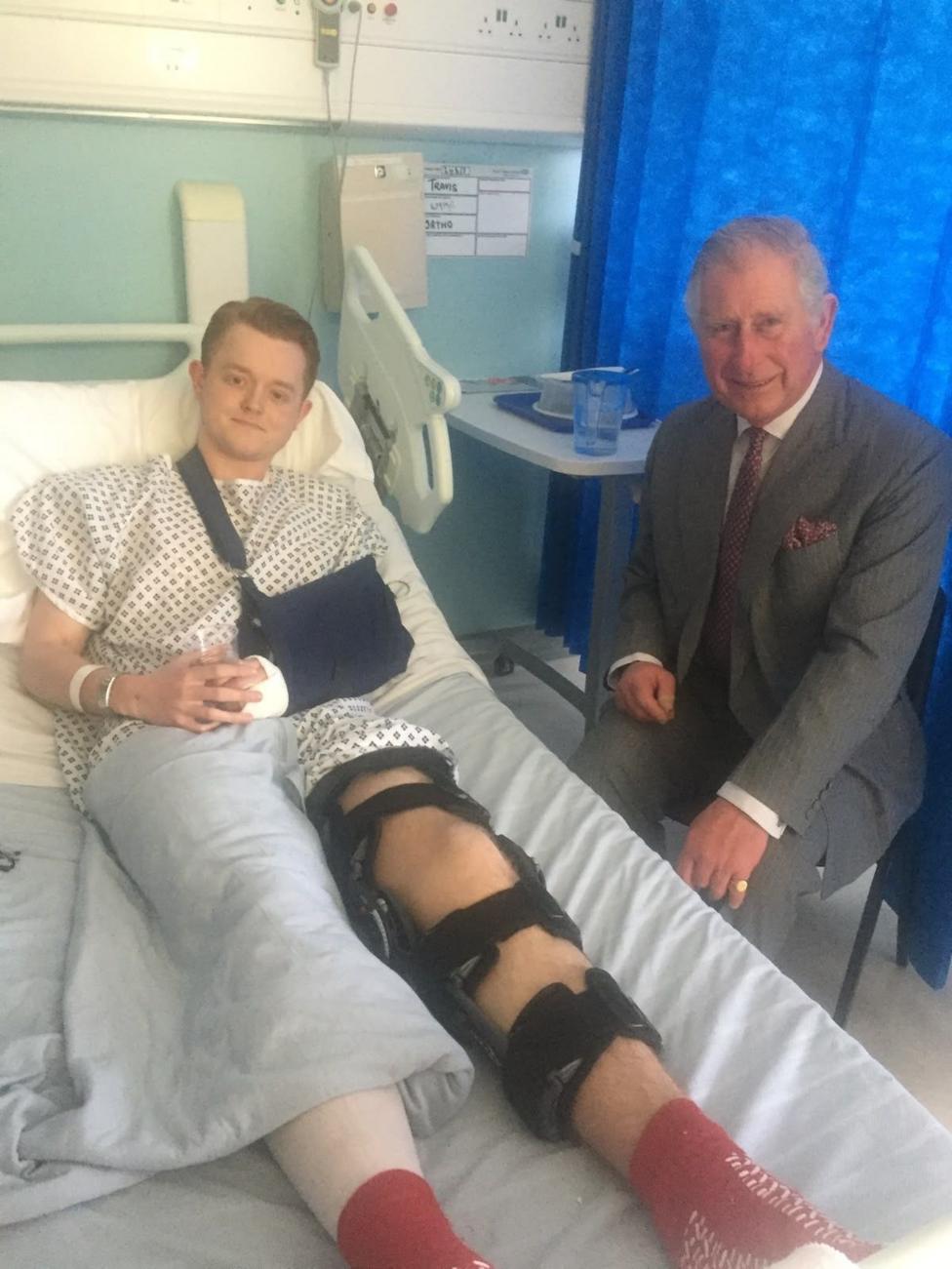
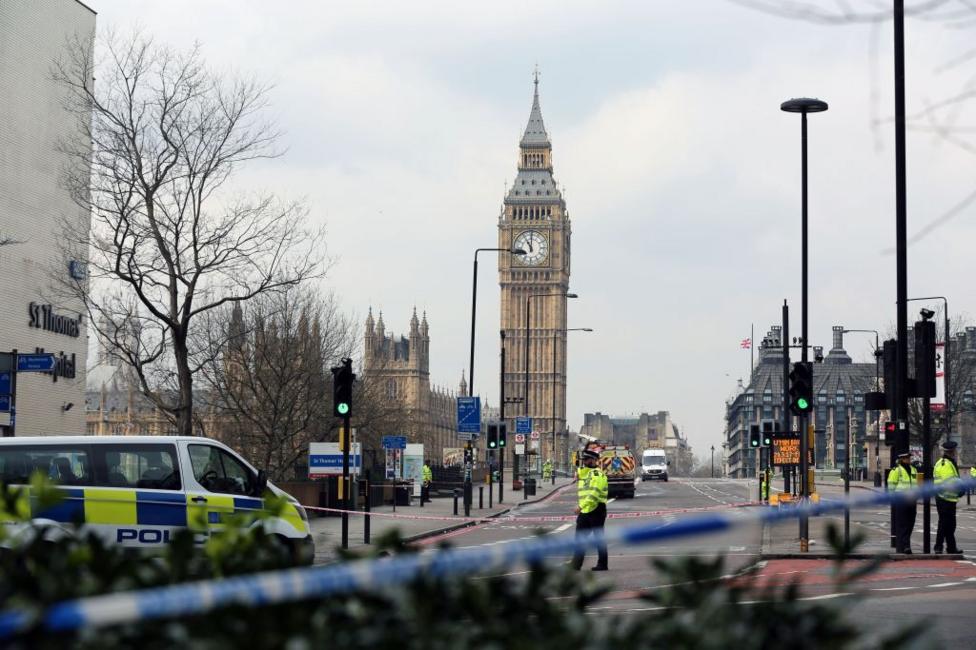
On 22 March 2017, attacker Khalid Masood drove a car through crowds near Parliament, killing four people and fatally stabbing a police officer. Frain, then 19 years old, sustained severe injuries including a fractured leg that required two years of recovery. Now 28, he reflects on the lasting impact:
"There will always be a part of you affected by that attack."
Frain's experience propelled him to become a leading advocate for recognition of terrorism victims. He has campaigned for nearly five years to establish formal commemoration, and his efforts have borne fruit. The UK is now observing its first national day dedicated to victims and survivors of terrorism on Friday, 21 August 2026.
Why a dedicated national day matters
Frain believes recognition and memorials for those killed and harmed by terrorism have historically received insufficient attention.
"As a society, it is right and morally correct that we should be remembering those lost to terrorism,"he stated. He emphasises that victims are rarely targeted as individuals but rather as symbols:
"often not targeted as individuals but as representatives of something far greater - the nation, the nation's values; the values we're all meant to hold I'm sure."
The inaugural commemoration will centre on an event in London on Friday afternoon featuring a two-minute silence and readings from people affected by attacks. According to the government's factsheet, the day is intended to recognise victims, survivors, witnesses, and emergency services, while also encouraging access to specialist support. Future years will see the event staged in locations across the UK.
The date chosen—21 August—aligns with the UN International Day of Remembrance of and Tribute to the Victims of Terrorism, established by the UN General Assembly in 2017. The initiative mirrors similar commemorations already held in European countries.
Frain also helped establish Survivors Against Terror, a campaign group formed by survivors to advocate for improved support for victims. He emphasises that the day should encourage collective vigilance:
"we all have a role to play"in preventing terrorism.
What support gaps remain for survivors?
Despite the establishment of a national day, many survivors and their advocates argue that substantial work remains to address their needs. A report released on Friday by Survivors Against Terror found that while psychological support for victims has improved, the state compensation scheme for terror victims—the Criminal Injuries Compensation Authority—has seen no meaningful progress.

Brendan Cox, co-founder of Survivors Against Terror and widower of murdered MP Jo Cox, welcomed the national day but stressed the need for accountability.
"We're not talking large sums of money, we're talking about a process that dehumanises people where if you're a survivor of a terror attack, you can only claim for the first three injuries you have despite the fact you have 80 or 90 or 100 pieces of shrapnel in your body,"he explained.
Lisa Ghiggini, who survived the Fishmonger's Hall attack in 2019, highlighted the practical hardships many face:
"At the moment we still have members who don't have the resources to build a downstairs toilet following attacks that have left them struggling to walk."
The Ministry of Justice, which administers the taxpayer-funded scheme where victims self-classify the type of incident, reported that £180 million was distributed last year for all types of violent crime including terrorism. However, survivors argue the current framework fails to address the full scope of injuries and long-term needs resulting from attacks.
The broader context of terrorism threats
The establishment of this national day comes amid heightened security concerns. In May 2026, the UK's terror threat level was raised to "severe," indicating that an attack is highly likely. Additionally, a record nearly 10,000 people were referred to Prevent, the government's counter-terrorism scheme, in the year to September 2025—a significant increase reflecting growing concerns about radicalisation.
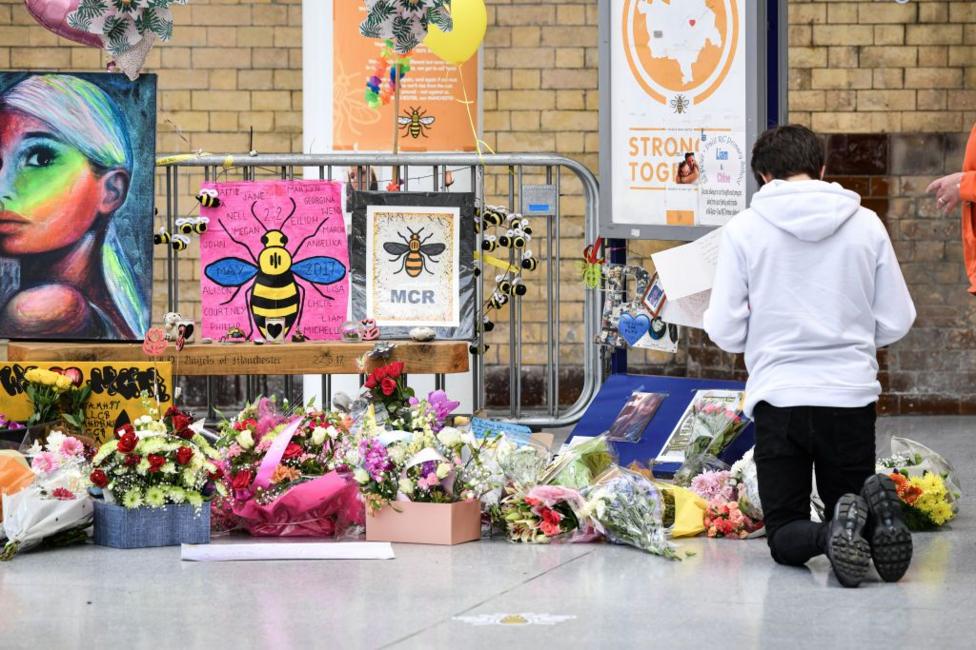
The idea for a national day emerged following a Home Office review that identified many survivors as requiring enhanced support. The Westminster Bridge attack in March 2017 was followed two months later by the Manchester Arena bombing at an Ariana Grande concert, both of which claimed multiple lives and left numerous people with lasting trauma.
Personal resilience and moving forward
Frain's own approach to recovery demonstrates remarkable determination. He returned to Westminster Bridge just two days after the 2017 attack—while still injured—to confront his trauma and reduce its psychological grip. He plans to return to the capital on Friday to participate in the inaugural national day with similar resolve.
He acknowledges that many terror survivors cannot bring themselves to return to London, remaining too deeply affected by their experiences.
"It's those individuals that provide the national aspect - it can't just be victims in a room talking to one another,"he said, expressing hope that senior figures including the King, another member of the royal family, Prime Minister Andy Burnham, or a senior cabinet minister will attend the Friday event to demonstrate national recognition.
How the day will be observed
According to government announcements, the first national day event is scheduled for Friday 21 August 2026, with a hybrid inaugural event in central London and a livestream for wider participation. The Home Office has indicated that people across the country can mark the day at home by observing a moment of reflection and sharing posts about the commemoration on social media.
The government has confirmed that the day will be marked annually on 21 August going forward, establishing a permanent fixture in the national calendar dedicated to honouring those affected by terrorism.
Key Facts
- Travis Frain was struck by a car driven by attacker Khalid Masood on 22 March 2017 near Westminster, sustaining a fractured leg and multiple injuries that took two years to heal.
- The UK's first National Day for Victims and Survivors of Terrorism takes place on Friday 21 August 2026, with an event in central London featuring a two-minute silence and readings from affected individuals.
- The date aligns with the UN International Day of Remembrance of and Tribute to the Victims of Terrorism, established by the UN General Assembly in 2017.
- Survivors Against Terror has called for reforms to the Criminal Injuries Compensation Authority, arguing the current scheme inadequately addresses the full scope of injuries sustained in terror attacks.
- The UK's terror threat level was raised to "severe" in May 2026, with nearly 10,000 people referred to the Prevent counter-terrorism scheme in the year to September 2025.