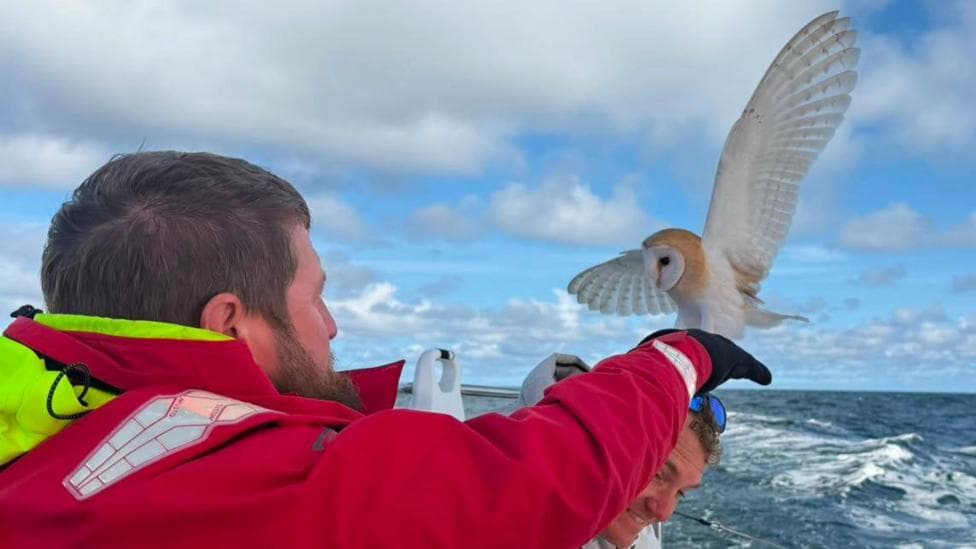
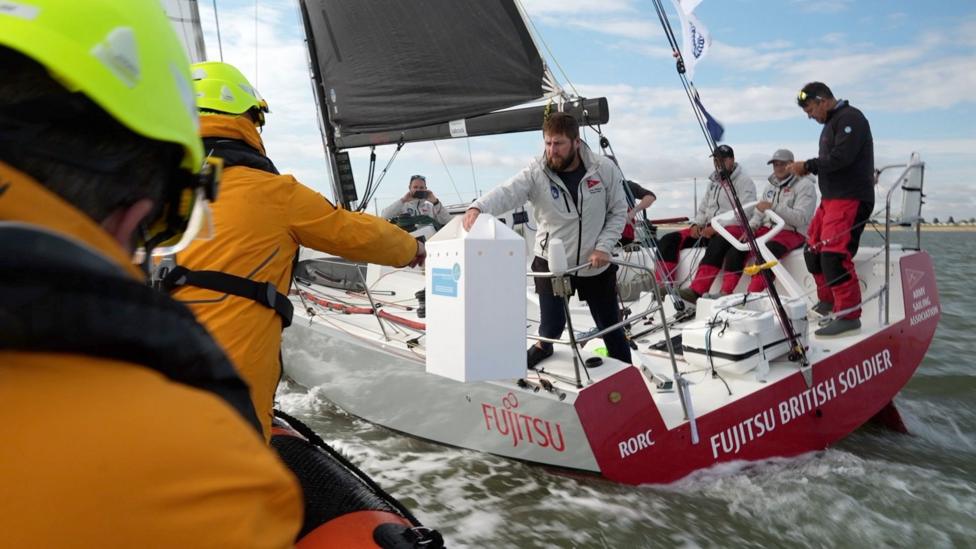
A barn owl was rescued by members of the British Army after struggling 70 miles from shore during a competitive ocean race. The bird repeatedly fell into the sea before collapsing on the deck of the Fujitsu British Soldier, a vessel crewed by soldiers participating in the 50th Anniversary RORC Round Britain and Ireland Race. The crew kept the owl warm and safe until the Caister Independent Lifeboat collected it off the Norfolk coast and transported it to land for veterinary care.
Mark Petherbridge, a member of the Army Offshore Racing Team, witnessed the bird's struggle firsthand. He explained how the exhausted owl made multiple attempts to find refuge:
"We saw it behind the boat; it came alongside and was sort of clearly tired. It flew alongside and was trying to find a place to land and get on board. He fell in the water a couple of times and eventually collapsed on deck, so we picked him up and put him in a box."
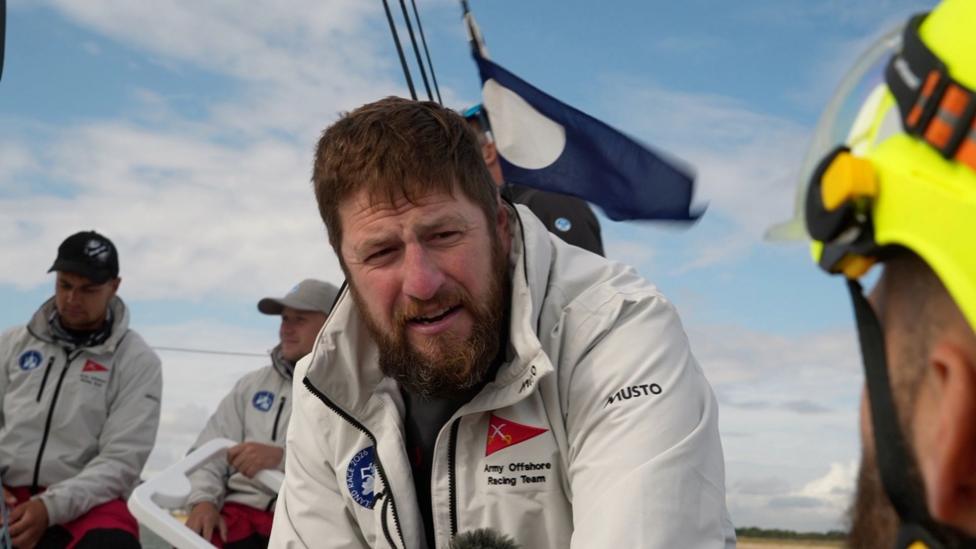
The Army crew named their unexpected passenger Little Regina, short for regiment, after the parachute group Petherbridge belongs to. Petherbridge reflected on the bird's ordeal:
"It's been a tough 24 hours for him; it's not the most comfortable boat to be on, but he's doing well, and hopefully he gets the help he needs now."The soldiers praised the owl for displaying a
"real will and tenacity to survive"throughout its time aboard.
How did the rescue become coordinated?
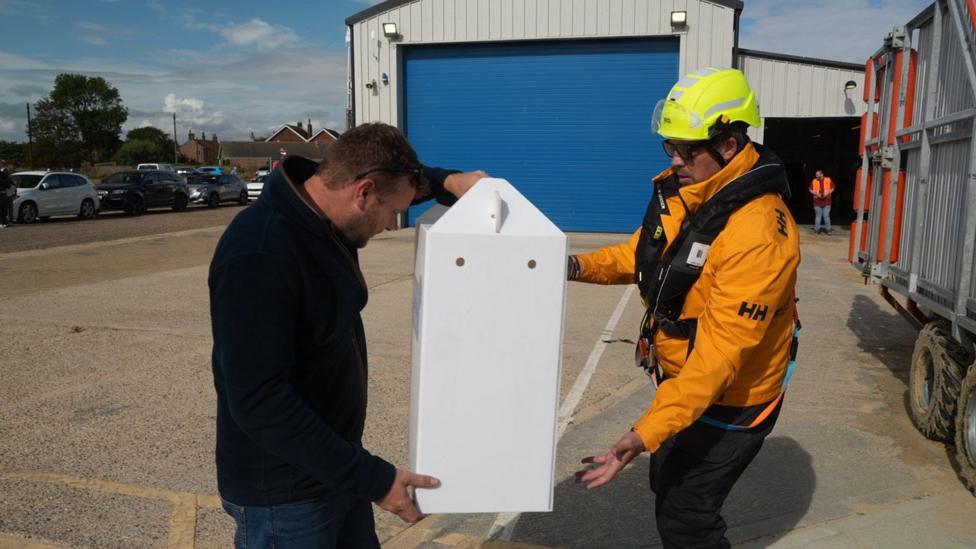
James Stannard, a conservation officer for the Barn Owl Trust, received notification of the bird at approximately 11:00 BST on Wednesday and mobilised multiple organisations to ensure its safe return to shore. According to reports of the rescue, the coordination involved the lifeboat service and other wildlife groups working together. Stannard expressed his amazement at the situation:
"No one in the team has had a call like that... [it's] a very rare one, and what was really refreshing was how everyone I spoke to was just so invested in getting the owl safely back to shore."
Paul Garrod, chairman and crew member of the Caister lifeboat—Britain's first independent lifeboat service, operating since 1791—described the callout as unusual but welcomed. He said:
"It's brilliant, and it's all worked out well. We don't just rescue people. We've done dogs before, a horse before, seals, all sorts. We're all living creatures, and it's nice to help the little owl on his way."

Why was this rescue so remarkable?
Stannard theorised that the bird may have been roosting on a fishing vessel before being carried far from land, but he considered its discovery by the Army boat
"nothing short of a miracle". The location—70 nautical miles offshore east of Newcastle—is extraordinarily remote for a barn owl. Dan Goldsmith of the Marine and Wildlife Rescue noted the rarity:
"It's very unusual... barn owls shouldn't be 70 miles off Newcastle."
The timing of the rescue proved critical. With only ration packs available aboard the racing vessel, Stannard warned that the bird would likely not have survived much longer at sea. The owl's condition upon arrival at the wildlife centre reflected the severity of its ordeal—it was severely dehydrated, undernourished, and exhausted.
What happens to the owl now?
The owl is now in the care of the East Winch Wildlife Centre in King's Lynn for veterinary assessment and rehabilitation. Goldsmith outlined the treatment plan:
"It will be dehydrated, run down, quite thin. We've got to get it there as quickly as we can, get it to the vet to assess it, and, all going well, it will make a full recovery."He praised the Army crew for their swift action, calling them
"amazing".
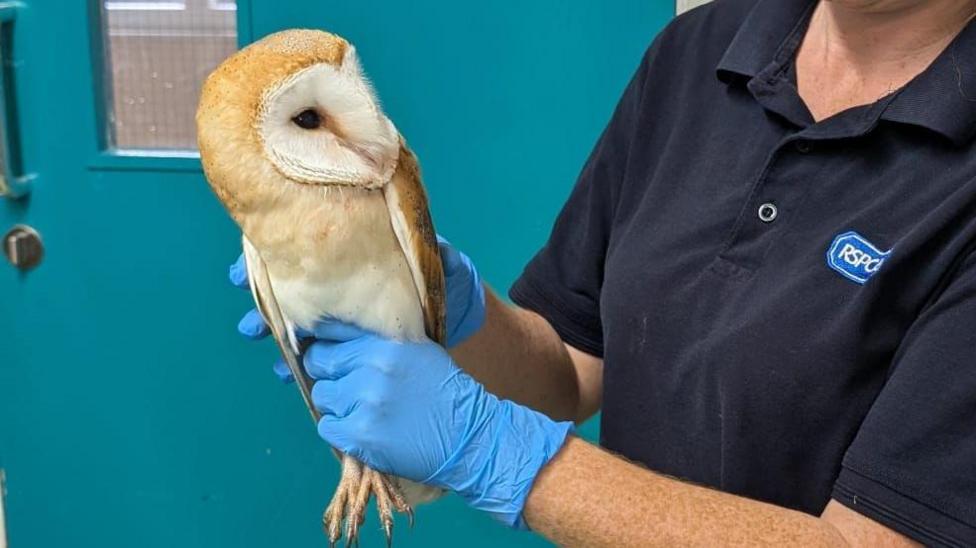
Since arriving at the RSPCA East Winch Wildlife Centre, the bird has shown encouraging signs of recovery. Staff rehydrated it with fluids, and it has already consumed food, having
"gulped down a mouse". The centre expects to release the owl back into the wild once it regains full strength and health.
What happened to the racing crew?
After handing over their unexpected crew member, the Army team continued the 1,805 nautical mile non-stop circumnavigation of Britain and Ireland toward Cowes. The rescue marked an extraordinary interruption to their competitive campaign but demonstrated the crew's commitment to all life at sea.
Key Facts
- The barn owl was rescued 70 nautical miles offshore during the 50th Anniversary RORC Round Britain and Ireland Race
- The bird collapsed on the deck of the Fujitsu British Soldier after repeatedly falling into the sea
- Multiple organisations, including the Barn Owl Trust and Marine and Wildlife Rescue, coordinated the rescue with the Caister Independent Lifeboat
- The owl is undergoing rehabilitation at East Winch Wildlife Centre and is expected to make a full recovery
- The Army crew named the bird Little Regina, after the parachute regiment to which they belong