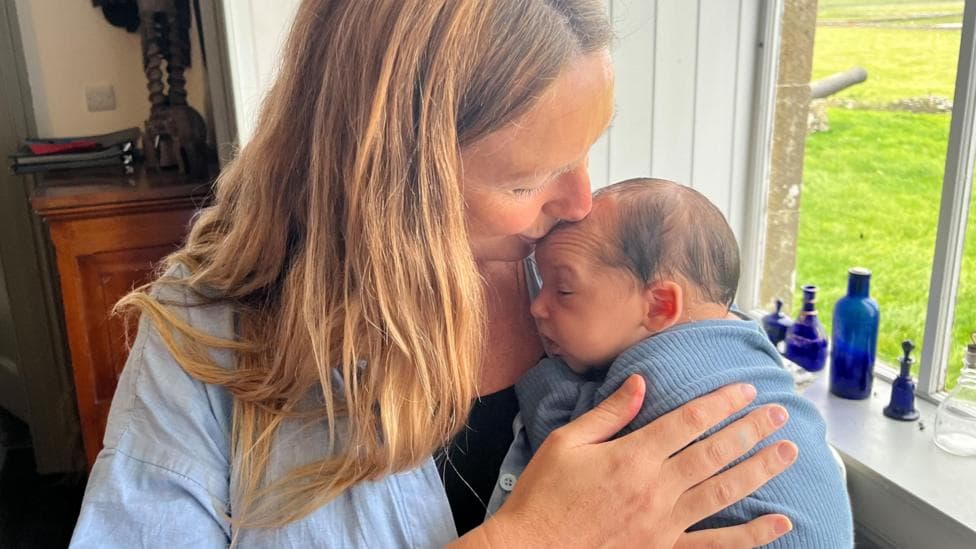
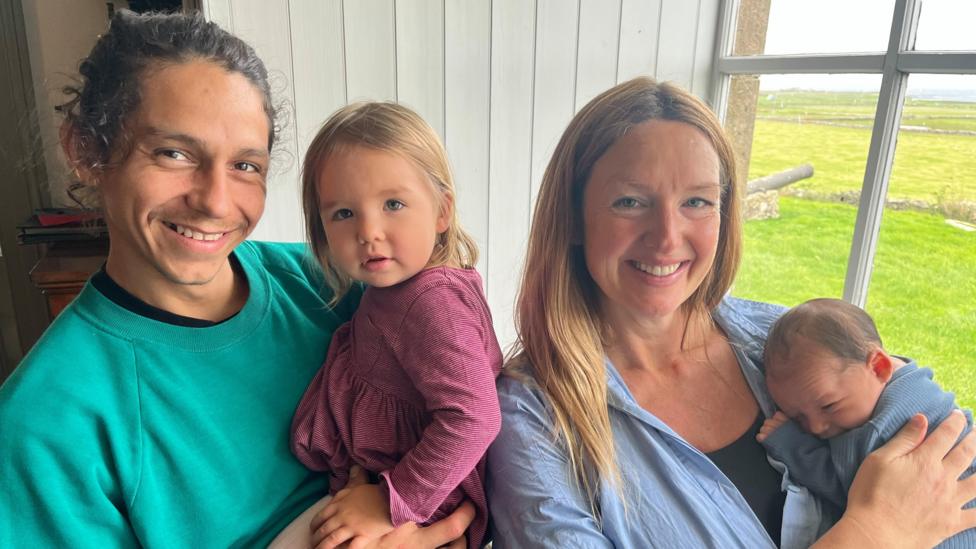
A newborn has arrived on Orkney's northernmost island for the first time since 1992, marking a significant milestone for the tight-knit community. Jorge Suarez and Alice Traill Ford's son, Duncan Wilder Thorstein Traill Suarez Ford, was delivered on 15 September at Holland House, the family residence on North Ronaldsay. The previous birth on the island occurred in August 1992, when Thomas Brookman was born—a gap of more than three decades.
The couple, who divide their time between Costa Rica and Orkney, made the deliberate choice to travel more than 5,000 miles to have their child born on the remote island. Alice explained the emotional significance of the location to her family's story and heritage.
Why did the family choose North Ronaldsay for the birth?
Alice had maintained a deep connection to the island since childhood, visiting every summer and developing what she describes as a profound sense of belonging there. She consulted with the NHS to determine whether delivering on North Ronaldsay was feasible, and the arrangement was approved. The decision reflected her desire to introduce her son to a place saturated with family history and ancestral meaning.
North Ronaldsay has always been a very special place for me and I felt alive and free here every summer when I came up as a little girl. My intuition was telling me this was the right place for us so we spoke to the NHS to see if it would be possible. We have this beautiful family home steeped in our history and ancestry so to be surrounded by that felt a very special introduction for him to come to Earth.
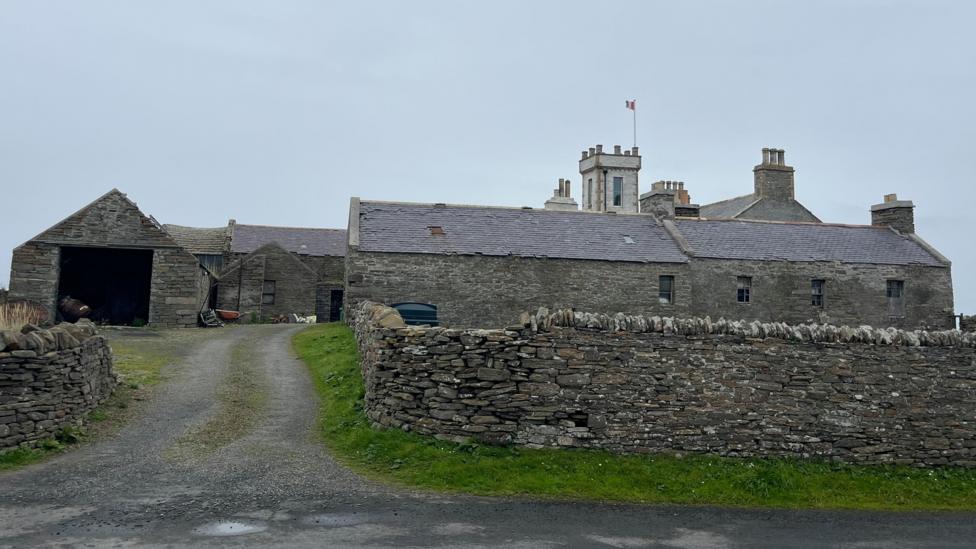
Holland House, where Duncan was born, was constructed by Alice's ancestors, the Traill family, who acquired the island in 1727. The property has remained in family ownership across generations and continues to serve as a holiday residence.
What is the significance of the baby's name?
Duncan carries the name of Alice's grandfather, who served as the former Laird of North Ronaldsay. Alice did not initially plan to name her son after him, but the choice crystallised during her time at Holland House when she encountered a collection of photographs featuring her grandfather alongside her grandmother.
I didn't know I was going to name him after Duncan when we arrived but I was sitting on the sofa and right in front of me was a collage of his pictures with my grandmother, so he has been very present with us. He was an incredible man, very kind and really strong and I felt like there would be no better name than his to carry on and continue his legacy in the world.

How did the islanders celebrate the birth?
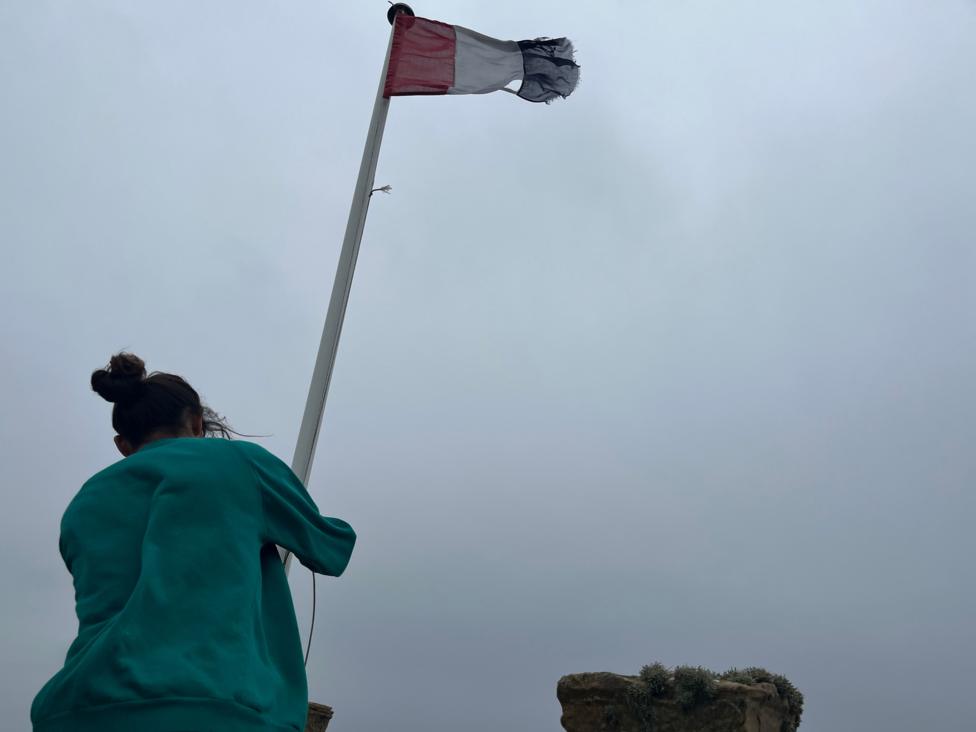
The family observed a historical custom associated with the Laird's presence on the island: raising a flag at Holland House to signal significant news to residents. When Duncan arrived at 04:05, Alice and Jorge adapted this tradition to announce his birth in a distinctive manner.
They prepared bottles of whisky for each islander, each decorated with a four-leaf clover—collected over years spent on North Ronaldsay and preserved in a book—and a Groatie Buckie, a small pale pink and white shell found on Orkney beaches that holds cultural significance as a symbol of good fortune in local tradition.
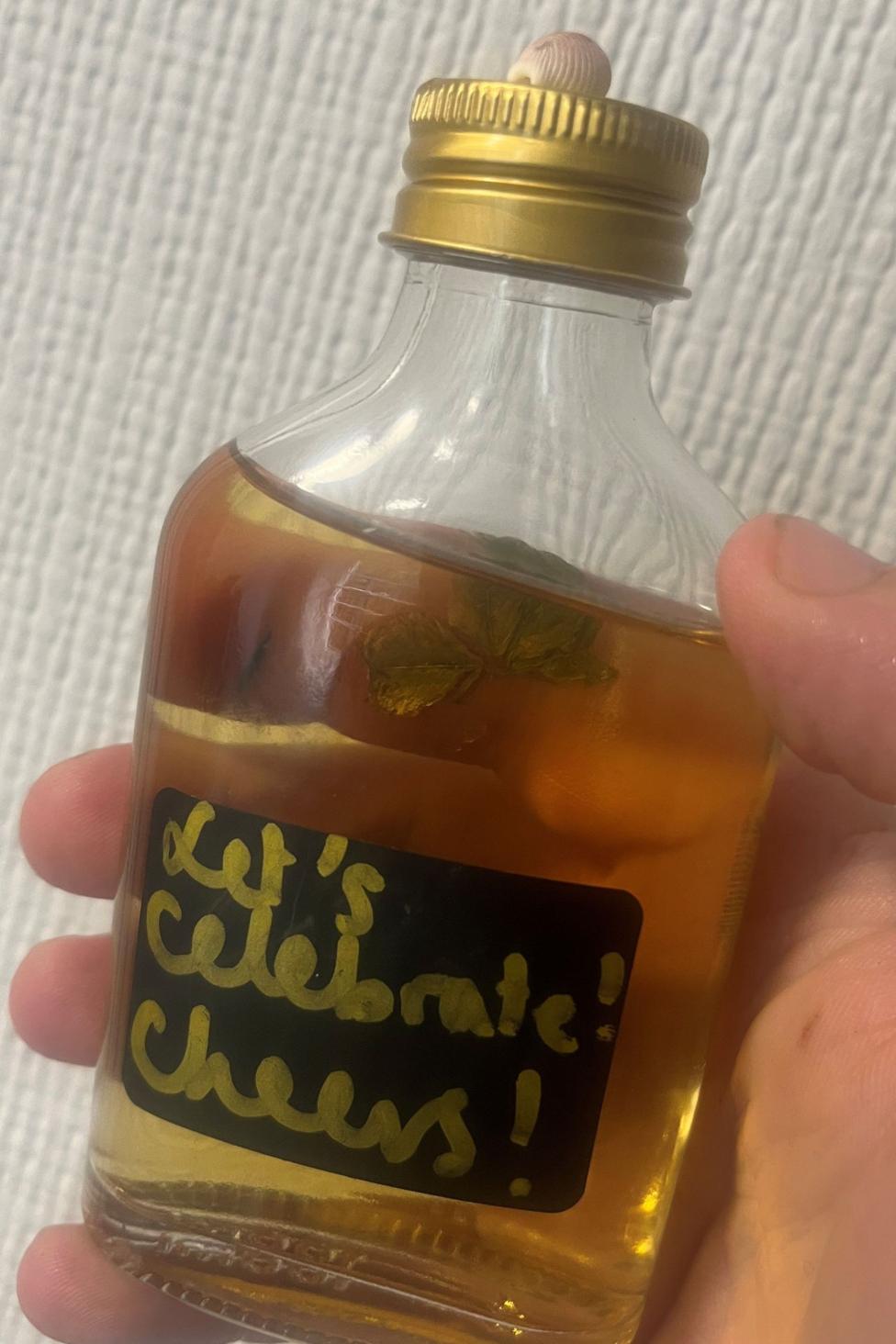
Over the years we have found a lot of magical four-leaf clovers here and have kept them in a book. We stuck a four-leaf clover to a glass bottle, glued a Groatie Buckie to the lid then filled it with whisky and gave it to each of the islanders. We raised the flag and everybody opened their whisky and shared a dram - a celebratory drink - together.
What makes North Ronaldsay distinctive?
North Ronaldsay stands as Orkney's most northerly island, accessible only by a 20-minute aircraft journey from Kirkwall or a two-hour-40-minute ferry crossing. The island has gained recognition for its population of seaweed-eating sheep, which are largely confined to the shoreline by a 13-mile drystone wall encircling the entire island—a unique feature that defines the landscape and agricultural practices of the community.
What are the family's future plans?
Although the family will relocate to Costa Rica in November, where Alice and Jorge operate a school, Alice is committed to ensuring Duncan maintains a connection to his birthplace. She intends to bring her children to North Ronaldsay annually, mirroring the experience her own mother provided during her childhood.
Duncan will absolutely be back every year. One of the things I want to give my children is the gift my mother gave us, bringing us to this island every summer, letting us run wild, explore the island and feel the connection to the community.
Alice views the opportunity to foster this bond with North Ronaldsay as a precious inheritance—one that will allow her children to experience the same sense of freedom, exploration, and community connection that shaped her own formative years on the remote island.