

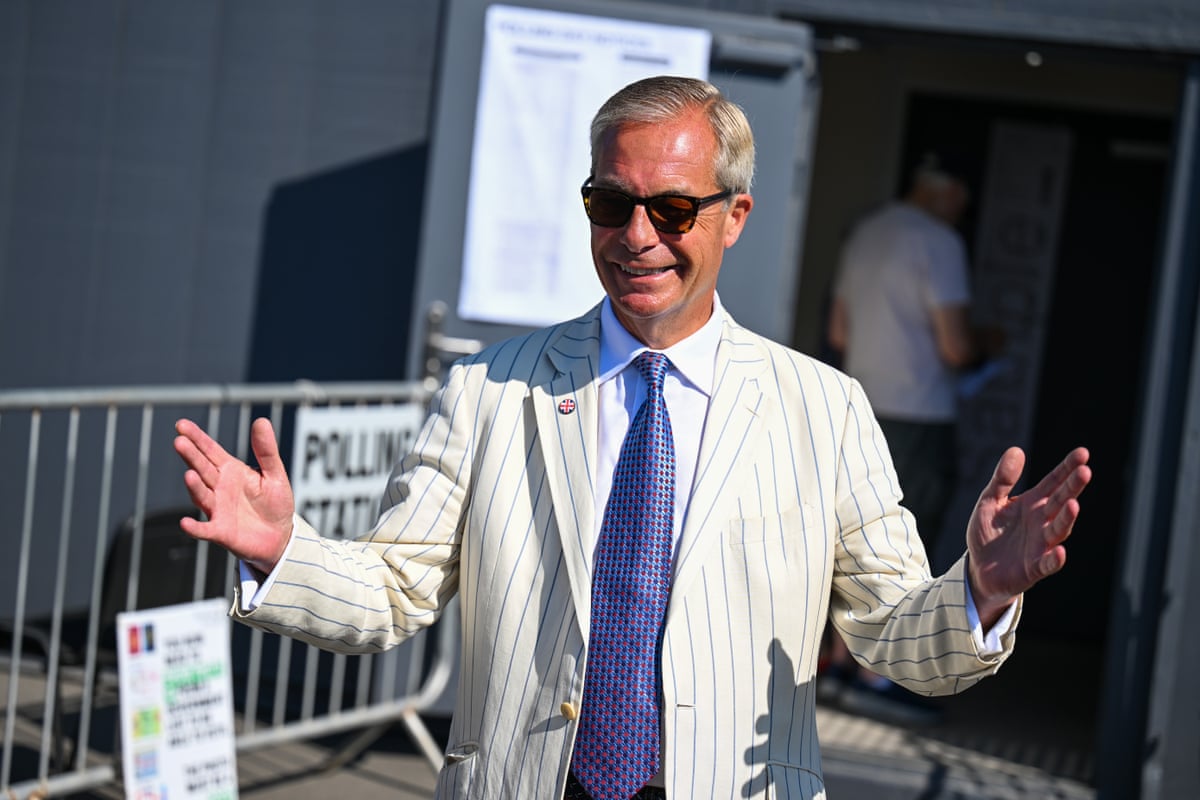
Nigel Farage was returned as the MP for Clacton after the byelection count concluded on the morning of 14 August 2026, with the Reform UK leader securing 21,225 votes, or 46.2% of the vote, according to parliamentary election records. Farage did not attend the declaration itself, having said he had been advised by Essex police of an organised attempt to embarrass him on stage during the result announcement.
Speaking at a "Farage Fest" event staged by Reform UK in Essex before the official declaration, Farage told supporters he had matched or exceeded his 2024 general election tally, which stood at 21,225 votes. He described the outcome in triumphant terms.
"convincing, overwhelming win"
He said his total would surpass what he achieved when he first won the seat two years earlier, according to reporting carried by .
Why did Farage stay away from the count?
Farage said he had received notice of what he called an "organised campaign" designed to "disrupt and degrade the result" during the live declaration, and that police had advised him accordingly. He chose not to appear at the traditional gathering of candidates and officials for the reading of the result, a departure from usual practice for a sitting or returning MP.
Acting returning officer Ian Davidson said the choice of whether to be present at the count rested entirely with Farage, framing it as a personal decision rather than a procedural requirement.

Who else stood against him?
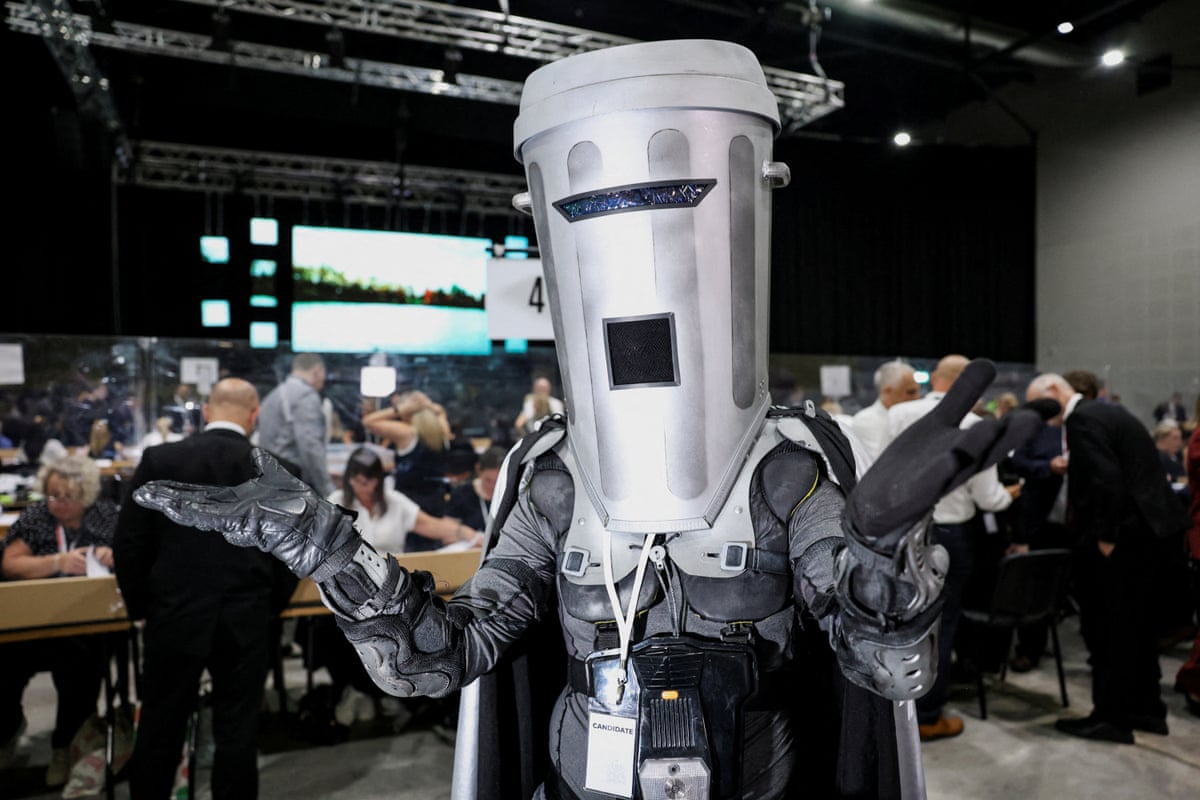
The Clacton contest drew a notably large and unconventional field once Labour, the Conservatives, the Liberal Democrats and Rupert Lowe's Restore Britain all opted against fielding candidates. Among those who did stand was the satirical figure Count Binface, who had been tipped by pre-election polling to finish as Farage's closest challenger, though still far behind.
According to a report from a national broadcaster, the byelection ultimately featured 34 candidates in total, making it the longest ballot paper in British electoral history.
What led to this byelection?
Farage stood down as Clacton's MP on 8 July 2026, triggering the byelection he now leads. He has said the resignation was intended to let voters settle claims made against him, though opposition figures across the spectrum dismissed the move as a "desperate stunt" aimed at sidestepping proper scrutiny, as detailed in earlier coverage of Farage's resignation and the resulting by-election.
The vacancy arose against the backdrop of a standards inquiry opened in May, after it emerged that Farage had accepted gifts from Christopher Harborne, a Thailand-based cryptocurrency entrepreneur, in April 2024. Farage has consistently denied that the gifts were connected to any inducement to stand for parliament, describing them instead as personal, and at different points attributing them to security costs and to recognition for his role in the Brexit campaign. Analysis published shortly after his resignation noted that the byelection would proceed with limited organised opposition from established parties, a factor widely seen as favouring Reform UK.
What happens next?
The count formally began at 22:00 BST on Thursday 13 August 2026, with the result confirmed the following morning, according to a national broadcaster's report. Farage's final tally of 21,225 votes and 46.2% share mirrors precisely the numbers he achieved when he first won the seat at the 2024 general election, when his majority stood at 8,405, per election records for that contest.
With the byelection now settled, attention turns back to the parliamentary standards investigation into the undeclared gifts. Should the House of Commons ultimately impose sanctions over the matter, Farage could face removal from his seat and a further byelection down the line, a risk that has hung over him since the inquiry opened.
Key Facts
- Farage won the Clacton byelection with 21,225 votes, or 46.2% of the total, matching his 2024 general election result.
- He declined to attend the official count after being warned by Essex police of a plot to disrupt the declaration.
- The ballot featured 34 candidates, including satirical contender Count Binface, making it the longest in British electoral history.
- The byelection followed Farage's resignation as Clacton MP on 8 July 2026 amid an ongoing standards inquiry over undeclared gifts.
- The count began at 22:00 BST on 13 August 2026, with results confirmed on the morning of 14 August.


