Disorder at a young offenders facility in September marked the most severe prison unrest in Scotland in ten years, officials have confirmed. The incident at HMP & YOI Polmont involved approximately 30 inmates and required reinforcements from officers stationed at four other facilities to restore order. According to BBC News, Linda Pollock, chief executive of the Scottish Prison Service (SPS), characterised the outbreak as symptomatic of mounting pressure within the system.
The riot occurred on 26 September and resulted in significant damage to the facility, with several prison officers sustaining minor injuries. The incident has intensified concerns about the sustainability of Scotland's prison estate, which is operating substantially above its intended capacity. Government projections released on 29 October indicate that the prison population could reach between 8,350 and 9,450 by June 2027, representing a potential increase of up to 1,650 above the current design capacity of 7,805.
What triggered the disorder at Polmont?
Pollock attributed the outbreak directly to escalating tension caused by overcrowding within Scotland's prisons.
We did have disorder in Polmont, there was destruction there and we had to take control of the situation. People in custody are becoming frustrated by the overcrowding conditions, the impact that has for them and restricting the opportunities they have for rehabilitation.According to STV, prisoners were understood to have been armed with homemade weapons during the incident, and the affected wing was locked down for several hours before order was restored in the early morning hours.
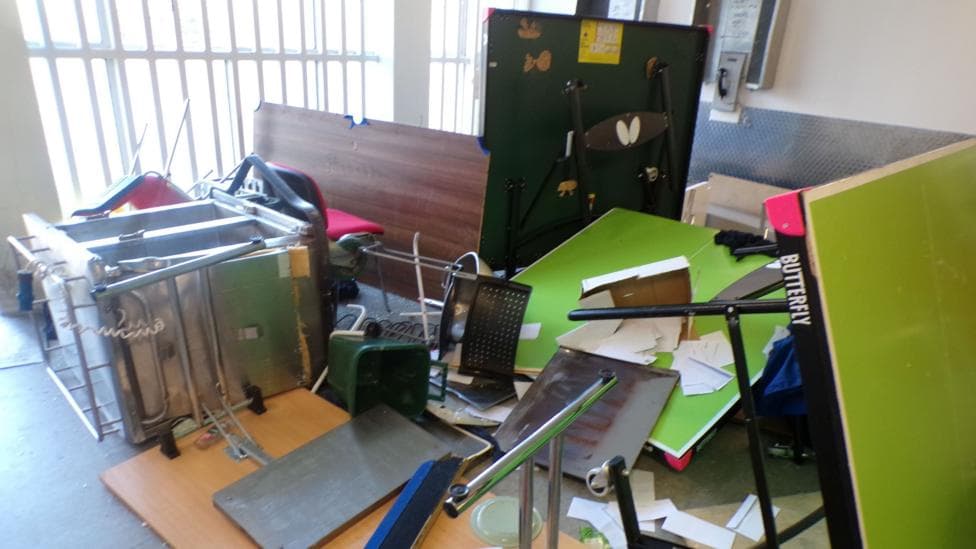
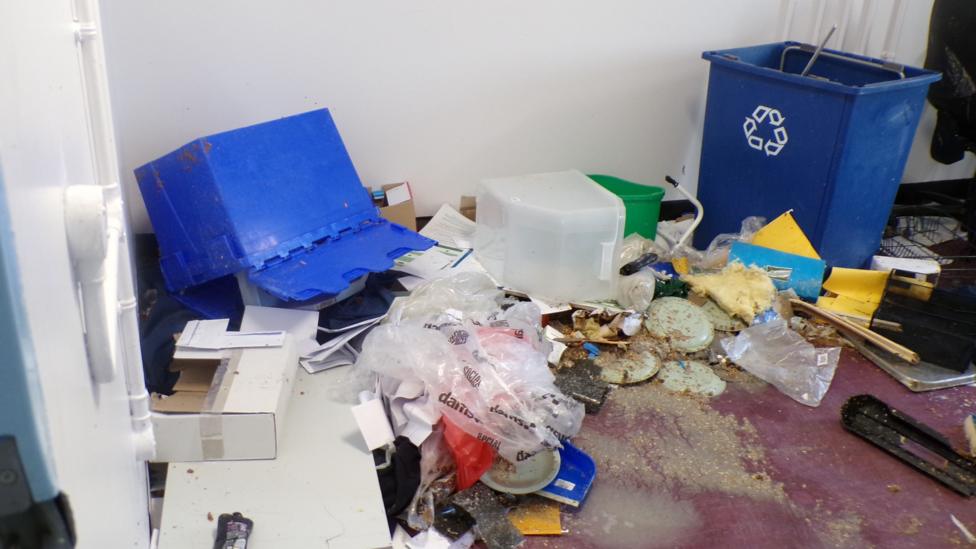
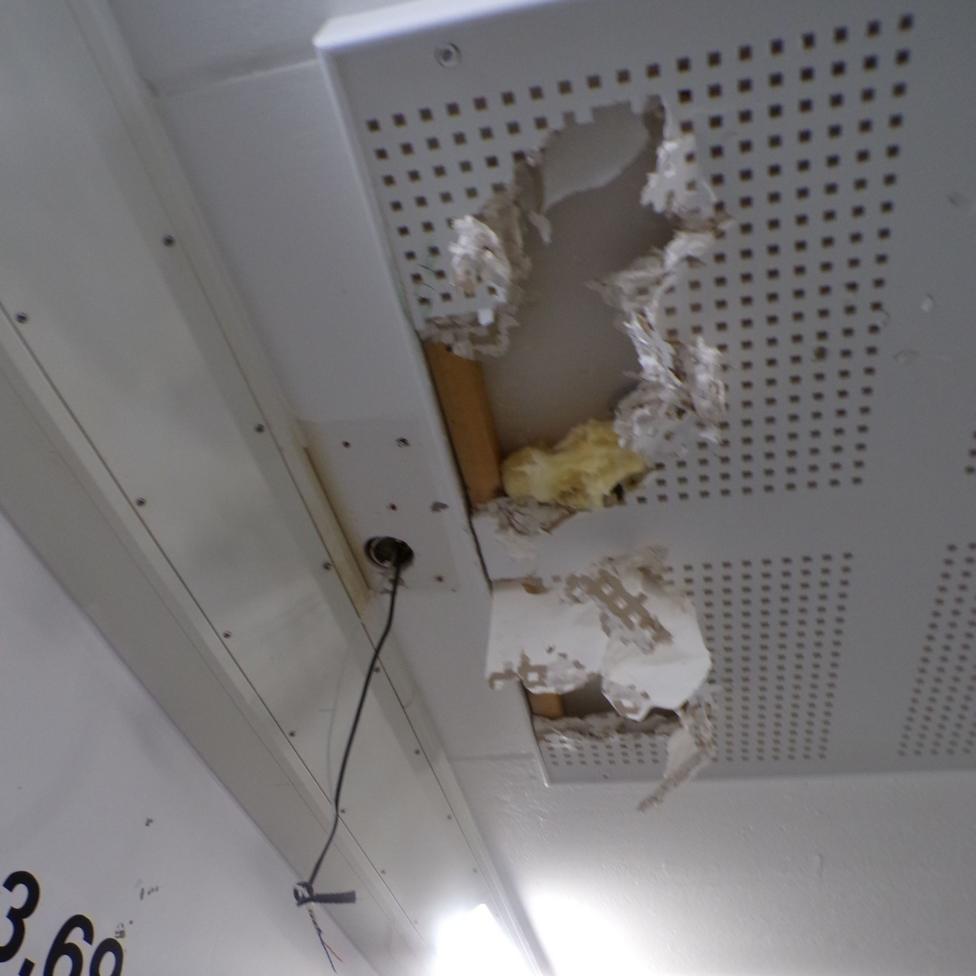
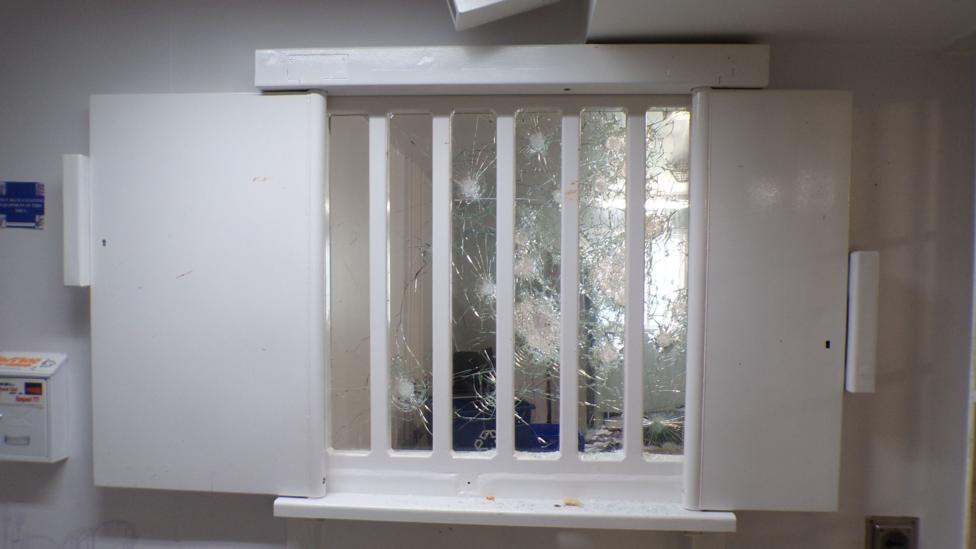
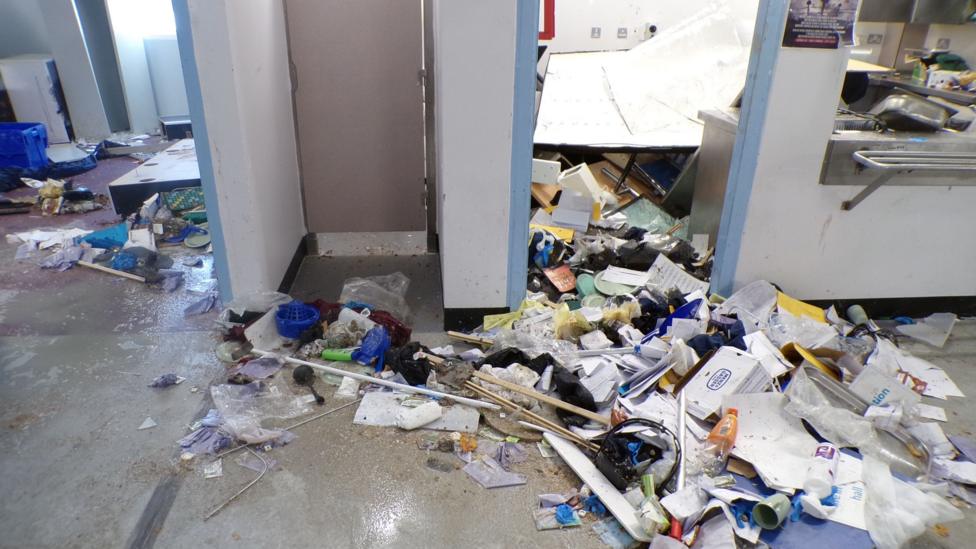
Images released by the SPS reveal the extent of the damage: ceiling panels were torn out, furniture lay broken and scattered across the hall, and a glass window was shattered. Police Scotland is investigating the incident.
How serious is the overcrowding crisis?
Scotland's prisons are currently holding approximately 8,500 inmates in a system designed to accommodate 7,805. The population reached a record high of 8,603 on 26 May 2026, prompting emergency measures to ease pressure. Since June 2024, roughly 1,600 prisoners have been released early through waves of emergency releases and changes to release thresholds. The automatic release point for some short-term prisoners was lowered from 50% to 40% and then again to 30%, though these changes did not apply to those convicted of sexual crimes or domestic abuse.
Despite these interventions, inmate numbers have remained well above design capacity. The number of long-term prisoners has grown by approximately 700 over the past two years, partly driven by increased convictions for serious organised crime and historic sexual offences. The SPS has introduced special measures including double-bunking—housing two prisoners in cells designed for one.
What warnings have prison leaders issued?
Pollock issued stark warnings about the trajectory of the prison system.
We are seeing bubbling tension across the estate. We pushed our prisons to the brink and now we are at the brink and action needs to be taken.She cautioned that Scotland faced serious risk of a return to disorder levels not witnessed since the 1980s if conditions did not improve.
The comparison carries historical weight. In 1987, major riots erupted at HMP Barlinnie and HMP Peterhead, both triggered by poor conditions including 'slopping out'—the practice of using buckets in cells as toilets. Prison officers were taken hostage on both occasions. Pollock highlighted a recent water supply interruption at HMP Barlinnie as evidence of the fragility of Scotland's ageing prison infrastructure. Government data shows the remand population could fluctuate significantly, with projections ranging from 1,450 to 3,250 by June 2027, compared with 2,109 on 1 October 2026.
Pollock stated that the current system was approaching breaking point and that action was essential to prevent it from breaking entirely.
The predicted increase would make it impossible to safely accommodate prisoners and protect the welfare of staff.
What do prison staff representatives say?
Phil Fairlie, assistant secretary of the Prison Officers' Association (POA), described the projected population increase as troubling. He warned that the prison service could reach a point of refusing admission to new inmates if projections proved accurate.
From the outset the POA said that the early release scheme would only provide temporary relief and that the spaces freed up would immediately be filled by newly convicted prisoners. We need urgent action to address the lack of prison accommodation and the understaffing of the prison estate, and vastly improved support for our members who are on the frontline of this crisis and working under intolerable pressure.

What reforms is the government considering?
Justice Secretary Neil Gray stated that the government is examining reforms to establish a sustainable prison population. In June, the Scottish government launched a consultation on permanent measures to address overcrowding, which closed on 20 August 2026. The proposals include several significant changes to sentencing and release policy.
One proposal would redefine long-term prisoners from those serving four years or more to those serving five years or more, which would push some inmates into categories allowing automatic release after serving less than a third of their sentence. Another suggestion would alter the automatic release point for long-term prisoners—including those convicted of murder, rape and child abuse—to two-thirds of their jail term, compared with the current six-month-before-release threshold if parole is not granted.
A third proposal would encourage judges to avoid issuing prison sentences of less than two years, raising the presumption against short sentences from the current 12-month threshold. These proposals stem from recommendations in a report by the Scottish Sentencing and Penal Policy Commission and would require parliamentary approval to take effect.
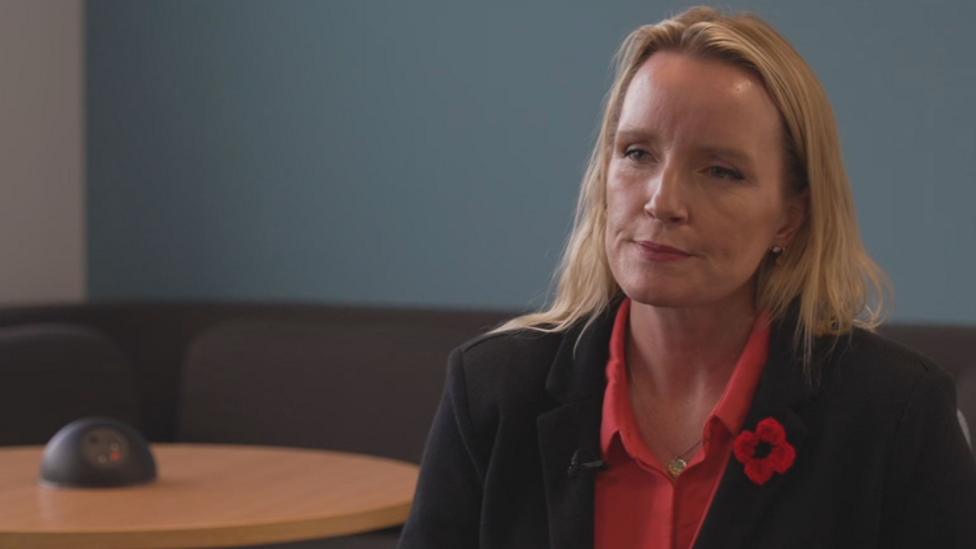
Gray acknowledged that further action was necessary beyond current efforts.
To ease the pressure, we have maximised capacity across the prison estate by 640 over the past three years and we are building two new prisons. Alongside expansion of the prison estate, the reforms will strike the right balance across custodial sentences, community sentencing and the need to robustly protect victims and the public.
What new prison facilities are planned?
Two major construction projects are underway to expand Scotland's prison capacity. HMP Highland, a new £209 million facility, is scheduled for completion later this year and will replace the 124-year-old HMP Inverness with capacity for 200 inmates. HMP Glasgow, a replacement for the 143-year-old Barlinnie, is expected to open in 2028 at a cost of nearly £1 billion. The 1,344-capacity facility was originally scheduled to be ready in 2025, with cost estimates in 2022 putting the final bill at £400 million.
What are the political responses?
Scottish Labour's justice spokesperson, Pauline McNeill, characterised the situation as untenable.
The justice secretary must come forward with a comprehensive, long-term plan for tackling these issues, including evaluating proper alternatives to custody and supporting hardworking prison staff.Scottish Conservative justice spokesman Stephen Kerr criticised the Scottish National Party's approach.
The SNP's only answer is to water down the consequences for criminals after two decades of failing to build the prisons Scotland needs. Enough is enough. The SNP must stop putting the needs of offenders ahead of public safety.
What happens next?
The Scottish government is currently considering responses to its consultation on penal reforms, with no decision date yet specified. The outcomes of this review will determine which, if any, of the proposed changes to sentencing policy and release thresholds proceed to parliamentary consideration. Meanwhile, the SPS continues to manage an increasingly strained system while awaiting completion of the new prison facilities.