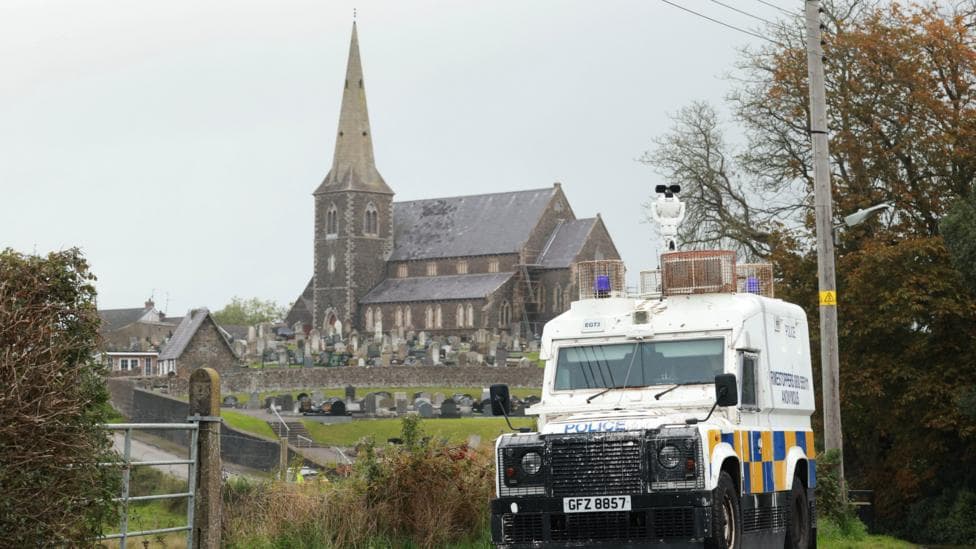
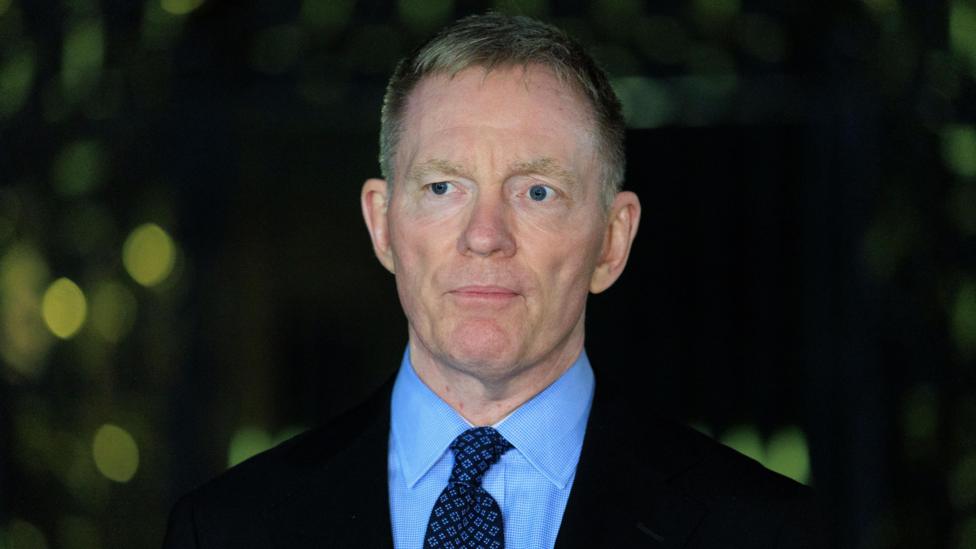
The long-running Drumcree parading dispute has returned to the courts on Monday, with the Portadown Orangemen and Garvaghy Road residents pursuing separate legal challenges from opposing positions. The competing cases follow Friday's decision by Secretary of State Sir Chris Bryant to prohibit the march after receiving guidance from police leadership.
Although the ban has temporarily reduced the immediate security threat, the underlying disagreement remains unresolved, with both parties now turning to judicial intervention to advance their interests.
What is the Garvaghy Road dispute about?
The dispute centres on a proposed parade by 35 members of Portadown District Orange Lodge scheduled for 27 September. The march was blocked when an unlawful protest occupied the predominantly nationalist Garvaghy Road, triggering a two-week standoff that has strained police resources and community relations.
The Parades Commission, established in 1998, had originally barred the parade from Garvaghy Road in that year, a decision upheld for 28 years until a recent court ruling permitted it to proceed. However, Sir Chris Bryant's intervention has created a legal puzzle: although he banned the parade, he did not formally overturn the commission's original determination, which technically remains in force.
The dispute's roots run deeper into Northern Ireland's history. The first major confrontation occurred in July 1995, when police rerouted the parade, an action followed by two days of rioting in loyalist areas.
What are the Orangemen challenging?
Portadown Orangemen are seeking judicial permission to contest the secretary of state's decision to ban the parade on multiple grounds, including the police assessment that underpinned the prohibition. An emergency hearing took place at Belfast High Court on Saturday, but the judge adjourned the case until Monday, determining it did not meet the threshold for urgent treatment.
What is the residents' group challenging?
The Court of Appeal is scheduled to rule on Monday whether the Garvaghy Road Residents' Coalition can challenge the original Parades Commission determination that allowed the parade to proceed. The court heard nearly four hours of arguments from three judges before reserving judgment on the residents' challenge.
A lawyer representing the residents' group argued that the commission's decision contained flaws in how it assessed the potential for disorder if the parade were permitted to go ahead.
Why did the Secretary of State intervene?
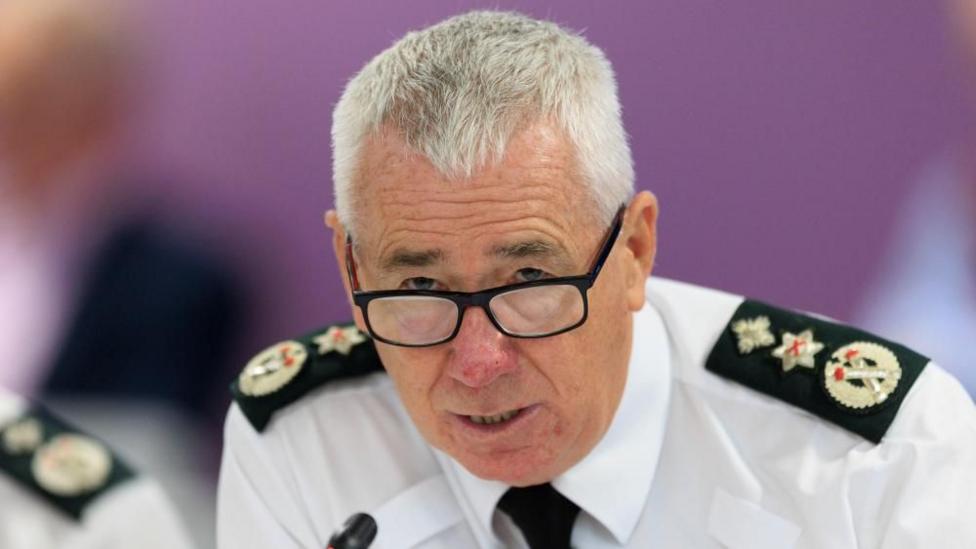
Chief Constable Jon Boutcher made an urgent appeal to the Secretary of State on Friday, warning that the situation had reached a critical point. Boutcher stated that "proportionate options" for policing the parade had been "exhausted" and that any police operation to clear the route would carry "catastrophic" consequences for public safety and community relations.
The policing operation surrounding the standoff has already cost approximately £5 million, predominantly through officer overtime expenses. The Secretary of State indicated he had explored two possible negotiated agreements before deciding to ban the parade; neither was successfully concluded.
What happens next?
The Court of Appeal was expected to deliver its judgment on the residents' challenge at 14:00 BST on Monday. The Orangemen's legal challenge to the Secretary of State's ban was also scheduled to resume on Monday following the adjournment from Saturday's emergency hearing.
Key Facts:
- The parade ban was issued on Friday following police advice that policing options had been exhausted
- Policing the standoff has cost approximately £5 million in overtime expenses
- The Parades Commission's original 1998 decision barring the parade remained technically in force despite the Secretary of State's ban
- Both the Orangemen and residents' group pursued separate court challenges on Monday
- The dispute has roots extending back to a major 1995 confrontation that resulted in loyalist rioting