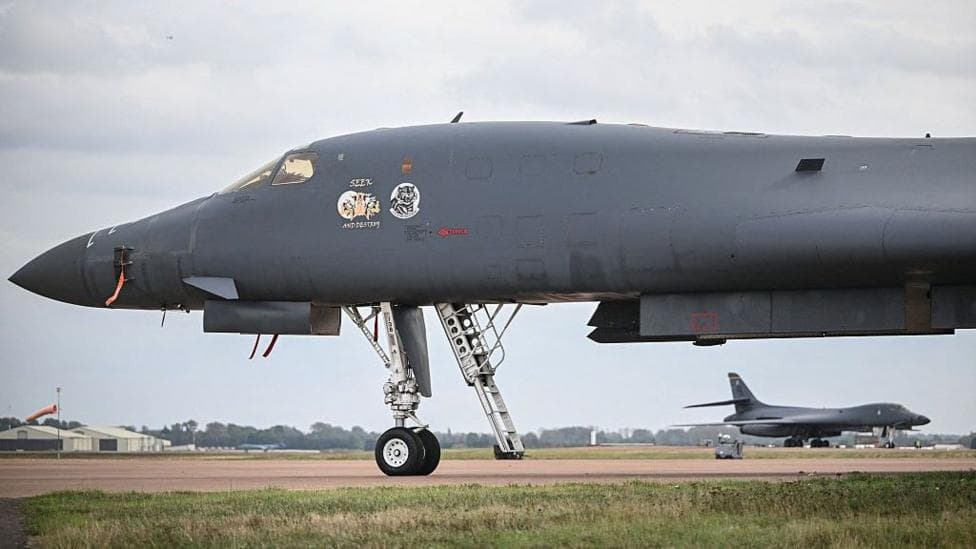
The United States has removed all of its bombers from RAF Fairford in Gloucestershire following security concerns at the military installation. The Pentagon confirmed on Sunday that it had relocated its aircraft—approximately a dozen B-1B bombers—back to their home stations in America, according to reports citing US officials.
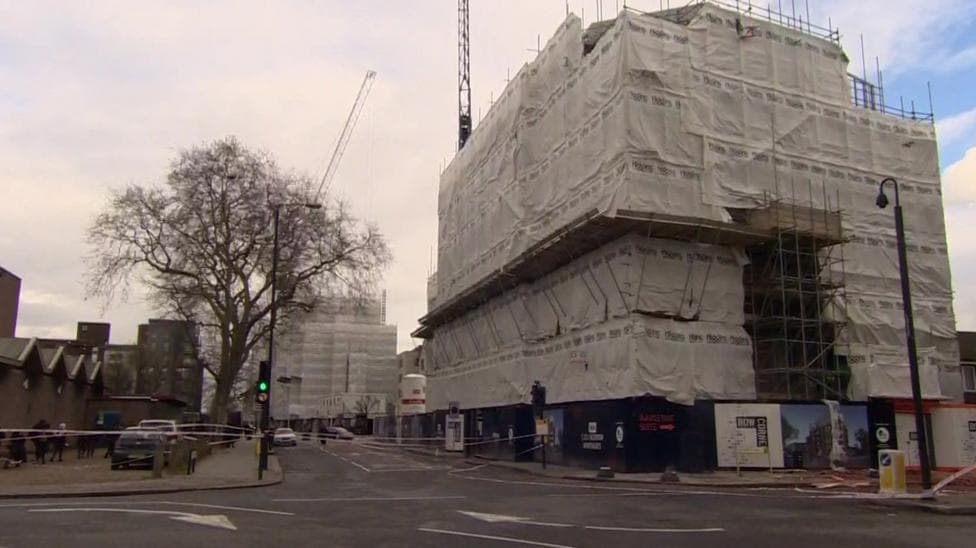
The withdrawal comes in response to a significant security incident on 27 September, when police were alerted to three suspicious vehicles near the airbase. According to police statements, no improvised explosive devices were discovered in the vehicles, though a quantity of petrol was recovered. The incident prompted a counter-terrorism investigation that continues to the present day.
A Number 10 spokesperson declined to comment on the specifics of foreign military operations but stated that the base remains secure. The official referenced US President Donald Trump's recent remarks, in which he "praised our police, defence and security services" in relation to the facility. Defence Secretary Wes Streeting similarly noted last week that "we have tried and tested approaches to defend our bases around the country and throughout the world".
What prompted the bomber withdrawal?
US media outlets reported that the decision to remove the aircraft stemmed from fresh intelligence regarding a potential threat. According to the New York Times, US commanders had received new warnings about an Iran-backed plot targeting RAF Fairford, based on information from two US officials. The newspaper indicated that while the new intelligence formed part of the same threat warnings from three weeks prior, officials accelerated their response after specific details emerged within the previous 24 hours.
Whitehall sources have not disputed that Washington's decision to withdraw the bombers was made in response to the Gloucestershire incident. Officials have characterised the decision as a military rather than political one, taken at an operational level and communicated from US military leadership to their British counterparts.
What is the counter-terrorism investigation?
RAF Fairford, situated near the village of Whelford in the Cotswolds, is at the centre of an investigation being led by counter-terrorism police. Five men were initially arrested on suspicion of terror offences and subsequently released on bail. A sixth man, identified as a UK-Iranian national, was also arrested and later released on bail.
Counter Terrorism Policing has confirmed that the investigation is continuing with officers pursuing multiple lines of enquiry, including possible foreign-state involvement.
Prime Minister Andy Burnham stated days after the incident that there were "strong indications" that Iran had played a role, though he provided no further specifics. US Secretary of State Marco Rubio similarly remarked on Fox News that the matter "clearly involve[d] the hands of a foreign actor" without elaborating. Tehran has categorically denied any involvement in the incident.
What is the strategic significance of RAF Fairford?
RAF Fairford has served as a forward operating location for the United States Air Force for decades. In recent months, the base has hosted B-1 and B-52 bombers conducting operations in the Middle East. The UK approved US use of the facility for strikes on Iranian missile sites after the US-Israeli conflict with Iran began on 28 February 2026. According to available reports, approximately a dozen B-1B bombers had been stationed at Fairford, while six B-52s had returned to the United States in a drawdown late the previous month.
What has Iran said?
In July, Iran declared that "any base used for aggression against Iranian territory constitutes a legitimate target for our forces". The statement reflected broader tensions between Iran and Western military operations in the region. Despite suggestions from UK and US officials regarding Iranian involvement in the RAF Fairford incident, Tehran has maintained its denial of any connection.
What happens next?
The counter-terrorism investigation at RAF Fairford remains active, with officers continuing to examine evidence and pursue various investigative leads. The Pentagon has not publicly confirmed the specific security rationale for the bomber withdrawal, leaving questions about the timeline for the aircraft's potential return to the base.