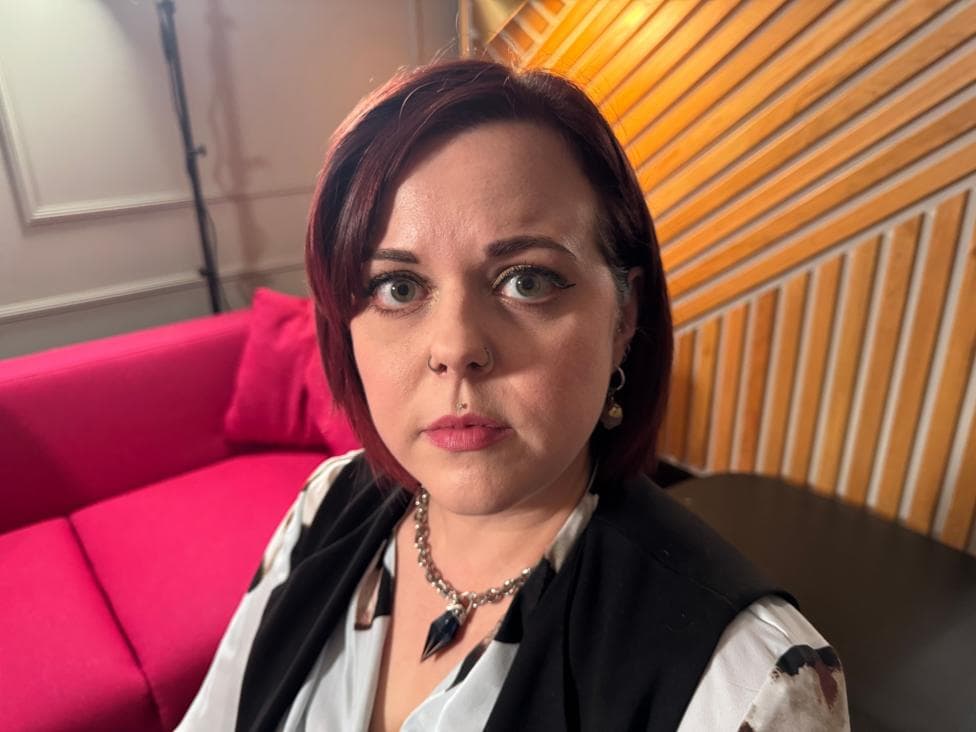
Three women whose abusive ex-partners are being released early from prison under the government's controversial scheme have expressed serious concerns about their safety. The women have been notified by the Ministry of Justice (MoJ) that their attackers will leave custody ahead of schedule as part of plans to address severe overcrowding in the prison system.
Around 700 offenders are set to leave prison in England and Wales on 1 October under the early prisoner release plan, with a further 3,800 scheduled for release over the next year. According to the government's revised plan, approximately 2,550 prisoners are expected to be released by the end of 2026.
Prisons across England and Wales are operating at 98% capacity, with the latest government figures showing only 1,134 spaces remaining in the adult male prison estate—the lowest figure of vacant beds recorded this year. Prison staff have told officials they are increasingly forced to place inmates in unsuitable cells because of the shortage of space.
A victim's fear of violence
Claire Milne's ex-husband, Robert Dales, was convicted in March of coercive control and possessing offensive weapons, including samurai and ninja swords. He received a three-year prison sentence. The MoJ recently informed Milne that Dales, 36, would be released early.
I am scared that he will come after me. I don't want to die. I am not a silly woman - I know that I've been in a very high-risk domestic abuse relationship and I know what he's capable of because I lived it.
Milne described the pattern of abuse she endured during their relationship.
There was physical violence. There were threats to kill, there was punching of doors, punching of walls. I trod on egg shells throughout the entire relationship and it was almost like I had to coach myself into what to say just to ensure there wouldn't be an escalation.
She expressed anger at the government's approach, saying she felt they were
not listening to victims.
![A graphic reproducing text from a letter sent to a victim of crime about the perpetrator being released from prison early. It starts with a heading that reads "Outcome of the review” and is followed by this text: “I can now confirm that the offender in your case [redacted] has a revised release date. This means the offender is expected to be released in the week beginning 9th November 2026. I recognise that this information is likely to be unwelcome or distressing, and that learning of this change may bring a renewed sense of uncertainty or concern for you. I want to reassure you that detailed plans will be put in place to manage any risks associated with [redacted] release into the community. Your safety, and the safety of the wider public are central considerations in this planning. I have explained below what will happen next, including how the Probation Service will manage the offender's release and how you can share your views to make representations about licence conditions if you wish to do so."](https://wqnovwjiqwsmmfbpgeoh.supabase.co/storage/v1/object/public/673c0879-db28-43de-8123-dd776ef80c68/2026/10/01/1790834407067-40ef25f6e02a.png)
How does the early release scheme work?
Under the new scheme, inmates serving sentences of up to 19 months will be released after completing one-third of their jail term. Most prisoners had previously expected to spend 40% of their sentence behind bars, with the remainder served in the community under licence. From 13 October, a second tranche of 650 prisoners serving sentences between 19 months and two years and five months will be released. Inmates will be released in nine tranches until June next year.
Those serving longer sentences, including more dangerous criminals, will not become eligible for the scheme until next year. They had previously expected to spend two-thirds of their sentence in prison but will instead complete half of their term behind bars before spending the rest of their punishment in the community on licence.
The revised scheme excludes 71 listed offences, including manslaughter, rape, and sexual and grooming offences. However, domestic abuse offences are not excluded as a category, meaning perpetrators convicted of coercive control and other domestic violence crimes remain eligible for early release.
Other victims speak out
Christopher Haynes, a former primary school teacher, was sentenced in April to 21 months in prison after admitting to coercive control against his now ex-wife. He is due for early release in November.
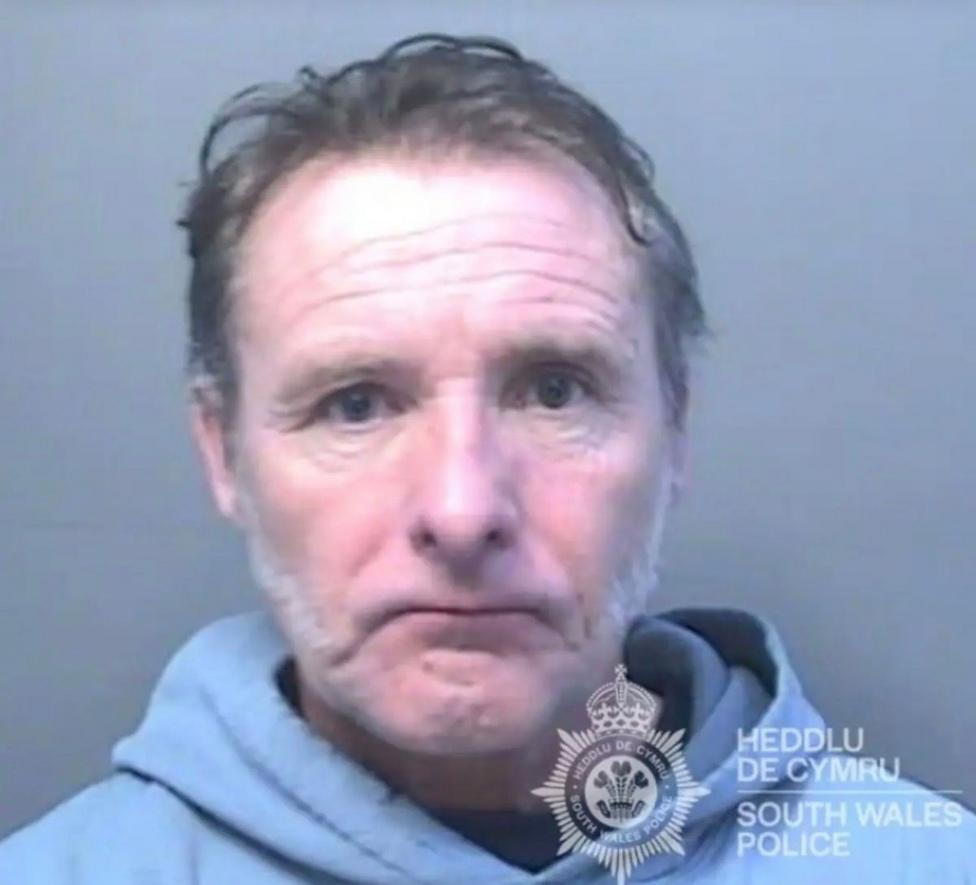
His ex-wife, Karen Haynes, told officials she was devastated by the decision.
We have fought so hard and we have had to use every inch of the system to get justice. I just find it devastating that somebody [who] can admit all of that can be released after only doing seven months of a custodial sentence.
She expressed particular concern about the timing of his release.
He always made Christmas so hard. We were constantly scared, we wanted one Christmas without him and without us being frightened he will turn up - but it looks like we won't even get that now.
Another victim, Alice—not her real name—was subjected to domestic abuse by her ex-partner, who is due to be released later this month. She requested anonymity because she fears what he might do.
I am terrified. I had only just started to feel safe and to process what I had gone through.
She described her emotional response to learning of his early release, saying
it felt like the rug had been pulled out from underneath me. Alice expressed frustration about her lack of preparedness for his release.
I don't feel prepared in the slightest and I don't feel safe.She explained that she had been considering purchasing a doorbell with a camera to help her feel safer but could not afford one.
Alice was critical of the scheme's impact on victims.
I think the early release scheme is a joke to victims and survivors, who spent years preparing for trial, going through evidence and re-traumatising themselves to go to court, just for the perpetrator of their crimes to be released after just 33% of their sentence.
Why is the government releasing prisoners early?
The MoJ has argued that releasing prisoners early is necessary to prevent the prison system from collapsing. Officials stated that offenders jailed for rape, child sex abuse offences and manslaughter would remain in prison, but extending restrictions further would risk system-wide failure.
However, probation officers have warned that many people released early may have nowhere to live and that probation services could struggle to supervise them. This raises concerns about the practical capacity to manage the increased number of offenders in the community.
An MoJ spokesperson said the government was investing £1 billion in support services, including placing domestic abuse specialists in 999 call centres. Additionally, the government has announced £10 million for victim support, a national helpline and a greater role for victims in setting licence conditions.
Concerns about monitoring and victim safety
A recent report raised serious concerns about electronic tagging, which is used to monitor offenders' movements in the community. The report found that almost half of tags were not fitted on time, raising questions about whether released prisoners can be effectively supervised.
The MoJ said that anyone released would face
the toughest-ever controls on their movements, including world-first restriction zones and the largest expansion of electronic tagging, with victims having a say in their perpetrators' licence conditions.
Official response to criticism
Dame Nicole Jacobs, the domestic abuse commissioner for England and Wales, called the scheme
shamefuland said she had received
no assurance that the danger perpetrators pose has been properly considered and assessed with meaningful input from victims.
Ultimately, we cannot ignore the fact that the early release scheme has caused untold damage to victims' confidence in the justice system.Dame Nicole called on Prime Minister Andy Burnham to
take urgent steps to address thisand urged the probation service to be given
the resources it needs to safely manage more offenders in the community. She also called for additional funding for domestic abuse services to support victims.
Justice Secretary Alex Norris acknowledged the concerns raised.
We would have liked to have gone further in terms of restricting who was eligible for early release.He added that
we've been having individual conversations with victims so that restrictions could be shaped around their lives.
I'm conscious of their anxiety and we're doing everything we can to make sure that those individuals, if they leave prison, are subject to those very significant controls.
Background to the scheme
The scheme's start was delayed from September to October while the government reviewed which offences would qualify for early release. This review followed significant criticism from victims' groups and concerns raised by the Domestic Abuse Commissioner about the decision not to exclude domestic abuse perpetrators as a category.
What happens next
The first tranche of approximately 700 prisoners is scheduled for release on 1 October. A second group of 650 prisoners serving sentences between 19 months and two years and five months will be released from 13 October, with further tranches continuing until June next year. Those serving longer sentences will become eligible for the scheme from next year onwards.