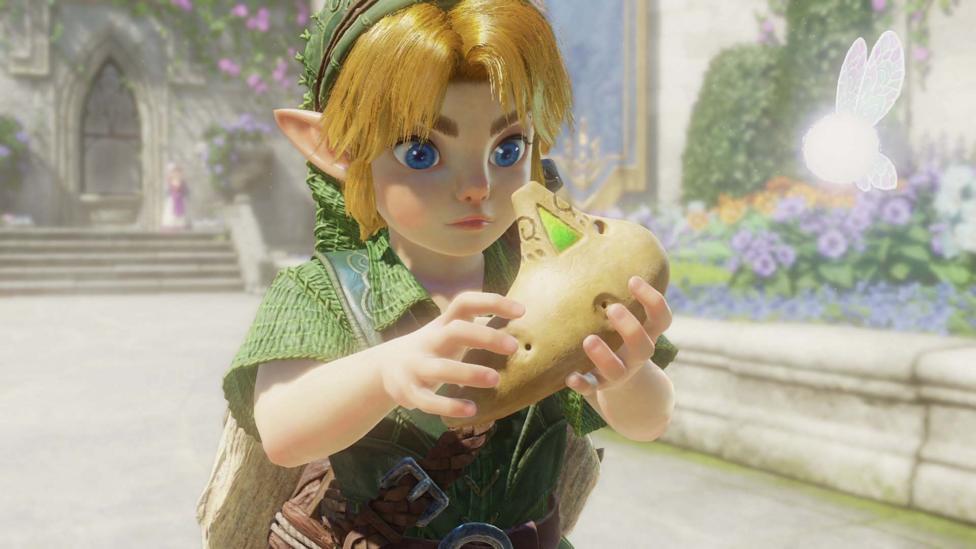
Nintendo has released a remake of The Legend of Zelda: Ocarina of Time following years of speculation about whether the company would revisit one of gaming's most celebrated titles. According to BBC News, the remake launched exclusively on Nintendo Switch 2 on November 5, 2026, and has already become the platform's top-selling title. The Verge reported that the remake introduces substantial modernisations including free camera control, a dedicated jump button, sprinting mechanics, fully voiced cutscenes, and a "Threads of Time" feature for tracking player progress.
The original Ocarina of Time, released in 1998 on the Nintendo 64, fundamentally shaped how 3D games are designed. When it launched, IGN described it as "the biggest game of the decade," and it established conventions that remain standard today—mounted combat, sword-and-shield mechanics, and lock-on targeting systems all originated or were perfected in this title. The game achieved near-universal critical acclaim and has maintained the highest rating on Metacritic across all games released to date. The 2026 remake marks the Zelda franchise's 40th anniversary and represents only the second full remake of Ocarina of Time, following a 2011 version.
How does a developer remake a masterpiece?
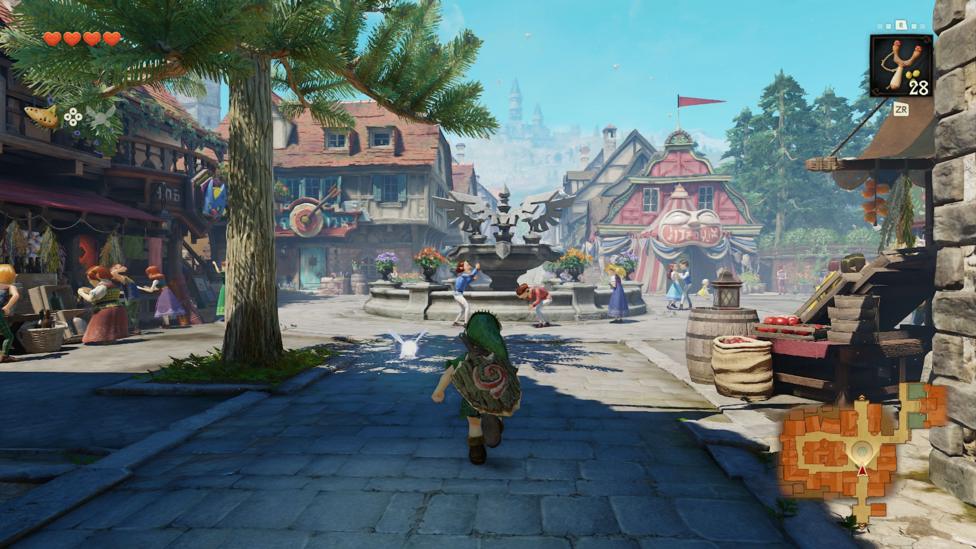
Nintendo chose to preserve the core experience rather than fundamentally reimagine the game. The developer maintained the essence of the original while leveraging three decades of technological advancement. Producer Hidemaro Fujibayashi explained the philosophy:
"When you compare the games in the past and the games in modern times, so to speak, the norms of what people expect from a game have evolved naturally. In the past, games where the users may have needed more imagination to fill the blanks or the gaps are now clearly expressed through the graphics that they see on the screen."
The visual overhaul represents a significant departure from the original's aesthetic. Rather than pursuing photorealism, the remake adopts a more stylised, cartoonish approach. This shift proved necessary when addressing one of the game's most unsettling elements: the Skulltula House, a chamber where inhabitants have been transformed into human-spider hybrids. Series producer Eiji Aonuma, who worked on the original game, noted that enhanced graphics and lighting capabilities unintentionally amplified the horror of this sequence during testing.
"When we carried out the test play, the testers were telling us, 'Oh, this is too scary'. So of course, in the end product, we've made the necessary adjustments so that we can retain the same balance that we had achieved in the original."
Aonuma explained the broader challenge of modernising a classic:
"Back when we created the original Ocarina of Time, the means to convey or express ideas was limited compared with what we have now. With regard to even the so-called scary elements, we strove to add a touch of the comical."
What do gaming experts think of the remake?
Content creators and gaming analysts have responded overwhelmingly positively to the remake. Mike Channell, co-editor of the YouTube channel Outside Xbox, praised the meticulous craftsmanship evident throughout the project.
"Having played the game, it's clear that serious thought has gone into every decision, to the point where I'm not convinced this remake has taken any less time and effort than an all-new Zelda game. Ocarina of Time is obviously one of the great video game experiences in the history of the medium, but I have no doubt this new version will be the best way to experience this story. It's fleshed out as a world, sumptuously detailed, and the controls match 21st-Century expectations."
Ed King, known online as Zeltik and commanding 893,000 YouTube followers, highlighted the visual refinement and atmospheric depth.
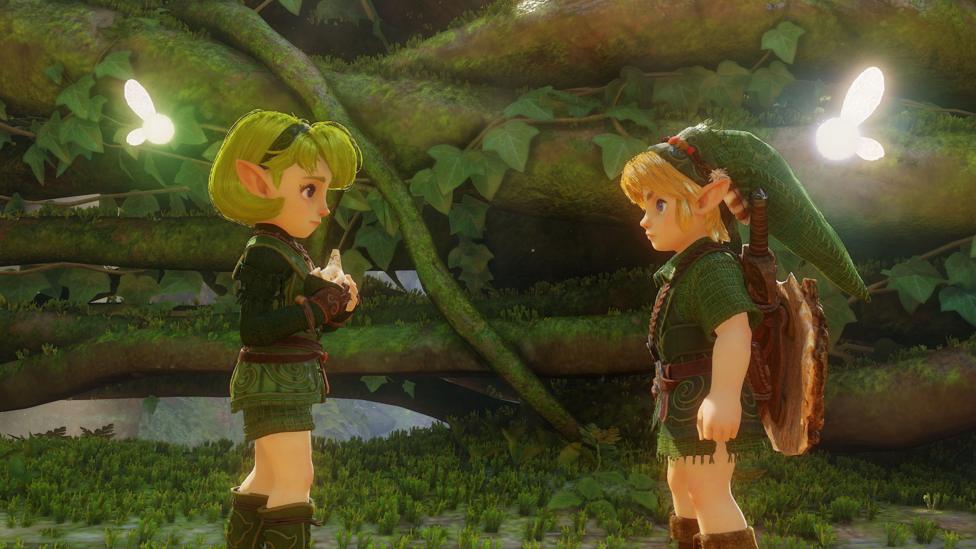
"The level of detail and charm in the Ocarina of Time remake stood out. The Forest Temple has always been my favourite Zelda dungeon: a mysterious, haunted mansion in the deep woods, a lost work of man slowly being reclaimed by nature. The remake really leans into the surreal, uncanny nature of the original dungeon."
YouTuber StrawHatMidas characterised the remake as an ideal revival of the classic.
"Not only does the game pay homage to the Nintendo 64 original, but it also expands on the things that made it so memorable. Everything from the world and atmosphere to the controls and soundtrack feels like a love letter to the classic Zelda formula."
What major gameplay changes did Nintendo make?
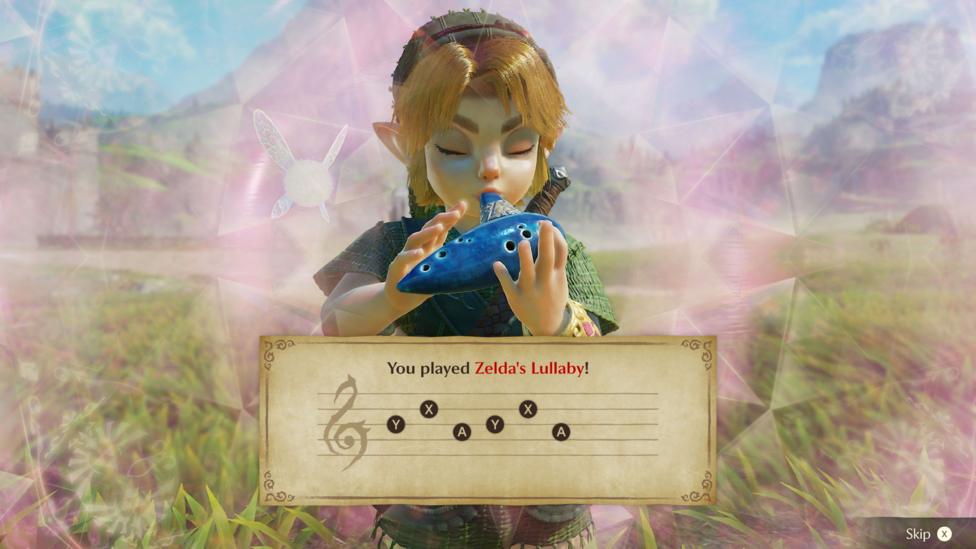
The most significant alteration concerns the Water Temple, a notoriously challenging dungeon positioned roughly two-thirds through the game. Aonuma identified this section as his primary target for revision, given its reputation for extreme difficulty. The remake introduces streamlined mechanics for managing the heavy boots—a critical item that alters water levels—and grants players enhanced camera control through improved orientation leverage. These adjustments substantially reduce the dungeon's notorious complexity without eliminating its challenge.
The dual-stick camera system represents another substantial improvement. The original game released during the Nintendo 64 era, when single-joystick control was standard. Modern gaming conventions employ two sticks—one for movement and one for camera management. The remake fully embraces this modern standard, providing significantly greater spatial awareness and reducing the camera frustration that plagued the original experience.
Has Nintendo been too conservative with the remake?
The remake's fidelity to the original creates a curious tension. Players familiar with the 1998 version benefit from muscle memory, allowing them to navigate environments and solve puzzles with minimal friction. This familiarity occasionally diminishes the sense of discovery and challenge that characterised the original experience. Some tasks yield too readily, and certain puzzles resolve faster than intended when players recall their solutions from decades past.
The question of whether Nintendo exercised excessive caution in its approach remains open. While the game incorporates numerous changes and surprises throughout its campaign, some observers wish the developers had ventured further from the established template. Fujibayashi defended the conservative approach:
"Even if the game may look different, we've maintained the essence that the original developers wanted to and hopefully conveyed through the original Ocarina of Time."
Channell offered a counterpoint to concerns about excessive similarity:
"I loved the original as much as the next person, but I don't think I'll be going back to it."This sentiment suggests that the remake's quality and modernisation may render the original largely obsolete for contemporary players.
How does the remake compare critically to the original?
BBC Newsround reported that the remake achieved a Metacritic score of 96 out of 100, placing it three points below the original's legendary rating. Despite this modest gap, the score represents the highest rating ever awarded to a video game remake and stands as the highest game score of 2026 at the time of publication. The New York Times reported that by November 7, the remake had claimed the number one position on Nintendo's digital storefront, though the company declined to release specific sales figures.
The critical reception reflects broader industry recognition that the remake successfully balances reverence for the source material with meaningful modernisation. Nintendo Life reported that director HokWai Ng and the development team undertook the remake partly to generate insights that could inform the direction of future Zelda titles, suggesting the project served both commercial and developmental purposes.
What does the future hold for the Zelda franchise?
The remake's success arrives amid broader expansion of the Zelda universe. The franchise is preparing to enter cinema with its first theatrical film scheduled for release in 2027, signalling Nintendo's commitment to extending the property across multiple media platforms. When asked whether Nintendo might consider remaking Ocarina of Time again in another 30 years as technology continues to advance, Aonuma responded with humour:
"I will be long retired."
The Ocarina of Time remake demonstrates that thoughtfully executed revivals of beloved classics can satisfy both nostalgic audiences and newcomers seeking modern gaming experiences. Whether this approach will define Nintendo's strategy for future franchise revivals remains to be seen, but the critical and commercial response suggests that carefully preserving the essence of a masterpiece while modernising its presentation represents a viable path forward.