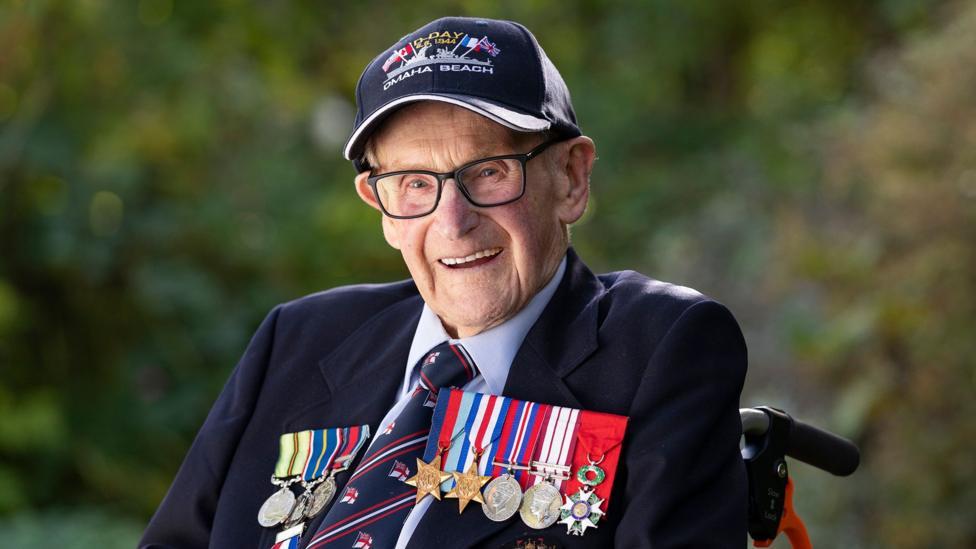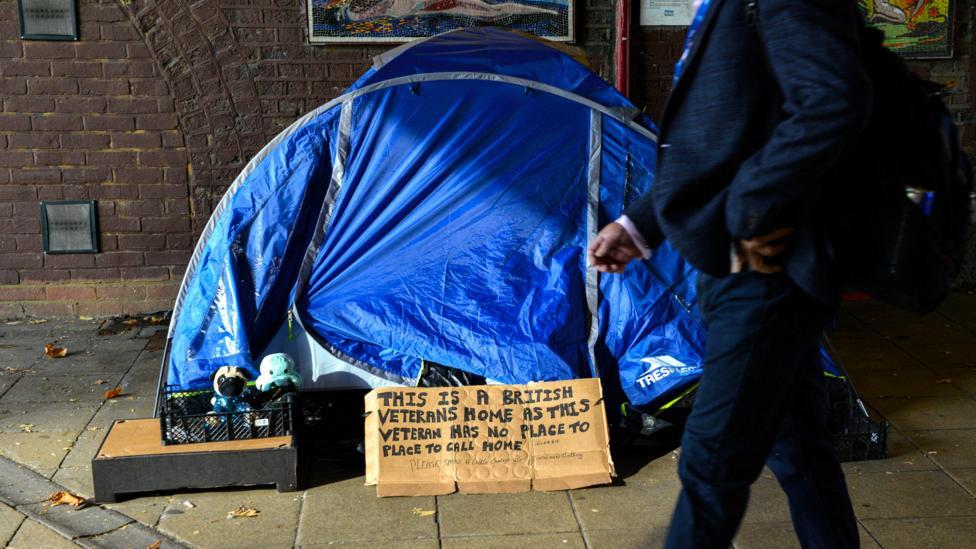
No veteran who served in the United Kingdom armed forces should face sleeping on the streets during the festive season, Prime Minister Andy Burnham has declared. According to BBC News, Downing Street confirmed that Burnham will personally write to councils across England on Armistice Day, 11 November, urging them to develop specific plans offering accommodation for veterans experiencing homelessness before Christmas.
The prime minister will emphasise that both national and local government must operate under a "simple principle" that "no one who has served our country should ever be left to sleep rough on our streets". Burnham will request that local authorities allocate part of the additional £874m already committed to tackling homelessness specifically towards housing veterans. The government has indicated that the Op Fortitude helpline has already supported more than 1,250 veterans into housing, demonstrating existing progress on this issue.
People who stepped forward prepared to put their lives on the line for the rest of us should never lack a roof over their head. When they need help, the country owes them more than warm words. It owes them a bed every night, a proper plan and someone in their corner from day one.
How will the government fund this initiative?
An additional £8.7m in funding will be distributed to eight organisations across the United Kingdom to assist housing providers in delivering support to veterans with complex needs, including those experiencing health or addiction difficulties. This allocation forms part of the Reducing Veteran Homelessness programme and is designed to fund targeted housing, employment and health support. Organisations receiving funding include Veteran Housing Scotland, Launchpad and SSAFA, the Armed Forces Charity.
This announcement precedes Remembrance Sunday and forms part of Burnham's broader strategy to provide accommodation to everyone currently sleeping rough during the winter months. The £442m Rough Sleeping Programme operates over three years and combines immediate accommodation before Christmas 2026 with settled housing and intensive support for people facing the greatest barriers to leaving the streets.
What is the scale of rough sleeping in England?
The most recent official figures documented 4,793 individuals sleeping rough on a single night during autumn 2025 in England, representing a record high. The number of people recorded as sleeping rough has increased consistently since 2021. The government has committed £4.4bn in total to ending rough sleeping across the country.
Burnham's focus on veterans reflects recognition that this group faces particular vulnerabilities. The National Plan to End Homelessness states that councils should provide veteran-specific support according to local need and commits to improving data on veteran homelessness and rough sleeping.
What is Burnham's track record on this issue?
The prime minister previously faced criticism from the Conservative Party for failing to end rough sleeping while serving as mayor of Greater Manchester. Burnham countered that Manchester's scheme attracted rough sleepers from neighbouring regions, contending that "it's only if everywhere does it at the same level that you can actually end rough sleeping". His current approach seeks to address this challenge through coordinated national and local action.
The government's strategy draws on lessons from the pandemic era. The Rough Sleeping Programme draws on a Covid-era approach that placed 37,000 people in emergency accommodation, including empty hotels and temporary shelters, demonstrating the feasibility of rapid large-scale housing interventions.
How can veterans access support?
The prime minister is urging any veterans who are sleeping rough, or those supporting them, to contact a UK-wide helpline on 0800 9520774 to be connected directly to housing and other specialist support services. Councils will be asked to work with local organisations and charities to address homelessness among veterans in their areas.
What happens next?
On 11 November, Burnham is scheduled to write to councils in England requesting they develop plans for veterans sleeping rough. The Rough Sleeping Programme's immediate priority is to move as many people as possible off the streets and into accommodation before Christmas 2026, with the initiative running for three years to provide sustained support beyond the festive period.