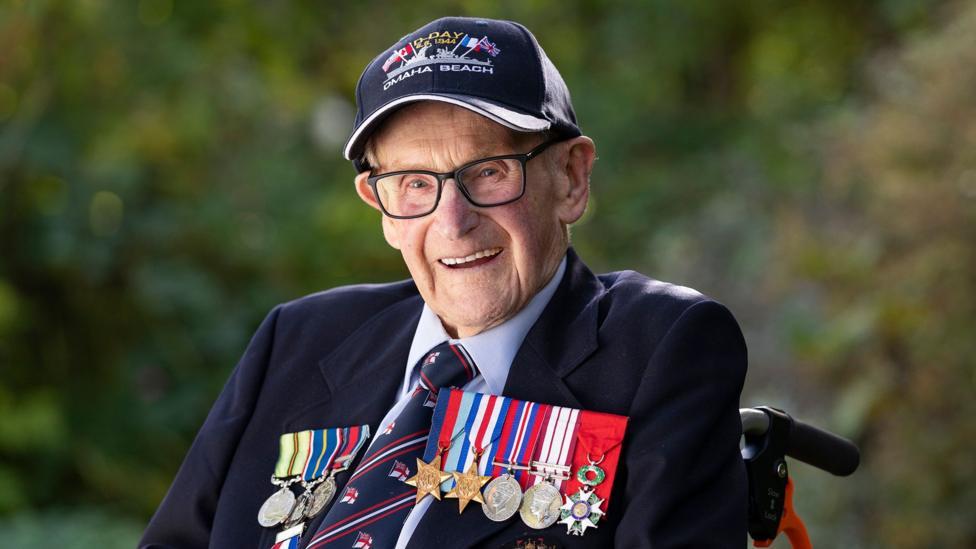
Charlie Horne, one of Scotland's final surviving veterans of the D-Day landings, has died aged 100. The former minesweeper who helped clear sea mines off Omaha Beach during the Normandy invasion on 6 June 1944 passed away earlier this week at the Erskine Veterans Charity home in Edinburgh, where he had been residing since the summer. According to BBC News, his death comes just weeks before his 101st birthday and days before Remembrance Sunday, which honours those who served in the two world wars and subsequent conflicts.
Born on 26 November 1925 into a fishing family in Prestonpans, East Lothian, Horne went to sea at the age of 14, according to the East Lothian Courier. He joined the Royal Naval Patrol Service in 1943 and served as a Stoker First Class aboard the minesweeper MMS 291, a small wooden vessel that was among the first Allied ships to approach the Normandy beaches. At just 18 years old, Horne was already an experienced seafarer when he participated in one of history's most significant military operations.
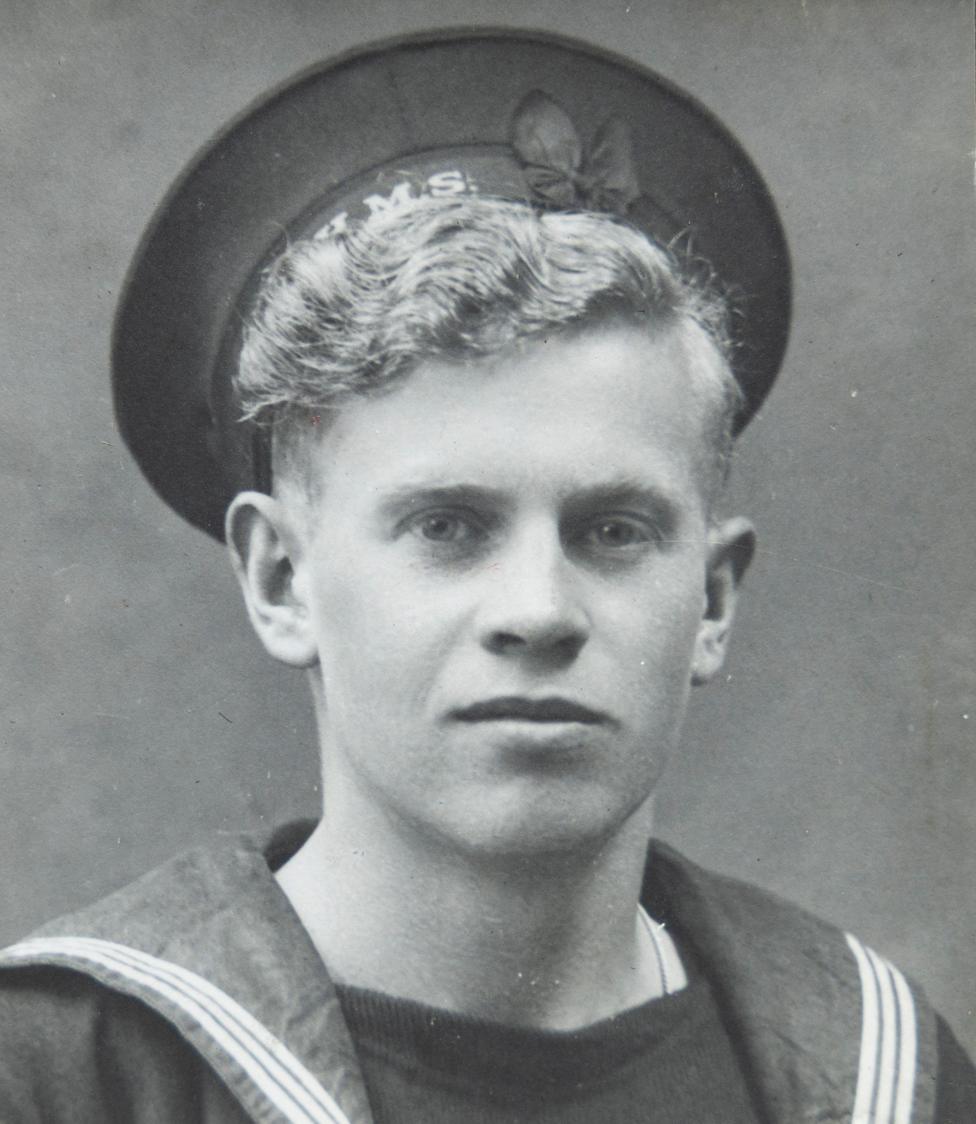
On 6 June 1944, Horne's minesweeper came under intense fire as it helped clear a route for American assault craft toward Omaha Beach. The John Gray Centre describes D-Day as the largest seaborne invasion in history, with 150,000 Allied troops landing on five Normandy beaches, and Horne's flotilla played a crucial role in preparing the way. With hundreds of ships positioned behind them, Horne's vessel managed to approach quite close before German artillery opened fire, followed by aircraft attacks on the landing fleet.
The young sailor witnessed scenes of devastation that remained with him throughout his life. He recalled the intense noise of shells and the sight of bodies floating in the water.
I was scared, I must admit, but you just had to get on with it,he told the BBC two years ago on the 80th anniversary of D-Day.
What did Horne's wartime service entail?
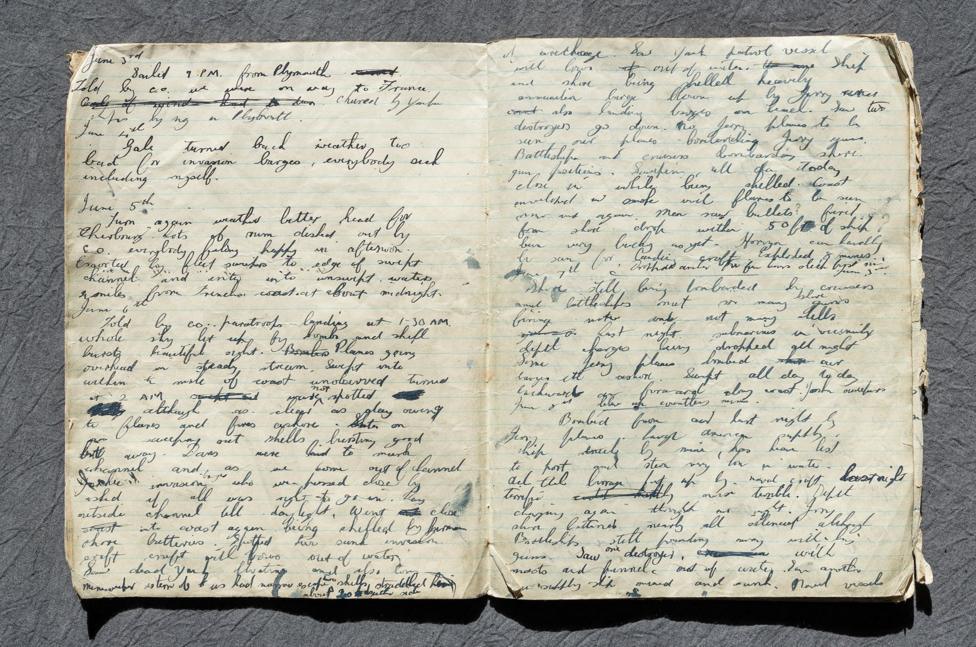
Horne continued clearing mines for two years after Victory over Japan Day on 15 August 1945. His handwritten diary, which detailed his experiences during the war, revealed that his minesweeper destroyed a total of eight mines after leaving Plymouth. The danger persisted long after the initial landings. On 18 June 1944, nearby minesweeper MMS 229 struck a mine, and according to the East Lothian Courier, Horne and his crewmates launched a small boat to help rescue survivors from the stricken vessel. The young sailor eventually gave up trying to count the ships that had been lost, seeing the waters strewn with wreckage.
Following his service in Normandy, Horne went on to serve in Asia and North Africa before being demobilised in March 1947. His contributions during the Normandy landings were later recognised with the Legion d'honneur, France's highest order of merit. He returned to his civilian life, married his wife Jenny, and pursued a career as a fisherman for almost half a century, eventually settling in Prestonpans where he had grown up.
How did Horne reflect on his wartime experiences?
Despite the horrors he witnessed, Horne lived a full life after the war. He and Jenny had three daughters together before her death in 2009. In recent interviews, Horne spoke of the profound privilege of surviving when so many did not.
I've had another 82 years. I came home, fell in love, got married, had children and watched my family grow – thousands of young men never had the opportunity to experience any of those things, and that is tragic,he reflected.
I will never forget the men who didn't come home. All I ask is that, when we are no longer here to tell you ourselves, you don't forget them either.
His wartime recollections are preserved through the John Gray Centre, ensuring that his experiences and those of his generation remain accessible to future generations. The East Lothian Lieutenancy paid tribute to Horne after his death, calling him
a remarkable manwhose legacy extends far beyond his military service.
What is the significance of his passing?
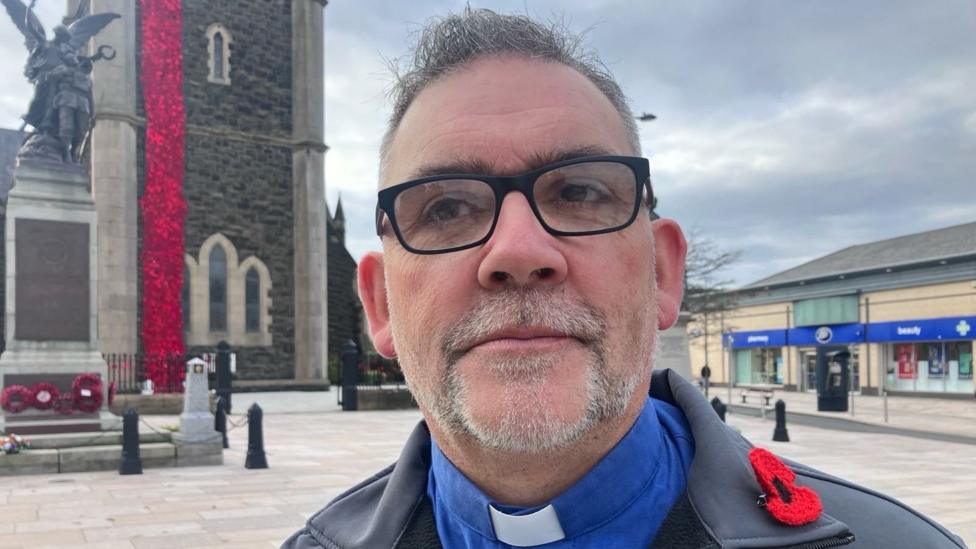
Wing Commander Ian Cumming, chief executive of Erskine Veterans Charity, expressed the profound loss felt by the organisation.
We are deeply saddened by Charlie's passing, and our thoughts are with his family, friends and everyone who knew and loved him,he said.
His passing is particularly poignant as we approach Remembrance. We are losing the last of a generation who experienced the Second World War firsthand, and with each passing, another irreplaceable connection to that period of our history is lost.
Horne's death marks the loss of one of Scotland's final direct witnesses to the Normandy landings. Recent years have seen the passing of other Scottish D-Day veterans, including Jim Glennie, who died at 100 in July 2026 after surviving both the landings and captivity as a prisoner of war. Each loss represents the fading of a generation whose firsthand accounts have provided invaluable historical testimony.
When is Remembrance Sunday?
Remembrance Sunday falls on 8 November 2026, the Sunday following reports of Horne's death. This annual observance honours the contributions of those who have served in the armed forces, making the timing of Horne's passing particularly poignant as the nation prepares to reflect on the sacrifices made during the Second World War and beyond.