A new documentary reveals the harrowing accounts of teenage girls systematically groomed and abused by drug gangs across the UK, while authorities repeatedly failed to protect them. The film, airing today on a national broadcaster, documents how police, social services and local councils dismissed victims' reports, misclassified sexual assault as parental neglect, and treated the exploitation with indifference despite its scale.
The accounts from survivors are devastating. When Christine was 13, a 23-year-old man moved from a group chat into her private messages. Lonely after a family upheaval, she accepted his apparent affection—only to discover that what followed was years of abuse orchestrated through threats and violence. Annie was 14 when three older boys she had befriended removed "all aspect of choice" from her, as she describes it. Violet was raped and came home in a dissociative state; her parents reported it immediately, and swabs found multiple perpetrators' DNA inside her. Yet when she called police for an update, officers told her they had "bigger fish to fry."
Four women, including Christine, have chosen to waive anonymity and speak publicly in the documentary, sharing experiences that span two decades of institutional abandonment.
How did authorities respond to reports of abuse?
Survivors consistently describe reporting assaults to police and encountering indifference or silence. An anonymous female police officer from one force describes a culture in which girls were endlessly blamed for "putting themselves in risky situations" and causing their own downfall. A national broadcaster has been told that social workers frequently misclassified sexual assault involving young girls as parental neglect—a pattern so widespread it raises questions about whether it reflects inadequate training or a deliberate attempt to reduce workload.
Child advocates and experts working in the field describe conspiracies of silence, barriers erected when they attempt to discuss girls' sexual and criminal exploitation by gangs, and a pervasive unwillingness among police, councils, social services and other authorities to acknowledge the problem, let alone its scale.

What institutional failures preceded this documentary?
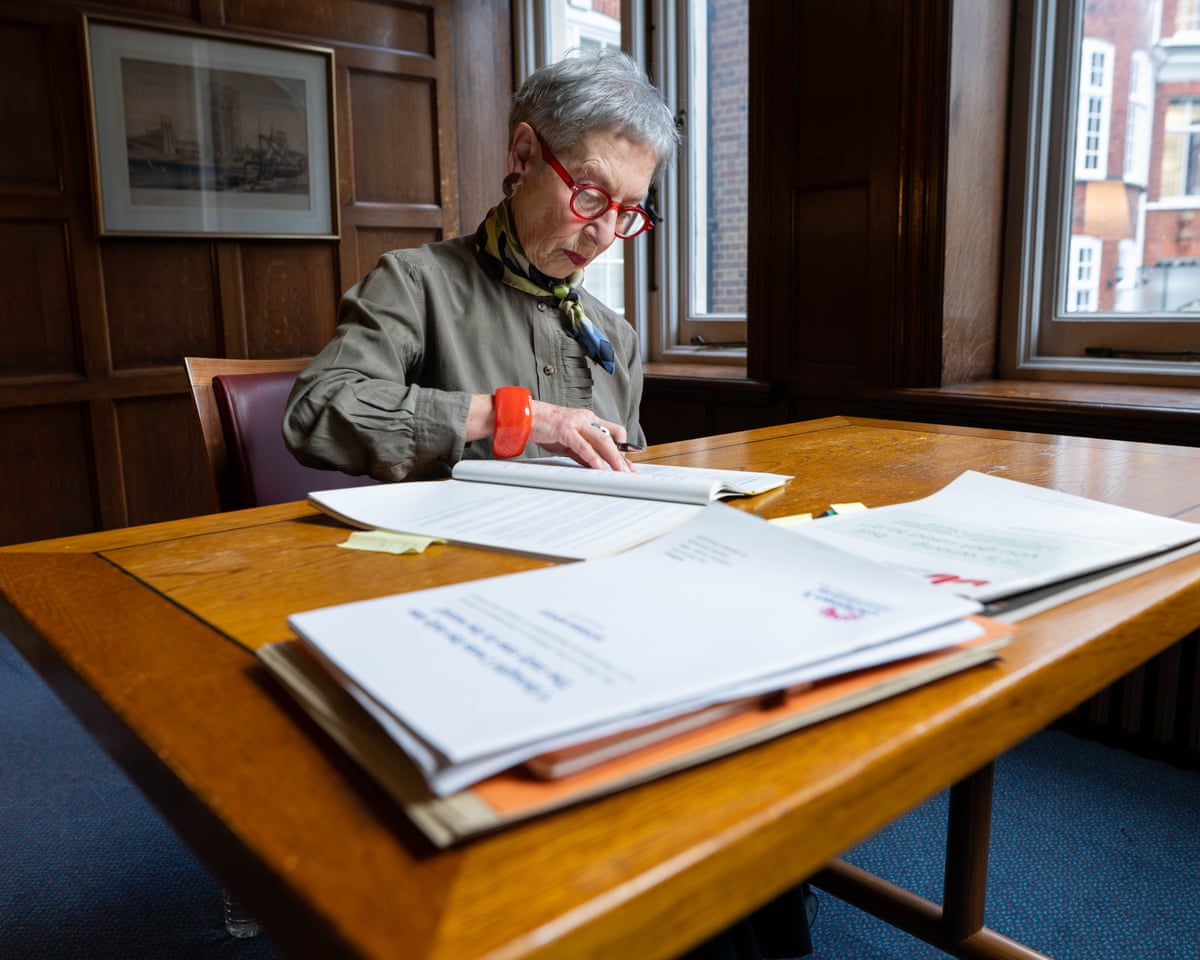
The first officially missed opportunity to intervene came in response to a national inquiry led by then deputy children's commissioner Sue Berelowitz. Her 2013 findings estimated at least 16,500 children were at risk, but the report was largely overshadowed by recriminations and accusations that it underplayed the role of ethnicity in grooming gang abuse.
In 2015, public outcry focused on the recruitment of children to transport drugs across county lines, but attention centred on boys who did most of the transporting, leaving the girls who were exploited for drug-running and sexual abuse largely invisible. By 2025, when a national audit examined group-based child sexual exploitation and abuse, the issue of girls exploited by drug gangs did not form a significant part of the findings, according to Carlene Firmin from the Global Centre for Contextual Safeguarding, who expressed quiet frustration at the continued omission.
The documentary comes as a statutory independent grooming-gangs inquiry has announced its first local investigation areas in Oldham, Bradford and Keighley, and London. The inquiry, formally established on 13 April 2026, is tasked with examining systemic failures in how institutions responded to child sexual exploitation by grooming gangs. Its terms of reference cover events from 1 January 1996 to 31 March 2029.
What scale of institutional failure has the inquiry identified?
The inquiry has identified more than 800 previous recommendations that were not consistently implemented, indicating decades of systemic neglect. The inquiry will have the power to compel witnesses and obtain documents, and its stated aim includes examining how factors such as ethnicity, culture and religion may have affected offending and institutional responses.
What happens next?
The documentary airs today and is scheduled for repeat broadcasts next Tuesday and next Thursday. The inquiry's first national public accountability hearings will begin before the end of 2026, with further local investigation areas to be announced later this year. The final report must be submitted to the Home Secretary by 31 March 2029.
The documentary presents yet another record of wilful, persistent and profound failures by systems designed to protect children. It testifies to the perception of girls and women as second-class citizens, as if they bear responsibility for their own abuse, and offers a frightening glimpse into an institutional and cultural abyss that shows no signs of closing without fundamental change.