A 15-year-old boy who vanished while riding his bicycle to fly a kite in September 1984 was unlawfully killed, a coroner has determined after a two-day inquest. According to BBC News, senior coroner Louise Hunt delivered her conclusion at Birmingham and Solihull Coroner's Court on Tuesday, stating she was satisfied that Mark Billington was murdered and that no evidence supported the original assessment of suicide. The case has remained unsolved for over four decades, with Mark's family pursuing answers throughout that period.
Mark's body was discovered on 11 November 1984, two months after his disappearance, hanging in a tree in woodland near Meriden, approximately seven miles from his home in South Yardley, Birmingham. Police initially treated the death as suicide, but the case was reopened as a murder inquiry in 2002. The High Court quashed the original open verdict after finding that new evidence, including forensic analysis of the ligature and additional witness sightings, significantly called it into question.
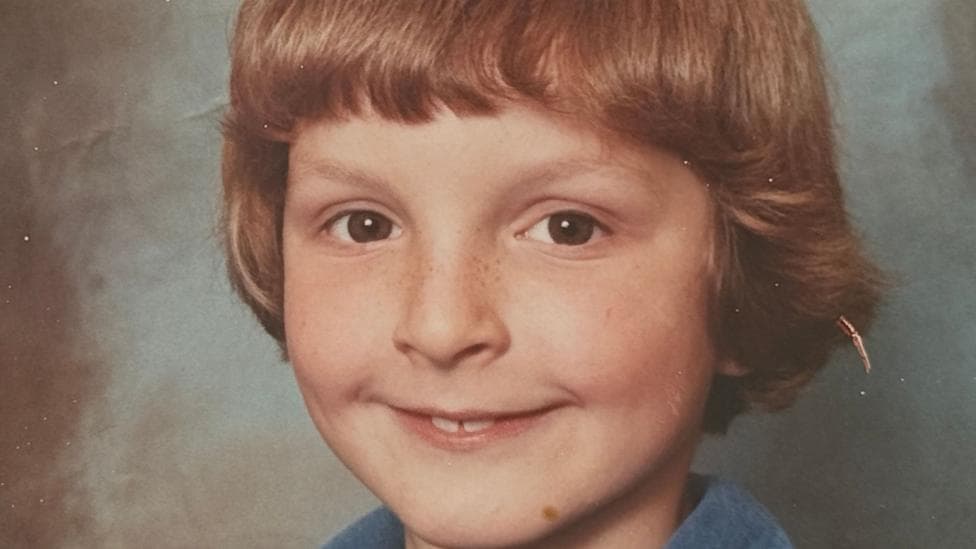
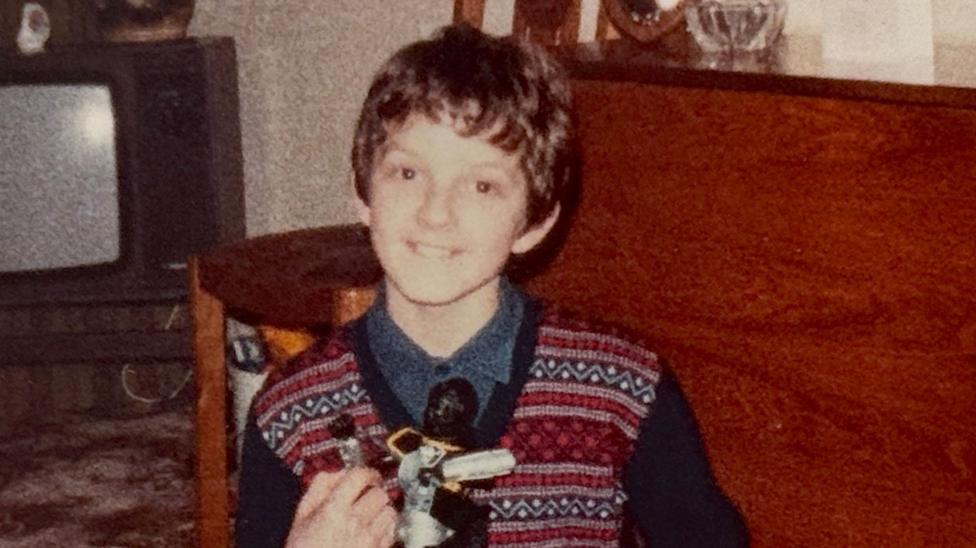
Delivering her findings, Hunt addressed Mark's family and displayed a photograph of the smiling teenager as she described him as a
quietand
happyboy who enjoyed visits to Butlins, maintained a stamp collection, and built model railway kits. The inquest heard that Mark possessed a
keen interest in cooking, and cheesecake was a regular on the menuand was actively planning his future by writing to catering establishments about employment prospects after leaving school.
Mark's adoptive parents, Royston and Winifred Billington, who took him in as an infant in 1971, reported having no concerns about mental health difficulties and stated that his disappearance was
completely out of character. The coroner concluded that Mark went missing on 1 September 1984 and would have died at some point that same day.
What were the circumstances of his disappearance?
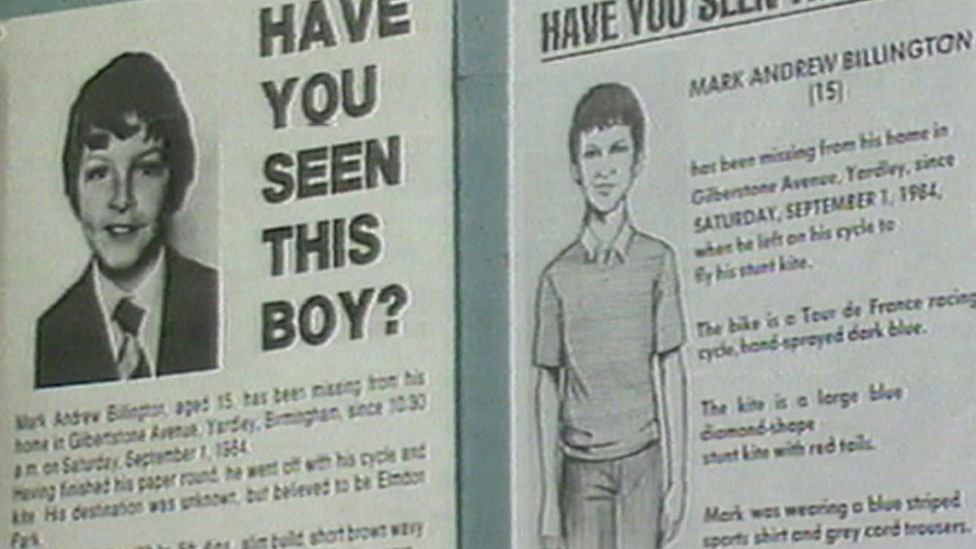
On the morning he vanished, Mark completed his usual newspaper delivery round before returning home, where his parents last observed him sitting on their kitchen step before departing for shopping at approximately 09:30. He said goodbye to his grandfather and brother Russell Billington around 11:00 before heading to The Rec, a park adjacent to the family residence, carrying his bicycle and a blue kite with a crimson pink tail.
Witness accounts placed him in several locations near his neighbourhood that morning, including the Birmingham and Bridgewater Building Society on Church Road, where he deposited his £8 wages. His parents contacted police after the newsagent where he worked, Allen's News, alerted them that he had failed to arrive for his evening shift. That same day, his jumper and building society passbook were discovered in the shed where his bicycle and kite were normally stored. His kite was located in a hedge behind the family home two weeks later.
A
comprehensivemissing persons investigation was launched, and Mark remained missing for nine weeks before his body was found.
What did forensic evidence reveal?
Consultant forensic pathologist Dr Brett Lockyer provided evidence that the rope discovered at the scene was
tied unusuallyin an
elaborate arrangementand that it was unlikely Mark would have been capable of securing the knot himself. Hunt told the court that
it was extremely unlikely that he tied the knotin the manner he was found at the scene.
Due to the advanced decomposition of his body, it was not possible to determine the precise cause of death, and his medical cause of death was recorded as unascertained. The coroner concluded that Mark was unlawfully killed, finding on the balance of probabilities that he was murdered and that there was no evidence he took his own life.
What is the police theory?
Detectives have maintained a theory linking Mark's death to a bottle scam in which individuals exchanged fizzy drink glass bottles to shops for deposits, then stole them back to return again for additional payment. It is believed the teenager uncovered the involvement of one or more suspects in this scheme and they
were trying to scare him. The coroner told the court this remained West Midlands Police's principal theory.
Hunt stated that Mark was
either a willing or duped victim or murdered. During the relaunched police investigation, three people were arrested but subsequently released due to insufficient evidence. The coroner's court heard that West Midlands Police was satisfied Mark Billington was unlawfully killed. The court judgment indicates that the last active police investigation ended in late 2002; the case has remained unsolved despite later reviews.
How did the case reach this conclusion?
The original inquest, conducted on 8 December 1984, returned an open verdict because the evidence did not establish how the death occurred. The High Court said a fresh inquest was necessary to examine evidence that had not been explored at the original hearing. This decision followed the High Court's determination that new evidence, including forensic analysis of the ligature and additional sightings, significantly called the original verdict into question.
As the conclusion was delivered, Mark's family were tearful following a 42-year battle for answers. The court heard that it remains an unsolved murder. Hunt's determination that Mark was unlawfully killed represents a significant development for the family, who have pursued justice and clarity throughout the decades since his death.
Key Facts
- Mark Billington disappeared on 1 September 1984 while riding his bicycle to fly a kite near his home in South Yardley, Birmingham
- His body was found on 11 November 1984 hanging in a tree in woodland near Meriden, approximately seven miles from his home
- The original 1984 inquest returned an open verdict, but the High Court ordered a fresh inquest after determining new evidence called the original conclusion into question
- Forensic evidence indicated the rope was tied in an elaborate arrangement that Mark would have been unlikely to secure himself
- Police believe his death may be connected to a bottle deposit scam, with detectives theorising he uncovered suspects' involvement in the scheme