The Conservative Party has pledged to invest up to £10 billion over a decade in a comprehensive air defence network if returned to power at the next election. The proposal, branded "Britannia Shield", would integrate radar systems, command and control infrastructure, and interceptor missiles to protect the UK against evolving threats including drones and sophisticated munitions.
Shadow defence secretary James Cartlidge will present the plan at the Conservative Party conference in Birmingham on Tuesday, 6 October 2026, describing it as
"the most significant upgrade to UK air defence for generations". Party leader Kemi Badenoch announced the pledge on the conference's third day, emphasising that the system would protect the UK, its sovereign territories and British military bases overseas.
The Conservatives have characterised their proposal as
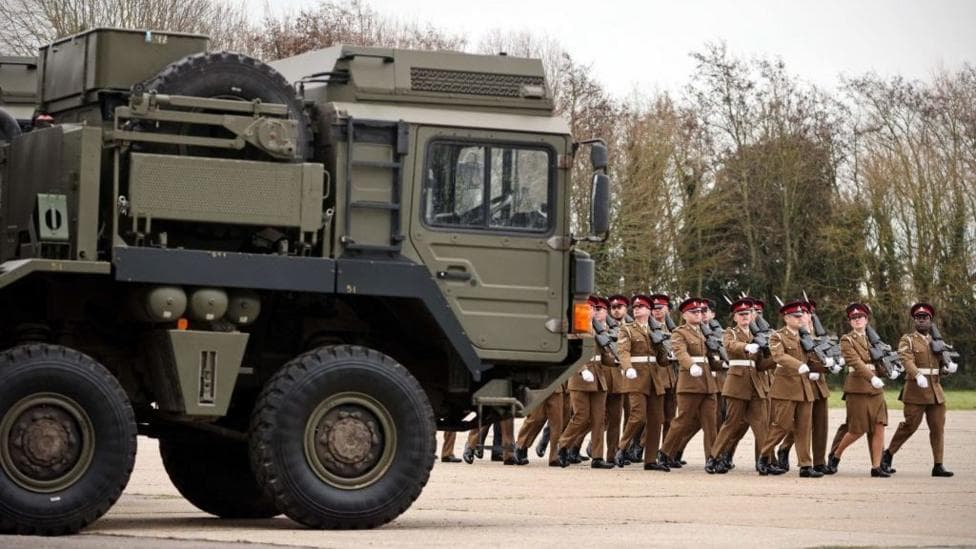
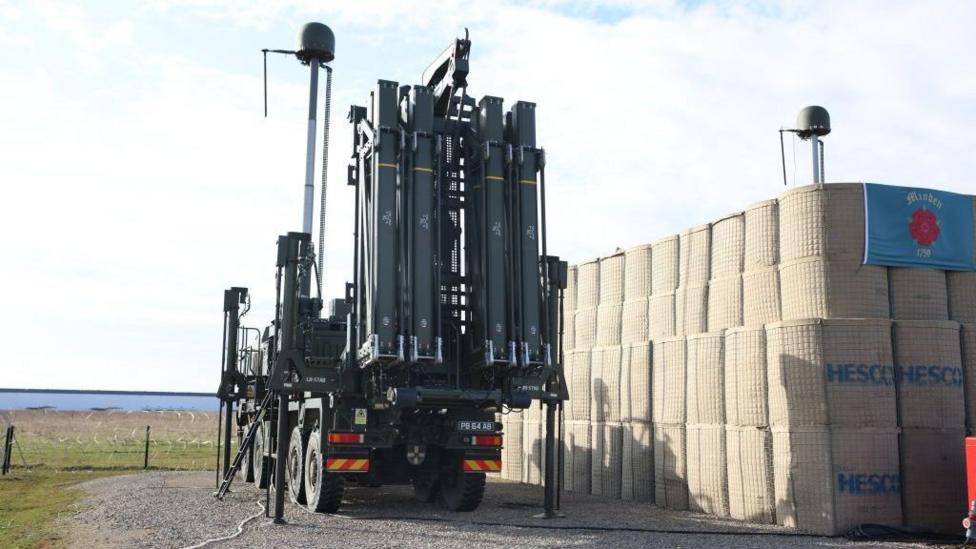
"a British 'Iron Dome'", drawing comparison to Israel's multi-layered air defence system. The three-component design mirrors the architecture of the British Army's current Sky Sabre system, which can intercept aircraft and munitions while integrating with broader air defence networks.
In response, Defence Secretary Wes Streeting criticised the opposition's defence record, stating:
"They [the Conservatives] cut the Army to its smallest size since Napoleon and left a £17 billion hole in the equipment plan. Their own defence secretary, Ben Wallace, admitted our Armed Forces had been 'hollowed out and underfunded'."Streeting added that the Tories had an
"abysmal record"of defending Britain during their 14 years in government.
What would the system include?
The Britannia Shield proposal comprises three integrated elements: advanced radar systems for detection, upgraded command and control infrastructure to process information from across Britain's defences and coordinate rapid responses, and new interceptor missiles alongside counter-drone capabilities. According to reporting on the proposal, the Conservatives say a minimal deployable capability would be delivered within the system's first five years, with further expansion and missile stockpiles added over the following five years.
The proposed system is intended to be mobile on both land and sea, with coverage extending to the Falkland Islands. This design reflects the need to protect critical national infrastructure, military installations and sovereign territories from contemporary threats.
Why is this being proposed now?
The pledge responds to mounting concerns about UK air defence capabilities amid repeated Russian drone incursions against NATO allies. A Commons Defence Committee report found that the UK had
"next to nothing"in integrated air and missile defence and lacked a comprehensive plan to defend the homeland and overseas territories from military attack.
The UK's existing Sky Sabre system has demonstrated operational capability, having been deployed to Poland in support of Ukraine and to the Middle East earlier this year for defensive operations against Iranian attacks. However, defence analysts and parliamentary committees have warned that current systems are insufficient for the scale of modern threats.
How would it be funded?
The Conservative Party said the £10 billion investment would be funded within their existing commitment to spend 3% of gross domestic product on defence by 2030. According to the party's policy documents, the programme would be paid for through welfare reform and reprioritisation of existing expenditure rather than requiring additional taxation.
In his conference speech, Cartlidge will argue that
"With a £10bn budget, this would be one of Britain's most significant military programmes since the cold war. But one that is totally necessary because of the threats we face."
The Labour government's current Defence Investment Plan includes more than £350 million to double the number of Sky Sabre systems operated by the British Army, positioning ground-based air defence alongside air and maritime capabilities. However, Prime Minister Andy Burnham faces pressure to outline how the government will meet NATO's 3.5% of GDP spending target by 2035, up from an estimated 2.6% this year.

What happens next?
James Cartlidge is scheduled to set out the full proposal in his speech at the Conservative Party conference in Birmingham on Tuesday, 6 October 2026. The announcement marks a significant commitment to defence spending should the party return to power, positioning air defence modernisation as a central policy priority alongside broader military investment.
Key Facts
- The proposed system would cost up to £10 billion over ten years and integrate radar, command systems and interceptor missiles
- A minimal deployable capability would be delivered within five years, with expansion continuing over the following five years
- The system would be mobile on land and sea and cover the Falkland Islands and other sovereign territories
- Funding would come from the party's 3% GDP defence spending commitment through welfare reform and spending reprioritisation
- The proposal responds to warnings from NATO allies about Russian drone threats and a parliamentary defence committee finding that the UK lacks integrated air defence