Intensive harvesting of mushrooms and other plants in protected natural spaces threatens wildlife and habitats, according to conservation experts in Devon. BBC News reported that the Woodland Trust has raised concerns about unsustainable foraging practices, particularly commercial-scale picking that strips fungi from woodland floors.
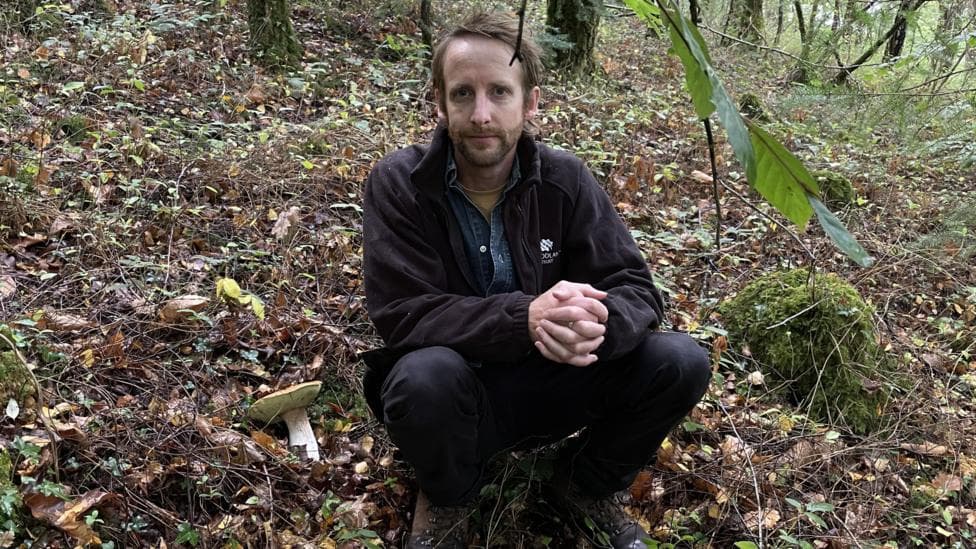
Joe Middleton, site manager for the Woodland Trust, described witnessing commercial mushroom pickers arriving in minibuses and systematically removing fungi from path edges while trampling the forest floor. The practice has prompted renewed calls for greater awareness of foraging's environmental impact, especially as the activity grows in popularity on social media.
Under Section 4 of the Theft Act 1968, foraging for wild fruit, foliage, flowers, and fungi is legal on any land provided the harvest is strictly for personal use. However, picking wild plants for commercial sale or reward without permission constitutes criminal theft. Entering private property without a landowner's consent to forage is a civil rather than criminal offence, but foraging is heavily restricted or prohibited in Sites of Special Scientific Interest (SSSIs) and protected areas managed by organisations such as the Woodland Trust.
Middleton explained the ecological consequences of over-harvesting:
I have seen commercial pickers, dropped off in mini buses with bags for life, laden heavy with mushrooms and they are going through and they are wiping out everything on the path edges they can find, trampling the forest floor.
Why do fungi matter to wildlife?
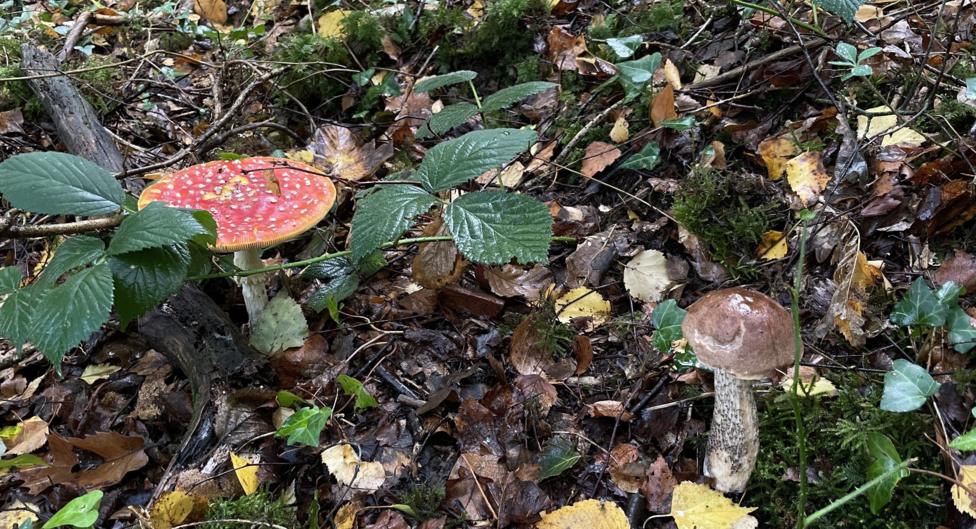
Most mushroom species are inedible to humans, making indiscriminate picking potentially dangerous for foragers. In autumn, fungi serve as a critical food source for larger animals such as deer and badgers, as well as soil-dwelling creatures including worms and woodlice. When fungi populations decline due to over-harvesting, wildlife loses access to essential nutrition with nowhere else to turn.
Middleton warned:
If we start decimating the population, it takes their food source away. They can't just get up and move, a lot of our wildlife is dependent on this fungi. We just need to be a bit more sustainable in what we are doing.
The Woodland Trust's guidance indicates that some of its conservation-sensitive sites prohibit all foraging, including small amounts of fungi, and the organisation advises foragers to take only mushrooms with opened caps, which are more likely to have already released spores and thus cause less ecological damage.
What is driving increased foraging activity?
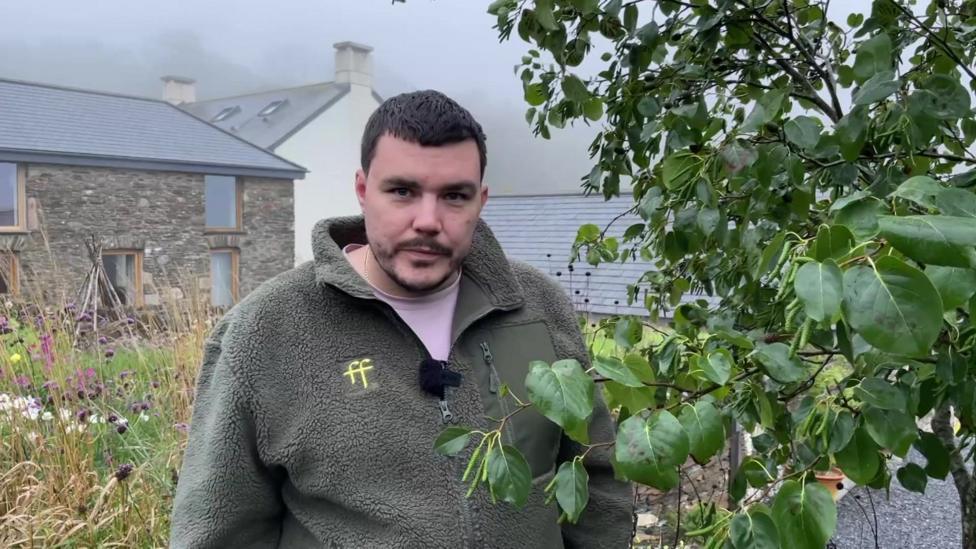
The rise in foraging popularity stems from multiple factors. Using locally sourced ingredients has become fashionable on social media, and rising ingredient costs are encouraging people to seek alternative sources for food. John Dobson, chef at the Refectory restaurant near Ugborough, acknowledged these pressures while emphasising the importance of education about environmental impact.
Dobson uses foraged ingredients such as dried alder catkins, which taste like pepper, in his cooking. He stressed his commitment to responsible foraging practices, taking only a third of what he finds and obtaining landowner permission before harvesting.
The rising cost of ingredients; they're getting really, really expensive, so I think that could be encouraging people to go out and source things from other places. There is also a lack of education about the impact.
What are conservation groups doing about this?
Concerns about commercial-scale fungi picking have prompted action from multiple conservation organisations. In September 2026, the Conservators of Ashdown Forest called for tougher measures against large-scale commercial fungi picking, saying it was harming biodiversity in the protected landscape. The organisation has previously raised similar concerns, with reports from October 2024 describing repeated harvesting that left some areas stripped of fungi and calling the penalties insufficient to deter commercial pickers.
How can people forage responsibly?
Middleton emphasised that foraging can be a valuable way to connect with nature, but he encouraged visitors to enjoy woodlands without removing anything. He advocated for a modern approach to woodland appreciation that differs markedly from historical practices.
He said:
We've gone a long way from Victorian times in terms of taking everything we see and pinning it and netting it. Now we are in a technological age. We can just use our phones, take great pictures; we can look without touching - particularly in a protected place.
For those who do forage responsibly, the Woodland Trust recommends checking site-specific rules before visiting, taking only mushrooms with opened caps to minimise ecological impact, and never harvesting in protected areas or SSSIs. Obtaining explicit permission from landowners and limiting harvests to a small proportion of available fungi are essential practices for sustainable foraging.