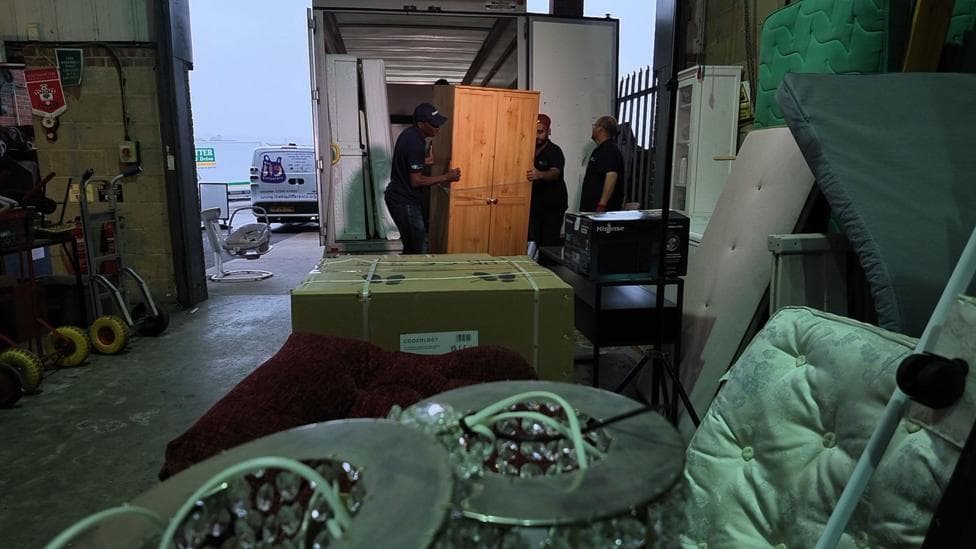
Charities across the UK say they are operating at unprecedented capacity as they help people struggling with furniture poverty, with BBC News reporting that national charity End Furniture Poverty estimates approximately six million people in Britain lack essentials such as beds, cookers and fridges. A cross-party group of MPs is now urging the government to create a comprehensive national strategy to tackle the issue, arguing that a safe, secure and sustainable home must include access to basic furniture necessary for daily living. The government has responded by stating it is already taking action to support households.
The scale of the problem extends beyond single regions. According to End Furniture Poverty's March 2026 research, there has been no clear improvement since 2022, with roughly one million people missing three or more essential items. A separate NatCen survey from 2025 identified 8.1 million essential items missing from UK homes, affecting around five million people including approximately one million children.
Among those who have experienced furniture poverty is Yana Osibchuk, who arrived in the UK from Ukraine after the war began with her son, her dog and two suitcases, and was placed into social housing. She described the condition of her new home:
It was absolutely empty - no furniture, no cooker, no fridge, nothing and no flooring.Yana was referred to Southampton City and Region Action to Combat Hardship (Scratch), a local charity that has transformed her circumstances.
It's really changed my life,she said.

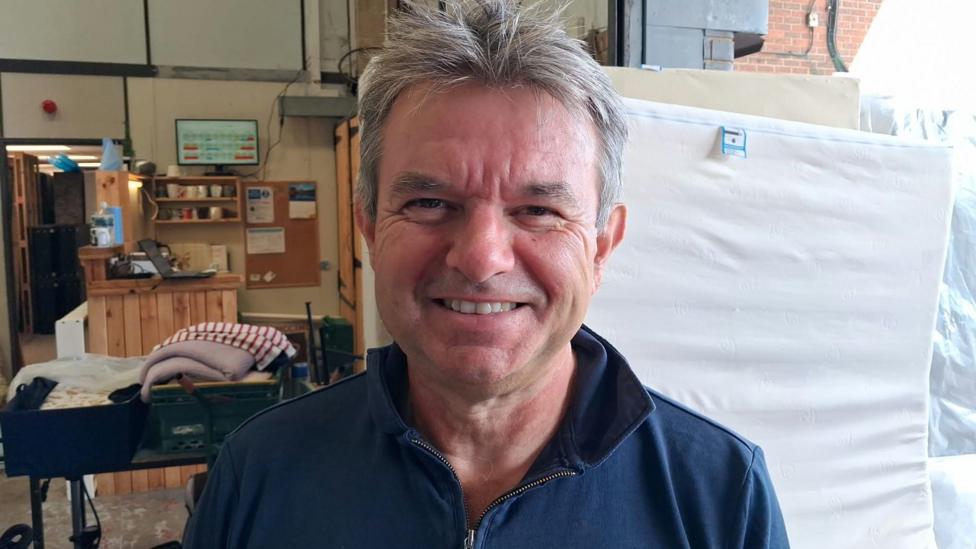
Yana's experience reflects a widespread pattern. The vast majority of social housing is let unfurnished, leaving tenants to source their own furniture despite often lacking the financial means to do so. Scratch, which has operated for 27 years, is now experiencing unprecedented demand. Managing director Mike Taylor explained the scale of the challenge:
We are always chock-a-block, our diaries are full every week. We have two vans going out every day.He noted that
We are busier now than it's ever been.
The reasons people find themselves in furniture poverty are varied and often rooted in crisis. Taylor described the circumstances many face:
It could be that they've had a crisis in their life, they've had to flee a relationship or flee domestic violence and they've ended up somehow in a property with no furniture. They may have children with them. They haven't got disposable income. They just don't have the facilities or the money to get going again.While household budget pressures are a significant factor, the underlying causes are complex and interconnected.
Scratch operates through a referral system rather than direct public contact, receiving cases from councils, housing associations and professionals such as social workers. The charity relies on donations and grants from local councils, assembling furniture packs and selling them to people at minimal cost. This model has become essential as demand continues to rise.
What defines furniture poverty?
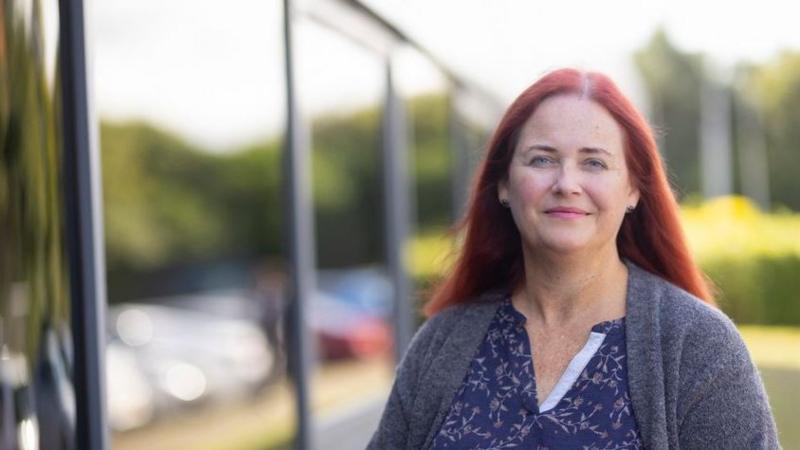
End Furniture Poverty defines furniture poverty as the inability to access or afford to buy or maintain any household furniture or appliance item necessary to achieve a socially acceptable standard of living. Claire Donovan, director of End Furniture Poverty, emphasised the profound impact:
There are harmful physical, emotional, social, and financial consequences to furniture poverty, and it's not just about material needs as furniture poverty is a consequence of the broader issue of poverty.
The statistics reveal the severity of the situation. Over a quarter of social housing tenants live in furniture poverty, yet only around 3% of social housing is let as furnished. When End Furniture Poverty surveyed people experiencing furniture poverty, 30% reported that their physical and mental health had been negatively affected. Research indicates that more than a quarter of those experiencing furniture poverty report very or extremely negative physical-health effects, while nearly a third report similarly negative mental-health effects.
Donovan elaborated on the daily reality:
Not being able to get a good night's sleep because you haven't got a bed. Not being able to store or prepare fresh food because you haven't got a cooker or a fridge - and just the grinding stress of that day in day out - it really affects every area of your life.
How widespread is the problem?
Furniture poverty is not confined to Hampshire or the South. The Moving On Project Portsmouth, which supports people in the city struggling with furniture poverty, encounters desperate cases daily. Sarah Knight from the charity described the scale:
It's huge. People are digging deep - the only other alternative is to enter loans which have a high interest rate and can lead to problems along the line.

Knight highlighted how the profile of those affected has changed:
It used to be people on benefits - now it's not, it's people from all walks of life. Reduced hours, higher bills - it affects everybody.She observed that
The foodbanks and pantries are on the increase and it's the same with furniture - there are so many families struggling. Some may not have a bed, they may have a couple of kids sharing a bed. It's horrendous to think that we are in 2026 and to think this amount of poverty is still going on.
The problem reflects broader economic pressures on households. Earlier reporting has documented how 7.4 million households struggled to afford essentials in the past six months, with families cutting meals and heating to save money. This wider context of material deprivation has intensified demand on furniture charities across the country.
What is the financial impact?
The cost of addressing furniture poverty is substantial. The 2026 End Furniture Poverty report estimated that replacing missing items at an average cost of £350 each would require £2.8 billion. This figure underscores the scale of investment needed to resolve the crisis.
What action is being called for?
End Furniture Poverty is calling on the government to ensure that 10% of social housing is let as furnished, a significant increase from the current 3%. The government has responded to concerns by announcing a £1bn fund to help households obtain furniture. A government spokesperson stated:
No one should have to live without essential furniture in the place they call home. We're taking action to support renters by launching a £1bn fund that can be used to help households get furniture.
However, systemic gaps remain in support provision. A 2025 report found that 48 English local authorities did not offer a Local Welfare Assistance scheme, and only 1% of the Household Support Fund was spent on furniture and appliance provision, highlighting inconsistencies in how different areas address the crisis.