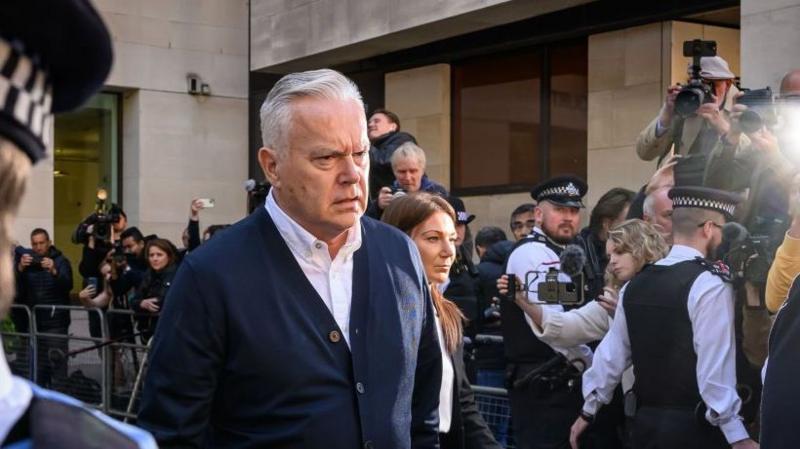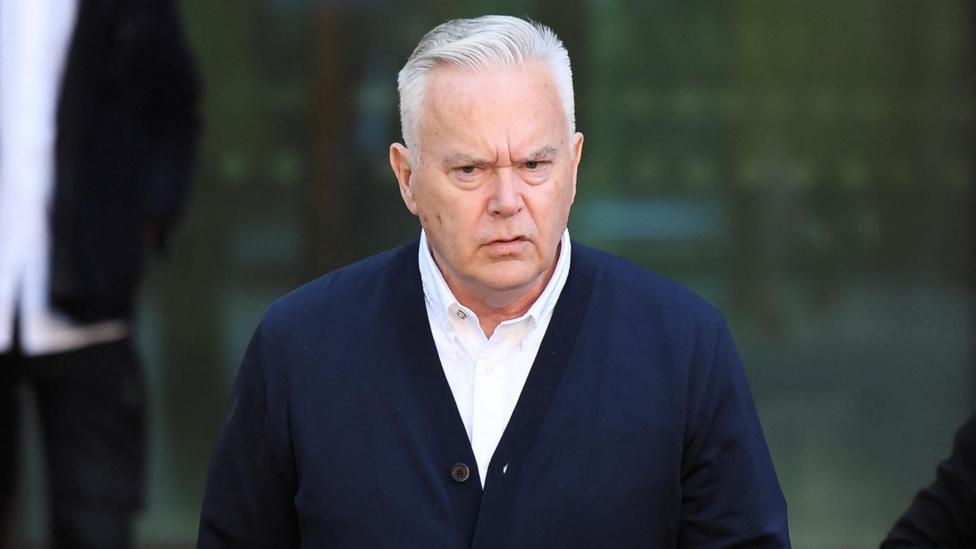
Channel 4 is confronting intensifying criticism and demands to cancel a documentary about disgraced former BBC newsreader Huw Edwards ahead of its scheduled broadcast on Tuesday, 1 December 2026. The film, titled Huw Edwards – Guilty, follows the convicted offender over nearly a year as he attempts to rebuild his life in rural Wales following his conviction. According to BBC News, Education Secretary Lucy Powell has described the channel's decision as "deeply disappointing", while victim's rights campaigner Dame Jasvinder Sanghera has called it "totally irresponsible".
Edwards, who held the position of the BBC's most senior news presenter, received a suspended six-month prison sentence in July 2024 after admitting to three counts of making indecent images of children. He possessed 41 indecent images in total, including seven classified as the most serious category, with one video depicting a child aged between seven and nine years old. In recent interviews, Edwards has expressed regret about his guilty plea, telling the Observer he wished he had not admitted to the charges.
Survivors of child sexual abuse and members of the broadcasting union Bectu have jointly issued an open letter demanding that Channel 4 withdraw the programme. The signatories described the documentary as "deeply distressing and an insult to every survivor in the UK carrying the trauma of these crimes", arguing that
while we struggle every day to be heard, believed and accurately represented in the media, a convicted offender is given a platform to trivialise and justify his abuse.
Speaking to Sky News on Sunday, Powell stated she would not view the documentary and that the public had "heard enough" from Edwards. She contended the programme would prove "incredibly distressing for victims" and that broadcasters "should be really cognisant of that when they take these decisions to make these kind of programmes".
Dame Sanghera, an independent survivor advocate for victims of Mohamed Al Fayed, told BBC Radio 4's Broadcasting House programme that the decision was "troubling". She acknowledged that
he has the right to tell his story, but that doesn't mean the public must accept his interpretation of events, nor should it come at the expense of recognising the victims. She warned that giving perpetrators such visibility can profoundly affect survivors, as
the triggering of seeing that person's face on the television brings them back to the real events that happened to them.
Independent MP Rosie Duffield told BBC Newsnight on Friday that commissioning the documentary was a "really bizarre decision" and that the experience could be "incredibly traumatic" for abuse survivors. The Conservative culture spokeswoman Rebecca Paul shared a promotional clip on X, questioning why "a state-owned broadcaster" would platform "this depraved sex offender". A former junior BBC employee, who previously disclosed receiving inappropriate messages from Edwards, condemned the decision, stating
regardless of what's in the programme, it seems a strange and irresponsible decision to give a platform to tell his story after the crimes he has been found guilty of.
The Prime Minister's spokesman said on Friday that the government had "no interest in hearing" what Edwards has to say, adding that broadcasters "are expected to act responsibly and have appropriate regards to their audiences when making decisions".
How has Channel 4 defended the documentary?
Channel 4 has consistently maintained that the documentary serves the public interest. In a statement released on Saturday, the channel's Director of News Louisa Compton defended the project, arguing that
we should be capable of examining difficult issues rather than looking away because we don't like what we see. She acknowledged that some would profoundly disagree with the decision but contended that
discomfort is not, in itself, a reason for journalism not to ask difficult questions.
According to Channel 4, Compton stated that the documentary confronts Edwards with questions about his criminal actions and abuse of power, and that interviewing him is not an endorsement of his conduct. The broadcaster has also clarified that Edwards was not paid for participating and that the film does not give him an unchallenged platform to present his account. The channel declined to comment further when approached on Sunday.
What are the details of Edwards's conviction?
Edwards received indecent images on WhatsApp from convicted paedophile Alex Williams, who was aged 19 at the time. In a separate interview conducted for a podcast by the Observer and Tortoise Media, the former newsreader was asked why he had not reported Williams to police after receiving the material. He responded:
I didn't even consider it as an option – and I'm ashamed to say it but I might as well be honest about it… I should have done it, but I wasn't thinking in those terms. I'm thinking in terms of survival.
Edwards acknowledged his culpability, stating:
By clicking on the images, I had been complicit in this horrible trade of people, and that bit absolutely kills me. The BBC has demanded that Edwards repay £200,000 in salary that he received between his arrest in November 2023 and his resignation five months later. To date, he has refused to do so.
What is the broader context of Edwards's public activities?
Edwards's decision to participate in the Channel 4 documentary represents his latest public appearance since his conviction, following a pattern of controversial moves. Edwards has expressed occasional regret over pleading guilty to making indecent images of children, and he has refused to repay the BBC salary unless the corporation acknowledges his service. Earlier in 2026, campaigners and survivors condemned his launch of a blog, citing a lack of remorse and potential harm to victims. In August 2026, Edwards faced criticism for entering the National Eisteddfod poetry competition, with commentator Sera Cracroft stating it would have been "catastrophic" if he had won.
When will the documentary air?
The documentary is scheduled to broadcast on Channel 4 on Tuesday, 1 December 2026, at 9pm. According to ITV News, Channel 4 maintains that the film holds Edwards to account for his actions. The broadcaster has stated that Edwards's conviction became spent in September 2026, a legal milestone that typically allows individuals to move forward without declaring certain convictions in most circumstances. However, this legal development has done little to quell the controversy surrounding the documentary's broadcast.