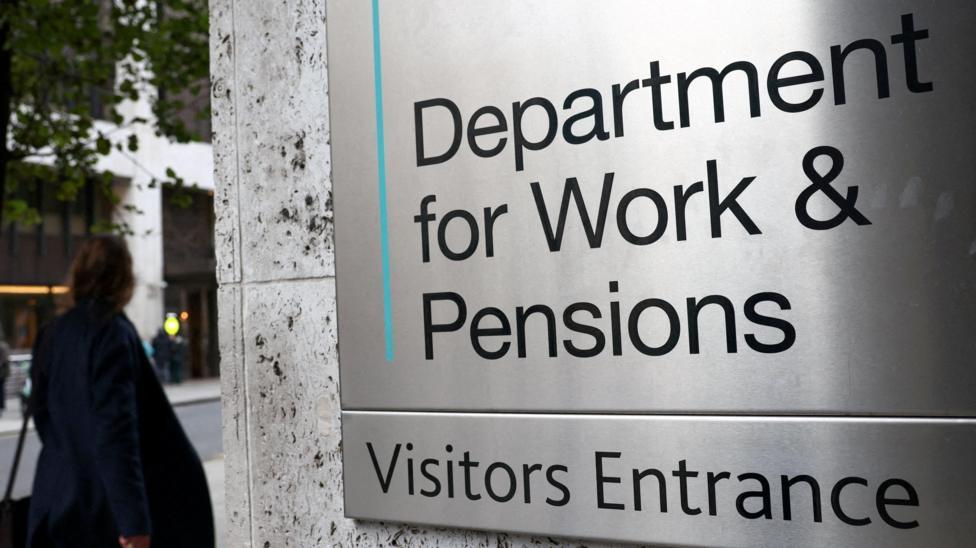
The Department for Work and Pensions (DWP) has confirmed that a cyber incident affecting its pension and benefit systems resulted from a deliberate attack rather than an accidental failure. Work and Pensions Secretary Pat McFadden disclosed that there had been an "unauthorised attempt to gain access to DWP systems". According to BBC News, online benefits and pensions services remained offline on Saturday following the incident, which prompted the government to take systems down as a precautionary measure.
The government has provided reassurance to benefits recipients and pensioners that regular payments will continue to be processed normally, despite some claimants reporting delays. However, the department believes these delays were not caused by the cyber incident itself. ITV News reported that on Sunday, 29 November, some DWP online services were still offline more than 48 hours after the incident was detected.
A DWP staff member expressed concern to the BBC about the impact on vulnerable claimants as the system outage persisted.
"Morale is low as we are getting more information from BBC News at the moment than the DWP,"the worker said.
"We are all wondering what does this mean for us but more importantly - what does it all mean for claimants. This is not a job you do if you don't care about these people who are often vulnerable or have specific conditions so it's worrying."
McFadden, who was alerted to the incident overnight between Thursday and Friday morning, explained the decision to take systems offline.
"It's right that we took our time to try and identify what happened."He stated that the initial action had been to disconnect systems to safeguard members of the public and their personal information. The department has found no evidence that personal details have been compromised.
The DWP indicated it had "well-rehearsed plans for these scenarios, which were immediately implemented". However, no timeline has been established for when services will be restored. McFadden said restoration would occur "as soon as possible", emphasising that
"We will not put services back online until we have made sure that it's safe to do so. It would be a mistake to rush to do that if we weren't sure that those systems were safe."
Regarding payment delays, McFadden clarified that benefit and pension payments are processed several days in advance, meaning anyone who did not receive a payment on Friday is unlikely to have been affected by the attack. He advised those experiencing payment issues to contact the department during business hours to discuss their situation.
Education Secretary Lucy Powell addressed the matter on the BBC's Sunday with Laura Kuenssberg programme, stating that the DWP has control of the situation and that
"payments will continue to be made - it doesn't affect the payments system"."
What services have been affected?
The affected services include multiple critical DWP platforms. According to i News, the impacted services include the Universal Credit and Pension Credit web services, Jobseeker's Allowance, and Tell Us Now, which allows people to report a death to the department.
How are experts responding to the attack?
Specialists from the National Cyber Security Centre and Government Cyber Co-ordination Centre are working to understand the nature and origin of the attack. As the investigation progressed, experts were able to confirm the incident was not accidental. A DWP spokesperson stated:
"We want to reassure customers that regular benefit and pension payments will continue to be paid as normal, while our teams work at pace to safely restore online services for the public."
The department has also warned customers to
"remain vigilant to scams and remember that DWP will never ask for personal or financial information by text message or email or ask them to click on links"."Scammers may attempt to exploit the cyber-attack by sending messages that appear to be from official sources.
What should people do to protect themselves?
Lisa Webb, a legal expert at consumer magazine Which?, cautioned people to be wary of unexpected messages in the coming days and weeks, particularly those claiming to be from the DWP or their bank.
"If you're ever unsure who you're speaking with, end the conversation immediately and contact the company directly. You can dial 159 to speak to your bank's fraud team or use the number on the back of your card,"she advised.
The UK's data protection watchdog has confirmed it is in contact with the DWP regarding the incident.

How does this fit into a broader pattern of cyber incidents?
The DWP breach is the latest in a series of cybersecurity incidents affecting the UK, raising concerns about the vulnerability of state computer systems and whether security protocols are keeping pace with technological advances, including artificial intelligence tools that can assist hackers. Reuters reported that the incident is part of a wider run of cybersecurity incidents affecting UK institutions and businesses.
Earlier in November, a number of UK meat suppliers experienced their fridges heating up overnight after being targeted by hacks aimed at software used by supermarkets across Europe. In recent weeks, fashion retailers Next and Asos separately reported incidents in which unauthorised access was gained to customer data.
Shadow work and pensions secretary Helen Whately described the attack as "extremely concerning and it must be treated with the utmost seriousness".
"Cyber security is vital to our national security,"she added.
"The Labour government must do more to protect against increasingly frequent cyber attacks and ensure our systems are resilient to these threats."
A senior minister warned that government services could face further cyber attacks, according to ITV News.
What happens next?
The DWP says it is working with specialist cyber experts to investigate and restore online services safely. The department has not yet provided a restoration date, but has committed to bringing systems back online only when it is confident they are secure.
The incident has prompted renewed scrutiny of cybersecurity measures across UK government and public services, with questions being raised about whether current protocols are adequate to defend against evolving threats in an era of advanced technology.