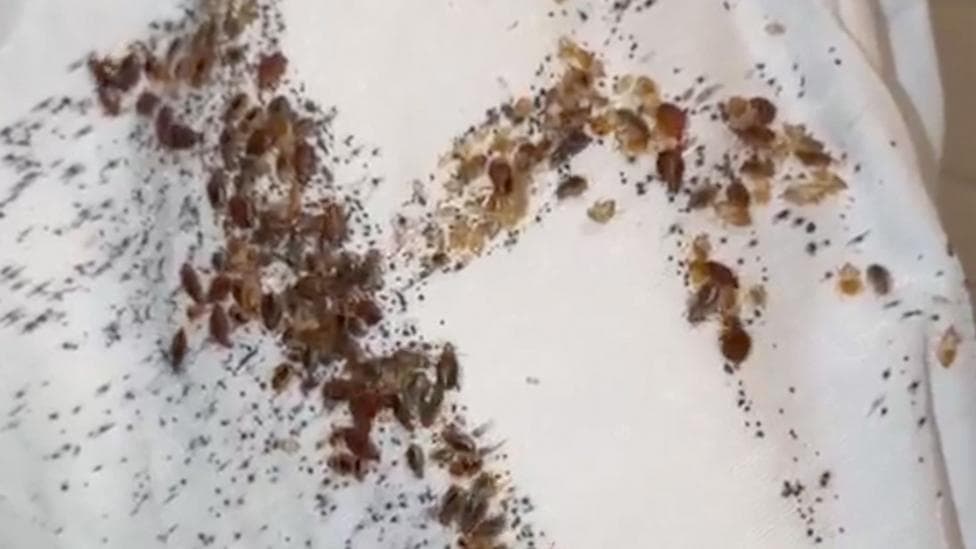
Millions of bed bugs were discovered crawling from mattresses and walls in what a pest control professional described as the most severe infestation he had encountered across nearly four decades of work. The outbreak in Cardiff's Canton area required full protective equipment and specialist equipment to address, with mattresses and bed frames ultimately needing to be destroyed through incineration.
Gareth Davies, who operates a pest-control business in Cardiff, led the response to the crisis. His team deployed specialist vacuum cleaners to extract millions of the insects from the property. The scale of the problem extended beyond the sleeping areas—the bugs had infiltrated walls and hidden beneath wallpaper throughout the residence.
"This house was just horrific," Davies told a local broadcaster. "Hundreds of thousands of them when you lifted the mattresses up. They were coming out of the wallpaper, it was horrendous."
The infestation came shortly after Davies's team had dealt with a substantial cockroach outbreak at another location, which he compared to a horror film scenario. According to local reporting, Davies established his own company after redundancy during the Covid pandemic, having previously worked for major pest-control firms including Rentokil.
The discovery highlights a growing problem across the United Kingdom. Rentokil reported a 65% year-on-year increase in UK bedbug infestations in July 2023, while inquiries about the pests rose by almost a third between January and September 2023, indicating widespread concern among homeowners.
How do bed bugs enter homes?
Bed bugs typically arrive in properties attached to luggage, clothing, or second-hand furniture, according to health guidance. Once inside, they establish themselves in locations close to where people sleep, including mattresses, bed frames, upholstered furniture, and small cracks or crevices in walls and skirting boards. The NHS notes that infestations are not caused by poor hygiene—bed bugs can colonise both clean and dirty homes equally.
What are the warning signs of an infestation?
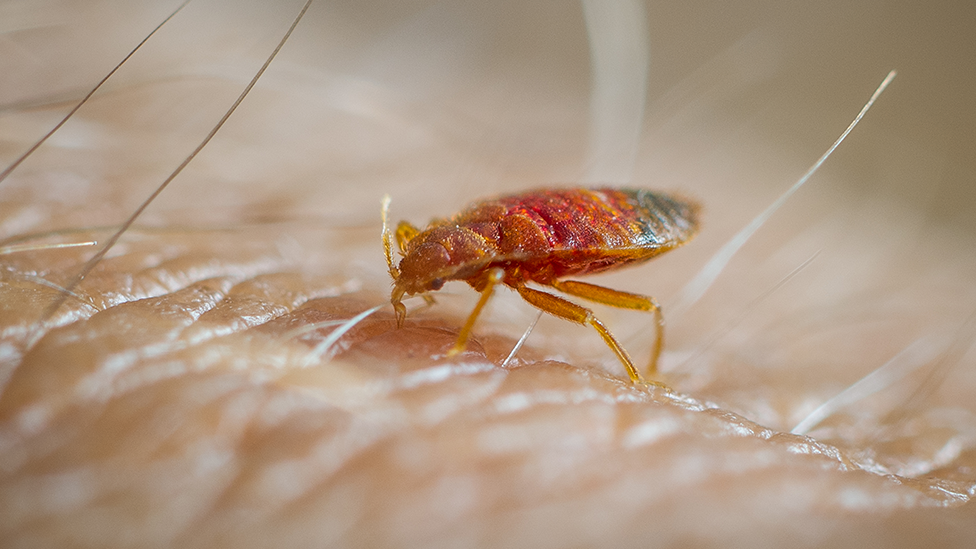
Bites represent the most common indicator of bed bug presence, typically appearing as raised, itchy marks arranged in lines or clusters. On lighter skin tones, bites usually appear red, while on darker skin they may present as purple and prove harder to detect. Additional warning signs include spots of blood on bedding where bugs have been crushed, or small brown marks on bedding and furniture that represent insect faeces.
"You'll be bitten and you'll see blood spotting on the sheets," Davies explained. "As soon as you see them you need to act."
Davies emphasised the importance of immediate action upon discovering evidence of infestation, as delays allow populations to expand rapidly.
What methods eliminate bed bugs?
Removing bed bugs requires a multi-stage approach. Contaminated bedding and clothing should be washed at high temperatures and tumble-dried on a hot setting for at least 30 minutes to kill all life stages. Alternatively, items can be sealed in plastic bags and placed in a freezer for three to four days. Regular thorough cleaning throughout the home helps identify infestations early, though cleaning alone cannot eliminate an established population.
In severe cases like the Cardiff outbreak, professional intervention becomes necessary. Davies's team employed specialist vacuum cleaners to remove as many insects as possible from the affected property.
"Then we treat with a specialist insecticide, bag all the mattresses and frames and get them incinerated," he added.This approach ensures complete elimination of the infestation, though it requires disposal of affected furniture.
Why are infestations increasing?
Bed bug populations have surged across the UK in recent years, driven by increased travel, the second-hand furniture market, and the insects' growing resistance to some pesticides. The NHS confirms that infestations reflect no connection to household cleanliness standards. Both pristine and neglected homes face equal risk of colonisation once bugs gain entry through contaminated items.
Key Facts
- The Cardiff infestation involved millions of bed bugs hidden in mattresses, walls, and beneath wallpaper
- Bed bugs enter homes via luggage, clothing, and second-hand furniture, then hide near sleeping areas
- Infestations are not caused by poor hygiene and can occur in any home regardless of cleanliness
- Professional pest control involving specialist insecticides and incineration of furniture may be necessary for severe cases
- Early detection through monitoring for bites and blood spots on bedding enables faster treatment