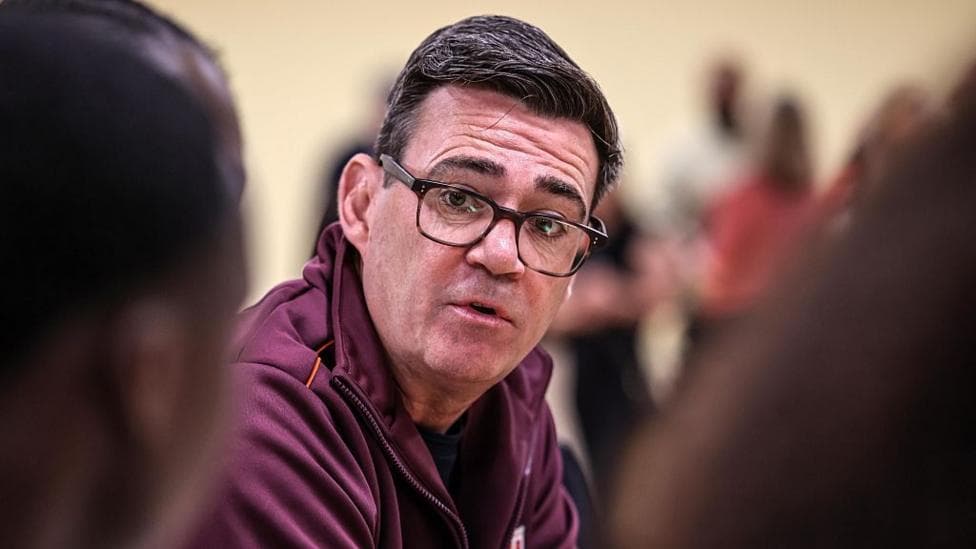
Andy Burnham will deliver his first statement to Parliament as prime minister on Tuesday, emphasizing a "sense of optimism" as the foundation of his vision for Britain's future. The statement will establish the direction of his government and invite scrutiny from opposition MPs, marking a significant moment after his summer of policy announcements while Parliament was in recess.
Two pillars will anchor Burnham's address: strengthening public control over essential services, and decentralizing power away from Westminster. He will pledge to "unlock a feeling of positivity and possibility" across every region of the country, framing his agenda as a response to cost-of-living pressures facing households.
A Number 10 source indicated that Burnham is determined his government will not "stand by and watch on as every bill goes up and up," and will therefore "promise the country that wherever we can make life more affordable we will."
What is No 10 North and how will it reshape government?
The centrepiece of Burnham's decentralization strategy is No 10 North, a new government unit based in Manchester that he argues is fundamentally reshaping how the country operates. Burnham launched the initiative on 23 July 2026, establishing it at Heron House in central Manchester, with a permanent new government site in Ancoats under construction and due for completion in 2032, according to reporting on the announcement.
Speaking to civil servants at the Manchester office, Burnham declared that
"power is going to flow, energy is going to flow, new ideas are going to come through."The unit is overseen by senior minister Louise Haigh and has been tasked with serving as the UK economy's "dominant driver," according to a report from 21 August 2026.
As part of this devolution agenda, Burnham has announced that regional mayors will retain a greater share of income and business tax revenue from their areas. He has described this as the "biggest transfer of power, funding and responsibility from Westminster in a generation," representing a fundamental shift in how the country distributes fiscal authority.
What policies has Burnham already announced to tackle the cost of living?
During his summer tour, Burnham unveiled several measures designed to ease household expenses before facing Parliament. These include a £2 cap on bus fares, removal of VAT from domestic energy bills, and a 20% cut to business rates for pubs, clubs and music venues beginning next year. He has signalled that this week he may elaborate on plans to bring privatized services back under public control, arguing this will reduce pressure on family budgets.

What challenges lie ahead for Burnham in Parliament?
The prime minister's honeymoon period is ending as he confronts a demanding autumn agenda. His first Prime Minister's Questions session will occur on Wednesday, 2 September 2026, followed by party conferences, his first Budget, and a major speech outlining his 10-year plan for the nation. Beyond these immediate tests, he faces imminent decisions on North Sea oil and gas drilling, winter energy support, tax policy, and long-term reforms to welfare, social care and European relations.
The pressure of how he handles parliamentary scrutiny, opposition attacks, and the deftness of his responses will shape public perception of his leadership at a critical juncture.
How are opposition parties preparing to challenge Burnham?
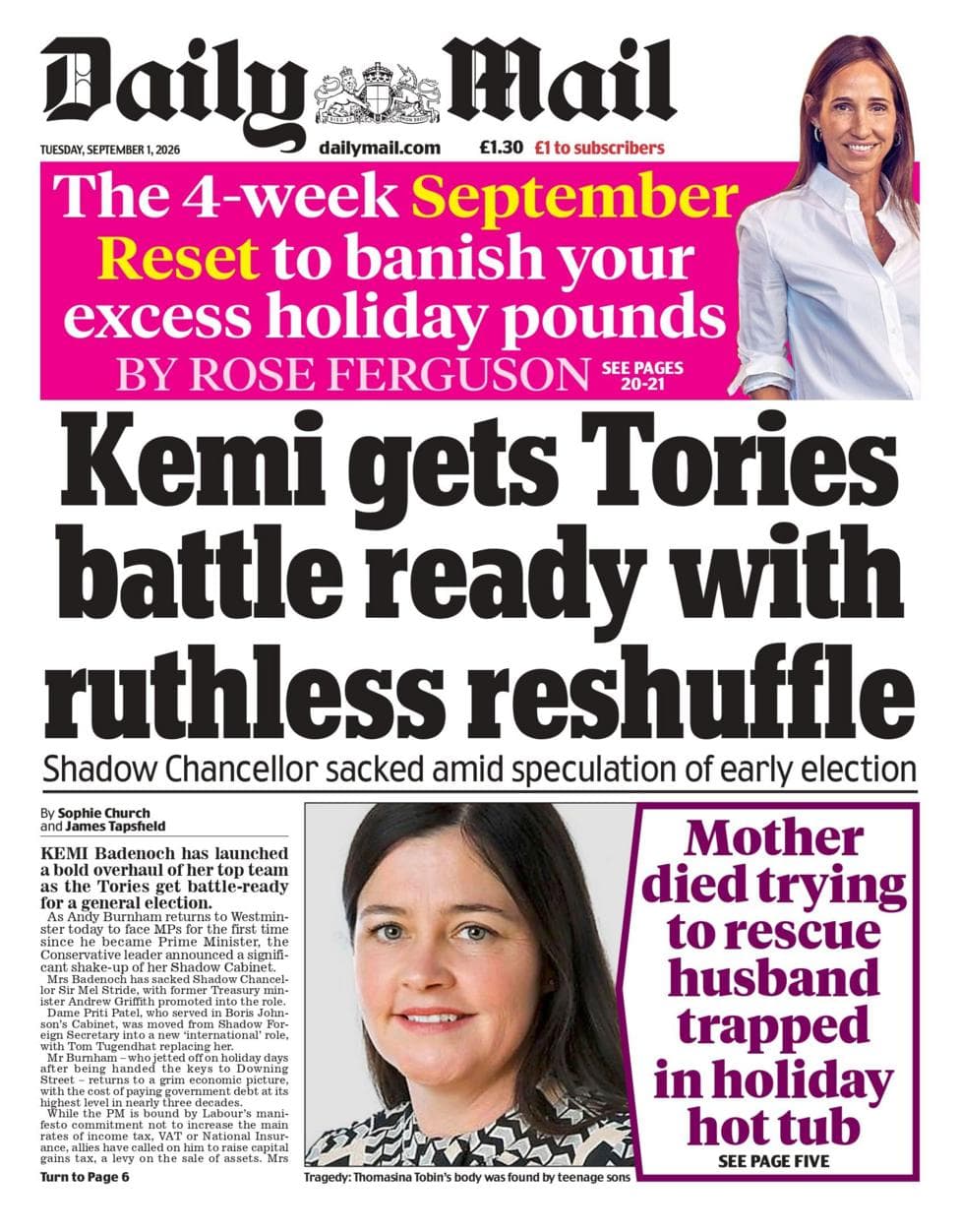
The Conservative Party has sharpened its attack strategy by promoting Andrew Griffith to shadow chancellor on Monday. Griffith, who previously served as chief financial officer and chief operating officer at Sky and as chair of Just Eat, is promising a Conservative government delivering "lower, simpler taxes, get Britain drilling again to bring down energy costs, slash the red tape holding Britain back, and scrap the job-killing measures in Labour's (Un)Employment Rights Act."
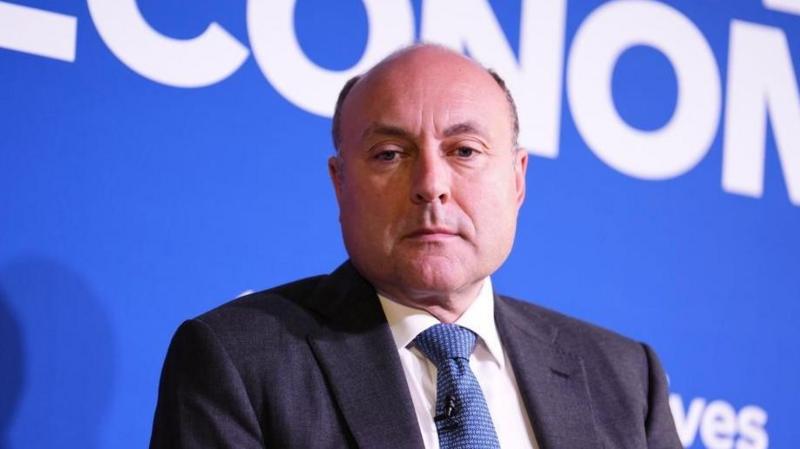
Labour and the Liberal Democrats have seized on Griffith's record as a Treasury minister in Liz Truss's government, where he publicly defended her "mini-budget." Bridget Phillipson, the Labour Party chair, characterized the "Tories' top team as crammed full of the same vandals who hammered family finances and left our public services crumbling." Liberal Democrat Treasury spokesperson Daisy Cooper said Griffith's appointment demonstrated the Conservatives were "happy to forfeit any claim to economic credibility."
The Greens are also preparing criticism. Party leader Zack Polanski dismissed Burnham's public control agenda as "just tinkering," calling instead for wealth taxes, full public ownership of water and energy, rent controls, and a rejection of North Sea drilling. The Liberal Democrats' justice spokesperson, Jess Brown-Fuller, attacked Labour's prison expansion plans as lacking new funding and proving "just how unserious this Government remains about fixing our justice system."
What major policy decisions await the government?
Beyond the immediate parliamentary calendar, Burnham must determine how to fund inherited defence commitments and decide the pace of increased spending to meet NATO obligations. Decisions are imminent regarding approval of new North Sea oil and gas drilling. He must also weigh whether to provide additional support as energy bills rise during winter, consider tax increases at the Budget, and address long-standing challenges in welfare reform, social care provision, and the UK's relationship with the European Union.
The statement Burnham delivers on Tuesday represents the moment when his period of relative freedom—enjoyed while Parliament was in recess and he could travel the country announcing policies—gives way to sustained parliamentary accountability and the genuine tests of governing.