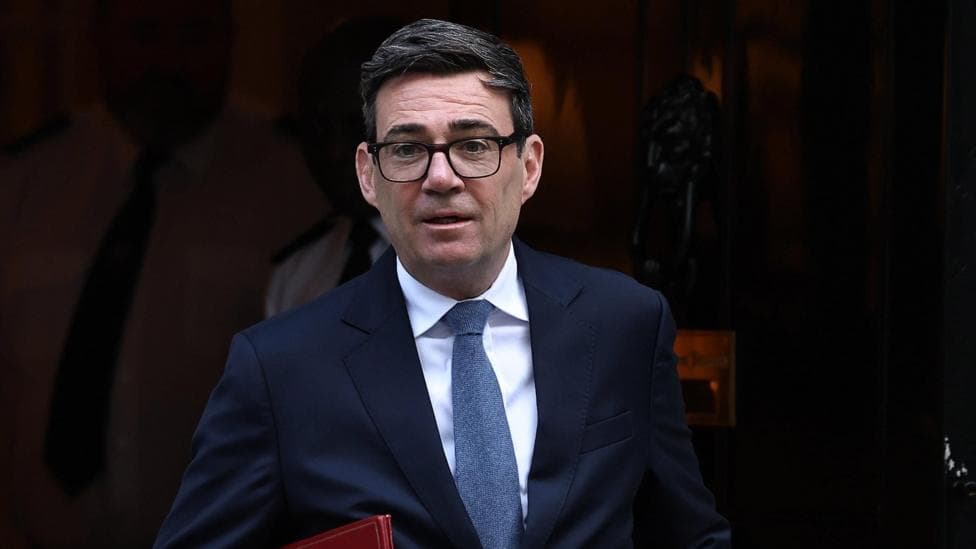
Prime Minister Andy Burnham has committed to announcing a decision on two contested North Sea energy projects within the coming weeks, following mounting pressure from opposition politicians and industry leaders. Speaking at Prime Minister's Questions, Burnham indicated that determinations regarding Rosebank, an oil field off Shetland, and Jackdaw, a gas field east of Aberdeen, would be revealed imminently, though he did not specify an exact timeline.
Both projects have been mired in years of debate, court challenges and public consultations as the government weighs competing arguments from energy companies and environmental campaigners. The fields represent a critical test of Labour's energy policy, balancing pledges to support existing licences against commitments to tackle climate change.
What are these fields and where are they located?
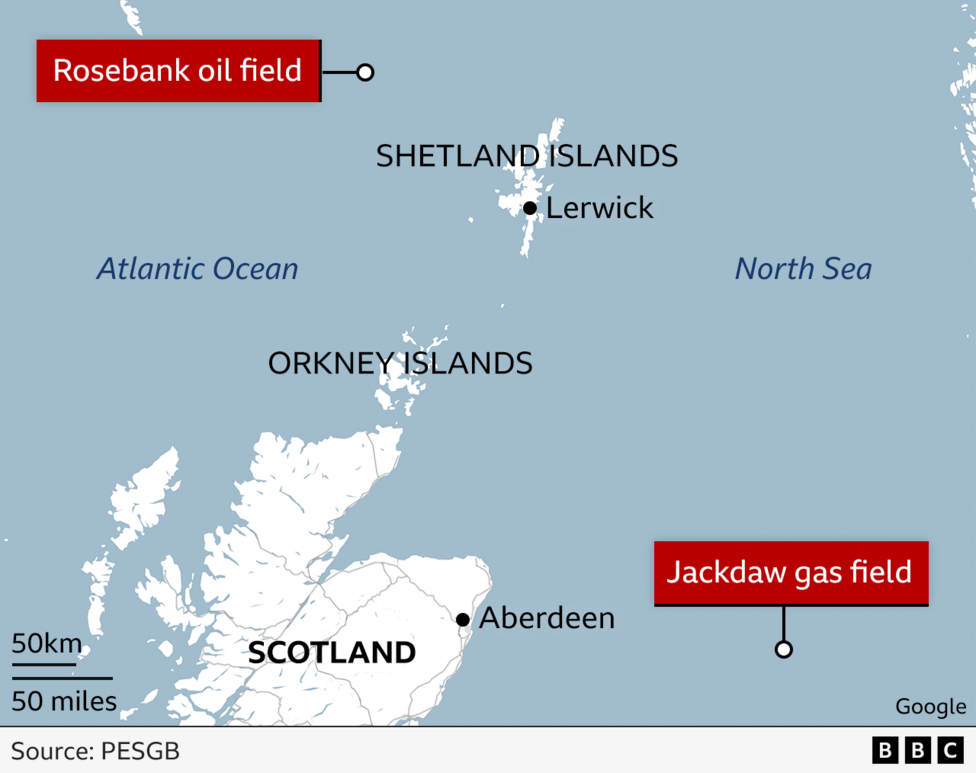
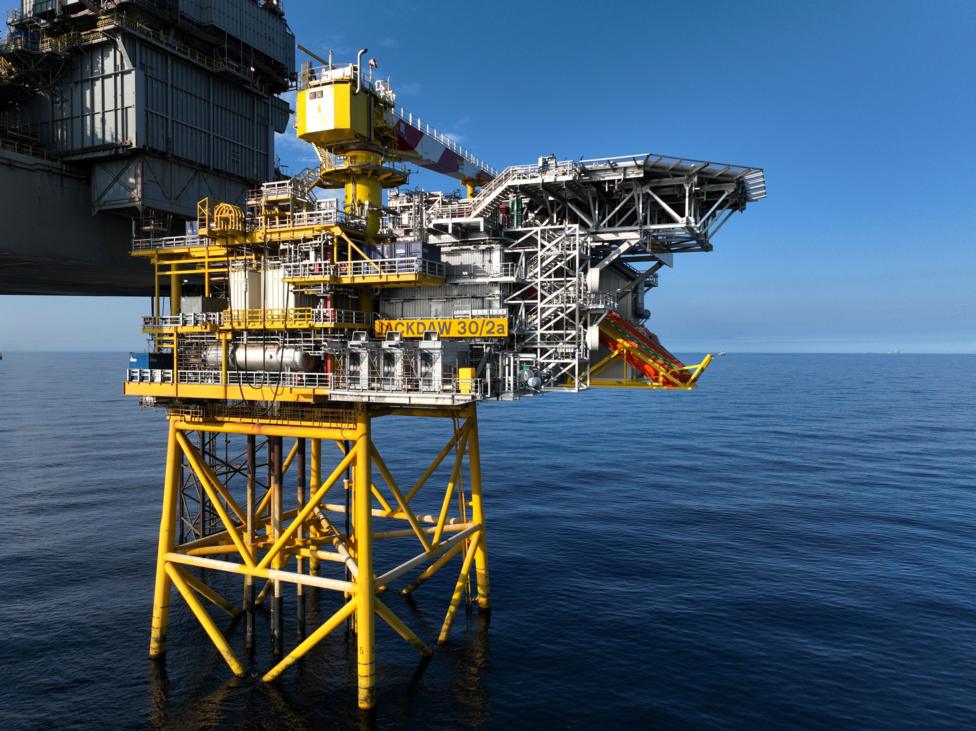
Jackdaw is a gas field positioned approximately 150 miles (241.4km) east of Aberdeen in the North Sea. Operators contend that the facility could be connected to the UK network within months of approval, with all extracted gas flowing directly onto the British grid.
Rosebank sits roughly 80 miles (128.7km) north-west of Shetland and represents Britain's largest untapped oil reserve, with the capacity to produce both oil and some gas. The Conservative government granted licences for both fields in 2022 and 2023, decisions that subsequently triggered legal action from environmental organisations.
Why has approval been delayed?
The Court of Session in Edinburgh ruled in January 2025 that the original approvals were unlawful because ministers had failed to assess the climate consequences of burning the extracted oil and gas. This judgment forced the government to restart its evaluation process, with a fresh consultation that concluded in August.
Burnham acknowledged this procedural obstacle when responding to Conservative leader Kemi Badenoch at Prime Minister's Questions. Badenoch pressed the Prime Minister to end what she characterised as delays, noting that approval in July would have enabled British gas to heat homes during the winter months.
"She asked me what I'm waiting for – I've had to wait for the government process, which was struck down by the courts under the Conservative government, to be fixed because they messed it up, and we inherited that situation. So I will take a pragmatic approach on oil and gas, we will set out our decisions shortly."
Badenoch argued that the delay contradicted Burnham's earlier indication of support, stating:
"In July, he said he would approve the Rosebank and Jackdaw oil and gas fields in the North Sea. What's he waiting for? If he'd approved them back then, we would have British gas warming British homes this winter. All of the gas from Jackdaw goes onto the British grid, so will we now stop faffing about and approve Rosebank and Jackdaw?"
What do industry and environmental groups say?
Energy companies and industry bodies contend that developing these fields would create employment, strengthen UK energy security amid international instability, and reduce reliance on overseas suppliers. According to a report published on 13 October, rejecting the projects could result in nearly £11bn less UK economic output over the next decade and thousands fewer jobs annually.
The same analysis estimated that approving Rosebank and other planned fields would support £35.3bn in UK gross value added from 2026 to 2035, compared with £24.5bn if key oil projects do not proceed. Approving both Rosebank and Jackdaw specifically could generate £4.1bn in tax revenue over the decade, according to the report.
Equinor, the operator of Rosebank, has signalled serious concern about the extended uncertainty. The company's CEO Anders Opedal described the prolonged delay as "an uncomfortable position to be in" and warned that Equinor may reduce its UK investment if the projects are not approved.
Environmentalists argue that further drilling would be indefensible given the global climate crisis, with deadly heatwaves and extreme weather already affecting populations worldwide. They maintain that accelerating the transition to renewable energy would better protect jobs and energy security than expanding fossil fuel extraction. Environmental groups also dispute industry claims that the projects would enhance energy resilience.
What is the government's stated position?
Burnham has previously indicated openness to approving both fields while maintaining Labour's commitment not to issue new oil and gas licences. The party has pledged to honour existing licences granted under previous administrations, a position that leaves room for approving Rosebank and Jackdaw, which received their original permits before Labour took office.
Energy Secretary Miatta Fahnbulleh holds formal responsibility for the final decisions following the conclusion of consultations. Fahnbulleh told MPs that decisions were being made "at pace" and stated that any decision she made would be compatible with the UK's climate commitments.
When will a decision be announced?
The government has not disclosed a specific date for announcing its determination. Burnham's commitment to decide "shortly" provides no firm timeline, and the exact timing remains unclear. The decision ultimately rests with Fahnbulleh following the completion of the consultation process in August.
Key Facts
- Jackdaw is a gas field 150 miles east of Aberdeen; Rosebank is an oil field 80 miles north-west of Shetland
- A January 2025 court ruling found the original approvals unlawful for failing to assess climate impacts, forcing a fresh consultation
- Rejecting both projects could cost the UK nearly £11bn in economic output and thousands of jobs over the next decade, according to an October report
- Equinor has warned it may reduce UK investment if Rosebank is not approved
- Labour has pledged not to issue new oil and gas licences but to honour existing ones