The BBC has announced sweeping cuts to its radio schedule as part of a broader cost-reduction strategy, with the long-running consumer affairs programme You and Yours among the casualties. The cuts form part of the corporation's plan to achieve £500m in savings across its operations, a target that has prompted difficult decisions about which programmes will continue and which will be discontinued.
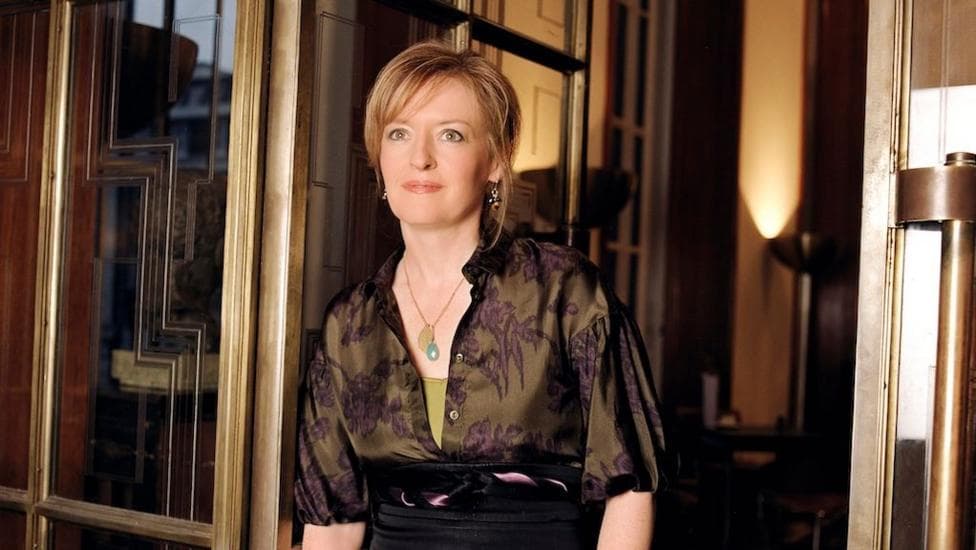
Alongside You and Yours, which has been presented by Winifred Robinson since 2000, the BBC will discontinue the social sciences show Thinking Allowed and the arts and ideas programme Free Thinking. Additional programmes set to end include The Artificial Human and Open Country. Radio 5 Live will also experience reduced commissioning across its schedule and podcast output.
Despite these reductions, the corporation has committed to launching new programming. A replacement consumer show is in development, along with two new weekly programmes that will examine ideas shaping contemporary society and explore the implications of technology and artificial intelligence. Several existing shows will be expanded: Radio 4's flagship history, science and culture programme In Our Time will increase in length, as will Start the Week and Farming Today.
Why is the BBC making these changes?
The BBC faces significant financial pressures and shifting audience behaviour that have forced leadership to reconsider how resources are allocated. Director general Matt Brittin stated last month that the corporation's financial situation and changing viewing and listening habits "may well mean" some channels and radio stations will need to close so that investment can be directed toward on-demand services. Brittin told BBC One's Sunday With Laura Kuenssberg that "we wouldn't guarantee any programme or any channel will exist forever".
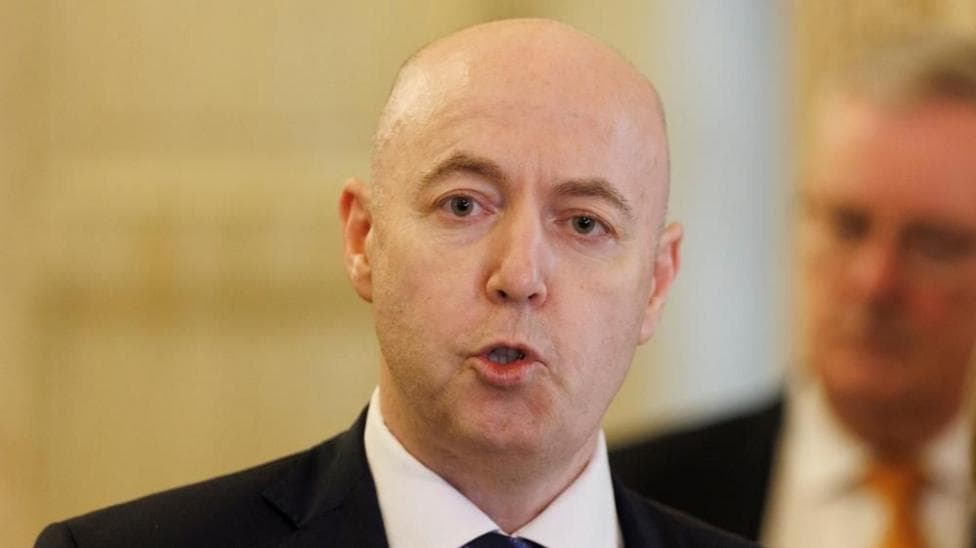
Jonathan Wall, director of , explained the strategic thinking behind the announcements.
By commissioning fewer programmes overall, we can focus our investment and make our best shows work across broadcast, on demand and different formats, he said. Wall added that the changes represent an effort to
reshape BBC speech audioin order to
build a strong future for trusted journalism, distinctive storytelling and programmes that bring people together.
Wall acknowledged that the decisions were difficult but stressed they were not driven by cost considerations alone.
We need to make significant savings while investing for the future, he stated, noting that the strategy aims to accelerate growth on the BBC's own digital platforms and reach audiences beyond traditional broadcast while maintaining the strength of Radio 4 and Radio 5 Live, the country's two largest speech radio stations.
What is the scale of the overall savings plan?
The £500m savings target represents a substantial restructuring of the corporation. In June, the BBC announced 550 job cuts in news, nations and television and radio content as the first phase of this plan. According to the BBC's official announcement, this initial phase is expected to deliver approximately £160m of the £500m target over three years, with the 550 roles due to close by the start of 2027/28.
The audio reductions are particularly significant. The BBC's June savings plan indicated that the corporation expected to reduce audio output by around 350–400 hours across stations and genres by the end of 2027/28, representing a substantial contraction of speech radio programming.
Earlier announcements in June revealed additional changes to news and current affairs programming. Staff were informed of proposals including the ending of Radio 4's The World Tonight and a reduction in the number of permanent presenters on Today from five to four, with a single anchor on Saturdays. BBC One's Breakfast will no longer be broadcast on Sunday mornings, and the production teams responsible for Sunday With Laura Kuenssberg and Newsnight will merge.
How did the BBC reach this point?
These announcements follow an earlier decision in April when the BBC revealed plans to cut between 1,800 and 2,000 jobs—representing almost one in ten of its workforce—in response to what leadership described as "significant financial pressures". The phased approach to savings reflects the scale of the financial challenge facing the corporation and the complexity of restructuring such a large organisation.
What are lawmakers saying about the BBC's future?
Last week, an influential group of MPs offered recommendations on the corporation's direction. The Digital, Culture, Media and Sport Committee suggested that the BBC licence fee should be extended to cover services beyond traditional television, and that the corporation's charter review should be scrapped in favour of a permanent arrangement. The committee also recommended that political appointments to the BBC board should end, arguing this would improve public trust in the institution.
Key Facts
- You and Yours, presented by Winifred Robinson since 2000, will be discontinued as part of the cuts
- The BBC aims to save £500m across the corporation, with 550 job cuts announced in June as the first phase
- Audio output is expected to reduce by 350–400 hours across stations and genres by the end of 2027/28
- New programming will launch, including a replacement consumer show and two weekly programmes exploring technology and ideas
- Several shows including In Our Time, Start the Week and Farming Today will be expanded rather than cut