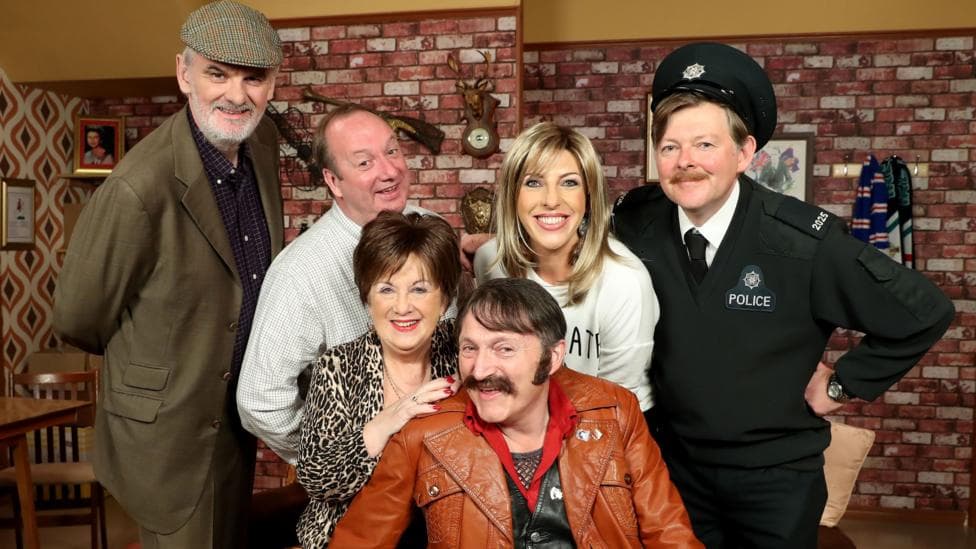
The BBC has confirmed that comedy shows Give My Head Peace and The Blame Game will not receive commissions for new series, marking the end of two long-running programmes that have been fixtures of the corporation's Northern Ireland output.
The decision comes as the BBC attempts to manage significant financial pressures, with the corporation targeting £500m in savings over two years. A spokesperson acknowledged the shows' contributions but stated that difficult choices were necessary to address the financial challenges facing the organisation.
What led to the cancellations?
The BBC is undertaking a major cost-reduction programme across all its services. According to the corporation's June savings plan, the first phase of cuts was expected to deliver approximately £160m toward the overall £500m target over three years. In Northern Ireland specifically, the plan included £4m of savings and up to 50 redundancies.
A BBC spokesperson said:
We recognise the significant contribution that both programmes have made to our local TV schedules over many years and the enjoyment that they've provided for BBC audiences. We are facing real financial challenges at this time and will need to make some difficult decisions in order to manage them, whilst also protecting the distinctiveness and impact of the service we provide.
What was Give My Head Peace?
Give My Head Peace was a sitcom that first appeared on television in 1995, with its initial BBC broadcast dating to 1998. The show featured the Hole in the Wall Gang, a comedy and writing collective, performing characters including Da, Ma, Uncle Andy, Cal, Billy and Dympna. The programme satirised local politicians, paramilitaries and sectarianism, becoming a significant part of Northern Ireland's cultural landscape.
The sitcom ran from the late 1990s until 2007, then was revived in 2016 following a nine-year absence. According to reporting from a local news outlet, filming for the planned series was expected to begin in the coming months but will not now proceed, with insiders fearing the cancellation could mark the permanent end of the programme.
What about The Blame Game?
The Blame Game was a panel show hosted by Tim McGarry that featured regular panellists including Colin Murphy, Diona Doherty, Neil Delamere and Jake O'Kane. The programme broadcast its 23rd series last year, demonstrating its longevity and audience appeal.
According to local reporting, The Blame Game would have been entering its twentieth year on air, and its popularity had been significant enough to push The Graham Norton Show to a later slot in the schedule. The cancellation means the show will not continue beyond its most recent series.
How have people reacted?
Local comedian Paddy McDonnell expressed disappointment at the decision. He told a national broadcaster's radio programme:
Times do change and things have to happen, it is just unfortunate that its two of those institutions being pulled from the TV and the airwaves.
The cancellations represent a significant loss for Northern Ireland's television production sector, removing two shows that had developed dedicated audiences over decades and contributed to the region's distinctive broadcasting identity.
Key Facts
- Give My Head Peace first broadcast in 1998 and ran until 2007 before being revived in 2016
- The Blame Game had broadcast 23 series and was popular enough to affect the scheduling of other programmes
- The BBC is targeting £500m in savings over two years, with £4m of cuts and up to 50 job losses in Northern Ireland
- Both shows were cancelled due to the corporation's financial pressures rather than audience decline