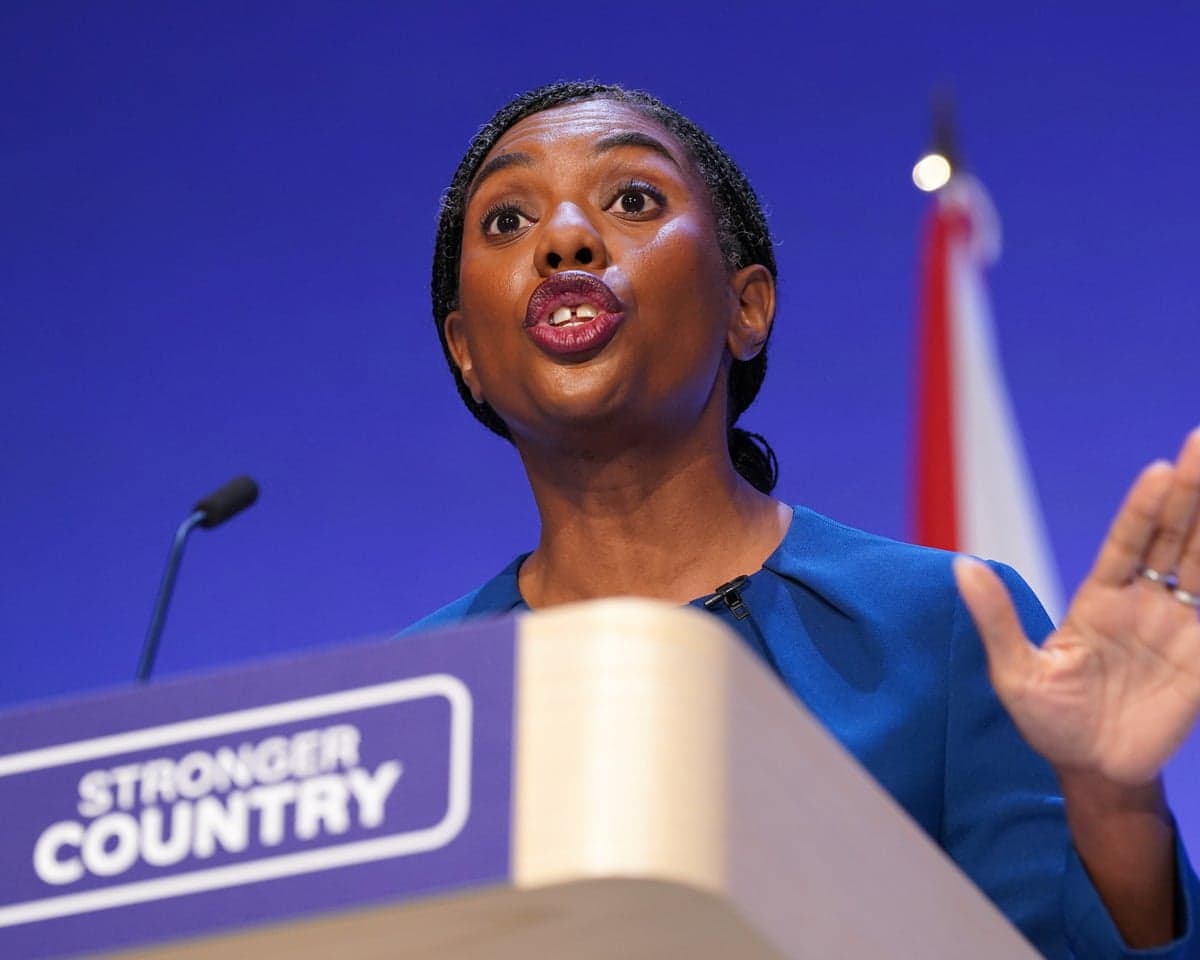
Kemi Badenoch has pledged that a Conservative government would eliminate inheritance tax on family homes, a move that has drawn sharp criticism from opponents who argue the party is prioritising tax relief for the affluent. The Tory leader framed the next general election as a "battle for the soul of this nation" while announcing the policy at the party conference in Birmingham on 7 October 2026.
Under the proposal, couples would be permitted to transfer an additional tax-free sum of £1m to their families. The plan would raise the standard inheritance-tax threshold from £325,000 to £500,000, as well as exempting a family home; the existing residence allowance can add up to £175,000 per person when a home is left to direct descendants. Badenoch stated that the number of families paying inheritance tax would fall by more than half, with the £6bn annual cost to be offset by welfare cuts the party claims to have identified.
My ambition is to abolish inheritance tax altogether, as soon as we can afford it. I believe the people who work hard and save should be rewarded for that effort. So this is my guarantee: no stamp duty when you buy your home, no mansion tax when you live in your home, and no inheritance tax on your home when you pass it to your children or grandchildren.
The inheritance tax announcement is part of a broader package of tax-cutting measures unveiled during the conference week, designed to recapture the support of affluent middle-class voters in southern England who abandoned the Conservatives at the 2024 election. The party has also pledged to scrap the £100,000 income threshold that prevents higher-earning parents from accessing government-funded childcare support, and to repeal the mansion tax.
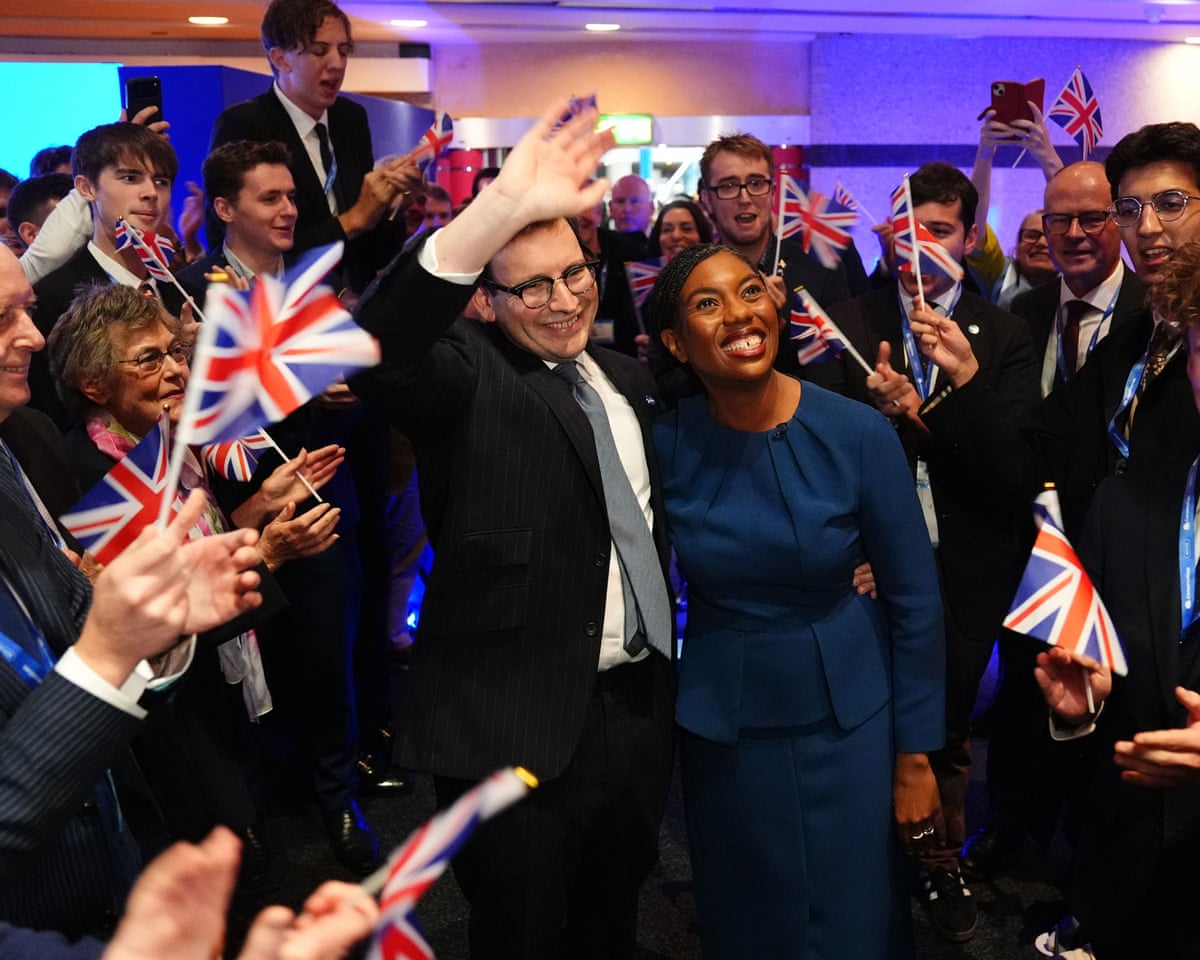
Conservative MPs and activists have welcomed the policy direction, viewing it as an effort to stabilise the party's traditional base. However, the inheritance tax plans have provoked warnings about potential housing market distortions, as elderly homeowners may be incentivised to remain in large family properties rather than downsize, freeing up housing stock for younger buyers.
Who benefits most from the plan?
The wealthiest households stand to gain the greatest advantage from the inheritance tax changes. According to analysis by the Institute for Fiscal Studies, if the tax were abolished altogether, the wealthiest 1% of estates—those worth at least £2.1m—would receive half the benefit. Stuart Adam, a senior economist at the Institute for Fiscal Studies, observed that
the biggest beneficiaries would be those with the highest wealth and the most valuable homes. These will mostly be people living in London and the south-east.
Tax Justice UK issued a statement criticising the proposal as a
massive inheritance tax giveaway to some of the wealthiest people in Britain, arguing that the policy would
deprive public services of cash when they most need them.
What do critics say about the policy?
Opposition parties and campaign groups have attacked the inheritance tax plan as evidence that the Conservatives remain focused on protecting the interests of the wealthy rather than addressing the struggles of ordinary families. Bridget Phillipson, Labour's party chair and minister for equalities, stated that
the Tories haven't changed. Kemi Badenoch has shown that the Tories' choice is to do nothing to help ordinary families struggling with the cost of social care, prioritising the wealthiest instead.
Reform UK has suggested that the inheritance tax plans would affect only 2% of houses, predominantly those in London. Robert Jenrick, Reform's finance spokesperson, remarked that
the Tory party is looking after its own in Kensington, Reform is looking after the country.
How does the inheritance tax threshold currently work?
The inheritance-tax threshold has remained frozen at £325,000, with a separate £175,000 residence allowance, since 2010. Rising house prices and inflation have brought increasing numbers of estates within the reach of the tax over the past 16 years. The Institute for Fiscal Studies estimates that by 2032–33 about 12% of people will have inheritance tax due on their own death or that of a spouse or civil partner.
What else did Badenoch announce at the conference?
Badenoch positioned economic growth as the
central organising principleof the next Conservative government, pledging to cut red tape in planning, build a third runway at Heathrow, implement a new energy policy, and create jobs. Much of her speech, however, focused on attacking opponents, reflecting the party's determination to edge ahead of Reform UK in the polls and reclaim its position as the principal opposition force on the right of British politics.
Badenoch rejected calls from within her own party to negotiate a deal with Nigel Farage's Reform UK, warning that such an alliance would risk damaging the Conservative brand irreparably. She drew a sharp contrast with Reform on matters of race and national identity, responding to comments made by Suella Braverman, the former Conservative home secretary who defected to Reform, suggesting that minority ethnic people could not be English.
I don't want to explain to my son when we're watching our brilliant England team play football that some people don't think our black players are English. I remember back in the day when Ian Wright and John Barnes were playing. Nobody was questioning whether they were English. We certainly didn't have sitting MPs questioning whether they were English. We must not let these people take us backwards. That is not the country we are. Reform MPs are openly questioning people's identity. I don't know whether you've noticed, but I am black. I am British. I am proud of my country. I'm proud of our history, all that we have done, and all that we will do in the world.
Badenoch also criticised Reform politicians directly, saying
a year ago, those politicians were measuring up the curtains for No 10. Now, some of them are measuring up the curtains for their prison cells. The circus goes on and on, and it will never stop because this is who Reform politicians are. So, to those who say 'unite the right', we are not uniting with that. People deserve better and we are going to give them better than that: character, conduct and standards matter.
What is the party's current polling position?
Despite appearing more unified this week than in recent years, the Conservatives remain polling lower than they were at the time of their catastrophic 2024 election defeat. Badenoch acknowledged the scale of the challenge facing the party, appealing directly to Reform voters to return to the Conservatives. She stated that
we let them down and we want them to come back home. They deserve better than Reform politicians.
She added that
we have changed our party. There is still a lot of work to do. People are looking through the shop window. They like what they see, but let's be honest, not enough of them are buying it. We need to fix that.
Senior Conservatives have been urging Badenoch to prioritise economic messaging, hoping that a focus on growth will help the party win back middle-class swing voters in traditional Conservative heartlands, while moving away from culture war issues and migration debates.
Badenoch acknowledged the intense pressure the party had faced over the previous year but expressed confidence in its long-term prospects.
Let me tell you, I'm not someone who gets written off, and neither is the Conservative party. There is a reason our party is still here after 200 years. We have adapted to every single challenge and every single age, and we are doing it again.
What happens next?
The Conservatives have not committed to abolishing inheritance tax altogether in their first term. According to reporting on the party's position, deputy leader Alex Burghart indicated that the party would wait for shadow chancellor Andrew Griffith and the economic team to assess what the party could afford to implement. The Conservatives' £6bn-a-year cost estimate for the plan in 2029–30 is based on analysis by Oxford Economics.
Key Facts
- The inheritance tax plan would raise the standard threshold from £325,000 to £500,000 and exempt family homes from the tax entirely.
- The Institute for Fiscal Studies estimates that if inheritance tax were abolished, the wealthiest 1% of estates would receive half the total benefit.
- The policy is part of a broader Conservative strategy to recapture support from affluent middle-class voters in southern England who switched parties in 2024.
- Badenoch rejected calls to strike a deal with Reform UK, emphasising differences on race, identity, and standards in public life.
- The party remains polling below its 2024 election position and faces a lengthy recovery period before the next general election.