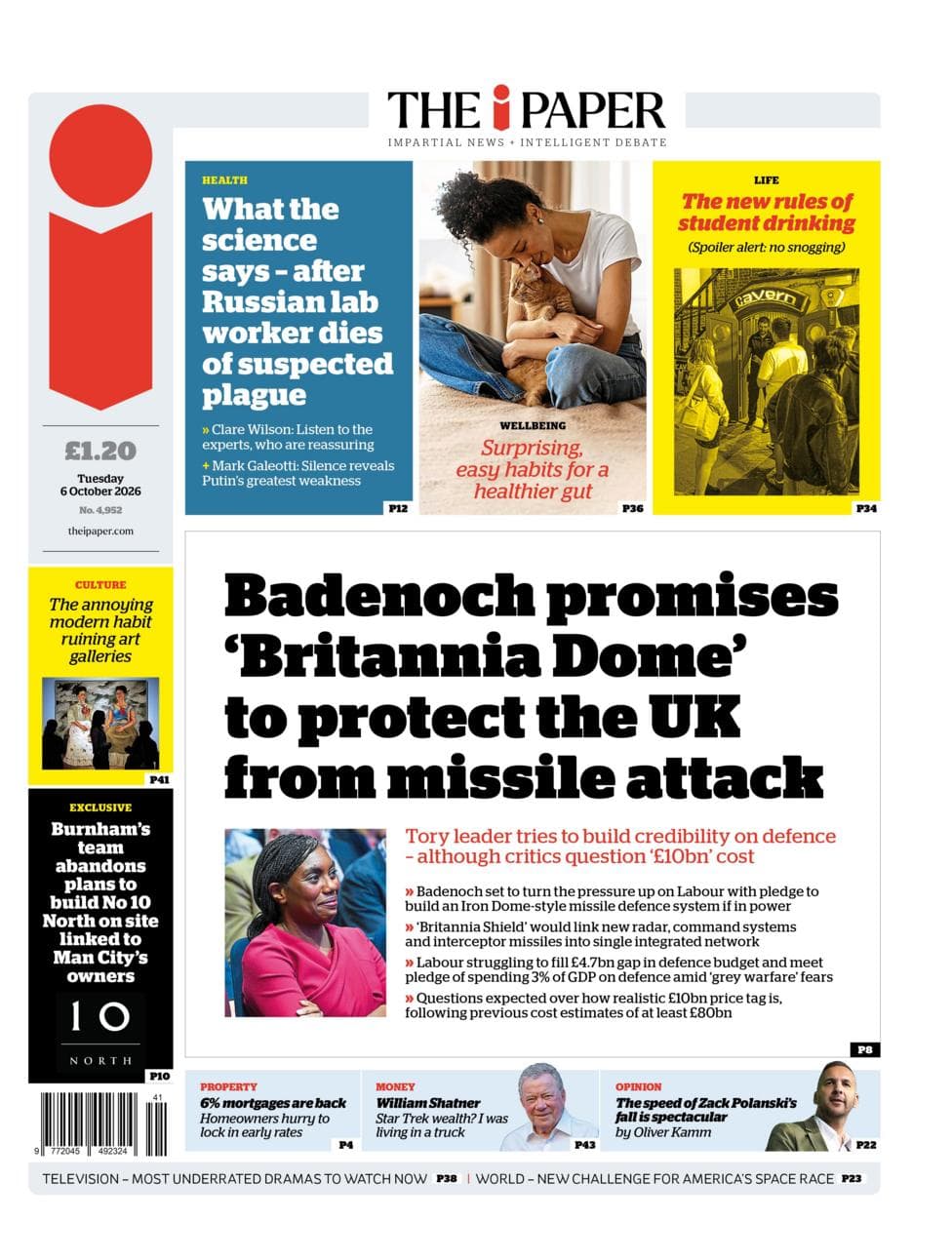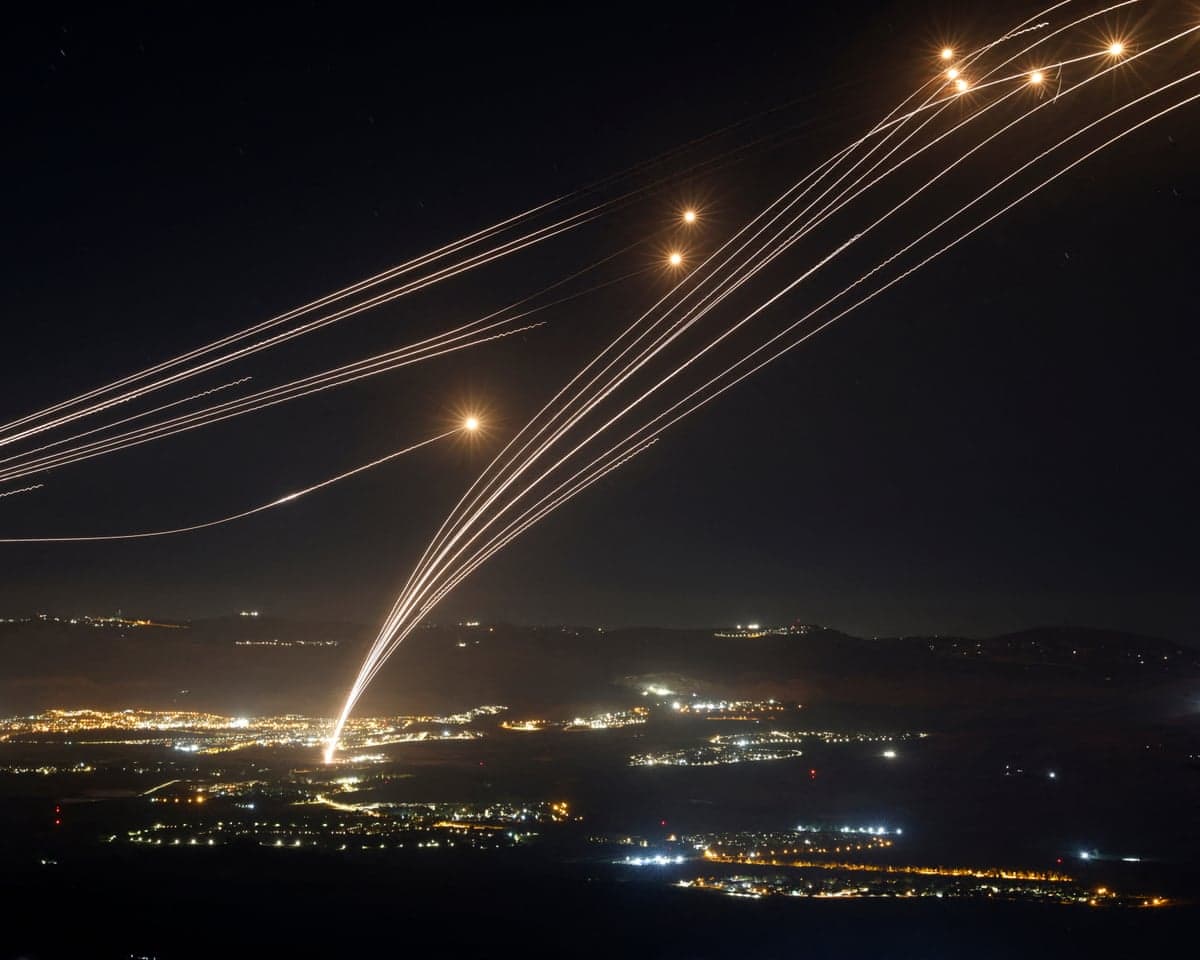
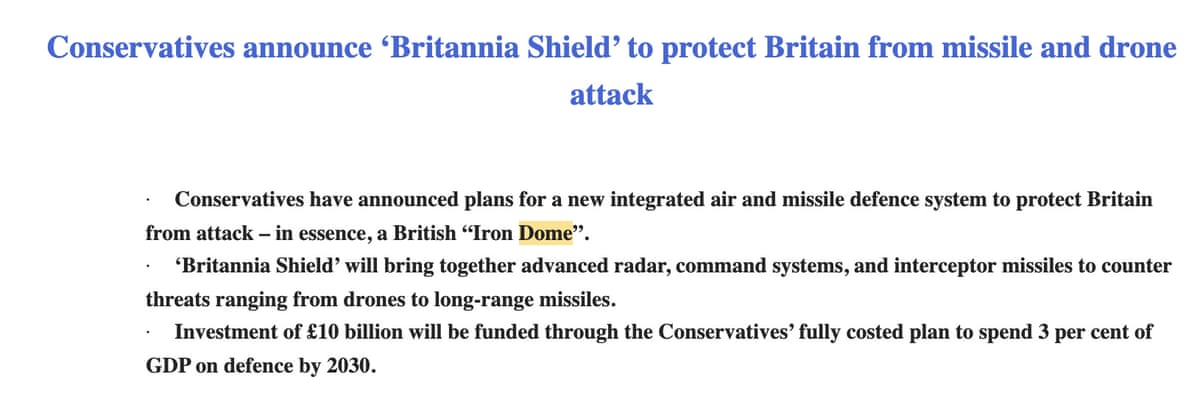
Conservative leader Kemi Badenoch has insisted her party has not branded its new air defence proposal the "Iron Dome," even though the phrase appeared in the official press release sent to journalists. The contradiction emerged during a series of broadcast interviews where Badenoch repeatedly claimed the system is called "Britannia Shield" and is fundamentally different from Israel's air defence model.
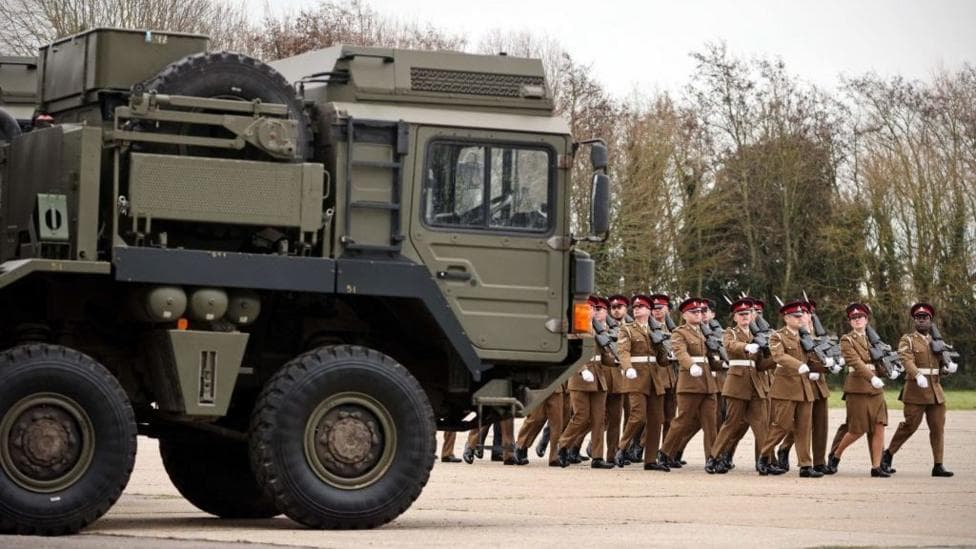
The Conservatives unveiled the proposal as Britannia Shield, a £10 billion missile-and-drone defence system designed to protect the UK from aerial threats. According to the party, the system would cover radar, command-and-control, interceptor missiles and counter-drone capabilities.
What is the difference between Britannia Shield and Israel's Iron Dome?
Badenoch argues that her proposal differs substantially from the Israeli system. When challenged during interviews about why the term "Iron Dome" appeared in Conservative communications, she deflected responsibility, suggesting journalists should ask the papers about the terminology rather than the party itself. She maintained that Britannia Shield is tailored specifically for UK requirements and would protect against threats such as drones fired from boats.
Former General Sir Richard Barrons has estimated that a proper air defence system for the UK could cost up to £100 billion, a figure significantly higher than the Conservative proposal. However, General Sir Richard Barrons has estimated an entry-level UK system could cost £80 billion over 10 years, while the Defence Investment Plan allocated £790 million for integrated air and missile defence. Badenoch rejected these cost comparisons, saying they referred to an Israeli-style system rather than what the Conservatives are proposing.
How will the Britannia Shield be funded and delivered?
The party says the £10 billion would be spread over 10 years, as part of its commitment to raise defence spending to 3% of GDP by 2030. The Conservatives plan to fund the initiative through welfare changes, including reinstating the two-child benefit cap and reforming housing benefit.
The party aims to deliver a "minimal deployable capability" within their first term in office, then expand the system over time. This phased approach would allow the Conservatives to demonstrate progress on defence while managing costs across a longer timeframe.
What did Badenoch say about inheritance tax?
When asked whether she would cut inheritance tax, Badenoch acknowledged she has previously described the levy as too high but stopped short of committing to specific reductions. She said the party would only announce cuts once it had identified funding to pay for them. She expressed being moved by conversations with farmers about the impact of inheritance tax on their businesses and families.
Even though I want to cut inheritance tax - I've given speeches about how I think it is a very bad tax – I've been particularly influenced by what we've seen over the last couple of years, farmers taking their lives because of them … But we have to find the money to pay for it. What we're not doing is just cutting taxes willy nilly. We need to find the savings.
The government is expected to raise £15 billion from inheritance tax by 2030. Badenoch disputed these projections, claiming the figures were not accurate. She also suggested the country is becoming poorer and expressed surprise that Labour's Andy Burnham did not focus on economic issues in his recent speech.
How did Badenoch respond to questions about coalition politics?
Badenoch blamed the problems of the previous Conservative government on the coalition with the Liberal Democrats, saying voters had chosen a Conservative administration but did not receive one. She stated she wants to ensure that situation does not repeat itself. When asked whether she would rule out coalitions entirely, she avoided a direct answer, instead framing the question as being about uniting the country rather than uniting the right.
Regarding Reform UK, Badenoch was dismissive, describing the party's members as "not our kind of people" and claiming they lack high standards. When pressed on what she would do in the event of a hung parliament, she rejected the premise of the question, insisting the focus should be on uniting the country rather than negotiating with other parties.
Badenoch pointed to the recent Aberdeen South by-election victory as evidence that the Conservatives can attract voters who are not natural party supporters. She claimed that even trade unions agree with the party's position on drilling in the North Sea, suggesting there is broader consensus on some Conservative policies.
How has Badenoch's personal popularity compared to her party's polling?
Badenoch acknowledged that she personally polls higher than her party, but attributed the gap to lingering public blame for the previous Conservative government's record. She insisted that people know who is in her shadow cabinet and that winning an election is merely the start, not the end goal.
When challenged that current polling shows the Conservatives performing even worse than in 2024, and that an immediate election would not allow time to turn things around, Badenoch argued that people look at who the leader is. She claimed Labour took office without knowing what it wanted to do, and that she would not make the same mistake. She described her team as strong, her plan as clear, and her approach as rooted in "common sense."
What did Badenoch say about Jeffrey Archer?
Badenoch reflected on receiving a text message from the late Conservative politician and author Jeffrey Archer the day before his death. She recalled that Archer was among those who supported her before she became party leader, and she treasured such relationships. She described him as someone who always had a funny story and would sometimes send her rude messages about people being critical of her, which she found amusing.
He always had a funny story and sometimes – it's a shame, because he had disappearing messages on – when he felt people were being critical of me, he'd say quite rude things about [them], which made me which made me laugh. I'm going to miss him very much.
Archer typically ended his text messages with "NRN" – an abbreviation meaning "no reply needed." When asked about his legacy, Badenoch suggested it lay more in his writing than in Conservative politics. She acknowledged he was part of the Conservative family and that the party was fond of him, though she noted they wished he had "been better behaved." She suggested his family felt the impact of his controversial moments more acutely than the party did, but observed that his popularity meant he was repeatedly given second chances despite difficult situations.
I think his legacy is more in his writing, probably, than in Conservative politics. He was part of the Conservative family. We were a very fond of him. I think we wish he was better behaved. I think his family probably felt the impact of that more than more than we did. But it was a sign that he was someone who people liked so much that, even after he'd been in tricky situations, he kept being given further chances.
Does Badenoch agree that politics has become too tribal?
Badenoch concurred that politics has become increasingly tribal, with people living in echo chambers that reinforce their existing views. However, she expressed confidence that people can unite around common sense principles. She rejected suggestions that people disagree with Conservative welfare policies, insisting that the UK is not fundamentally a welfare state and that people believe in work.
How did Badenoch clarify the scope of Britannia Shield?
When asked whether Britannia Shield would protect the whole of the UK or just critical infrastructure, Badenoch objected to what she called "splitting hairs" between the two concepts. She argued that critical national infrastructure is so fundamental that losing even one element would put the entire country in serious jeopardy. She expressed reluctance to engage in semantic arguments about the proposal, stating she had put forward a description of a system designed to protect the country and make it safer.
I think you are splitting hairs here. Critical national infrastructure protects the entire country. If we lose even one thing, the entire country is in, is in a real problem. I don't want to have a semantic argument. I have put out a description of something which should protect our country and which should make us safer.
What happens next?
Badenoch is due to deliver her Conservative conference speech on Wednesday, October 7, where she is expected to elaborate further on the party's policy agenda and vision for government.
Key Facts
- The Conservative proposal is officially called Britannia Shield, a £10 billion missile-and-drone defence system to be spent over 10 years
- The system would include radar, command-and-control, interceptor missiles and counter-drone capabilities
- Funding would come from welfare changes including reinstating the two-child benefit cap and reforming housing benefit
- The party aims to deliver a minimal deployable capability in its first term, then expand the system over time
- General Sir Richard Barrons estimates an entry-level UK air defence system could cost £80 billion over 10 years