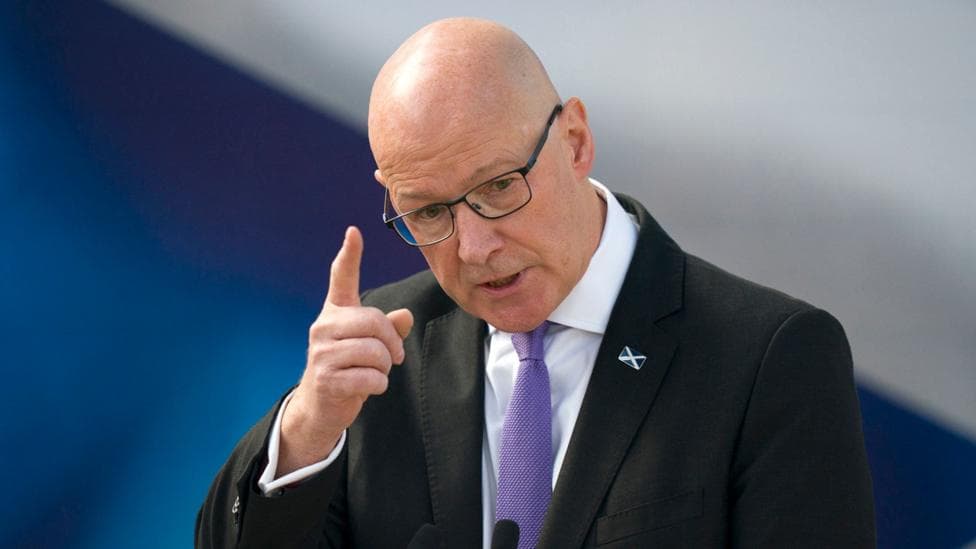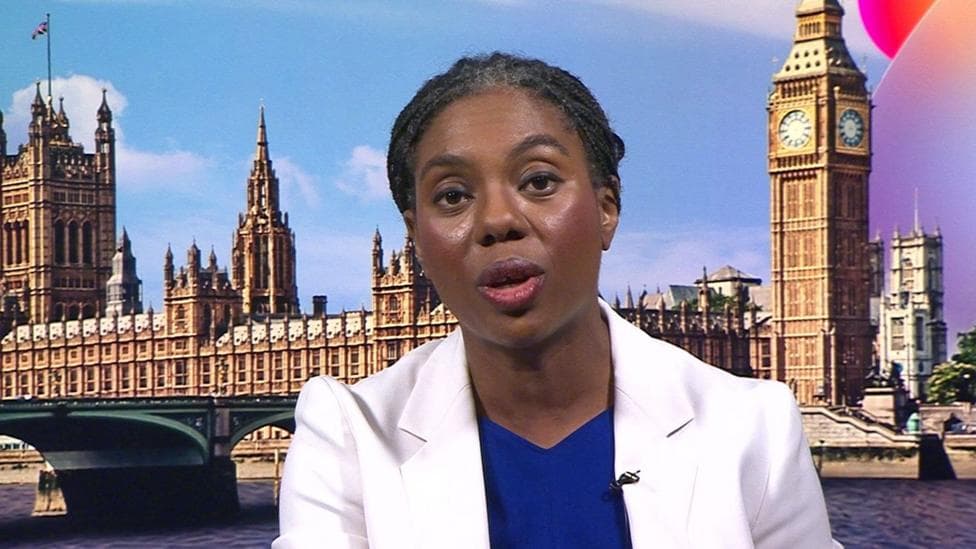
Conservative leader Kemi Badenoch has rejected suggestions that her party's proposed cuts to housing benefit would cause widespread homelessness, though she acknowledged that some people would need to "move somewhere cheaper" if they rely on state support for rent.
The comments came after Badenoch challenged Prime Minister Andy Burnham at Wednesday's Prime Minister's Questions to commit to raising defence spending to 3% of gross domestic product by 2030, arguing that welfare reductions could fund the increase without additional borrowing or tax rises.
The housing benefit proposal
The Conservative plan targets £4bn in annual savings from housing benefit, primarily by lowering Local Housing Allowance rates that determine rental support for private tenants in each area. According to reporting on the proposal, Local Housing Allowance has been frozen since 2024 and still does not fully cover most rents, meaning further reductions would widen the gap between what tenants receive and actual rental costs.
The housing benefit element forms part of a broader Conservative welfare savings package. The £10bn defence package would also include restoring the two-child benefit cap and ending the VAT exemption for Motability vehicles, according to reporting on the plan.
When asked on BBC Radio 4's Today programme whether her proposals would make people homeless, Badenoch said the party would "protect existing tenants" and exempt pensioners from the changes. She framed the policy as a matter of fairness to taxpayers, stating that government should not fund people's choice to live in expensive areas.
"What we're doing is making sure that people are protected, but capping the amount that people get on benefits because we need to look after our national security. Without national security, there aren't going to be any benefits. We're all going to be in danger, far more people will be homeless, and the government's first duty is defence of the realm."
In a separate interview with BBC Breakfast, Badenoch elaborated on who would be affected, saying those in high-cost areas receiving Local Housing Allowance would need to relocate to more affordable locations. She acknowledged the tension between personal aspiration and public spending, but maintained that taxpayers should not subsidise housing choices in expensive regions.
Labour's counter-argument
Burnham rejected the proposal during PMQs, arguing that national security cannot be achieved at the expense of social security. He warned that removing £4bn from housing benefit would create unprecedented levels of homelessness and leave hundreds of thousands of children in temporary accommodation.

The Prime Minister responded by outlining Labour's alternative approach to reducing the welfare bill. Rather than cutting housing support, Burnham said the government would boost council housebuilding, support young people into employment, and expand mental health services—measures he characterised as the "Labour way" of addressing welfare costs.
The broader defence spending debate
The housing benefit cuts sit within a larger Conservative argument about defence funding. Badenoch has set out a wider Conservative plan to raise defence spending to 3% of GDP by 2029-30 using about £10bn in annual savings, mainly from social security. The party has framed this as a necessary response to geopolitical threats, positioning welfare reductions as the responsible way to fund defence without increasing the national debt.
At a party event, Badenoch declined to say whether the housing benefit cuts could be offset by increased homelessness costs, after being pressed on the issue. This silence highlighted a central tension in the Conservative position: the party claims the cuts will not cause homelessness while simultaneously refusing to acknowledge that any increase in homelessness costs might offset the claimed savings.
Housing benefit context
Housing benefit is paid to unemployed people and those on low incomes to help cover rent costs, with rates varying by council area. The number of people eligible to claim has grown significantly in recent years. Since 2020, more than one million additional people have become eligible for housing benefit, driven largely by soaring private rental costs that have outpaced wage growth.
The total cost of housing benefit is forecast to reach £39bn in the current financial year, according to the Department for Work and Pensions. This rising bill reflects both the increasing number of claimants and the higher rents they face, making housing support one of the fastest-growing areas of welfare spending.
What happens next
The Conservatives have indicated that their 3% defence spending target would be reached by 2029-30, making that the key policy milestone for their plans. The government is expected to set a target date for increased defence spending during the spring spending review, when Burnham has said Labour will outline its own approach to balancing defence investment with other spending priorities.

The debate reflects a fundamental disagreement between the two parties about how to fund defence spending. While the Conservatives argue that welfare cuts are the fairest way to raise defence funding, Labour contends that such cuts would create social costs—particularly in homelessness and temporary accommodation—that would ultimately prove more expensive for the public purse.