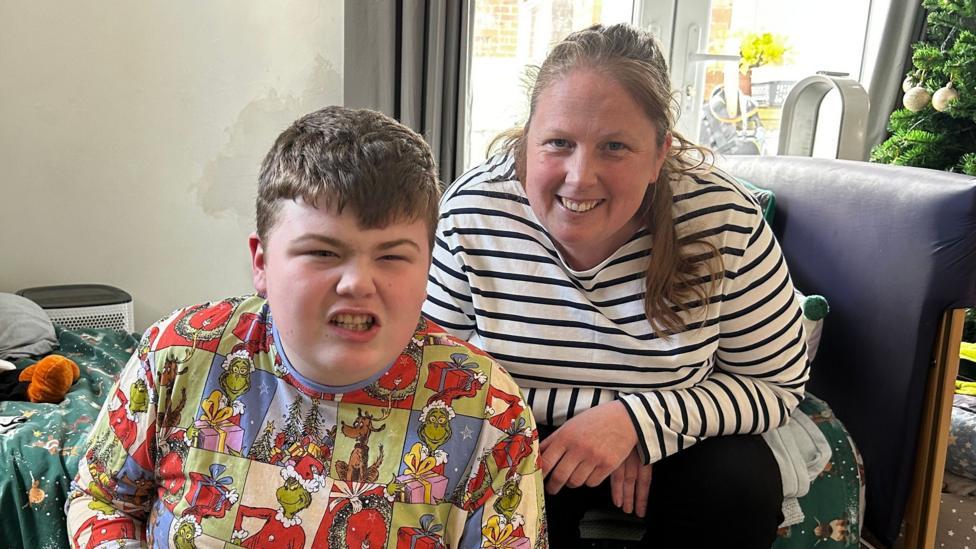
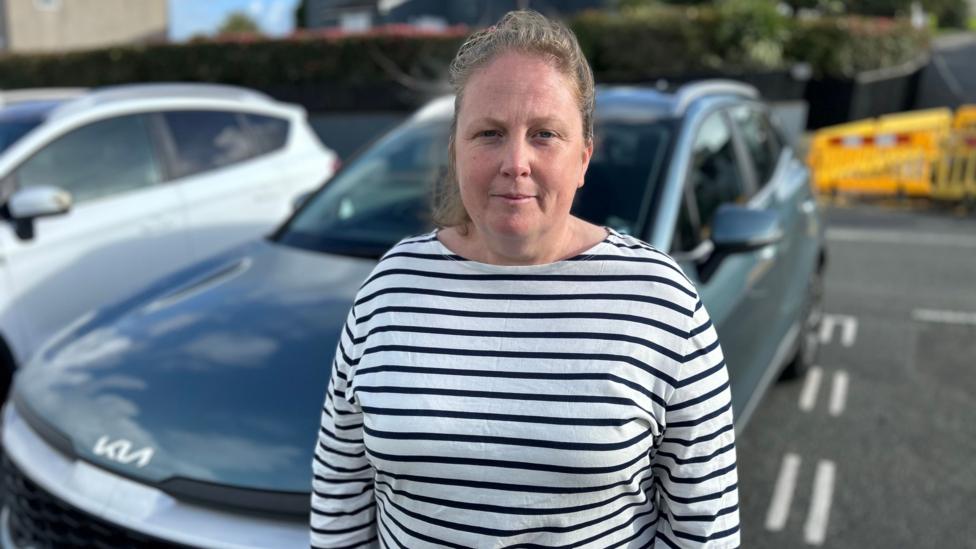
Claire Gray, a full-time carer for her 16-year-old son Jack who is severely autistic, fears that losing his family's dedicated on-street disabled parking bay could trap him at home and undermine the independence he has gained. According to BBC News, Pembrokeshire council is reviewing a pilot scheme that has provided individual parking bays to eligible residents since 2022, with plans to replace them with shared blue badge spaces that any eligible holder could use.
The distinction between a dedicated bay and a standard blue badge space is significant for Jack's family. While blue badge spaces can be used by any eligible driver or carer, the dedicated bay outside their home is reserved exclusively for them. Pembrokeshire County Council's records show the pilot received 181 applications and installed 20 bays over two years, but the scrutiny committee has now agreed to move toward a shared model.
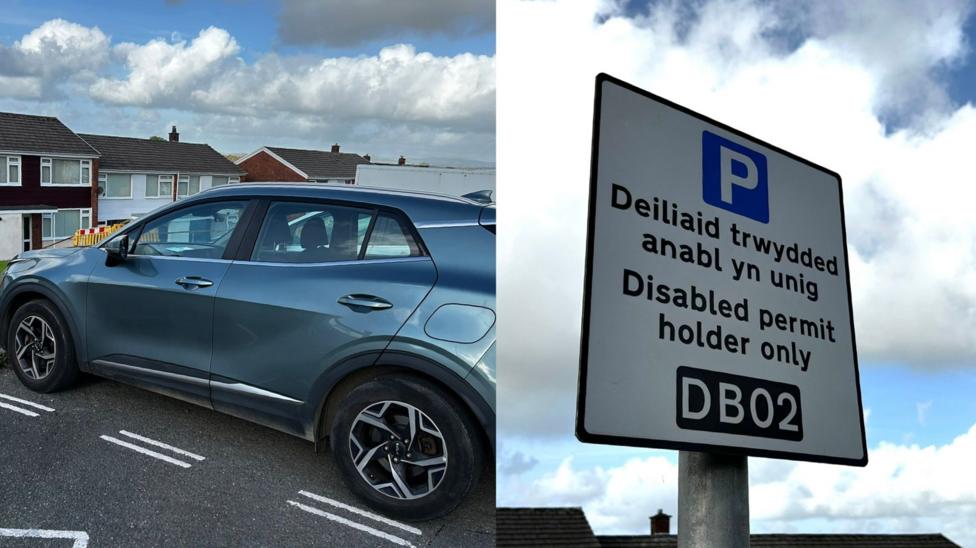
How has the dedicated bay changed Jack's life?
The parking arrangement has fundamentally altered what Claire and Jack can do together. Jack is low verbal, has severe autism, and experiences multiple medical issues. He is prone to running away and has damaged neighbours' cars when dysregulated, creating safety concerns that previously kept the family largely confined to their home.
Before receiving the dedicated bay, Claire would avoid leaving the house with Jack because of the anxiety involved in locating a parking space.
"We would drive up and down, his anxiety would grow and he would get really agitated,"she explained. With no driveway and limited parking spaces in their area, the family often had to park several streets away, a distance that created stress for both of them.
The dedicated space has transformed their daily life.
"Having the space has literally opened the world to him. He's not going to school, coming home and we can't go out because we can't park and then worried about the behaviour after. We can come home and say 'right we're going to go to youth club or go and see nanny and grampie'."Claire said the arrangement makes caring for Jack significantly easier and allows him to participate in activities that would otherwise be impossible.
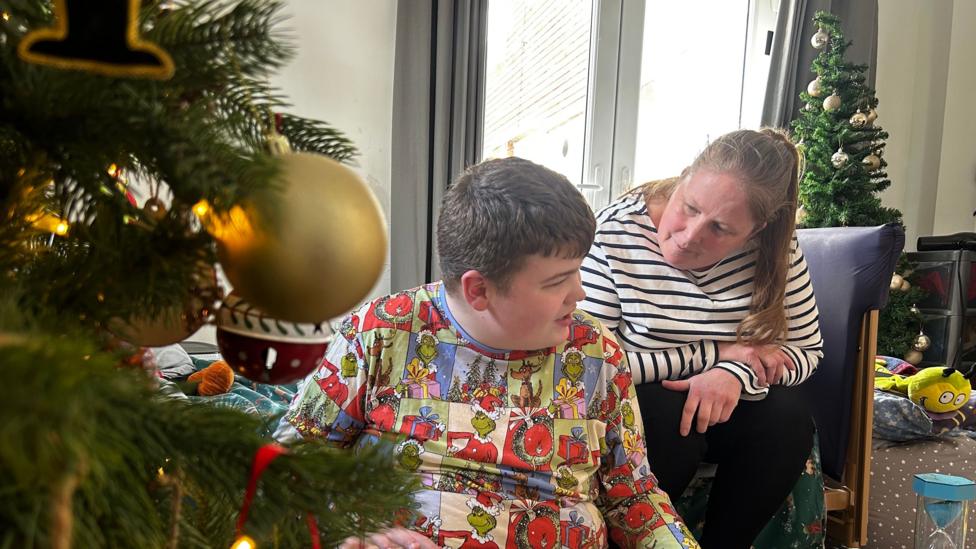
What are the concerns about changing to a shared bay?
If the council proceeds with converting dedicated bays to shared blue badge spaces, Jack's family will no longer be guaranteed parking outside their home. This uncertainty creates multiple practical and emotional challenges.
"We're going to be stuck in the house again, we're going to be prisoners in the house,"Claire said.
A shared blue badge bay would also introduce time restrictions. The BBC reports that a shared bay could require the family to move their car every three hours between 9am and 5pm, adding a layer of complexity to an already demanding situation. For Claire, who must monitor Jack constantly—he eats plastic and glass and requires careful supervision—the obligation to move the car would create additional stress.
"I've got cameras watching him because he'll eat plastic or glass, like he'll eat anything, and then I'm worried about moving a car. It's just going to add stress to an already stressful situation."
Jack's need for routine is essential to his wellbeing. When parking is not immediately available, his anxiety increases and he becomes dysregulated, making the journey home more difficult for both of them.
What do disability advocates say?
Disability Wales has raised concerns about the impact of removing dedicated parking. Leandra Craine from the organisation explained that proximity to home is crucial for disabled people's independence.
"If you can only move a small amount to get to your car, to then be able get to your appointments, for example, that's really important. There can be an overwhelming anxiety of 'am I going to be able to get home and actually get to my front door?' That can prevent people from even wanting to leave the house and being independent if they can't actually get to their home."
The charity expressed disappointment that Pembrokeshire council did not carry out an equality impact assessment before the scrutiny committee reviewed the pilot scheme in November 2025. Such an assessment would have examined how the proposed changes would affect disabled residents and their families.
Why is the council reviewing the scheme?
In November 2025, Pembrokeshire's scrutiny committee reviewed the pilot scheme after officers raised legal concerns. They argued that under parking law, restrictions must apply to groups of users rather than individual people. This legal interpretation prompted the committee to agree that bays should instead be available to any eligible blue badge holder.
The council has indicated that future requests for new blue badge bays will be considered case by case alongside other parking restrictions. However, this does not address the immediate concern about existing dedicated bays being converted to shared spaces.
How widespread is this type of scheme?
Pembrokeshire is not alone in offering dedicated on-street disabled parking. Two other Welsh counties—Rhondda Cynon Taf and Neath Port Talbot—provide similar dedicated bays to eligible residents. Similar schemes also operate in England, suggesting there is a recognised need for this type of provision.
The pilot scheme in Pembrokeshire has been substantial in scope. The initial phase received 150 applications and installed 10 bays in its first year, followed by 31 applications and 10 additional bays in the second year. Eligibility was determined by blue badge status and mobility benefit levels, without medical professionals assessing individual need.
What happens next?
Pembrokeshire council has not yet made a final decision on the scheme's future. The council stated that
"Equality impacts will be assessed and considered by cabinet alongside all other relevant information when determining the future of the scheme."Current arrangements for individuals remain in place while this review continues.
Claire's plea reflects the stakes involved for families like hers.
"Please, please just think about the individuals. These people have the bays because they need them. Most people would say it's just a parking space but to him [Jack], it's his key to the community."
Key Facts
- Pembrokeshire's pilot scheme has provided 20 dedicated on-street disabled parking bays since 2022, with 181 applications received over two years
- Dedicated bays differ from standard blue badge spaces: only the permit holder can use a dedicated bay, whereas any eligible blue badge holder can use a standard bay
- Converting to shared bays would remove the guarantee of parking outside the family's home and could introduce three-hour time restrictions between 9am and 5pm
- Two other Welsh counties and schemes in England offer similar dedicated bay arrangements
- The council's cabinet will consider equality impacts before making a final decision on the scheme's future