An investigation into allegations that British Special Forces murdered unarmed Afghan civilians has consumed £58m in public funds, according to Ministry of Defence figures, while remaining far behind its original timeline and yet to release any conclusions.
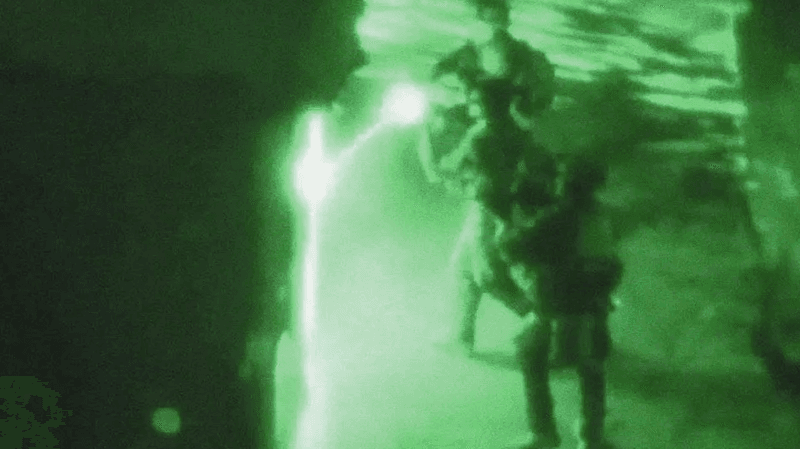
The Independent Inquiry relating to Afghanistan (IIRTA) was established to examine alleged unlawful activity by soldiers serving with the Special Air Service between 2010 and 2013 during night raids targeting the Taliban. These operations have been scrutinised over claims that the SAS murdered detainees and unarmed civilians, including children.
When Lord Justice Haddon-Cave launched the inquiry in 2023, he stated it would aim to report "at least on an interim basis" within 12 to 18 months. More than three and a half years have now elapsed without any published findings.
The inquiry itself reported expenditure of £14.68m through the end of the 2024-25 financial year, covering the salary of chair Sir Charles Haddon-Cave, its secretariat, lawyers and expert witnesses. The organisation stated this spending was proportionate and subject to judicial oversight.
The Ministry of Defence, however, disclosed a substantially higher figure following a Freedom of Information request. The MoD calculated total costs at £58m through March 2026, encompassing both its own expenses and those of the inquiry team. The department confirmed that 74 of its staff were dedicating more than half their working time to the investigation.
In a statement, the inquiry attributed delays to work being "greater and more complex than it originally envisaged". It also cited postponements caused by the MoD's tardiness in releasing information as a factor affecting the schedule.
What has the inquiry uncovered so far?
Although much of the inquiry's proceedings have occurred behind closed doors to protect the identities of active personnel, some evidence has been made publicly available on its website. The inquiry has heard testimony from senior UK military figures who stated they believed the SAS carried out extrajudicial killings of Afghan civilians. Concerns have also been raised about the secrecy surrounding SAS operations and the premature termination of earlier investigations into these allegations.

In a significant development, the inquiry lifted restrictions on naming the SAS and SBS in June 2026, determining that the public-interest case for continued anonymity no longer held. However, the inquiry rejected a BBC application on 17 June 2026 to identify two senior special forces officers, citing national-security concerns raised by the MoD.
The inquiry has published evidence summaries from three UK Special Forces witnesses as part of its Concerns and Complaints Part Two phase, and has also released the evidence and report into Operation Northmoor. A new tranche of inquiry documents was published in July 2026, including testimony from senior UKSF officers.
Why has the process taken so long?
Public inquiries of this scale and sensitivity routinely extend well beyond initial projections. The Bloody Sunday Inquiry, which determined that the killing of 13 civil rights protesters in Northern Ireland by British soldiers was "unjustified", required 12 years to complete and cost more than £190m.
The SAS Regimental Association (SASRA), representing more than 5,000 SAS veterans and serving personnel, expressed continued commitment to supporting the inquiry and achieving a "timely solution". However, the organisation warned that "the prolonged nature of the process is itself causing significant and widening harm."
SASRA stated the inquiry posed a "significant challenge, not only to the regiment's reputation and the wellbeing and morale of its members, but in the association's view, to the operational effectiveness of a key element of the nation's defence". The group highlighted that decades of legal scrutiny arising from operations in Northern Ireland, Iraq, Afghanistan and Syria had created a cumulative burden on individuals, families and the association.
What is the inquiry's response?
The inquiry stated it remained committed to the welfare and safety of UK Special Forces personnel and witnesses providing evidence, and that reaching a timely conclusion served everyone's interests. The chair reaffirmed his commitment to protecting the wellbeing and safety of those involved in the process.
The inquiry was established by former Defence Secretary Ben Wallace following allegations first reported in 2022, which detailed claims that the SAS had carried out unlawful killings during deliberate detention operations in Afghanistan.
Broader concerns about military accountability have intensified in recent months. A Commons committee determined that the MoD's breach of Afghan relocation data was a foreseeable systemic failure, exposing details of more than 18,500 applicants, highlighting institutional weaknesses in handling sensitive information and personnel matters.