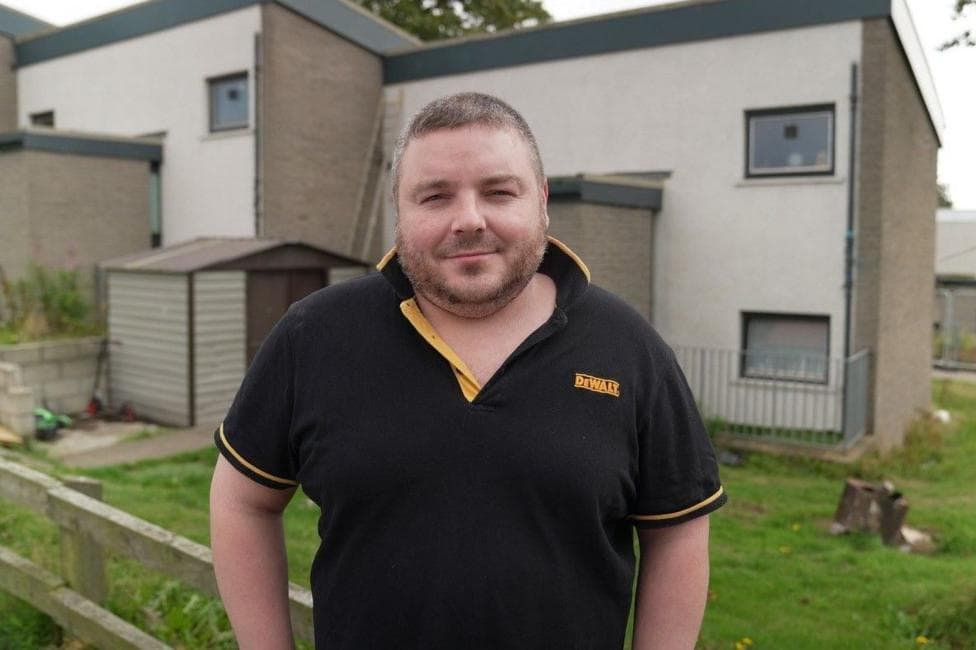
Raymond Smith, 40, has declared his intention to remain in his three-bedroom home even as demolition crews move through Aberdeen's Raac-affected neighbourhood. "This is a family home. I will be the last man standing," he told a national broadcaster.
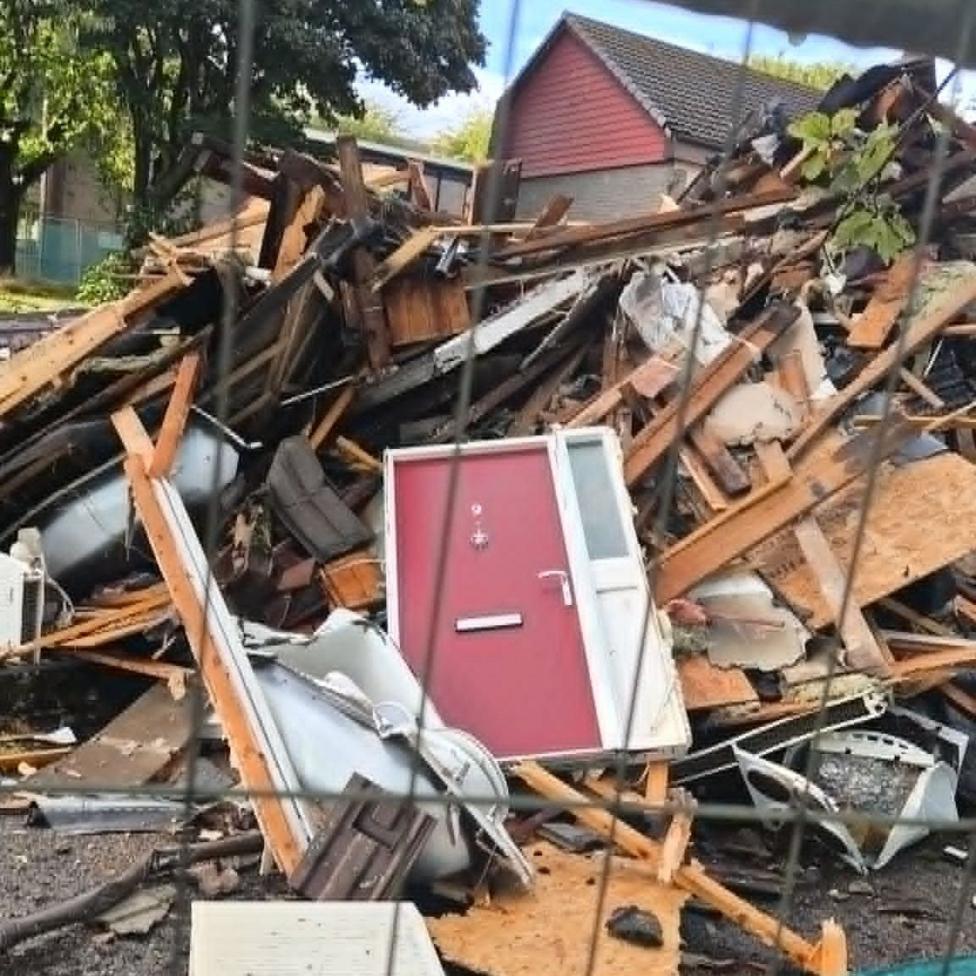
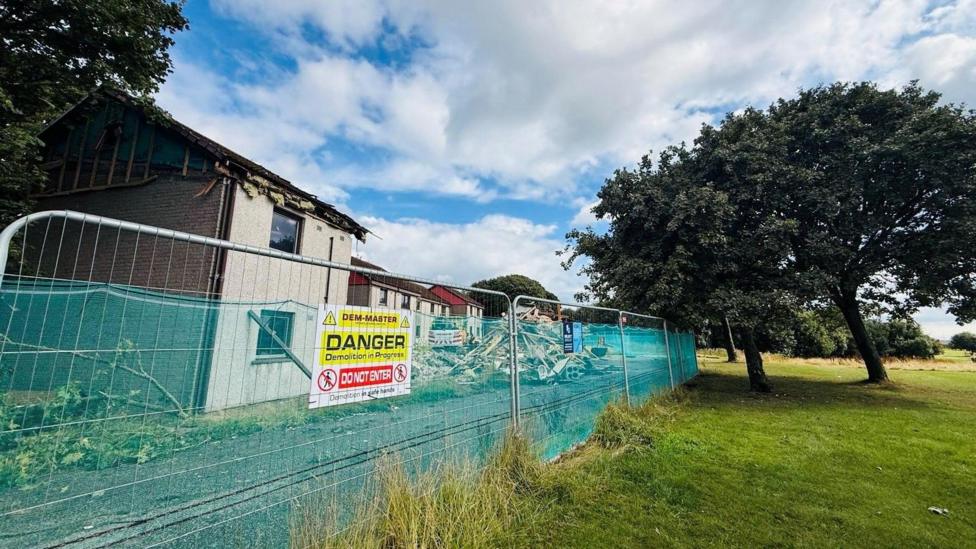
Nearly three years after reinforced autoclaved aerated concrete (Raac) was identified in the roofs of hundreds of Aberdeen properties, the local authority has begun knocking down affected dwellings. More than 500 homes—the majority council-owned—were discovered to contain the hazardous material in late 2023. Demolition started last month, but a small number of private owners who have rejected council acquisition offers remain in their properties.
The scale of the problem is substantial. A total of 138 private properties and 366 council homes were found to contain Raac. The council's plan to demolish and rebuild the affected properties is expected to cost more than £150m, with the demolition programme covering 277 Raac-hit homes. Through voluntary acquisition, 128 of the 138 private homes have been purchased by the local authority.
Smith purchased his property 13 years ago for £125,000. The council's offer of £112,000 falls significantly short of what he believes is fair compensation. He lives in the home with his partner and child, and views the property as irreplaceable at the offered price.
Why are homeowners refusing to sell?
Smith's frustration extends beyond the financial offer. He believes the council mishandled the entire process from the outset.
"I just think the whole situation's a mess, absolutely horrendous," he said. "All this started three years ago. All they had to do was say we need the land back, give everybody a fair offer from the start, you have six months to move on. It wouldn't have been a problem for me."
He contends that residents' lives have been disrupted unnecessarily and that clearer communication at an earlier stage would have resolved matters more smoothly. Despite the pressure to vacate, Smith remains resolute.
"I've ordered my Christmas turkey already," he said. "I like it here. I wouldn't have bought a house I'm not happy with. I'll be the last person here, definitely."
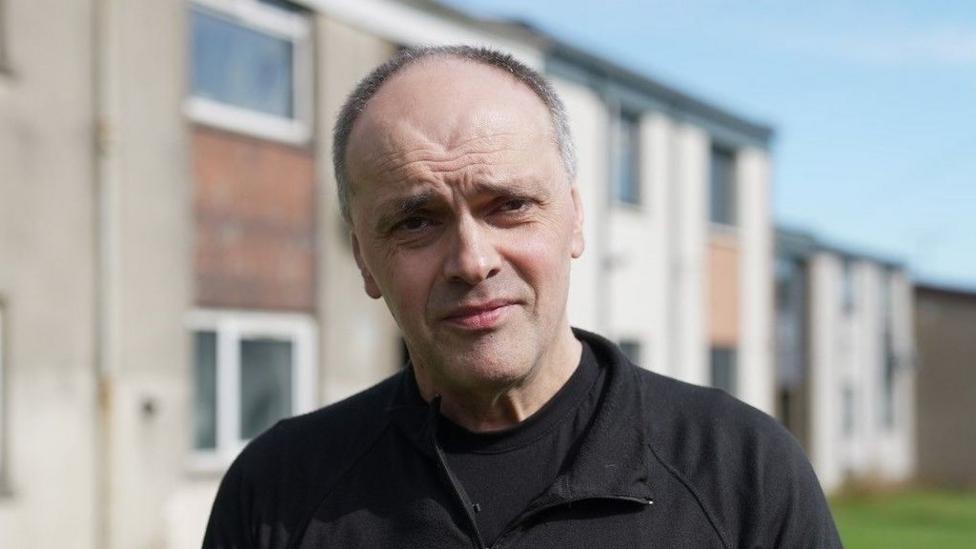
Another holdout is landlord David Porter, 62, who owns three affected properties. His situation is complicated by his commitment to long-term tenants and his previous investment in the buildings.
"There is absolutely no way we'll be selling that one," he saidregarding one property where he has made a substantial commitment to a tenant. Porter has even spent £20,000 to remove Raac and replace a roof in one of the properties, an investment he is unwilling to abandon.
For the other two properties, Porter has repeatedly contacted the council about a proposed swap deal but has received no resolution. When asked about the council's acquisition offers generally, he expressed his view bluntly.
"There's no way you could buy another property within the city matching the accommodation of these places for the amount being given."Describing the entire handling of the situation, he said:
"One word - atrocious."

What deadline did the council impose?
The council set an initial deadline of 30 August for remaining homeowners to accept its acquisition offer. However, according to local reporting on 19 August 2026, the council maintained this deadline even as it announced enhanced payment offers to encourage acceptance. The pressure intensified when 12 households were emailed on 21 July 2026 and told to declare their intentions within 14 days, with possible formal enforcement action threatened if they did not respond.
This compressed timeline created significant hardship for residents still negotiating terms or attempting to secure alternative accommodation. The Scottish government and council had previously agreed a funding deal worth £10m to support residents, but many felt the financial assistance fell short of their actual needs.
How is the council responding?
Aberdeen City Council stated it remained in "active dialogue" with homeowners and emphasised the importance of handling personal circumstances with sensitivity. A council statement noted that while a deadline had been agreed, there was "discretion where owners are positively engaging".
The council declined to provide public details of individual cases or ongoing negotiations, stating it would be inappropriate to disclose such information in a public forum. Instead, it directed residents to contact the dedicated Raac email address at raac@aberdeencity.gov.uk to discuss their circumstances, the terms of offers, or available options.
What is Raac and why is it dangerous?
Raac stands for reinforced autoclaved aerated concrete. This lightweight material was used primarily in flat roofing, but also in floors and walls, between the 1950s and 1990s. It offered cost advantages over standard concrete—it was cheaper to produce and quicker to install.
The material is aerated, or "bubbly," similar in structure to an Aero chocolate bar. However, this characteristic makes it significantly less durable than traditional concrete. Raac has a lifespan of approximately 30 years, and its structural behaviour differs markedly from reinforced concrete.
The material is particularly susceptible to structural failure when exposed to moisture. The bubbles within the concrete allow water to penetrate the material, compromising its integrity. Although Raac is often coated with protective materials such as bitumen on roofing panels, these coatings degrade over time. The Health and Safety Executive (HSE) has stated that Raac is now beyond its lifespan and could "collapse with little or no notice".
What happens next?
The demolition began with an initial block before wider site work was due to commence in early September 2026. The council has approved a four-stage demolition approach, with the overall programme estimated to take up to four years to complete. The first phase covers 135 fully council-owned properties, with subsequent phases addressing the remaining affected homes.
For homeowners like Smith and Porter who continue to resist sale, the coming months will determine whether the council pursues formal enforcement action or continues negotiating. The outcome will likely set a precedent for how local authorities handle similar Raac situations affecting private homeowners across Scotland.
Key Facts
- More than 500 Aberdeen properties—138 private and 366 council-owned—contain Raac, identified in late 2023
- The demolition and rebuild programme is estimated to cost over £150m and could take up to four years
- 128 of 138 private homes have been purchased through voluntary acquisition; fewer than 10 remain unsold
- The Health and Safety Executive warns that Raac is beyond its 30-year lifespan and could collapse with little warning
- Wider demolition work was scheduled to begin in early September 2026 following an initial phase