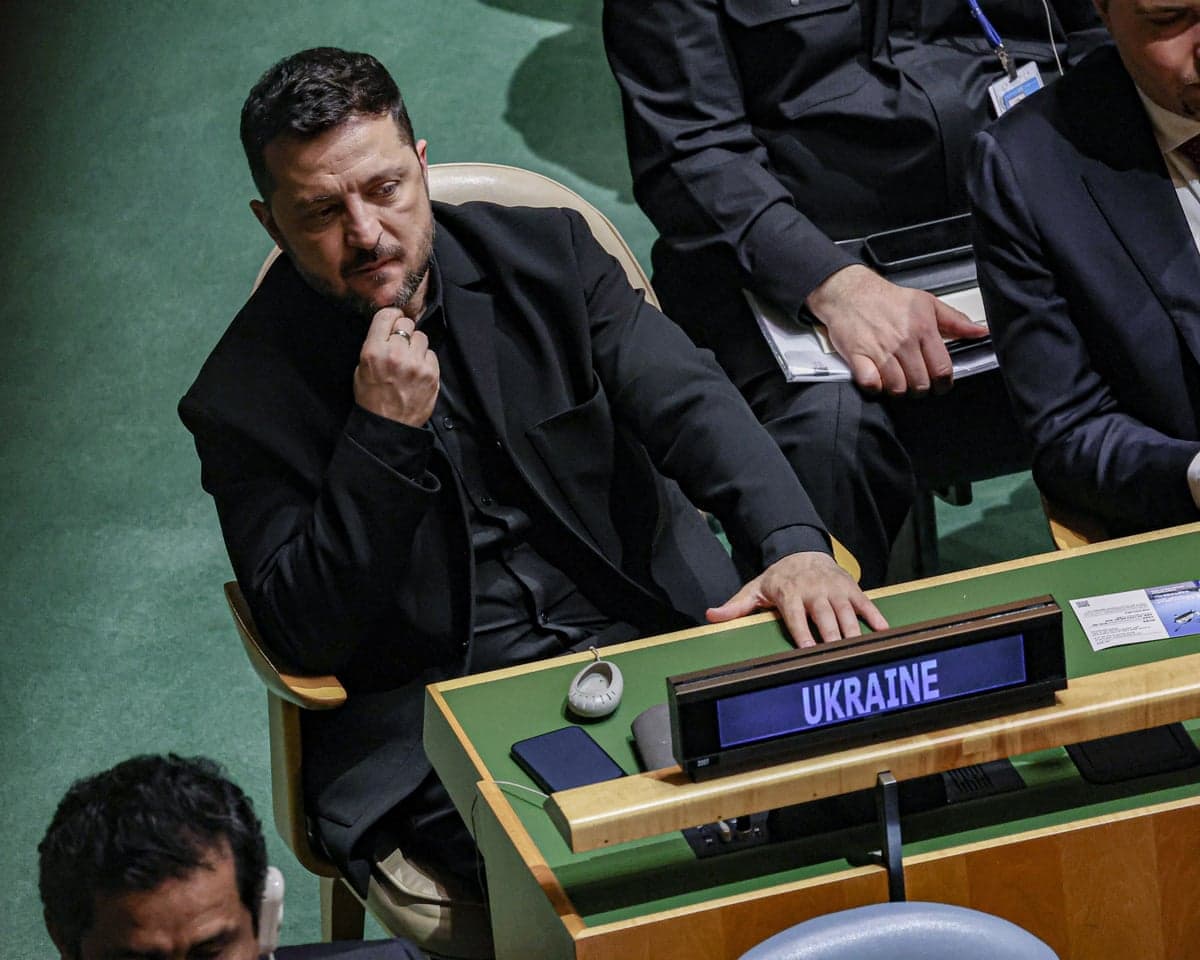
Ukraine takes centre stage on the second day of the UN General Assembly in New York on 23 September 2026, with President Volodymyr Zelenskyy preparing to deliver a major address to world leaders. His speech comes just hours after Russian forces launched what officials described as particularly severe attacks on the capital, killing at least two people and injuring 22 others, according to Kyiv mayor Vitali Klitschko. The timing underscores the ongoing military pressure facing Ukraine even as its leader seeks to rally international support and explore potential paths toward de-escalation.
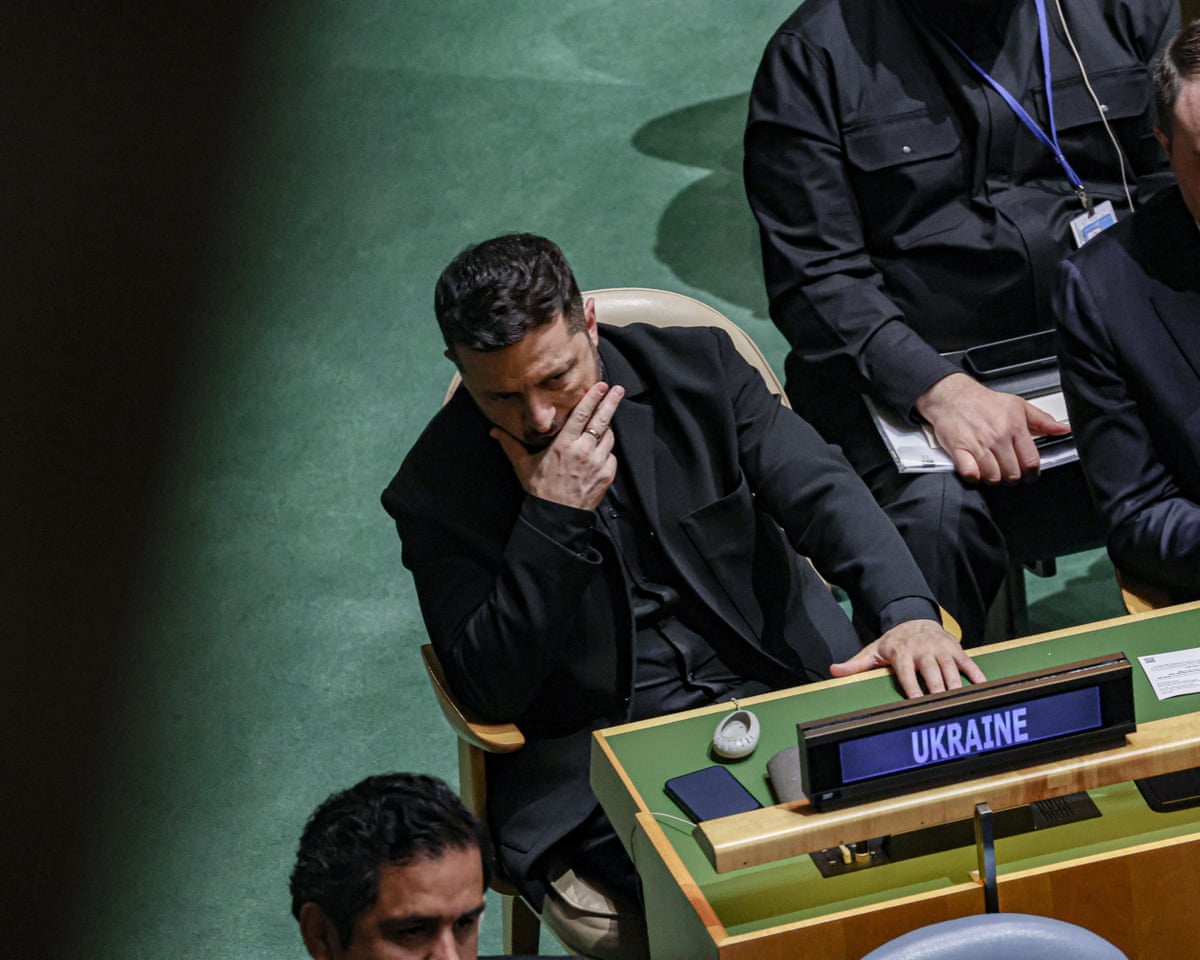
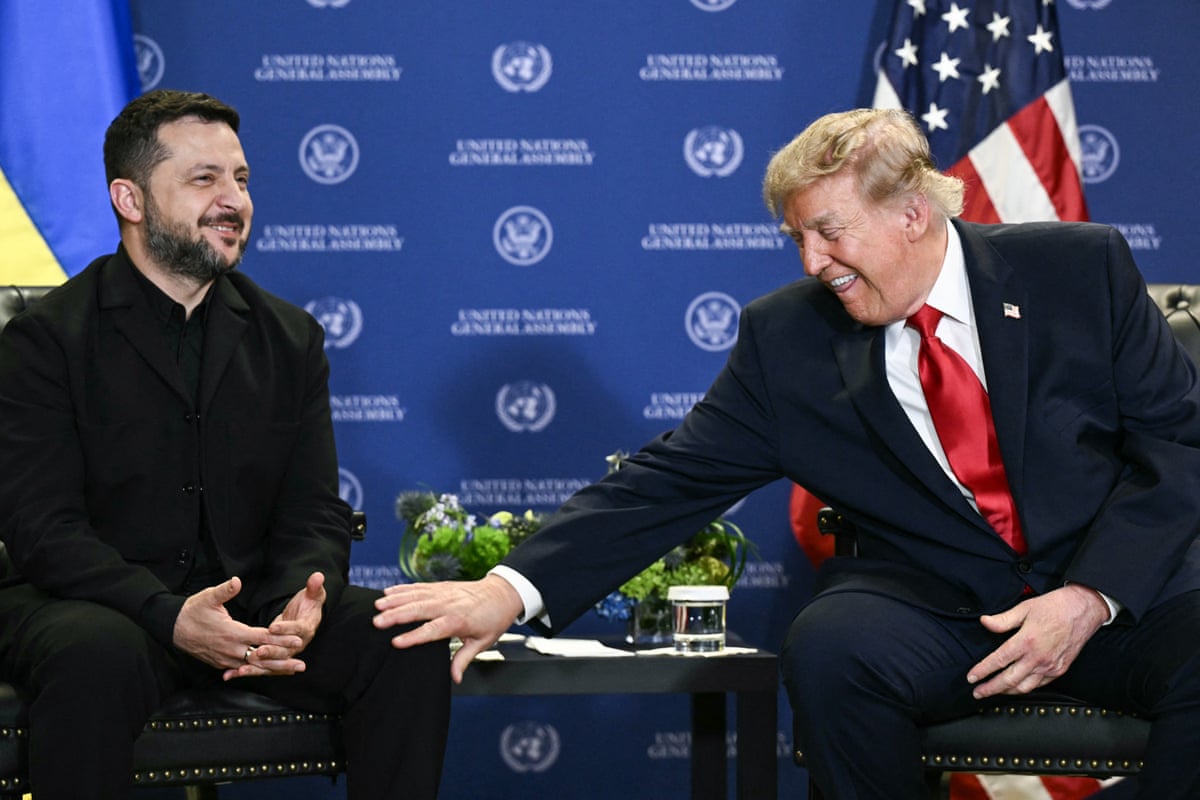
Zelenskyy's appearance at the assembly represents a critical opportunity to strengthen Ukraine's diplomatic position ahead of any future negotiations with Moscow. The address follows his meeting with US President Donald Trump on the sidelines of the gathering, where the two discussed ending what Zelenskyy called
the senseless warbefore winter arrives. During that encounter, Zelenskyy indicated that
we need to do it as quick as possible, before winter, and later stated on social media that the pair had explored
potential de-escalatory steps that can open up the way to diplomacy.
In a significant development, Zelenskyy signalled Ukraine's willingness to pursue an energy ceasefire framework. According to reporting from the region, he stated that Ukraine was
ready for any kind of format of energy ceasefireif Russia agrees to
not attack out energy system.Ukrainian officials made clear, however, that such an arrangement would not require Ukraine to halt its own strikes on Russian energy infrastructure, maintaining pressure on Moscow's war economy.
What prompted Zelenskyy's UN appearance?
The Ukrainian leader's UN speech is designed to consolidate international backing for Kyiv at a moment when the conflict shows no signs of abating. Zelenskyy has been pushing for a broader diplomatic framework at the UN, including the energy ceasefire proposal tied to Russia stopping attacks on Ukraine's power, heating and water infrastructure. His address will likely emphasise both the humanitarian toll of the war and Ukraine's readiness to engage in serious negotiations, provided Russia demonstrates genuine commitment to de-escalation.
How severe were the morning attacks on Kyiv?
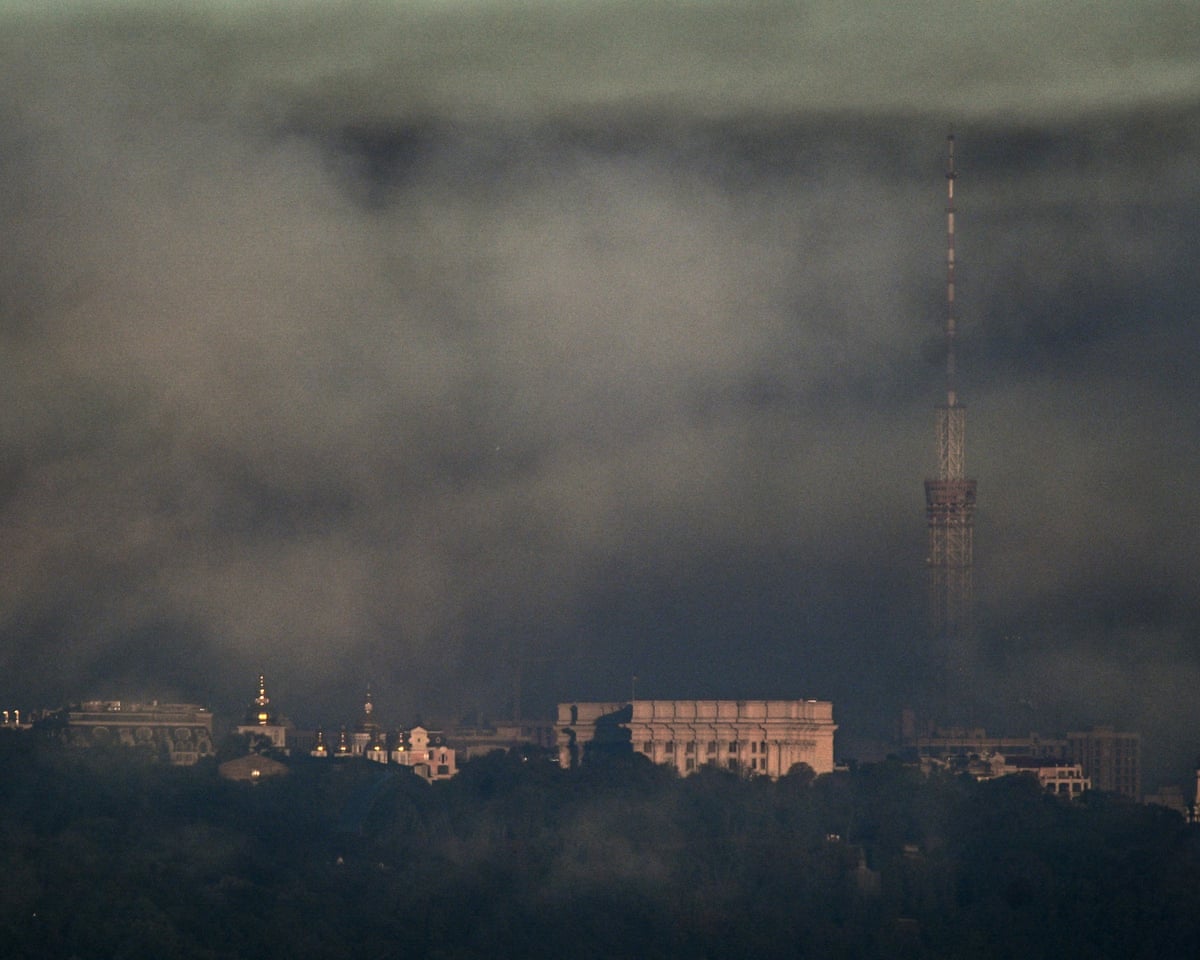
Russian forces struck multiple targets across the capital on the morning of 23 September, causing significant damage and casualties. According to international news reports, the assault hit two petrol stations and other sites in Kyiv early in the day, killing one person and injuring seven in the initial wave. By mid-morning, updated figures from Klitschko indicated that at least two had died and 22 were injured, with 16 people remaining in city hospitals.
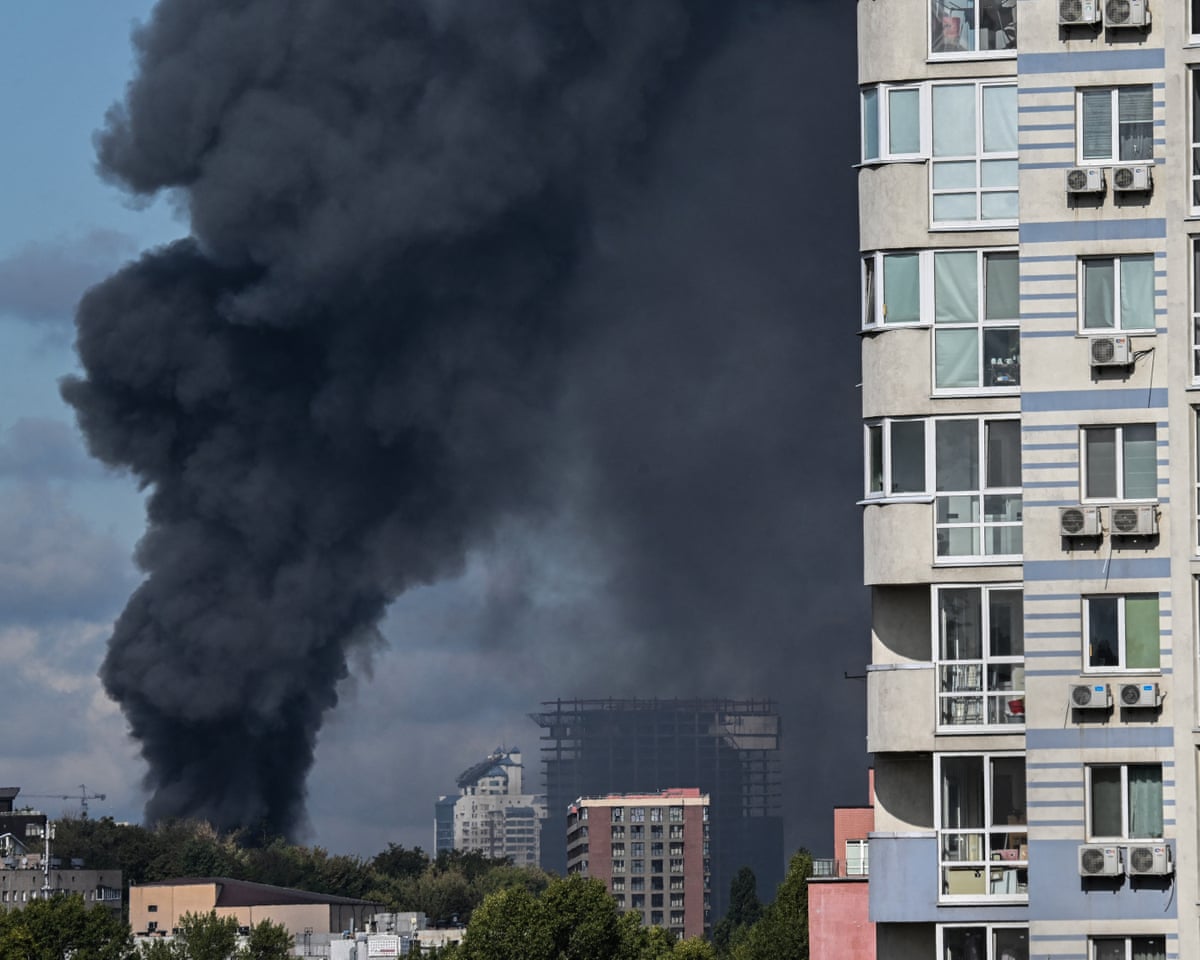
The strikes targeted a business centre, a transport facility, and a non-residential building, among other locations. Ukrainian oil company Ukrnafta confirmed that one of its petrol stations was among the targets, marking the sixth such facility attacked in recent weeks. Explosions were heard and smoke billowed in central Kyiv during the morning attack, with journalists on the ground witnessing the scale of the destruction.
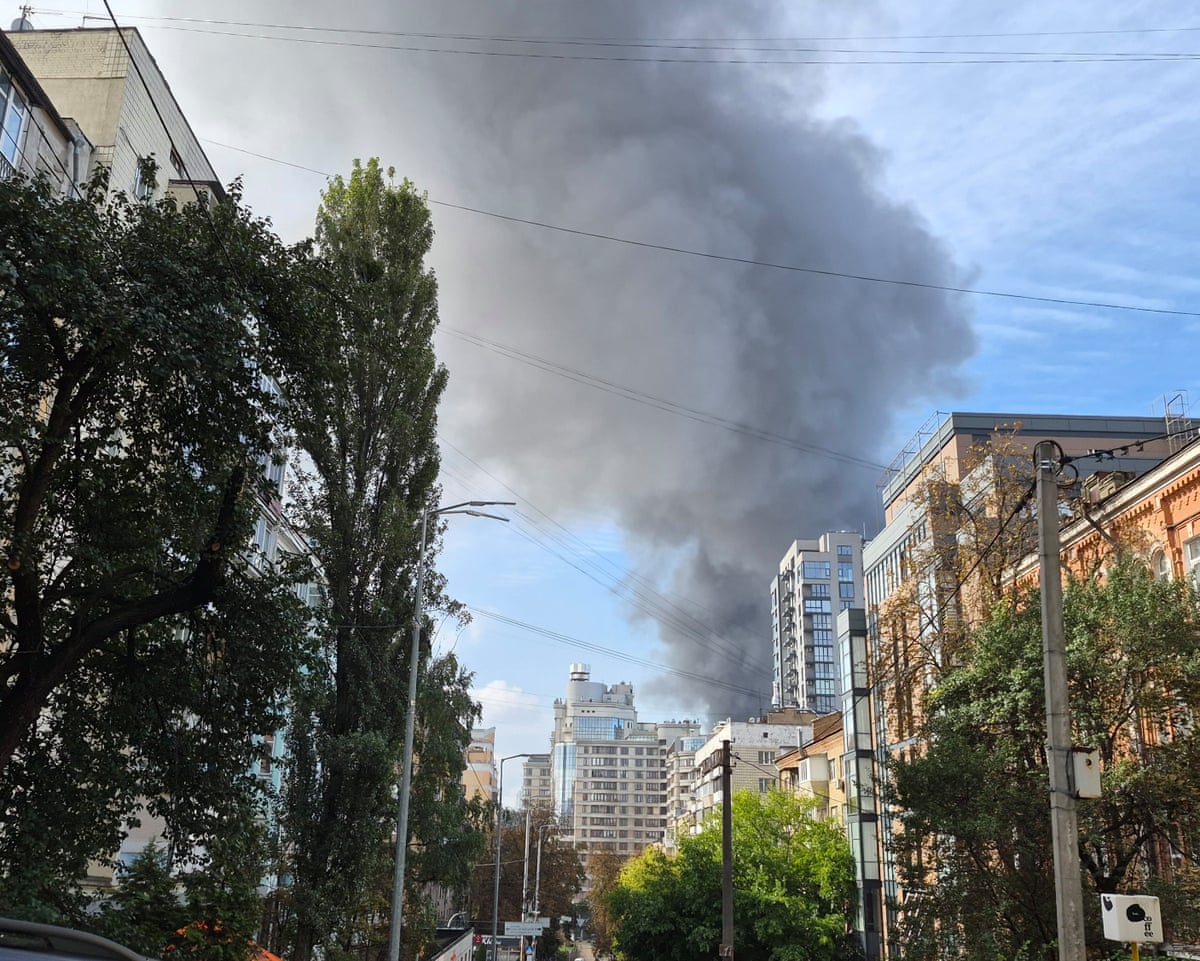
The European Union's ambassador to Kyiv, Katarína Mathernová, documented the assault on social media, describing her experience as Russian drones struck near EU facilities.
Just entered my office and heard a very loud bang. A jet powered drone hit an object just behind a building seen from my office windrow.She noted that the strikes followed earlier hits that morning also close to the EU Delegation, and that two petrol stations were struck in the city. In a subsequent update, she recounted the intensity of the bombardment:
A little while ago, in a span of fifteen or twenty minutes we heard three enormous, deafening explosions. These were followed huge plumes of smoke.She added that staff had been forced to move away from windows and work in corridors, stating that
This russian terror never stops…and
russians do not let us sleep, breathe or work.
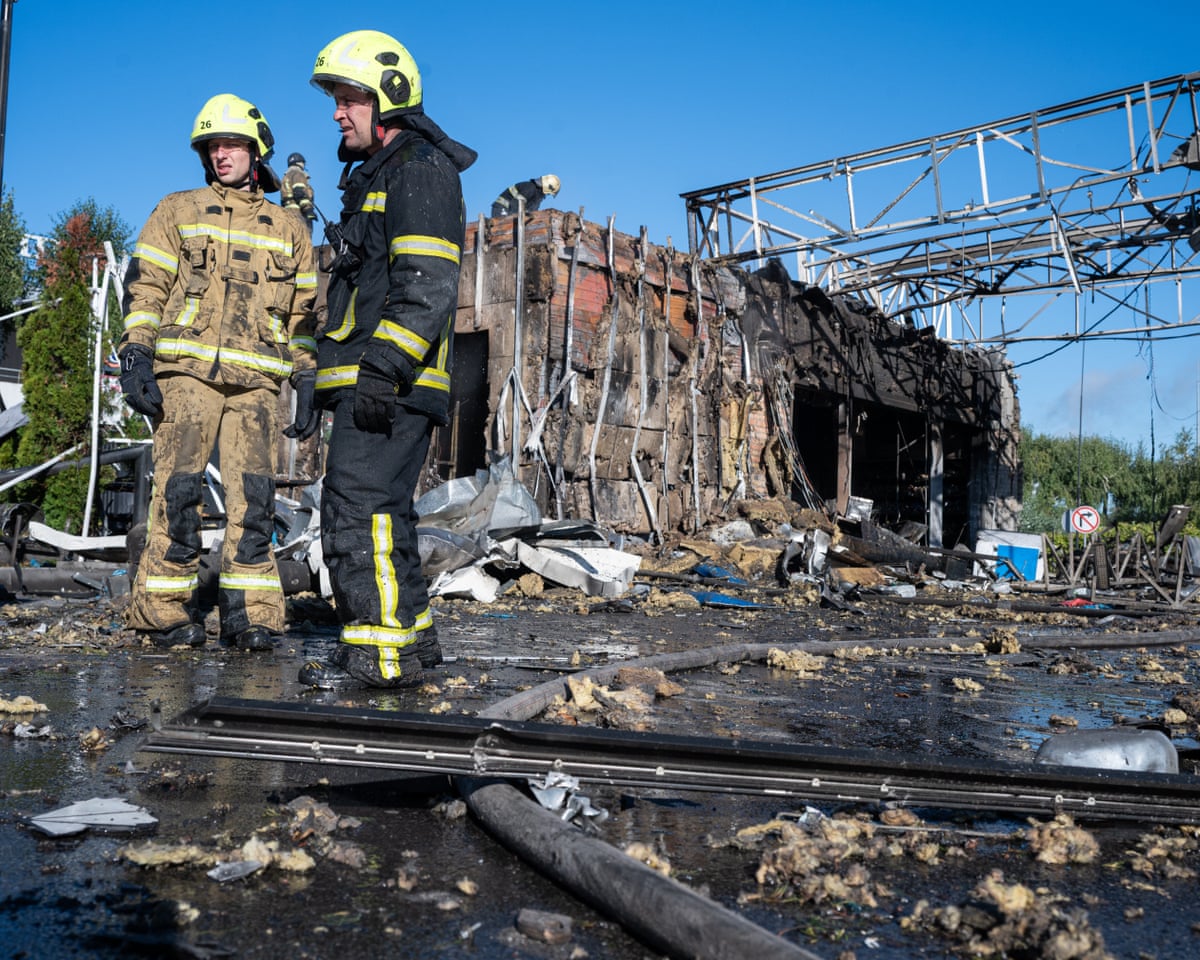
Why has Kyiv faced intensified attacks recently?
Over the past two days, Kyiv has endured what officials characterised as particularly severe attacks from jet-powered Shahed drones, which are faster and more difficult to intercept than earlier models. Since mid-August, these drone assaults have occurred both during daytime and night hours, disrupting ordinary life, schools, and kindergartens across the capital. The pattern reflects Russia's strategy of maintaining constant pressure on Ukrainian civilian infrastructure and morale.
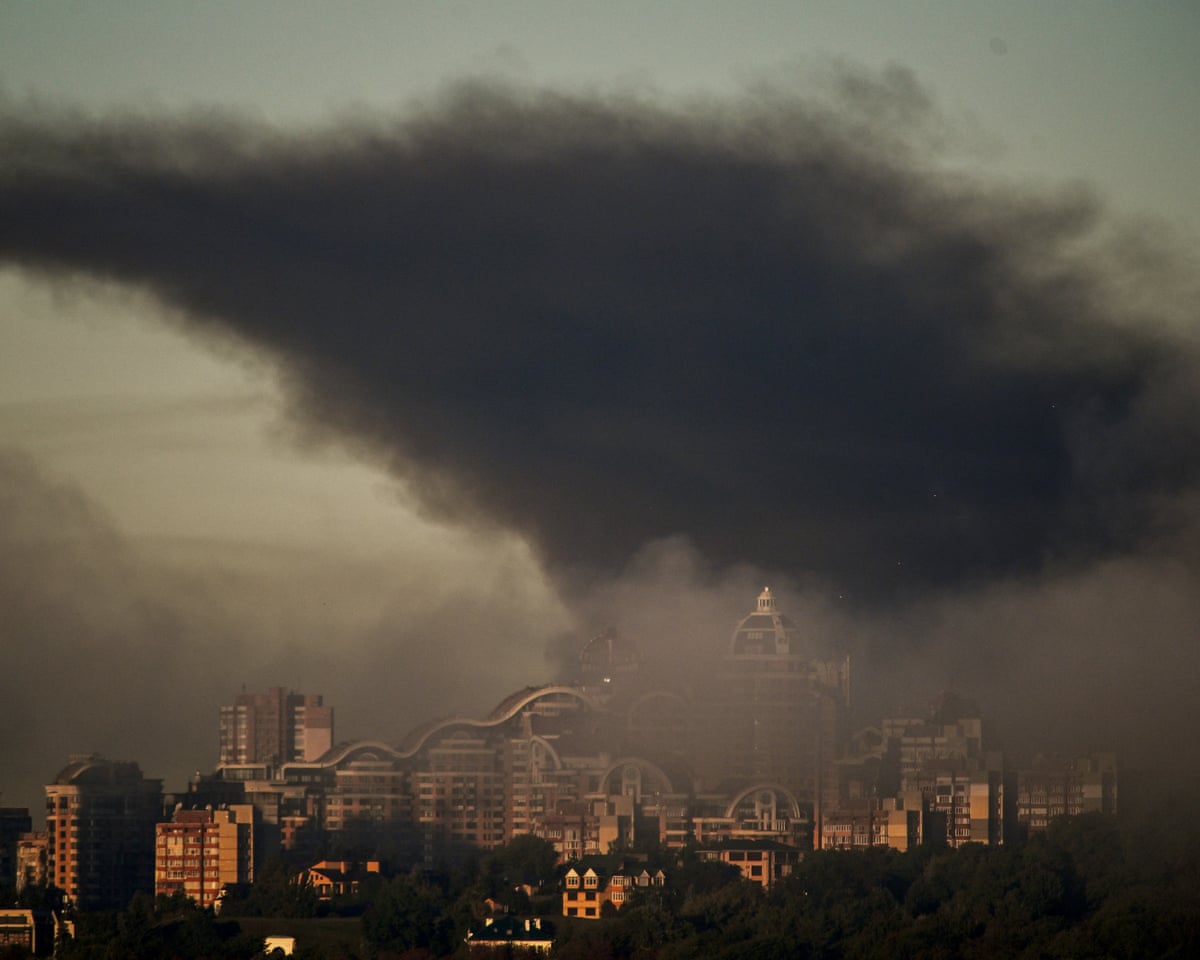
Beyond the capital, Ukrainian officials reported that the overnight assault included missiles and more than 200 drones targeting several regions. In response, Ukraine said its forces damaged two more Russian oil refineries in overnight strikes, including facilities in Samara and Bashkortostan, demonstrating that Kyiv continues to strike back at Russian energy and military targets despite the relentless incoming bombardment.

What other world leaders are addressing the assembly?
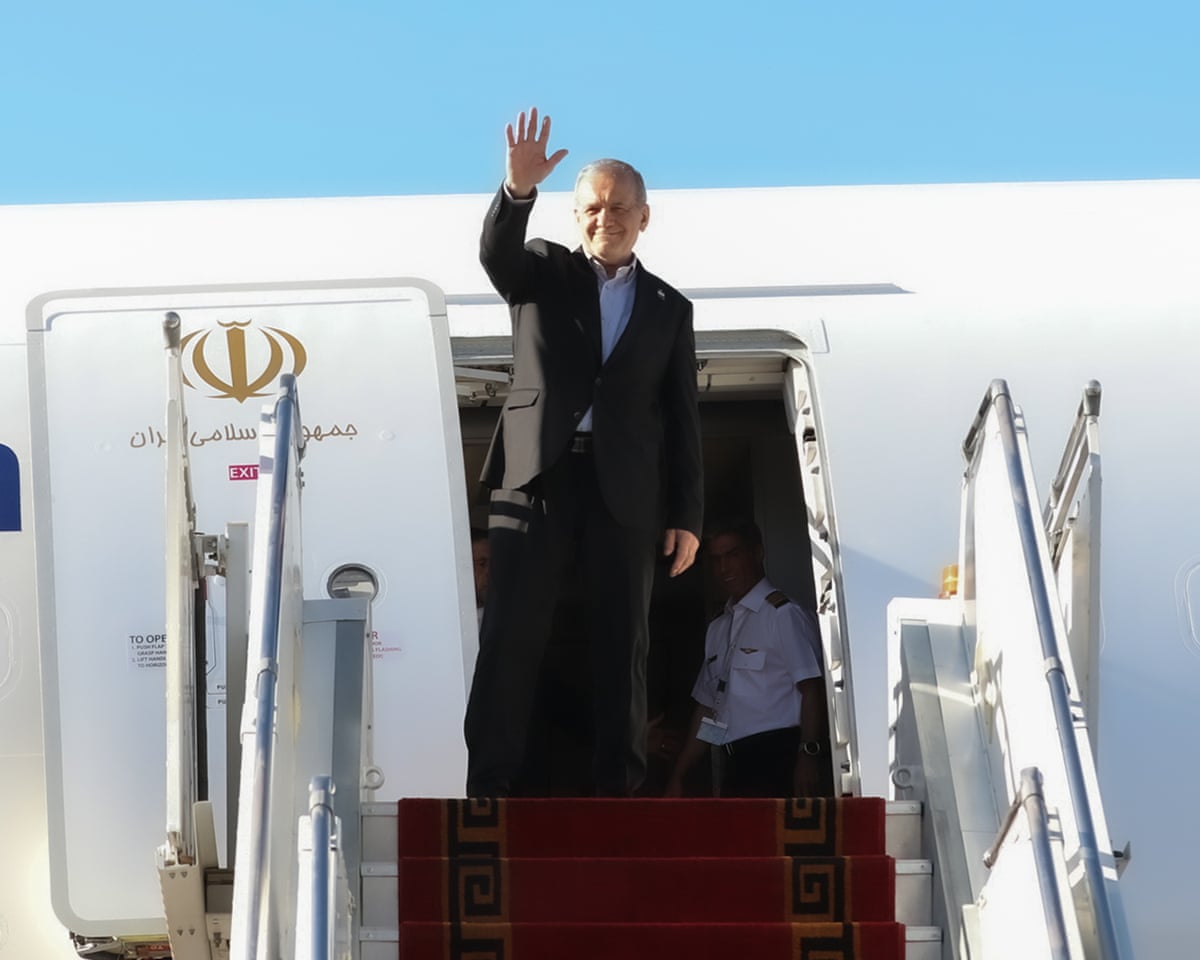
Before Zelenskyy takes the podium later on 23 September, leaders from Latvia, Romania, Czech Republic, Estonia, and Cyprus are scheduled to speak. Iran's President Masoud Pezeshkian is also expected to address the assembly as the fifth leader in the first session, speaking a day after US President Donald Trump confirmed his representatives held three-hour talks with Iranian officials on the margins of the gathering.
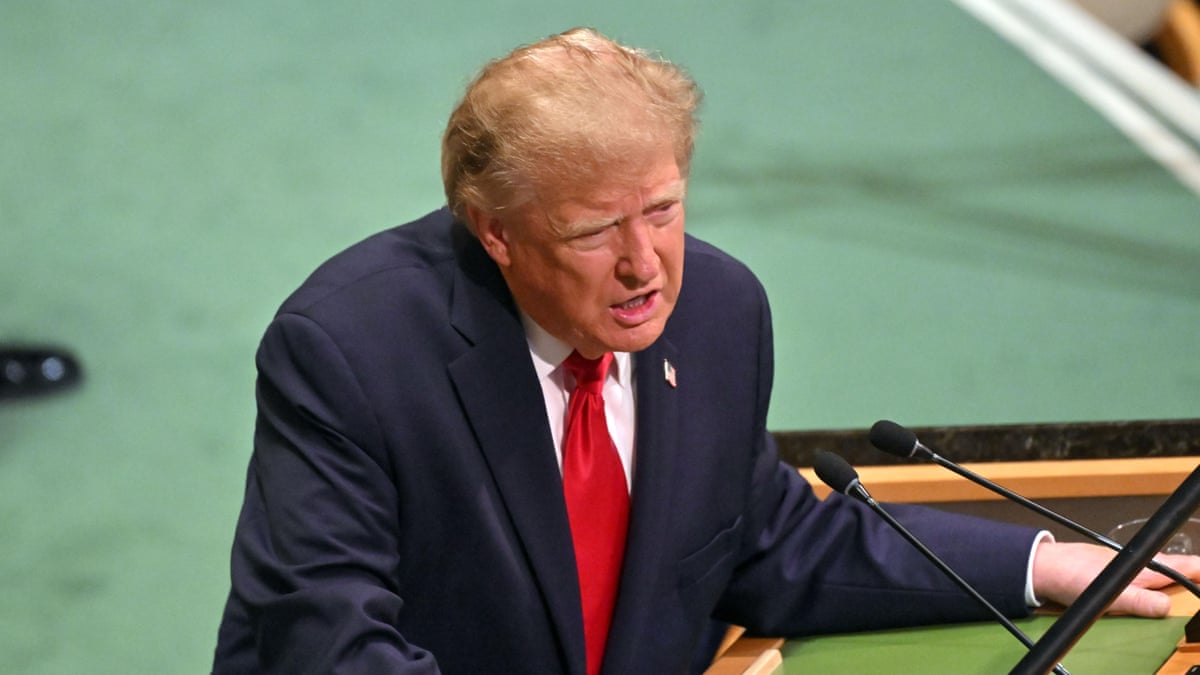
Trump used his own address to the assembly to issue stark warnings toward Iran, stating that he faced
a big decision to makeregarding the country. He posed a stark choice:
Will a deal be made with Iran that lets them rebuild, and create a far greater country than it ever was before? Or do I annihilate the Islamic Republic and do it quickly, never giving them a chance to kill and destroy people and countries again? Do I drive them into hell with no chance of survival and no hope of future greatness or generations?The rhetoric marked an unusually direct threat from a superpower leader at a forum created after the Second World War to prevent international conflicts.
Trump indicated that talks with Iran had been productive, with his envoys Steve Witkoff and Jared Kushner describing the three-hour discussions as
encouraging, constructive and successful.The US president suggested further talks were possible imminently, leading to a decline in oil prices as markets responded to the prospect of de-escalation.
What did other European leaders say?
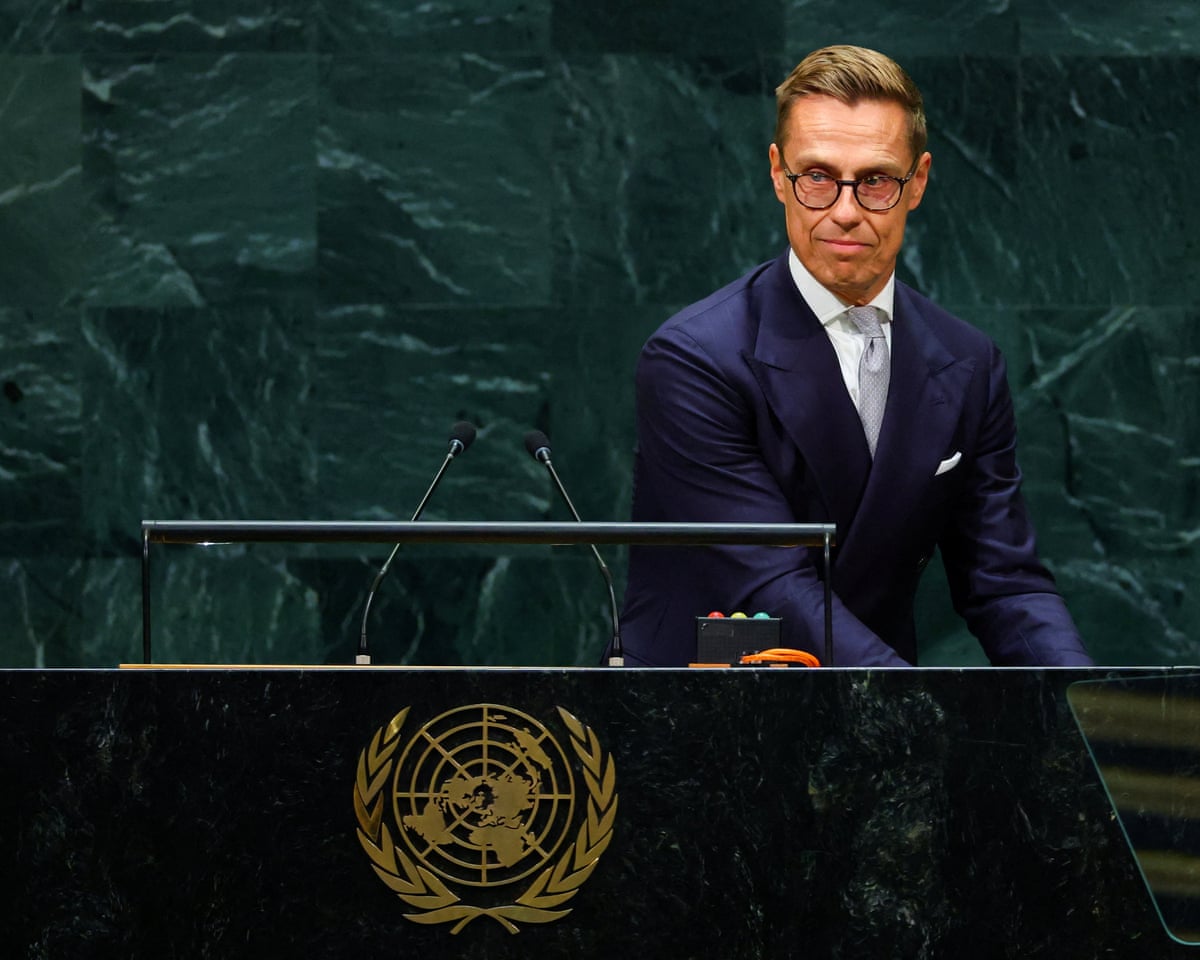
Finland's President Alexander Stubb delivered a forceful speech on 22 September warning that
cooperation is undermined by a lack of trust, disregard for rules, and the weakening of institutions.He noted that
there are currently 65 active armed conflicts – more than at any time since the end of the Cold War,and cautioned that more countries
compete against the rules on which the international order rests.Stubb called for UN reform, arguing that
the world has changed, so should the UN.He proposed adding at least two new permanent Security Council seats for Africa, two for Asia-Pacific, and one for Latin America, while removing the veto power held by individual states and suspending voting rights for any Security Council member that violates the UN Charter. Finland confirmed it will stand for election to the Security Council for the 2029–2030 term.
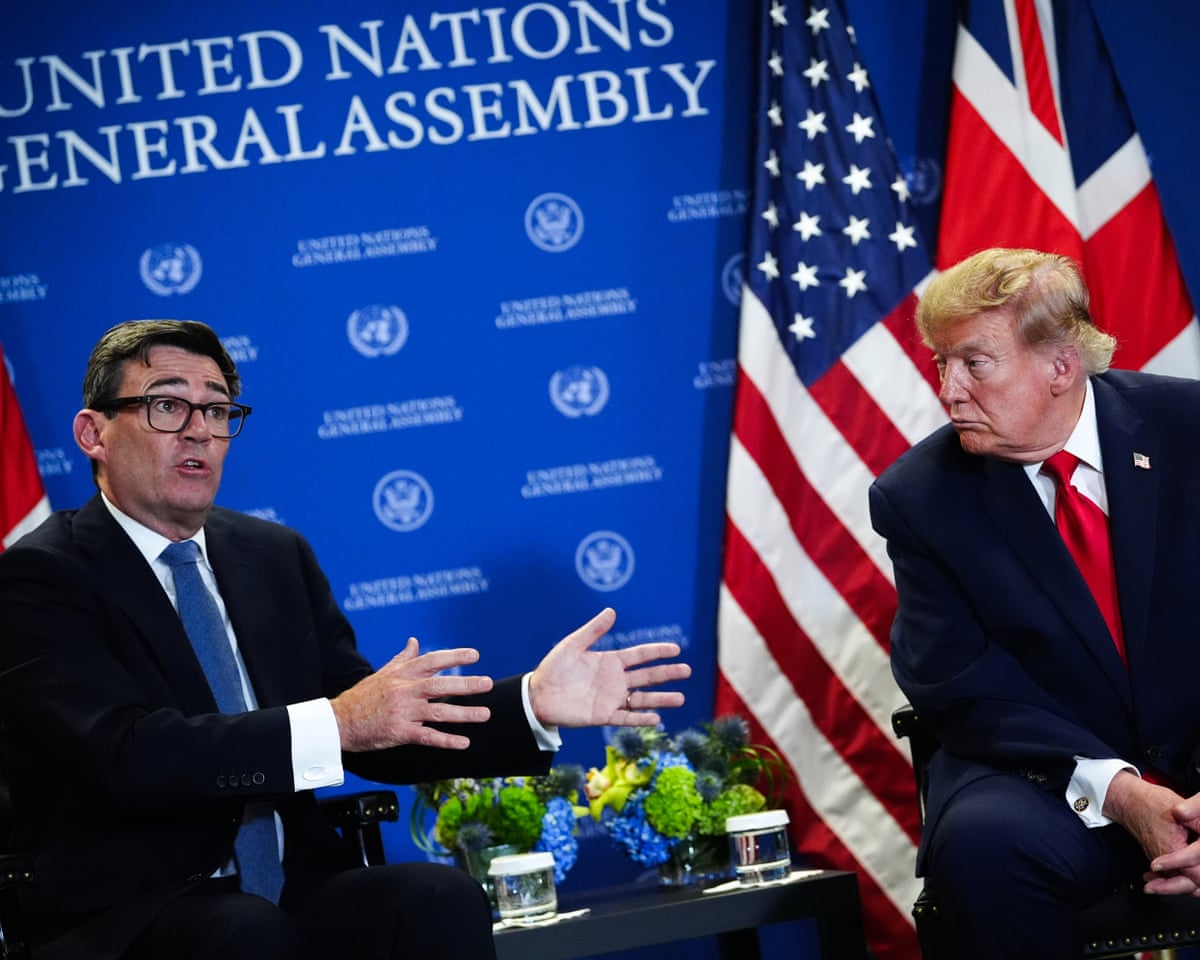
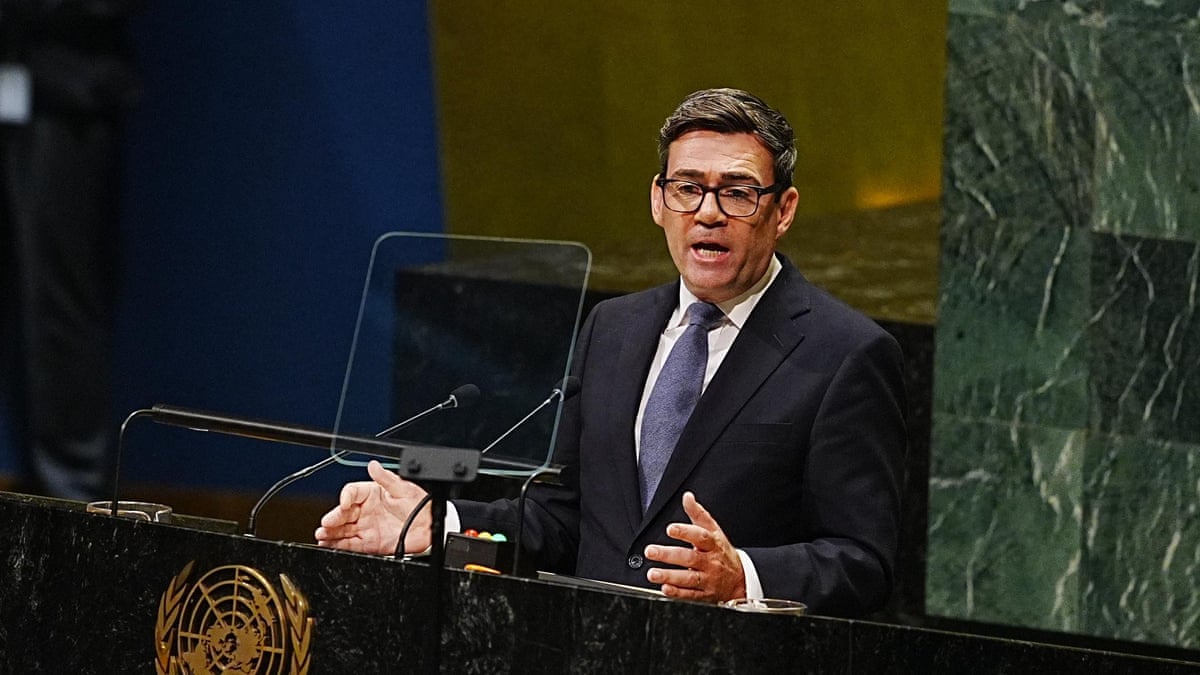
Britain's Prime Minister Andy Burnham held his first in-person meeting with Trump, who praised him as a
natural businesspersonwith
lots of assets on his sideand predicted he would be a
greatprime minister. British officials expressed relief that Trump kept policy disagreements muted, though he criticised what he described as the
terribleChagos Islands deal. In his own UN address, Burnham emphasised that
Britain is backafter a decade of Brexit, focused on
restoring our stabilityand
building a more dynamic economy.
What did Burnham say about Russia and disinformation?
Burnham used his UN speech to highlight what he characterised as an
industrial-scale assault by hostile actors on the information environment in the UK and that of many of our allies.He stated that
Russian agencies have used every means at their disposal to spread lies and disinformation and prey on people's fears. They've used bots and fake websites. Falsified newspaper articles. Forged the branding of 28 British organisations – including universities and the BBC. They've amplified far right narratives.He added that Moscow
tried to interfere with the 2019 general election.
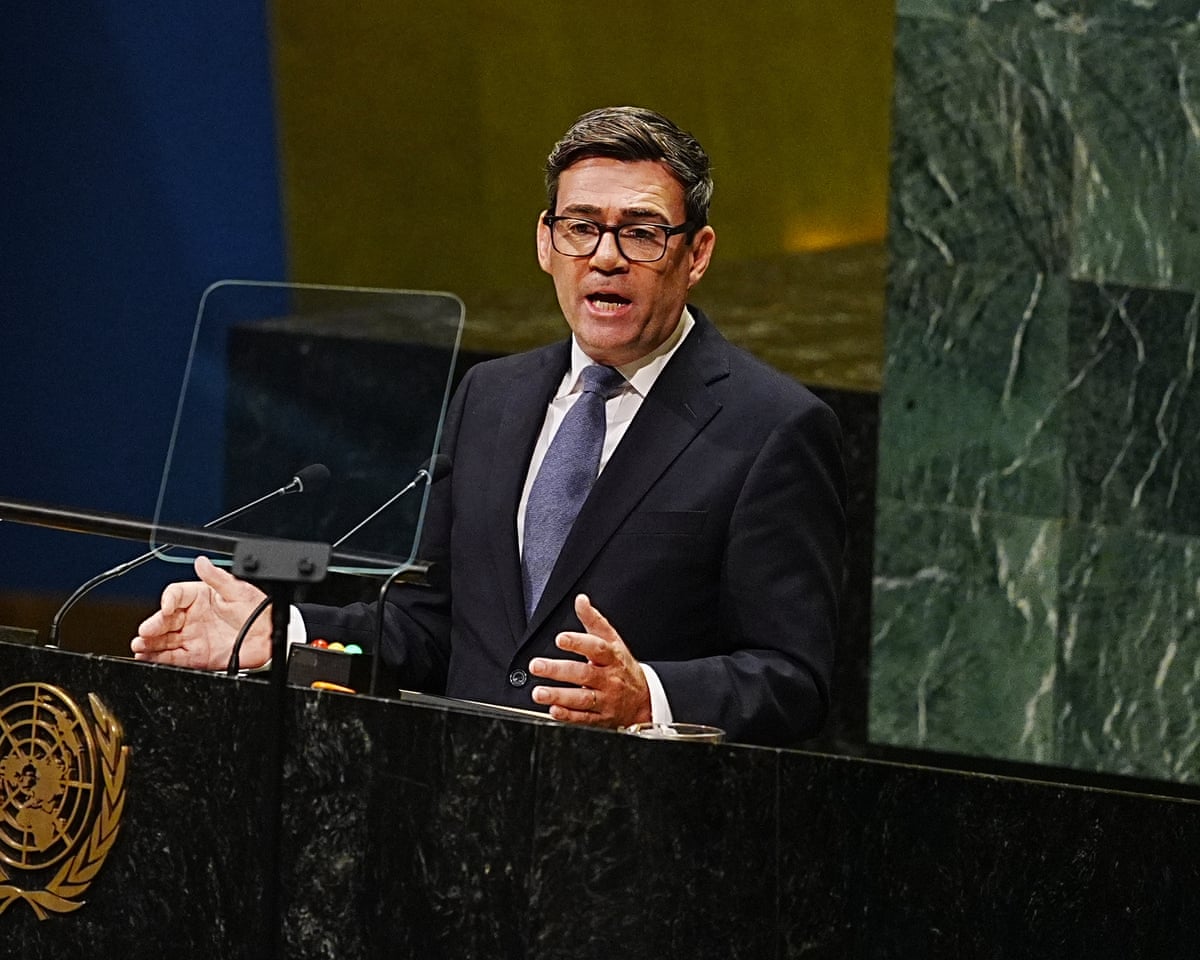
In response to these threats, Burnham announced that security chiefs will establish a new national centre to combat disinformation and deepfakes from hostile states such as Russia. He said the government had a duty to
stem the poisonous tidefrom damaging British interests, and warned that the country must enter the next decade
eyes wide openabout
insidiouscampaigns orchestrated by Russia, which
twistedwhat people at home felt about their own country and community.
What was France's position on global conflicts?
France's President Emmanuel Macron delivered what is expected to be his final UN General Assembly speech as he enters the final year of his presidency. He warned against a global
return to the law of the jungle,stating that
we cannot accept the new order of impunity that some would like to build.He cautioned that
in the Middle East, in , in Africa, the industrialisation of war crimes, violations of the law, and the destruction of civilian infrastructure is ushering in a new age of barbarity.
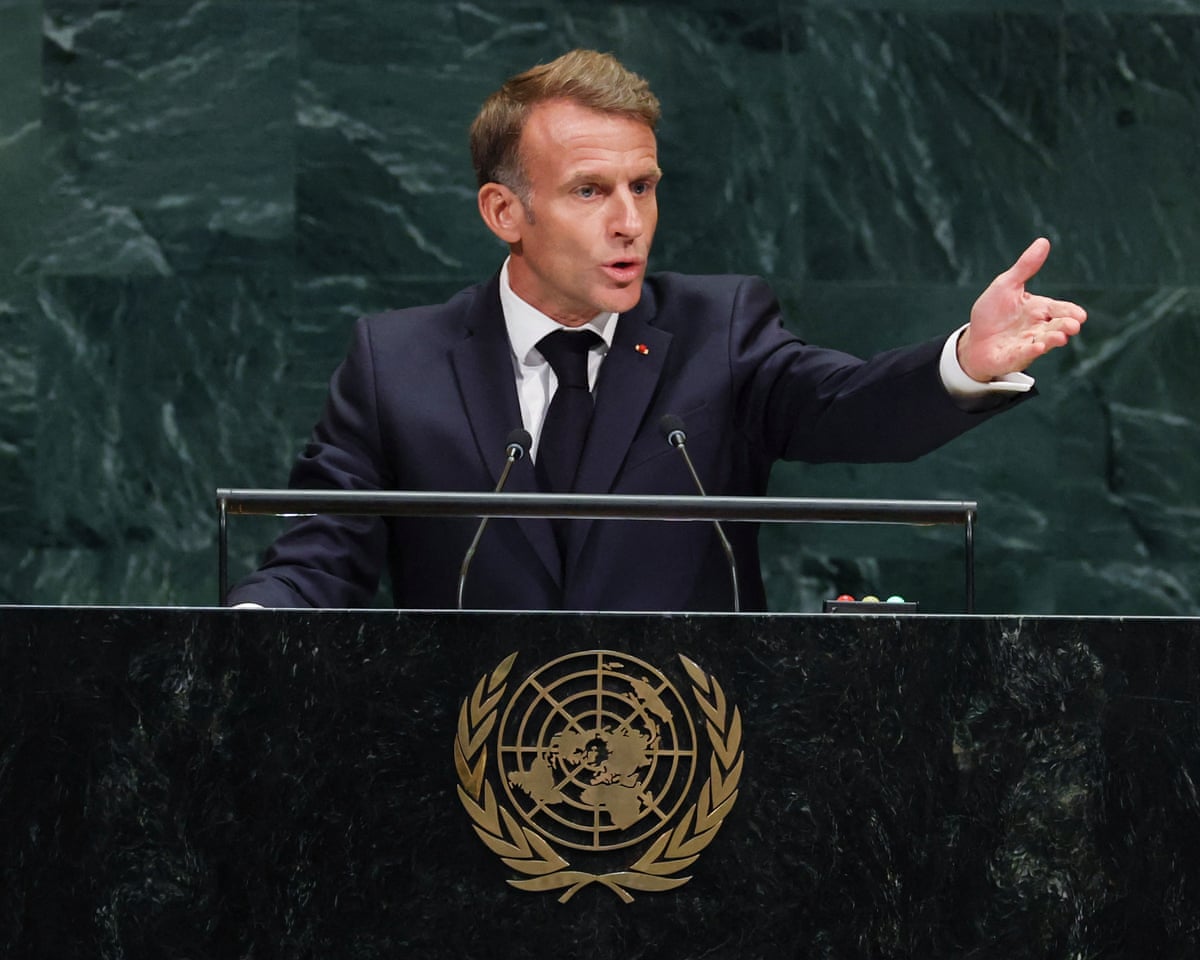
Macron assured world leaders of France's
unwavering supportfor Ukraine, urging them to
defend the Ukrainian people … more than ever before the coming winter.He also criticised what he saw as complacency regarding the Middle East, rebuking what he characterised as Trump's portrayal of his Gaza peace plan as a diplomatic triumph.
What credibility do we have if we continue to remain inactive in the face of Gaza? Some boast of a supposed peace. But that peace has not reopened humanitarian access for a single second. Are we simply to stand by and watch this spectacle that should shame us all?On the West Bank, Macron employed tough language regarding settler violence against Palestinians, asking
In whose name? Hamas has never operated in the West Bank …and warning that
What is happening there is building, day by day, the impossibility of a project that should be based on respect for the legitimate right of the Palestinian people to exist.