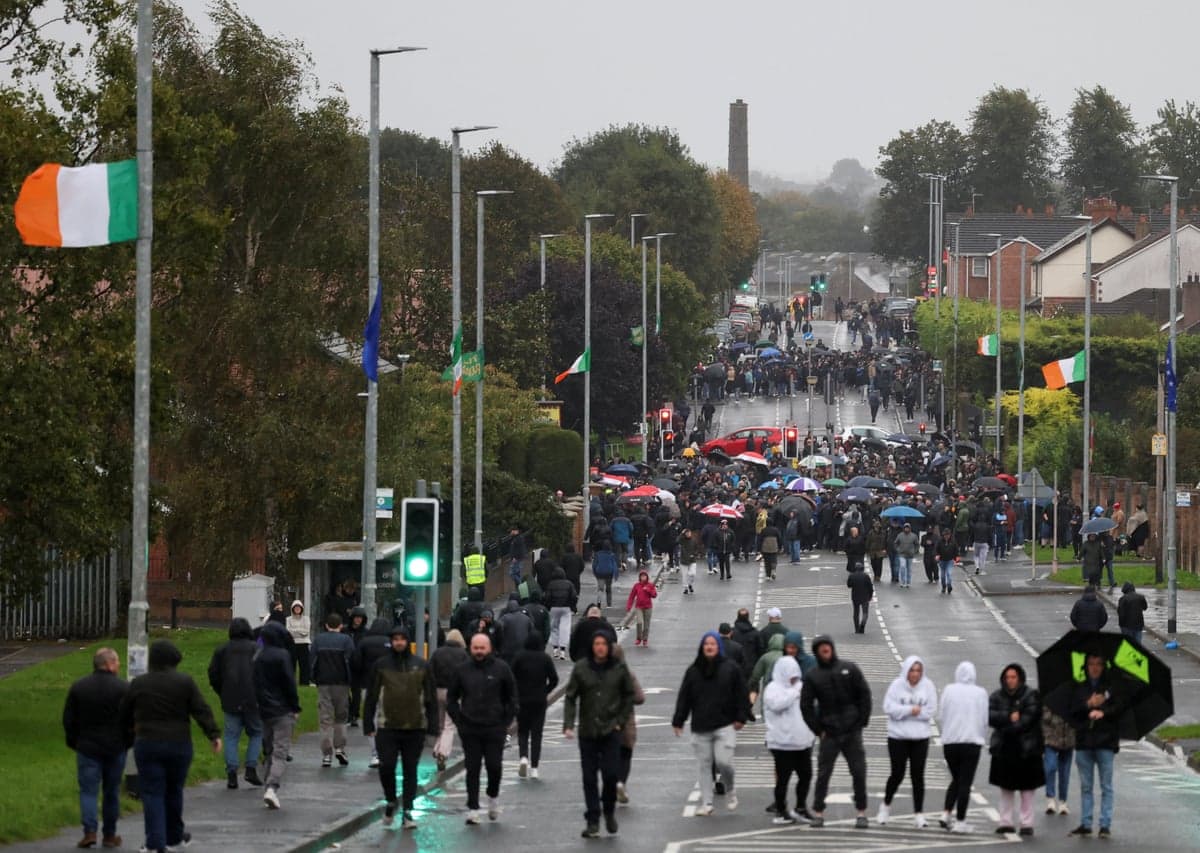
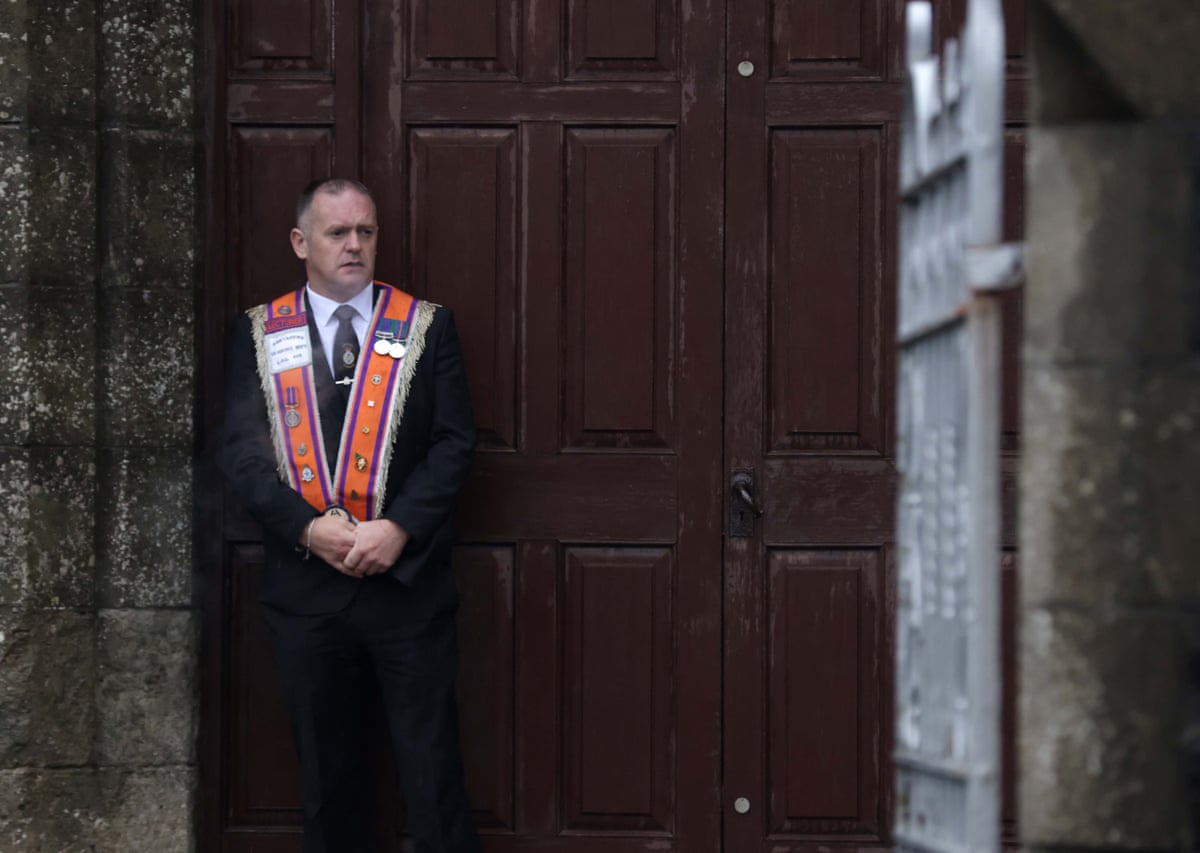
A contentious Orange Order parade through a predominantly Catholic neighbourhood in Portadown remained stalled on the morning of 27 September 2026 after an overnight court ruling cleared it to proceed, but counter-protesters continued to block the route. The march, authorised for just 35 members to walk silently between 8am and 9.30am, had not yet departed from Drumcree Church as negotiations between organisers and police continued over whether the blockade could be cleared.
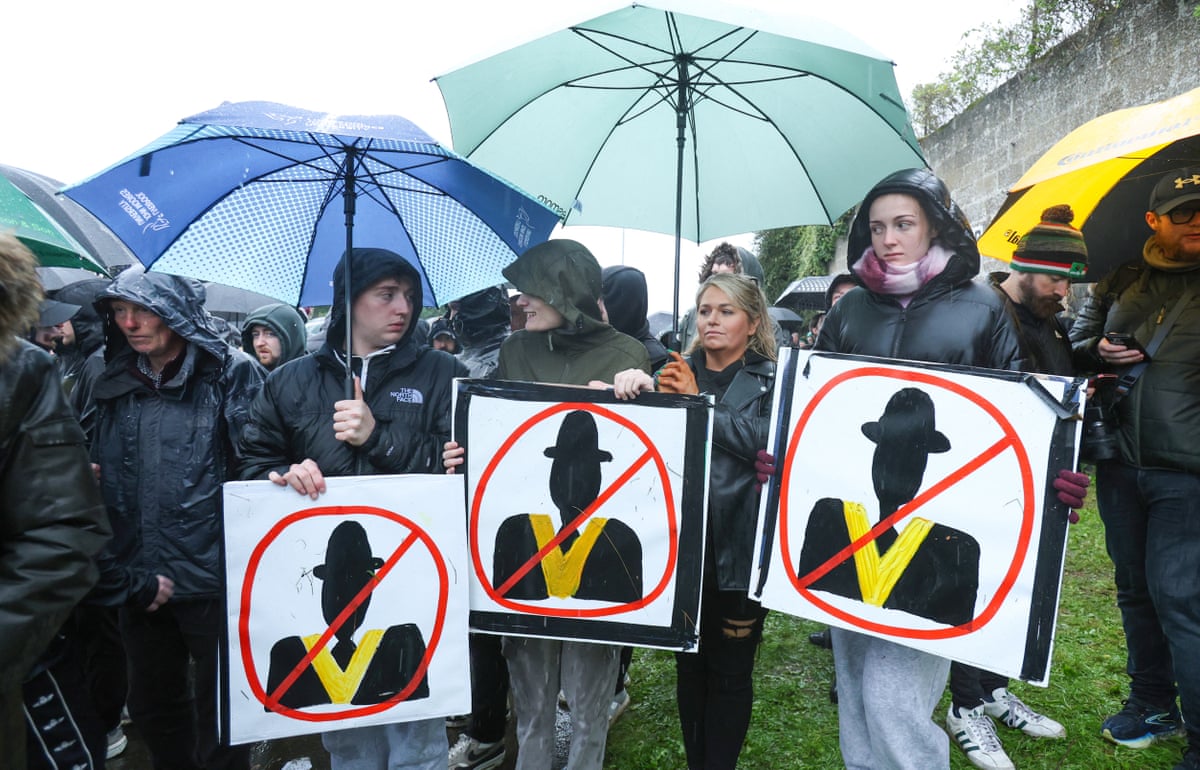
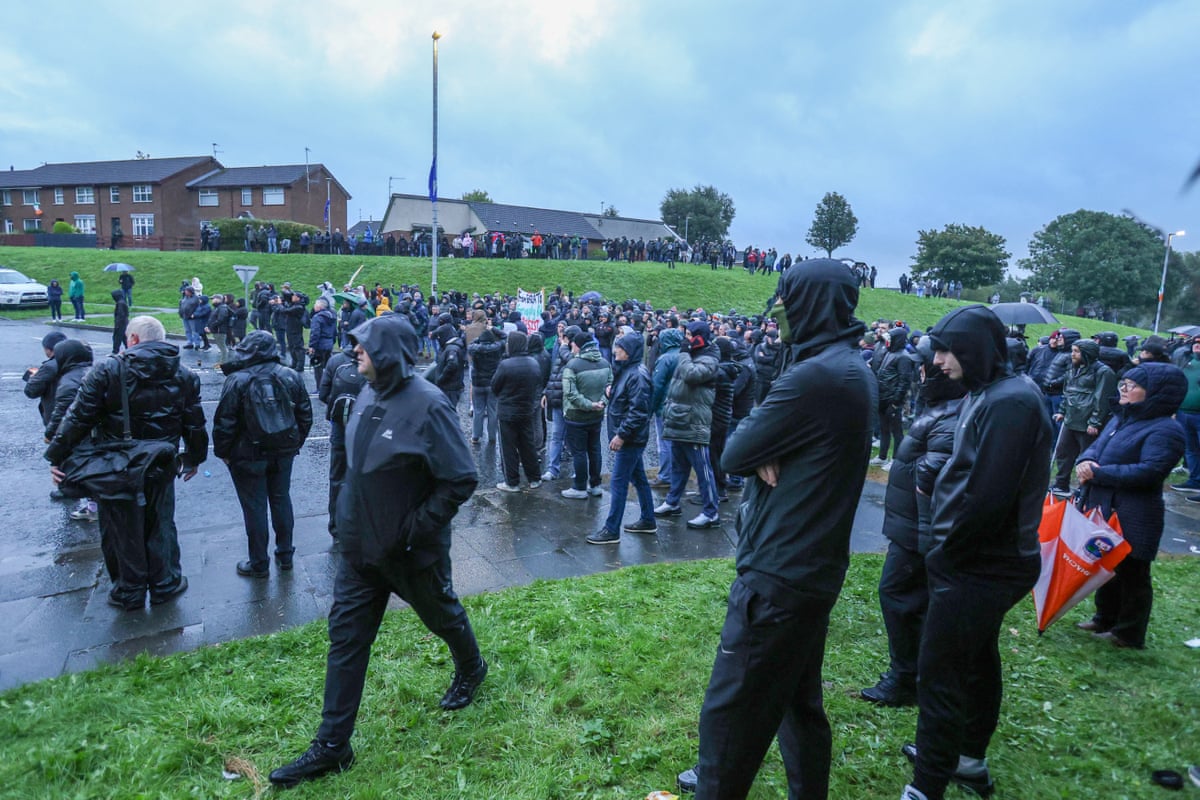
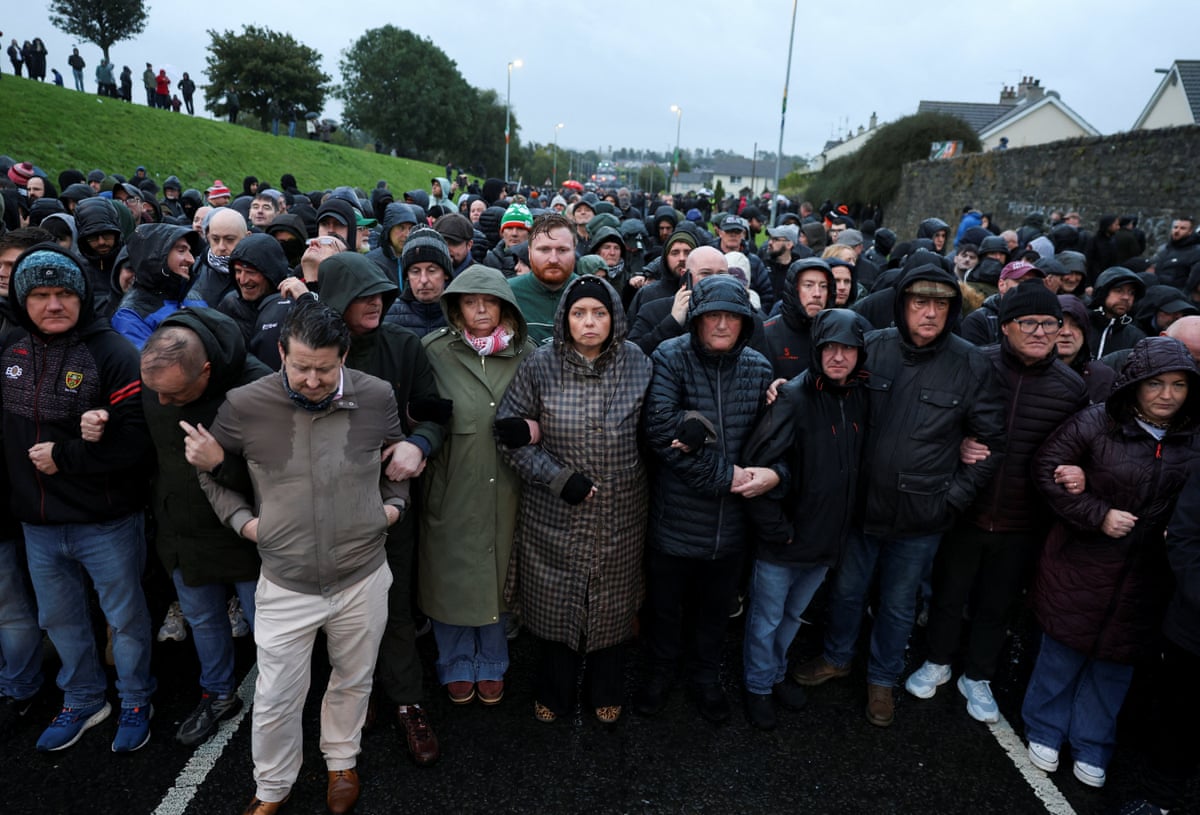
The legal battle over this route has consumed Northern Ireland's political establishment for weeks. Around 2,000 protesters had gathered to block access to the route, many linking arms in rows several deep along Garvaghy Road. Police warned that participation in the counter-demonstration could constitute a criminal offence, yet the crowds remained undeterred as a police helicopter circled overhead.
The march represents the first time in nearly 28 years that the Orange Order has been permitted to use this particular route through the town. The Parades Commission, the independent body that adjudicates on controversial marches in Northern Ireland, had ruled on Friday that the procession could proceed with strict conditions: no bands, no supporters, and only 35 participants. An appeals court upheld this determination in the early hours of Sunday morning after residents challenged the decision, reversing a temporary injunction that had been granted on Saturday.
Why has this march become such a flashpoint?
Garvaghy Road became one of the defining symbols of sectarian division in Northern Ireland during the conflict known as the Troubles, which lasted three decades and ended in 1998. The Orange Order, a prominent Protestant and unionist organisation, has long insisted that the road forms part of its traditional marching route. However, Catholic residents of the area have consistently opposed the procession, viewing it as a symbol of sectarian triumphalism. The route was banned in 1998 after a wave of violence, with thousands of public order incidents recorded across Northern Ireland, including murders.
The Parades Commission's determination allowed exactly 35 Orangemen to march silently, with no bands and no supporters, leaving Drumcree Church by 8am and dispersing by 9.30am. This marked the first authorisation of the march down this road since 1998, a decision that has reignited deep tensions within the community.
What are political leaders saying?
Northern Ireland's First Minister Michelle O'Neill, who is also vice-president of the Irish nationalist Sinn Féin party, has condemned the court's decision as unacceptable. Addressing the gathered protesters on the morning of the march, she declared:
There is no going back. Not tomorrow. Not ever.She described the original Parades Commission ruling as
primitive stuff in the year 2026and questioned why the commission had reversed its almost 30-year ban on the route.
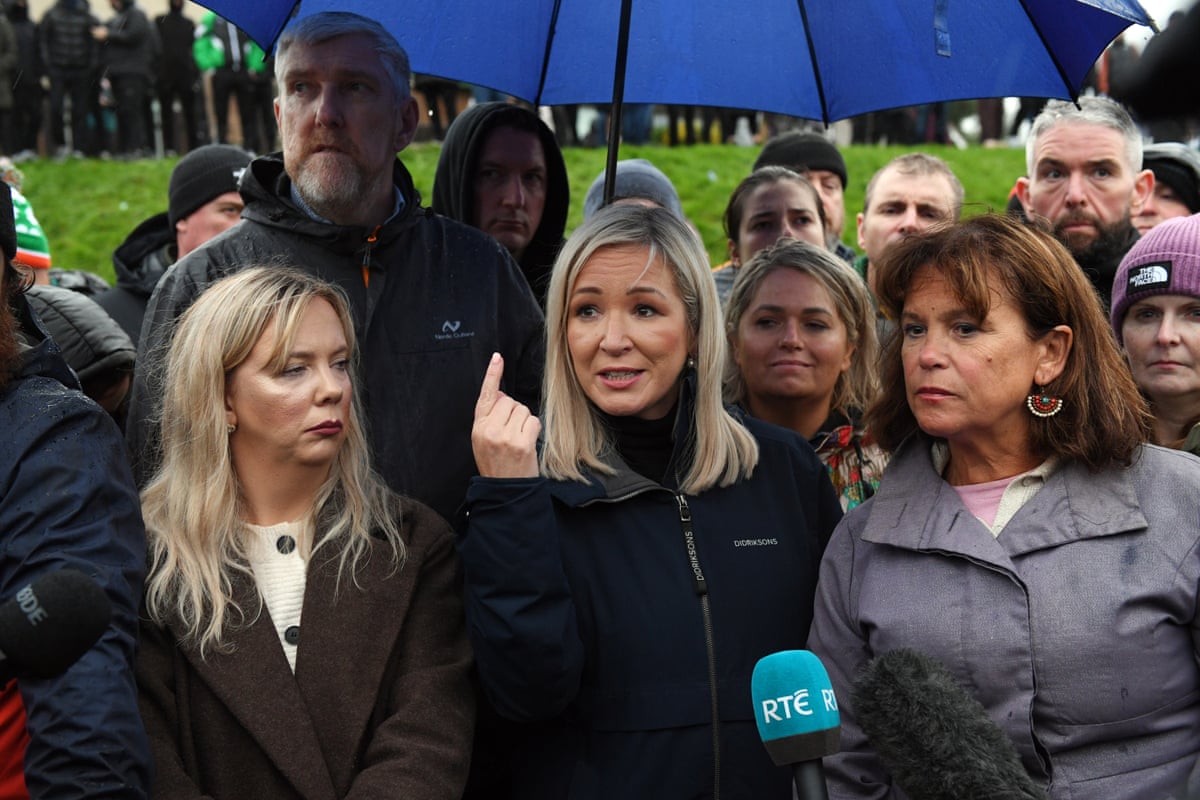
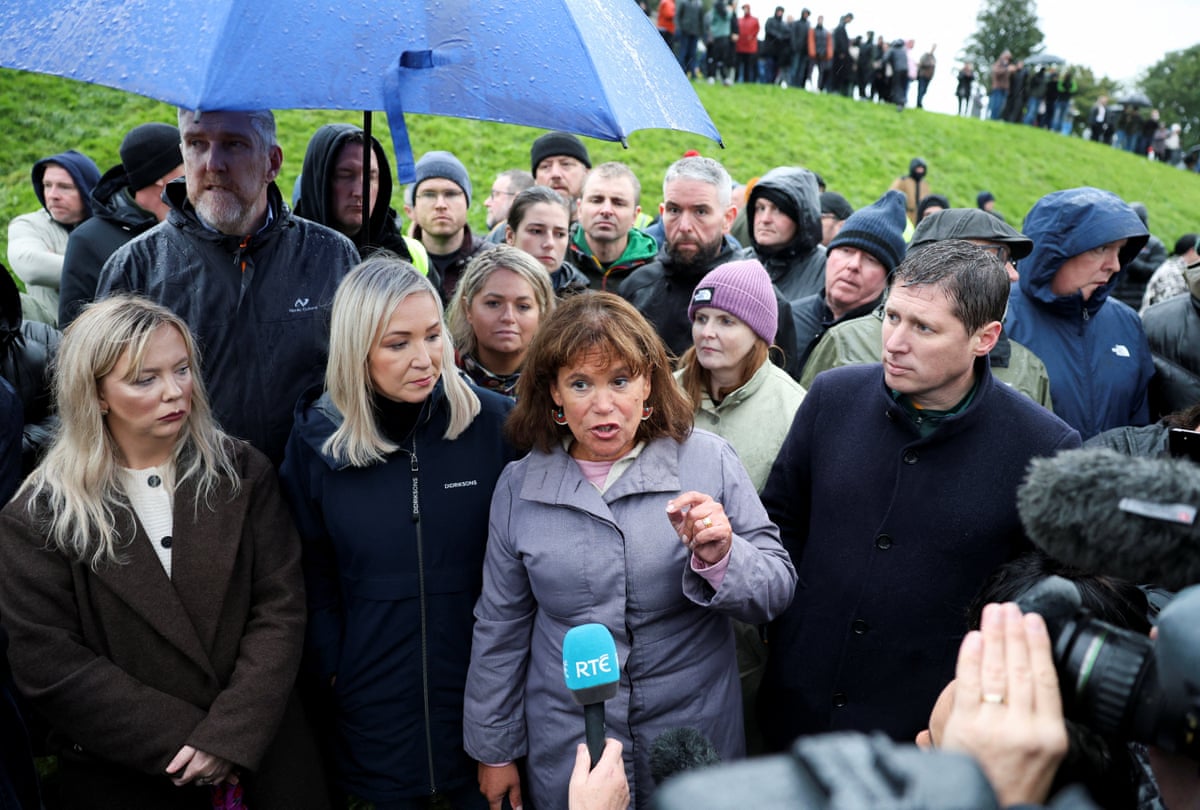
Sinn Féin leader Mary Lou McDonald posted a video on social media from the protest scene, stating:
Although the forces of darkness may want to stop us creating a new united Ireland, they will fail.She characterised the march as
steeped in a history of hate, sectarian violence, and murder, and championed by Unionist leaders.
In contrast, DUP leader Gavin Robinson has attacked O'Neill's stance, arguing that her remarks have obstructed a lawful parade.
A first minister's duty is to uphold lawful decisions, not inflame opposition to them,Robinson stated. He emphasised that
the legal position is now unequivocal. 35 Orangemen can walk in silence along Garvaghy Road.Robinson pointed out that the Court of Appeal had found the original injunction had been granted in error, and the High Court had subsequently confirmed that the Parades Commission determination must be respected.
Local DUP MP Carla Lockhart described the marchers as
a dignified grouping of men, walking silently down Garvaghy Road, adding:
There is no threat, no triumphalism, not even music. There is nothing to fear. The rule of law must prevail.

What is the government's position?
Northern Ireland Secretary Chris Bryant left the Labour party conference in Liverpool to travel to Belfast to address the escalating tensions. Speaking to the media, he said he was taking the situation
very, very seriouslyand called for calm, stating:
I would urge people to cooperate with the police. I would say that on both sides incidentally.He emphasised the importance of
everybody abides by the law.
Prime Minister Andy Burnham also weighed in on the dispute, telling the BBC:
I know it's a tense situation. We do appeal for calm on all sides.He acknowledged that
there have been big gains madein Northern Ireland and expressed concern that
we don't want to see things go backwards. Burnham noted the authority of the Parades Commission's decision and its upholding by the courts, describing the situation as
a challenging situation today, but it's very important that we work to bring calm.
What is the current status of the march?
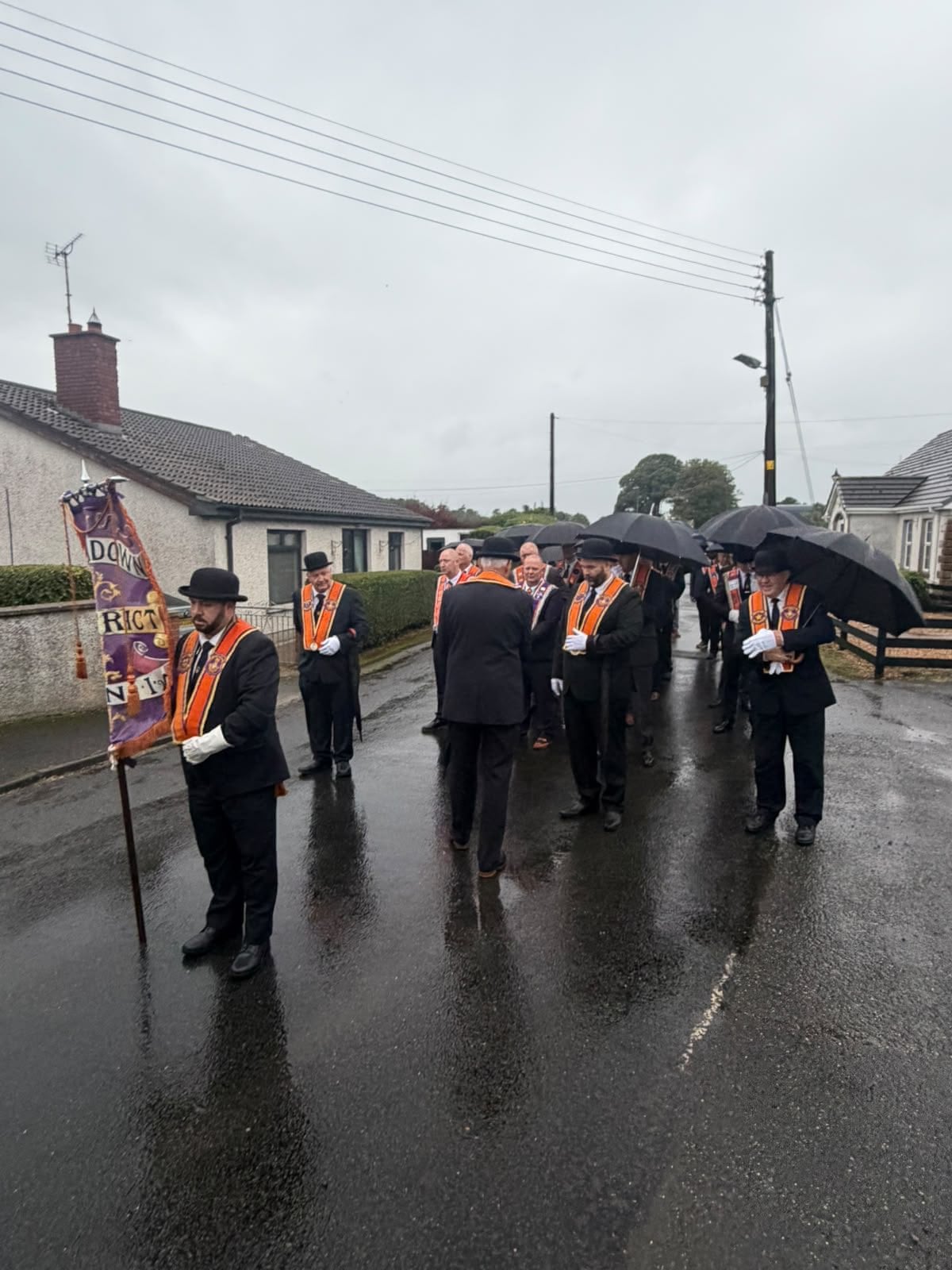
As of the morning of 27 September, the Orange Order had formed up at Drumcree Church but had not yet begun their procession. RTÉ reported that the march was delayed because the PSNI had not cleared Garvaghy Road, and the Orangemen returned inside the church while waiting. The group was understood to be in talks with police, awaiting guidance on when they could safely proceed. A spokesperson for the Orange Order indicated they would follow police advice regarding the timing of the march.
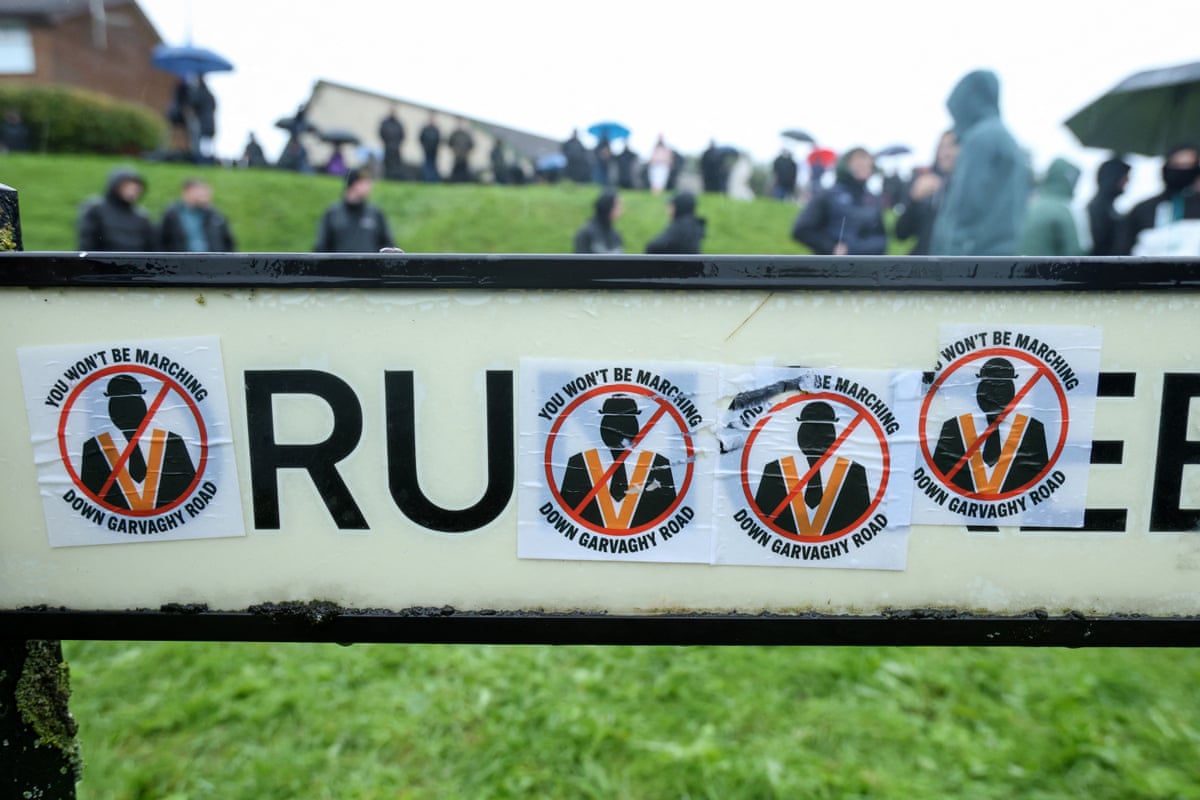
The Garvaghy Road remained blockaded by protesters, with no immediate sign of movement. The PSNI had activated mutual-aid arrangements for the policing operation, indicating the scale of resources being deployed to manage the event. Police had issued repeated warnings that participation in the counter-demonstration could constitute a criminal offence under public order legislation, but these warnings had not deterred the gathered crowds.
What is the background to this dispute?
The Drumcree parade controversy has its roots in the conflict that gripped Northern Ireland for three decades. The Orange Order, one of the most prominent organisations within unionism, views the Garvaghy Road as part of its traditional marching route. However, the road is home to a predominantly Catholic population who have consistently opposed the procession, viewing it as a symbol of sectarian domination.
Annual attempts by the Orange Order to march through the area in the 1990s triggered widespread unrest across Northern Ireland. The route was ultimately banned in 1998, the year the Good Friday Agreement largely ended the Troubles. For nearly 30 years, the Parades Commission maintained this restriction, treating the route as too sensitive to permit.
The current crisis began when a High Court ruling earlier this year quashed the Parades Commission's long-standing ban, forcing the commission to reconsider the application. The commission then granted limited permission for the march to proceed, a decision that has triggered fresh legal challenges and unprecedented political tension. The institutional crisis at the Parades Commission itself deepened when one commissioner resigned following the High Court's intervention, raising questions about the body's credibility and independence.
What happens next?
The immediate priority is the PSNI's decision on whether to clear Garvaghy Road so the marchers can proceed. Northern Ireland Secretary Chris Bryant indicated he was speaking regularly with police and that the operation would continue throughout the day. The march is scheduled to finish by 9.30am, meaning the window for the procession to take place is rapidly narrowing.
The outcome of this morning's events will likely have significant implications for community relations in Northern Ireland and for the future role of the Parades Commission itself. The legal and political battles surrounding this single march have exposed deep divisions within the region's institutions and society.
Key Facts
- The Orange Order sought permission to march 35 members silently along Garvaghy Road between 8am and 9.30am on 27 September 2026, with no bands or supporters permitted
- The Parades Commission authorised the march on Friday; residents challenged the decision, but an appeals court upheld it in the early hours of Sunday morning
- The route has been banned for nearly 28 years following violence in the 1990s and the Good Friday Agreement in 1998
- Thousands of counter-protesters blocked Garvaghy Road on the morning of the march, with police warning that participation could be a criminal offence
- The dispute has triggered a crisis at the Parades Commission, with one commissioner resigning after a High Court ruling quashed the body's previous determination