Germany's far-right Alternative for Deutschland claimed a landmark victory in Saxony-Anhalt state elections on Sunday, securing 43.8% of the vote according to preliminary official results. The party won 39 of 83 seats in the state parliament, falling three short of an outright majority. Chancellor Friedrich Merz's Christian Democrats were reduced to 17.2%, marking a significant setback for the governing coalition ahead of federal elections in 2029.
The result represents the first genuine opportunity for the AfD to move from protest movement to governing force in a German state since World War Two. According to reporting, the outcome amounts to a historic victory and a drubbing for Merz's conservatives, who had warned that an AfD triumph would deter foreign investment in the region.
Merz convened emergency talks within the CDU party on Monday morning to discuss his response to the election outcome. German media reported that the chancellor faces mounting pressure following the result. He was scheduled to address journalists around 1.30pm local time (12:30 UK) on Monday.
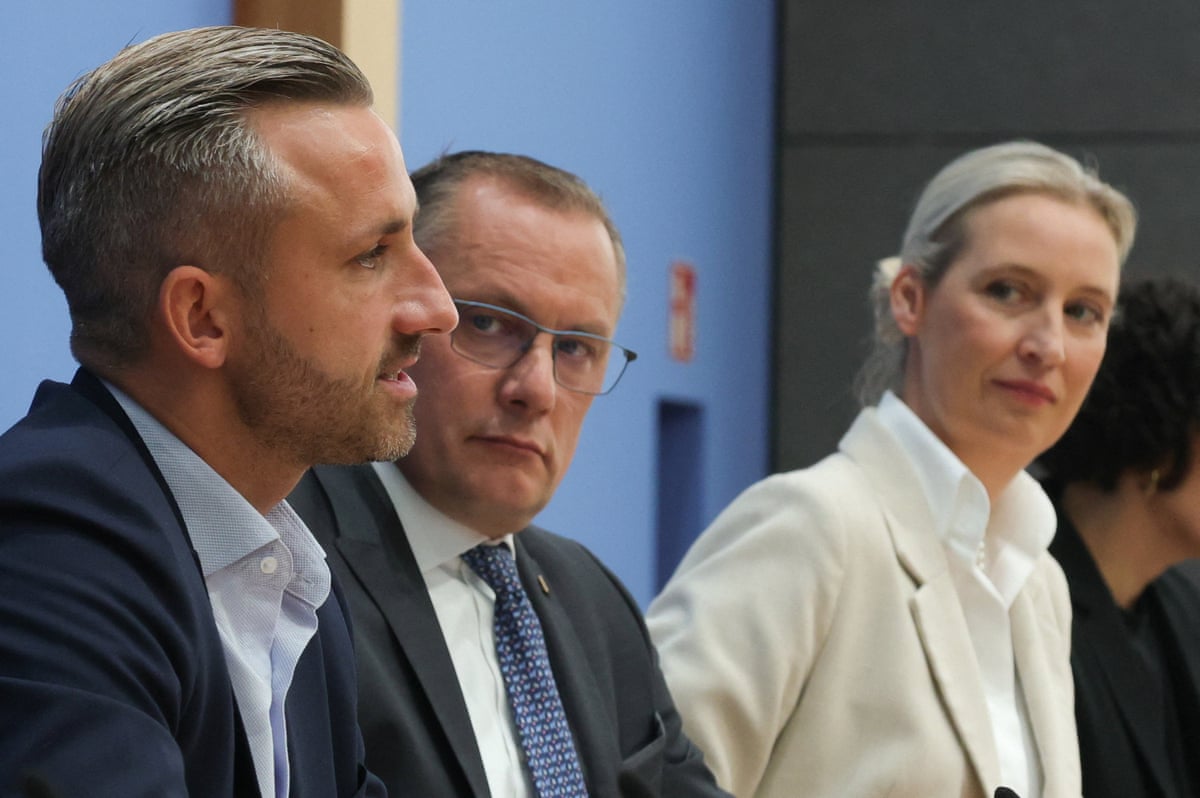
What does the AfD victory mean for German governance?
The AfD's failure to secure an absolute majority means coalition negotiations will determine the next government in Magdeburg, the state capital. Party leaders have signalled they will seek to form a governing arrangement, though other established parties have largely rejected formal coalitions with the far-right group.
Ulrich Siegmund, the AfD's lead candidate in Saxony-Anhalt, stated the party has
a mandate to governand will not compromise on its core principles. He indicated willingness to hold exploratory talks with other parties and suggested that defections from rival factions could be explored.
I will run as the candidate for minister-president in Saxony-Anhalt if it becomes apparent that we have secured a stable majority,Siegmund said, adding that a minority government relying on abstentions would be unsatisfactory.
Sven Schulze, the CDU's lead candidate in Saxony-Anhalt, has ruled out cooperation with the AfD, maintaining the party's firewall against the far-right group despite initial ambiguity on the issue.
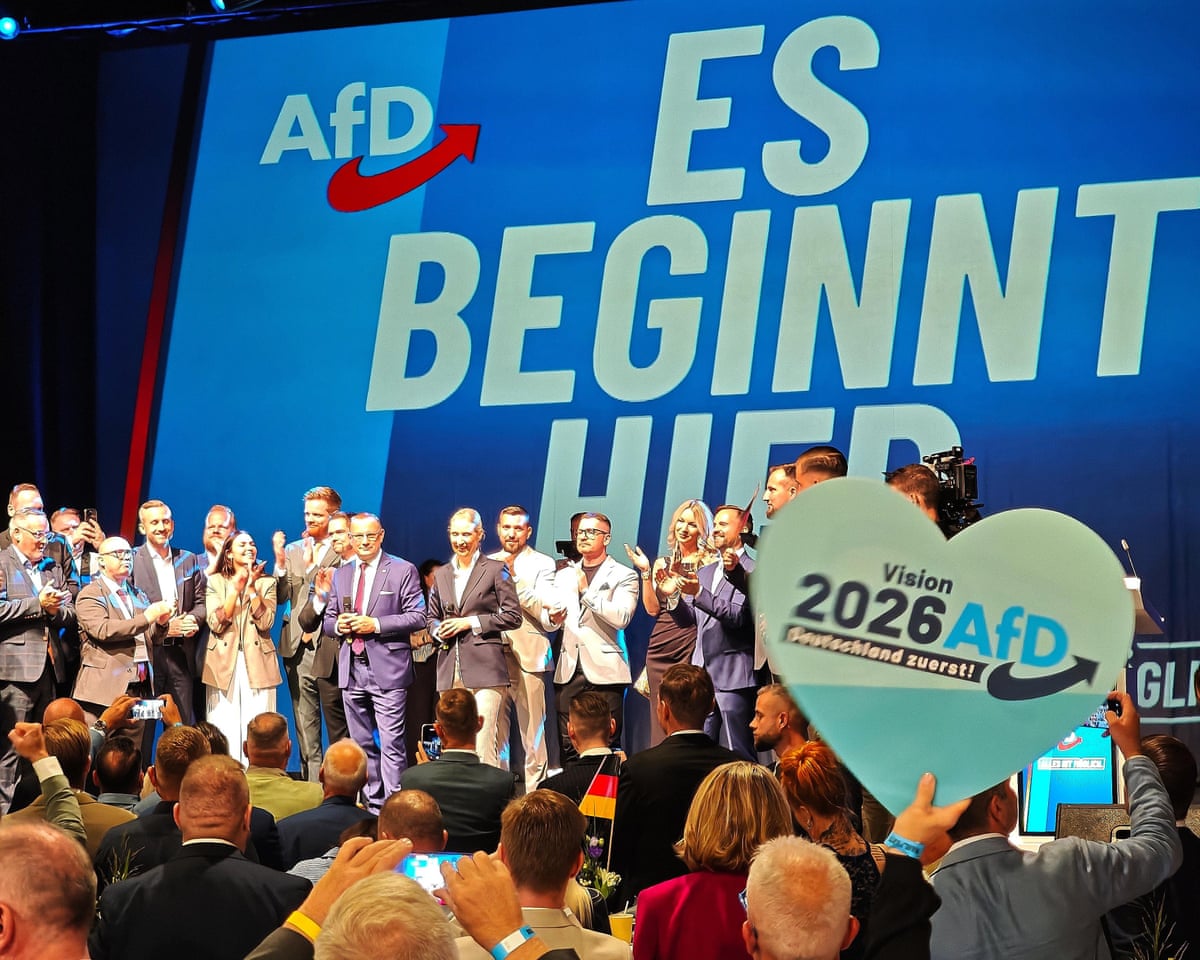
What are the AfD's policy priorities?
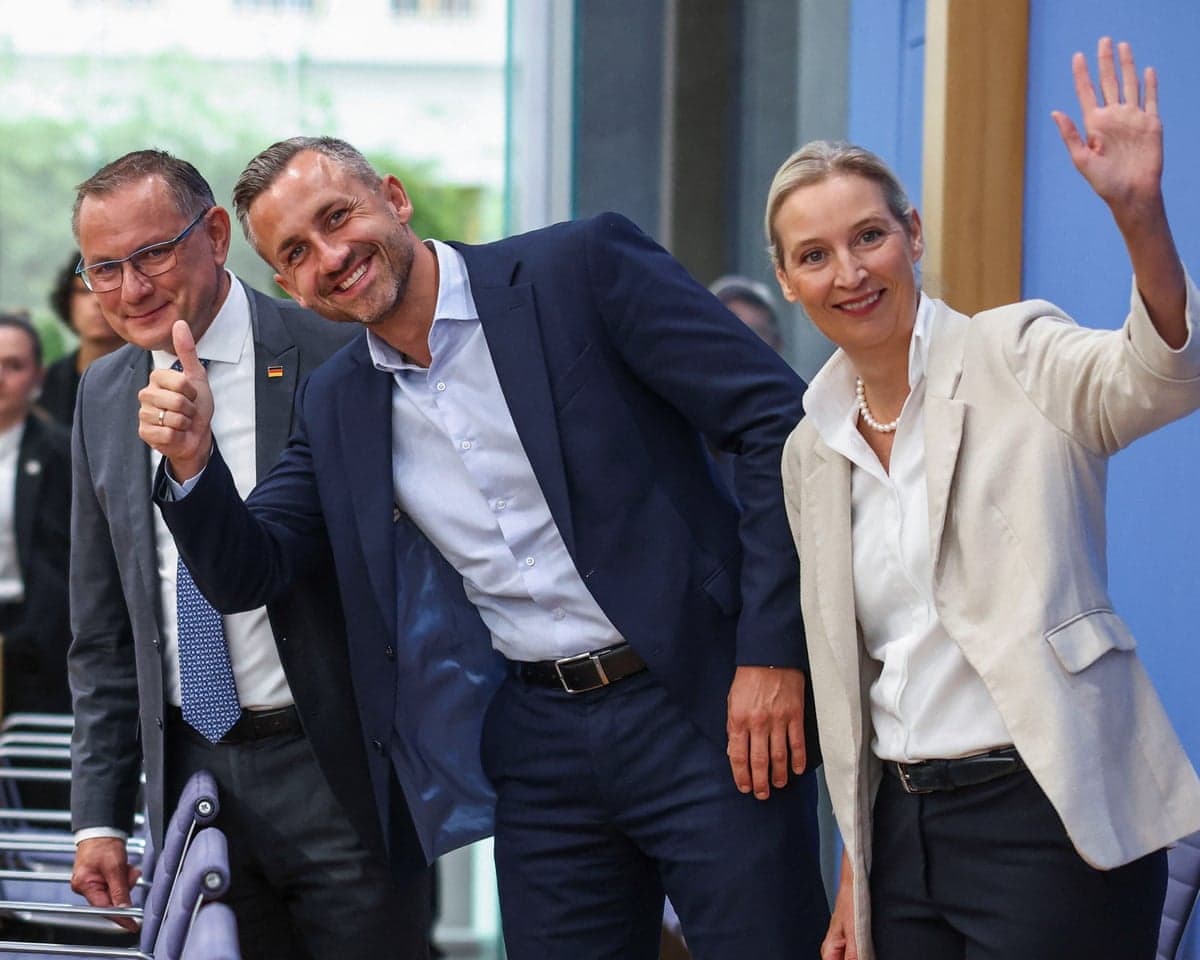
AfD co-leader Alice Weidel described the result as
a historic election resultand
a dream resultfor the party, calling it the best performance
by a wide margin. She attributed the triumph to previously disengaged voters turning out to support the party, which she framed as a victory for democracy.
On migration, Weidel stated the party
warmly welcomes everyone who contributes positively to our societyand pays taxes, but pledged to implement strict controls. The AfD opposes what it characterises as unregulated irregular migration, arguing the current system allows
unskilled individuals using our social welfare systemsto enter the country. Weidel emphasised concerns about public safety at Christmas markets and called for border security measures to
precisely control who comes to us and who is not allowed to come.The party would
deport those who commit crimes here or are staying illegally,she added.
Weidel criticised the current migration policy for leaving people to
watch as they become strangers in their own countryand said it was negatively affecting public finances. She also stressed the need to change energy policy and lower taxes.
What are the AfD's federal ambitions?
Weidel stated that the CDU/CSU
will never again be able to win a federal electionand predicted the AfD would secure
at least40% at the next parliamentary election in 2029. She said the electorate wants
strong leadership capable of setting a direction to guarantee our country's viability for the future.
Co-leader Tino Chrupalla said the German public wants to see change in direction and is
fed upwith the government
transferring billions of our tax money to Ukraine … instead of using it for our own population.He said the party has
a clear mandateto rule in Saxony-Anhalt and will hold discussions with other parties about next steps.
Siegmund expressed his desire to see Weidel as a future German chancellor, saying
we work side by side.He framed the AfD's ambitions as extending beyond the state level, saying they are
not just about Saxony-Anhalt.
How are European leaders responding?
The AfD victory has triggered sharply divided reactions across Europe. Poland's Prime Minister Donald Tusk stated bluntly:
In Poland, only idiots or traitors can rejoice at the triumph of the AfD in Germany.Poland's Foreign Minister Radosław Sikorski called the result
a very worryingsignal for Europe.
France's Europe Minister Benjamin Haddad described the outcome as
a serious moment in Europe, warning that
nationalism and xenophobia will never be a solution.He urged European leaders to
listen with humility to the anger, the concerns, the fears, and respond to them,adding:
We cannot forget our history. That is the meaning behind the choices made by France.French Finance Minister Roland Lescure warned Europe faced
a major challenge in the face of a populist waveacross the continent.

Former Hungarian Prime Minister Viktor Orbán celebrated the result, calling it
a huge night for Germany and Europe!and adding
Buckle up. This is just the beginning!
In Italy, the government coalition split in its response. Foreign Minister Antonio Tajani called the election result
terrible news … because it concerns a political force that is antithetical to the liberal and western values,while Deputy Prime Minister Matteo Salvini, leader of the far-right League party, hailed it as
a resounding success that highlights the strong demand for change, security, and jobs.Salvini reportedly sent a message of congratulations to Weidel. Prime Minister Giorgia Meloni has not publicly commented on the result.
All of Italy's major daily newspapers led with the AfD victory on Monday. La Repubblica's headline described it as
the darkness above Berlin.Opposition politicians expressed concern about the rise of the extreme right, while Roberto Vannacci, who is gaining support on the far-right in Italy, welcomed the outcome.
What is the international dimension of the AfD's rise?
Russian presidential envoy Kirill Dmitriev praised the AfD's
historic winfor what he called the party's
pragmaticapproach, sharing a screenshot of a post by US President Donald Trump on the election. The AfD is known for its pro-Kremlin stance, having called for an end to support for Ukraine and pushed to revoke refugee status for Ukrainians.
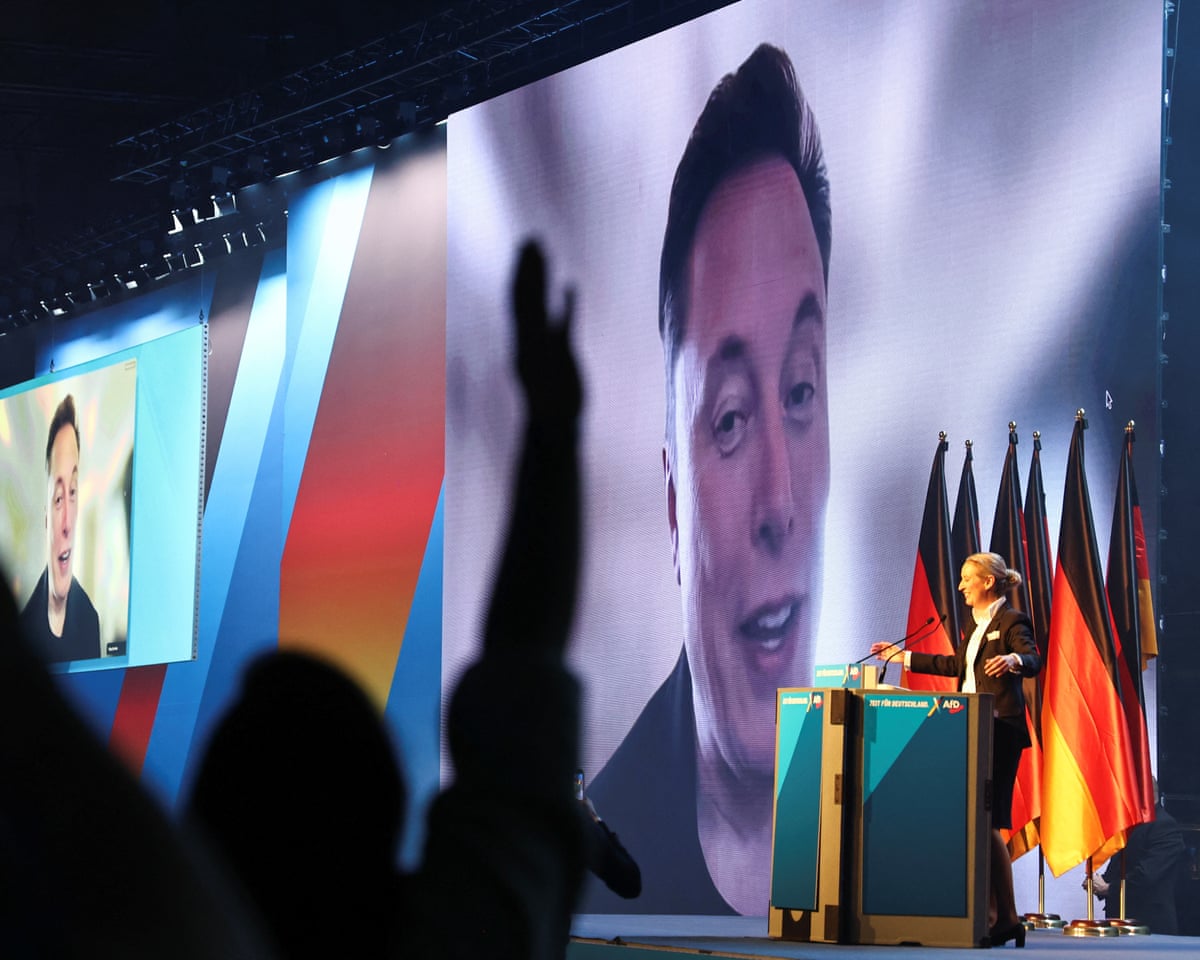
On Sunday night, Saxony-Anhalt AfD leader Ulrich Siegmund thanked billionaire Elon Musk on X (formerly Twitter)
for your support and for your clear and highly important perspective on the political developments of our time,adding:
I would very much welcome the opportunity for strong and constructive cooperation.Siegmund's message followed Musk's response to Weidel's post about the projected win, in which the tech entrepreneur wrote
Well done!in German.
What does this mean for Germany's security stance?
German Interior Minister Alexander Dobrindt warned that the country's freedom is threatened both externally and internally. Speaking at a political rally in Bavaria, Dobrindt said freedom in Germany is
threatened from outside by Russian drones in our skies and from inside by Moscow's ideological low-flyers in our parliaments,according to reporting. Berlin has blamed Russia for a drone attack in August at Leipzig/Halle airport.
Dobrindt's warning underscores the government's harder line against Russia and comes in the context of the AfD's push to restore ties with Moscow and end support for Ukraine.
What is happening with Ratko Mladić's funeral?
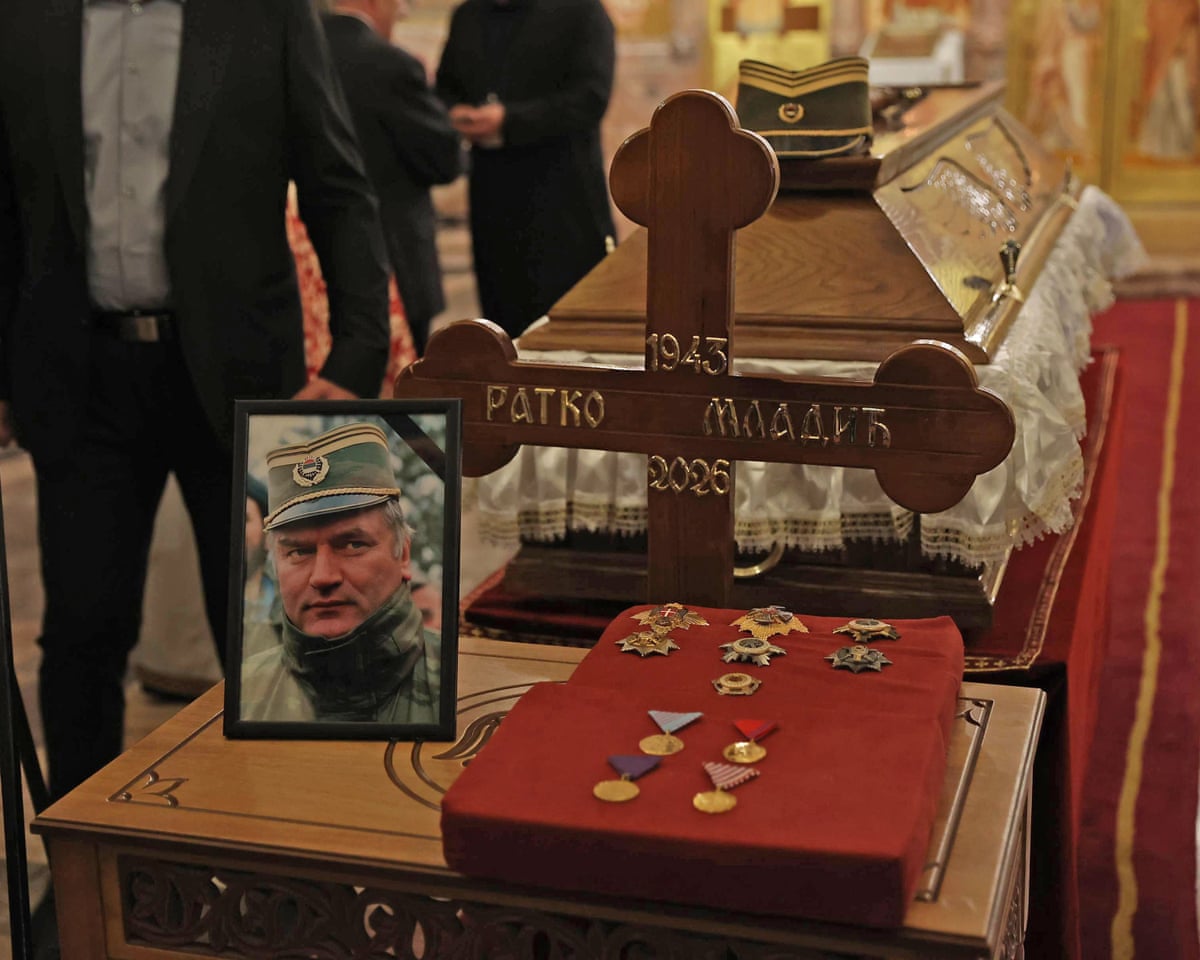
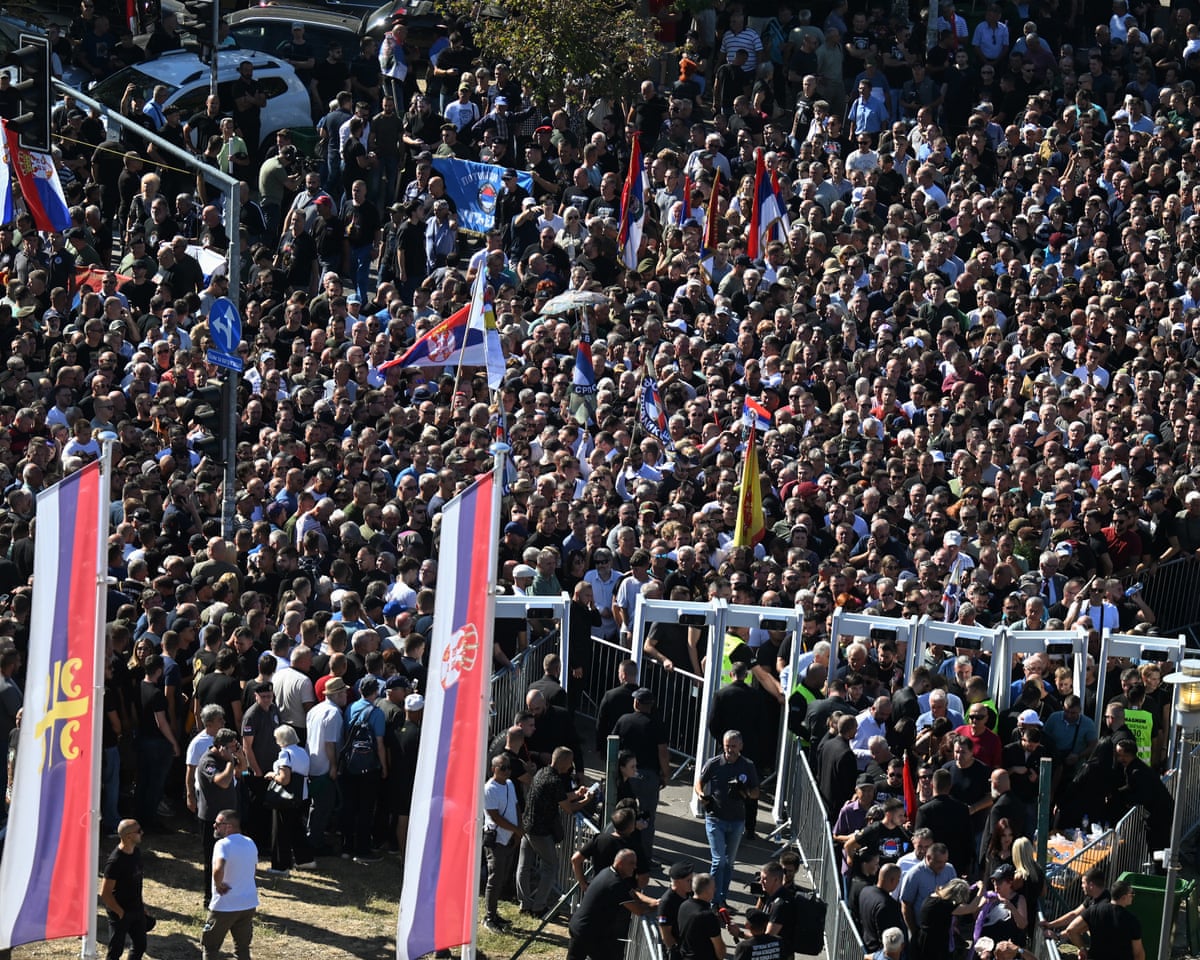
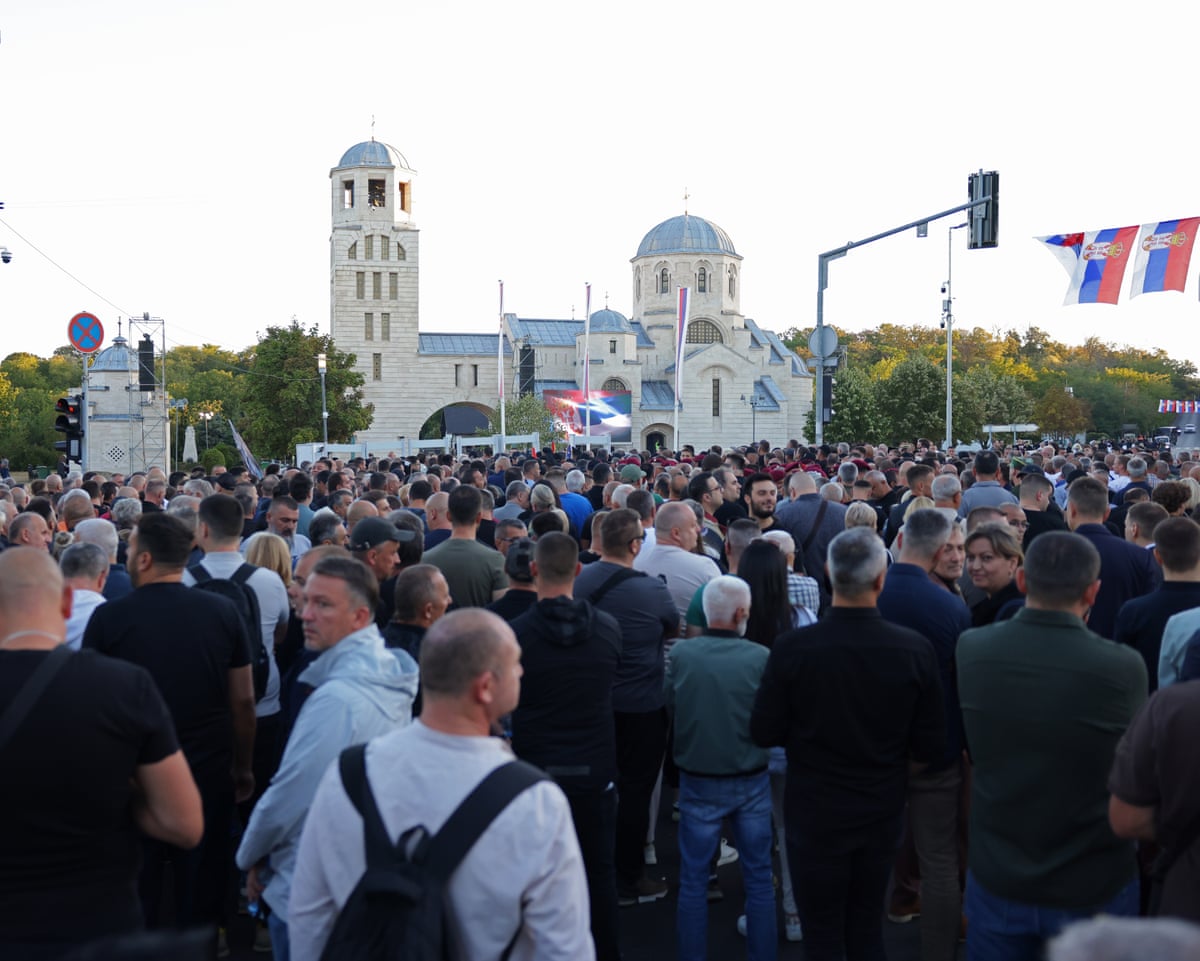
The funeral of Bosnian Serb war criminal Ratko Mladić proceeded in Belgrade on Monday amid international controversy over the treatment of his remains and concerns about glorification of his wartime actions. The ceremony took place after Mladić's coffin lay in state, allowing supporters to pay final tributes. Thousands gathered in Belgrade to follow the proceedings, with the memorial service led personally by the Patriarch of the Serbian Orthodox Church.
Serbia's government initially suggested Mladić would receive formal state honours, with his casket carried from the plane by soldiers and draped in flags. President Aleksandar Vucić later decided against granting official state recognition and announced he would not attend the ceremony, citing a scheduled meeting with the president of Uzbekistan.
Vucić rejected accusations of glorifying the former general, including criticism from senior EU figures such as the bloc's enlargement commissioner Marta Kos, who cancelled her planned trip to Serbia. The president said the funeral service merely reflected the family's wishes.
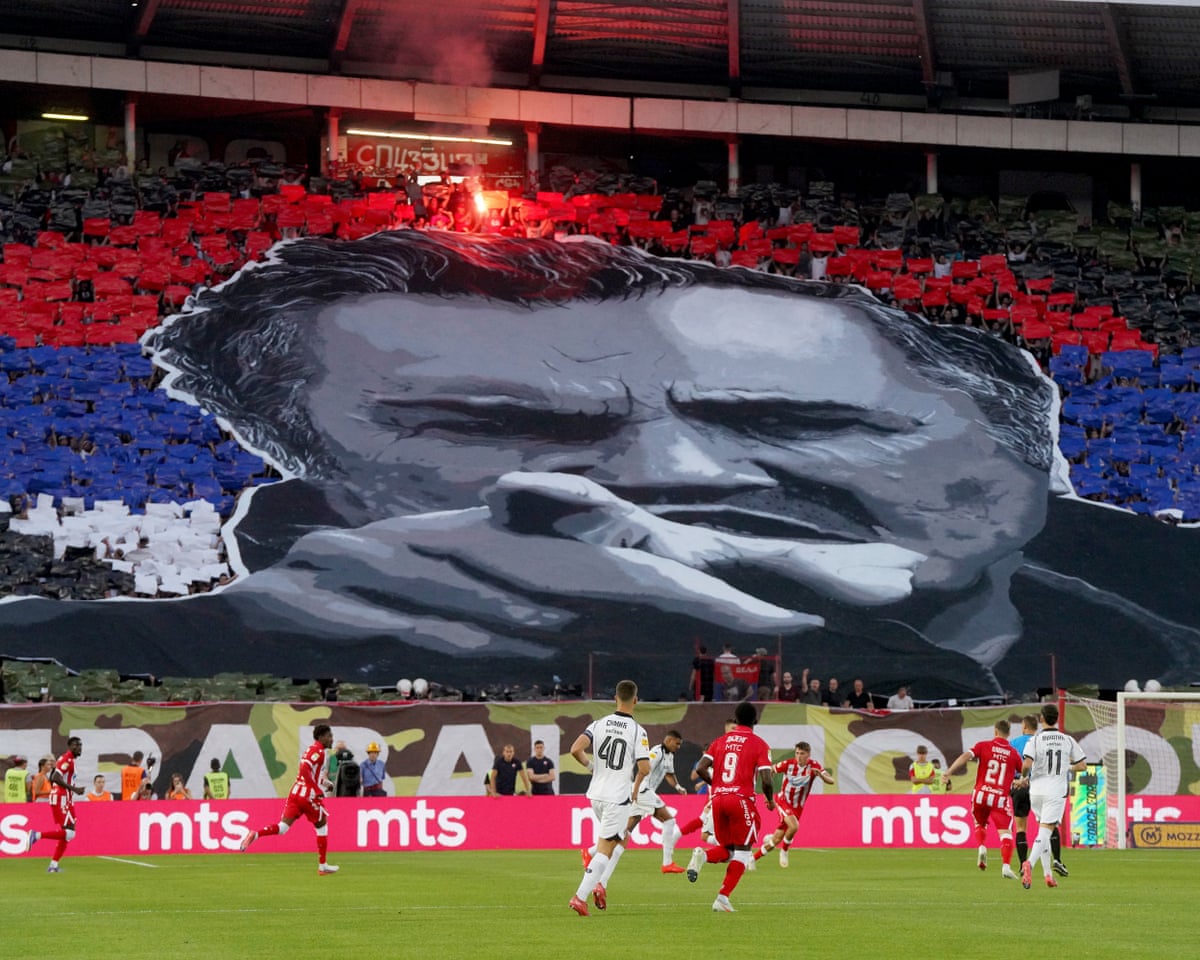
Mladić, who died in a UN prison hospital in The Hague while serving a life sentence, was convicted of orchestrating the massacre of more than 8,000 men and teenage boys in Srebrenica during the 1990s Bosnian war—the worst massacre Europe had witnessed in half a century. Among Serbian nationalists and in the Republika Srpska, the Serb-controlled half of Bosnia, he remains portrayed as a hero, evidence that the ideology he embodied continues to resonate in parts of the region.
Mladić will be buried at Topčider cemetery, where his daughter Ana, who took her own life during the Bosnian war, is also interred.
What happens next?
Chancellor Merz is expected to address the political fallout in Berlin on Monday afternoon. Coalition negotiations in Magdeburg will determine whether the AfD can form a governing arrangement in Saxony-Anhalt, with exploratory talks likely to begin in coming days.
The Saxony-Anhalt result is the first of three key German state elections this autumn. Voters in Berlin and Mecklenburg-Vorpommern will also go to the polls, with the AfD expected to perform strongly in both contests. These elections are being closely watched as indicators ahead of the 2029 federal parliamentary election and a broader wave of significant European votes over the next 12 months, including elections in France, Italy, Spain, Greece and Poland in 2027.
Key Facts
- The AfD secured 43.8% of the vote in Saxony-Anhalt, winning 39 of 83 state parliament seats but falling three short of an outright majority
- Chancellor Merz's CDU/CSU collapsed to 17.2%, prompting emergency party talks on Monday morning
- The result marks the first real opportunity for the AfD to move from protest party to governing force in a German state since World War Two
- European leaders are divided in their response, with Poland and France expressing alarm while Hungary's Orbán and Russia's presidential envoy celebrated the outcome
- Two further German state elections in Berlin and Mecklenburg-Vorpommern are scheduled this autumn, with the AfD expected to perform strongly in both