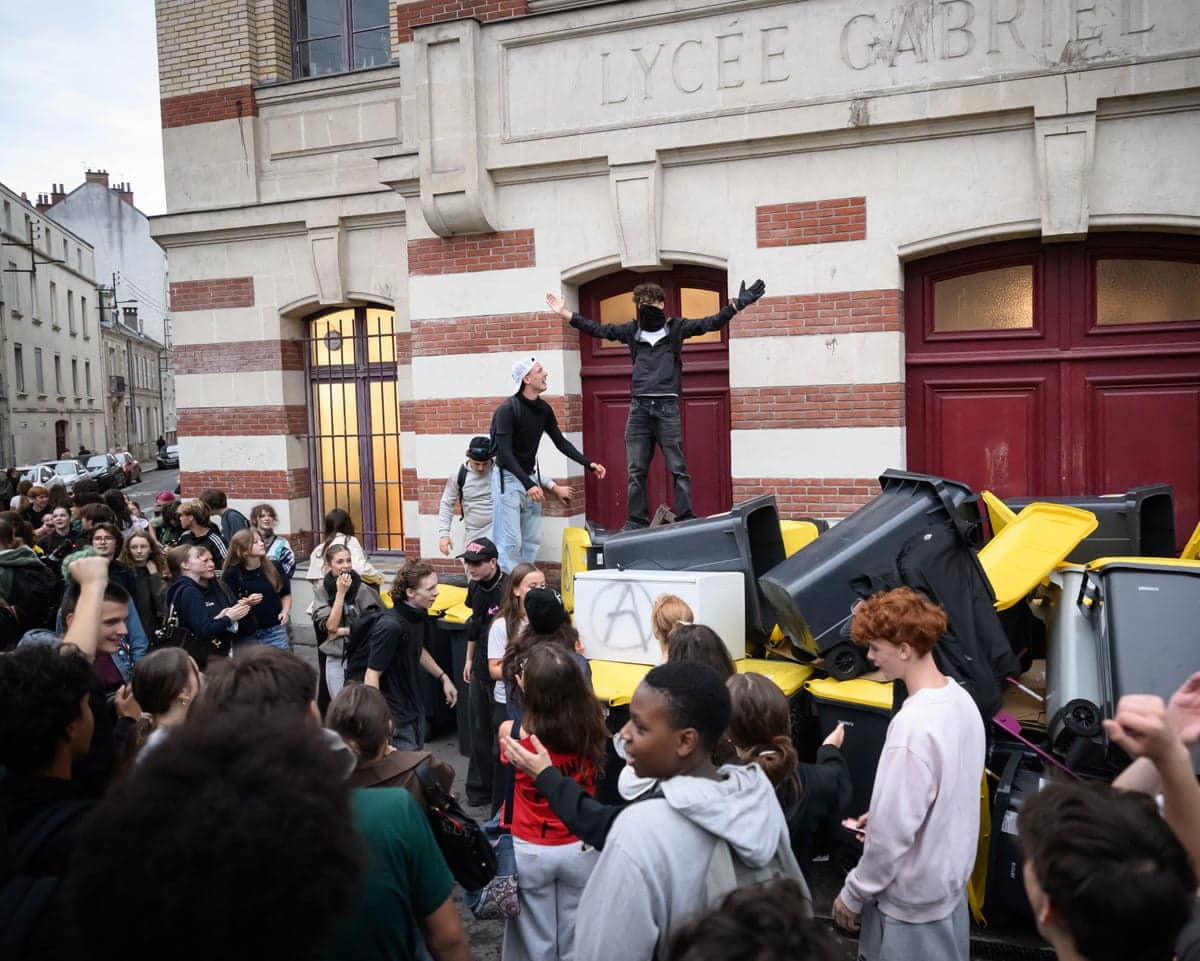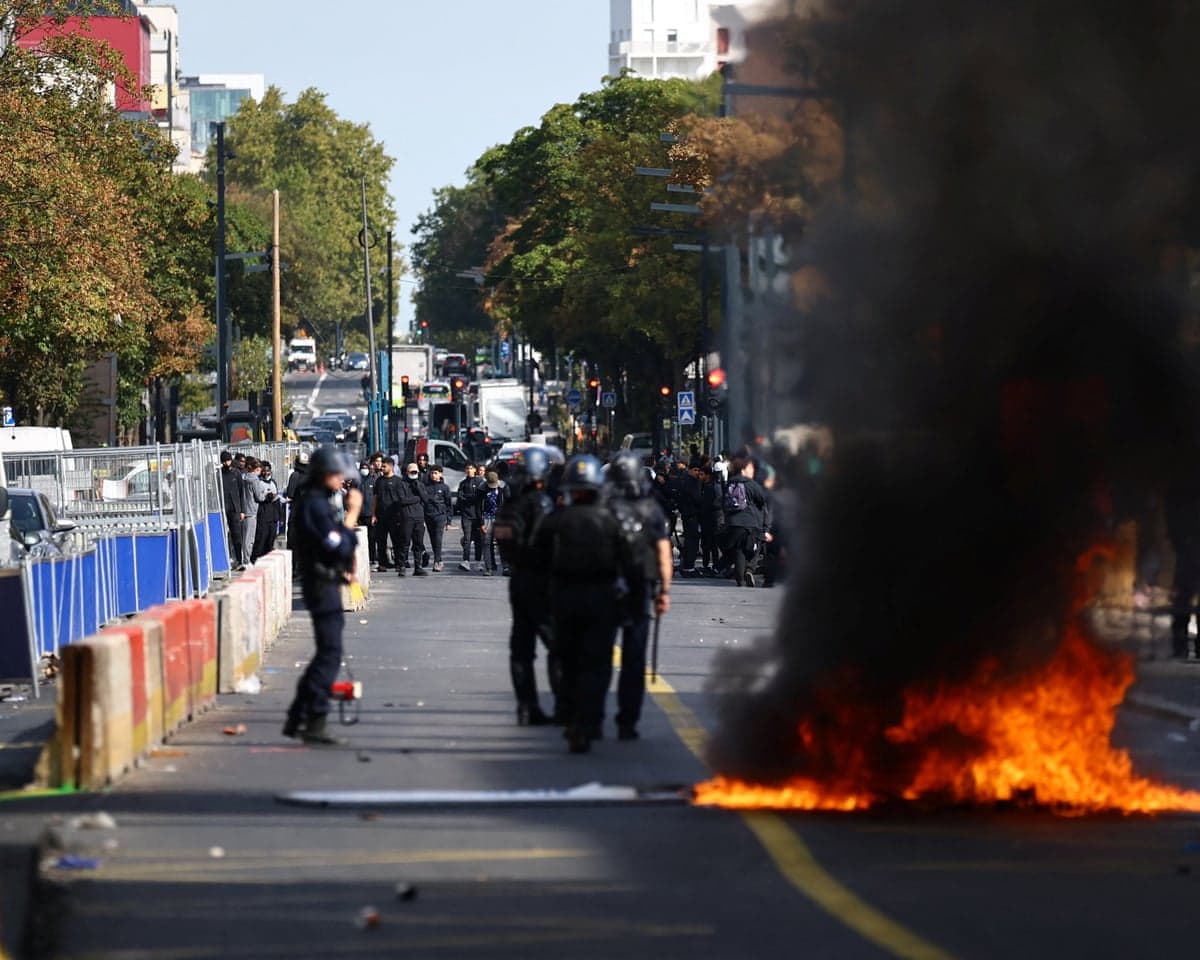
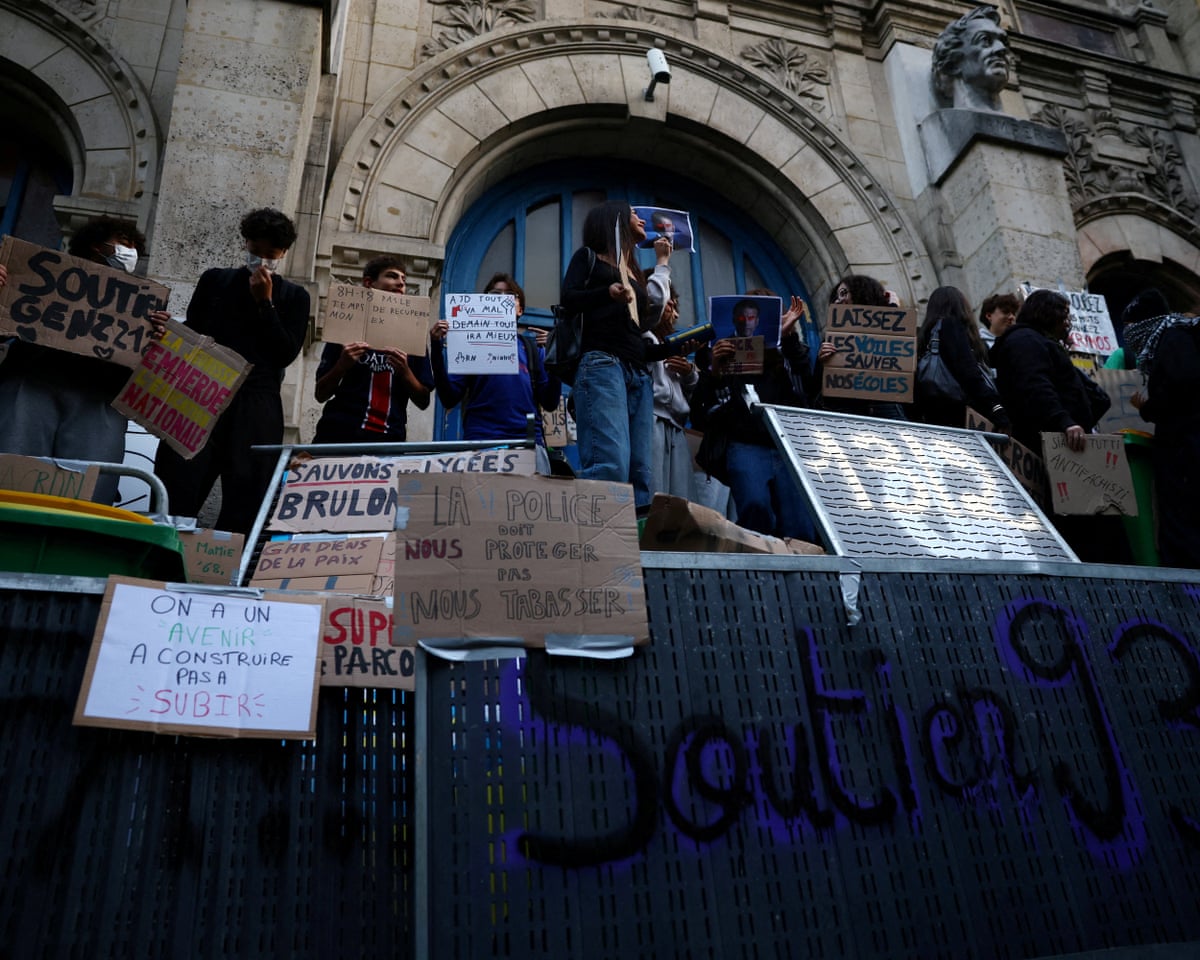
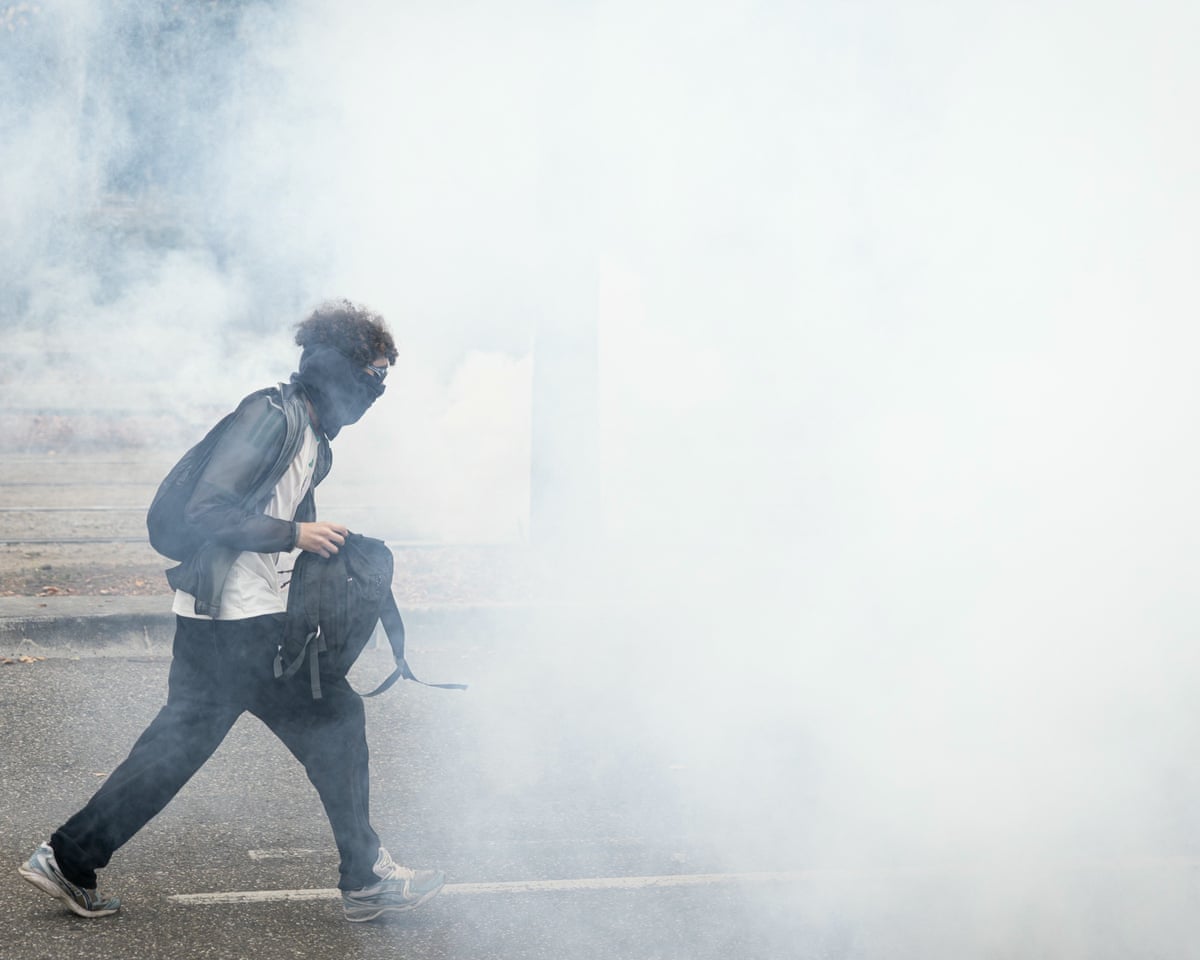
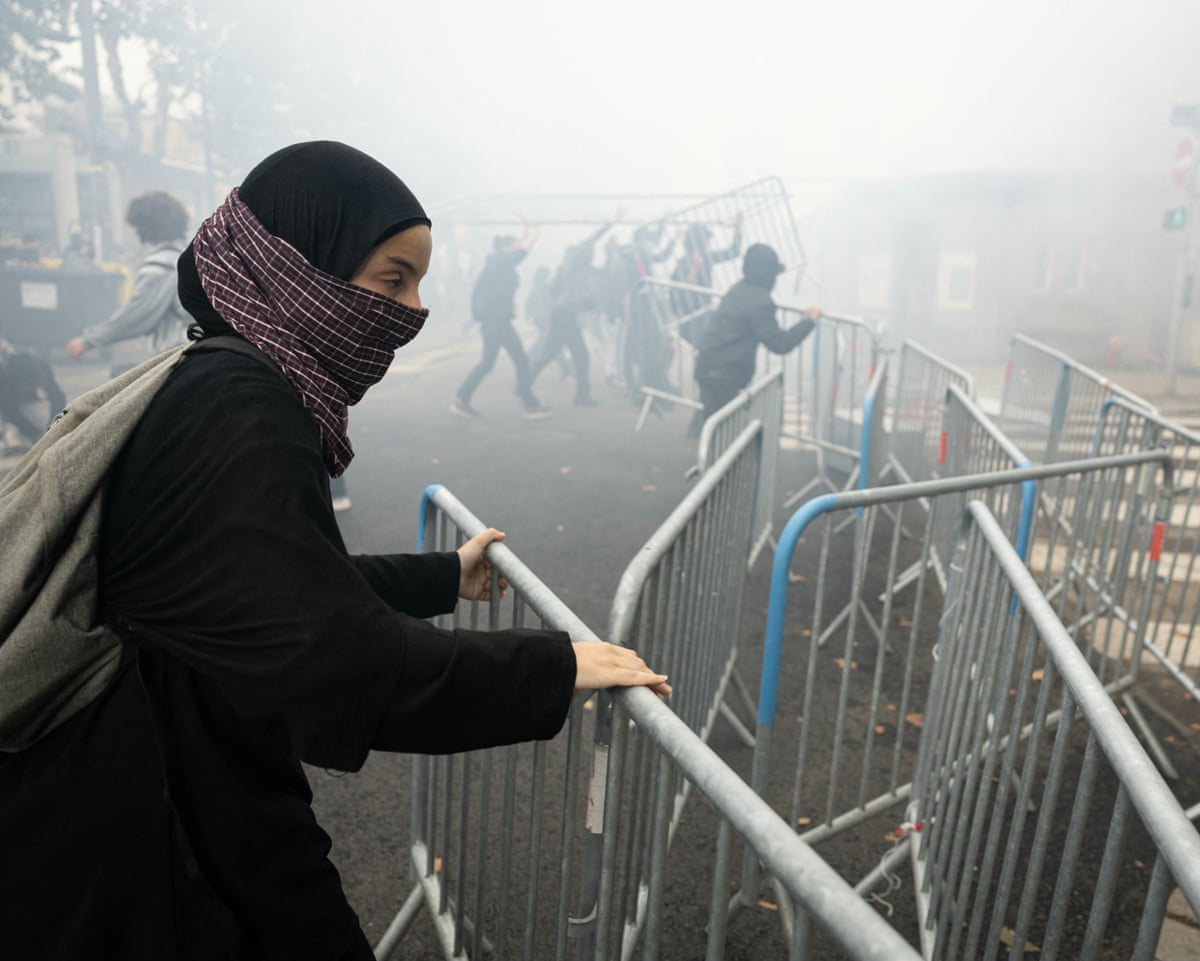
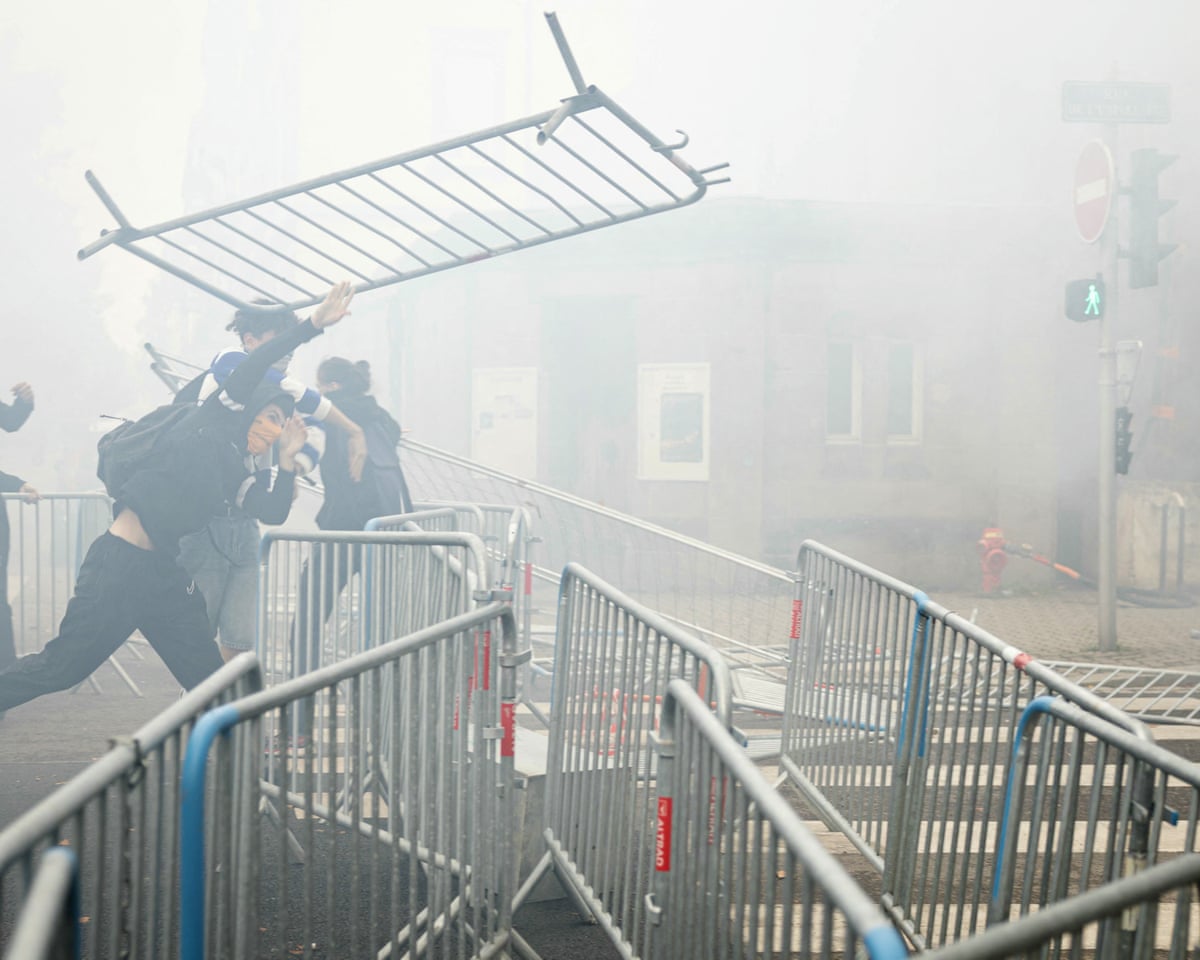
Escalating high school protests across France have forced the closure of approximately 400 schools on Friday, with violence intensifying as the movement spreads beyond its initial demands. Around 100 educational facilities have sustained severe damage during the unrest, which began roughly ten days earlier at Saint-Exupéry high school in Créteil, a Paris suburb, before expanding to a nationwide scale. The French education ministry confirmed that 40 headteachers have been injured, while nearly 3,000 lycée students aged 15 to 18 have been detained since demonstrations commenced, including 1,949 apprehended on Thursday alone, according to the interior ministry.
The underlying grievances driving the movement encompass an array of educational concerns: pupils cite overloaded timetables, overcrowded classrooms, insufficient staffing levels, and the impact of extreme temperatures during earlier heatwaves. On Thursday alone, protests or strikes affected 1,020 high schools, with 222 blockades representing approximately one in four of France's secondary institutions. The situation has deteriorated markedly, with fires started at two high schools on Thursday, teachers splashed with petrol at a third location in Marseille, and a vehicle torched in Strasbourg.
How are authorities responding to the escalating unrest?
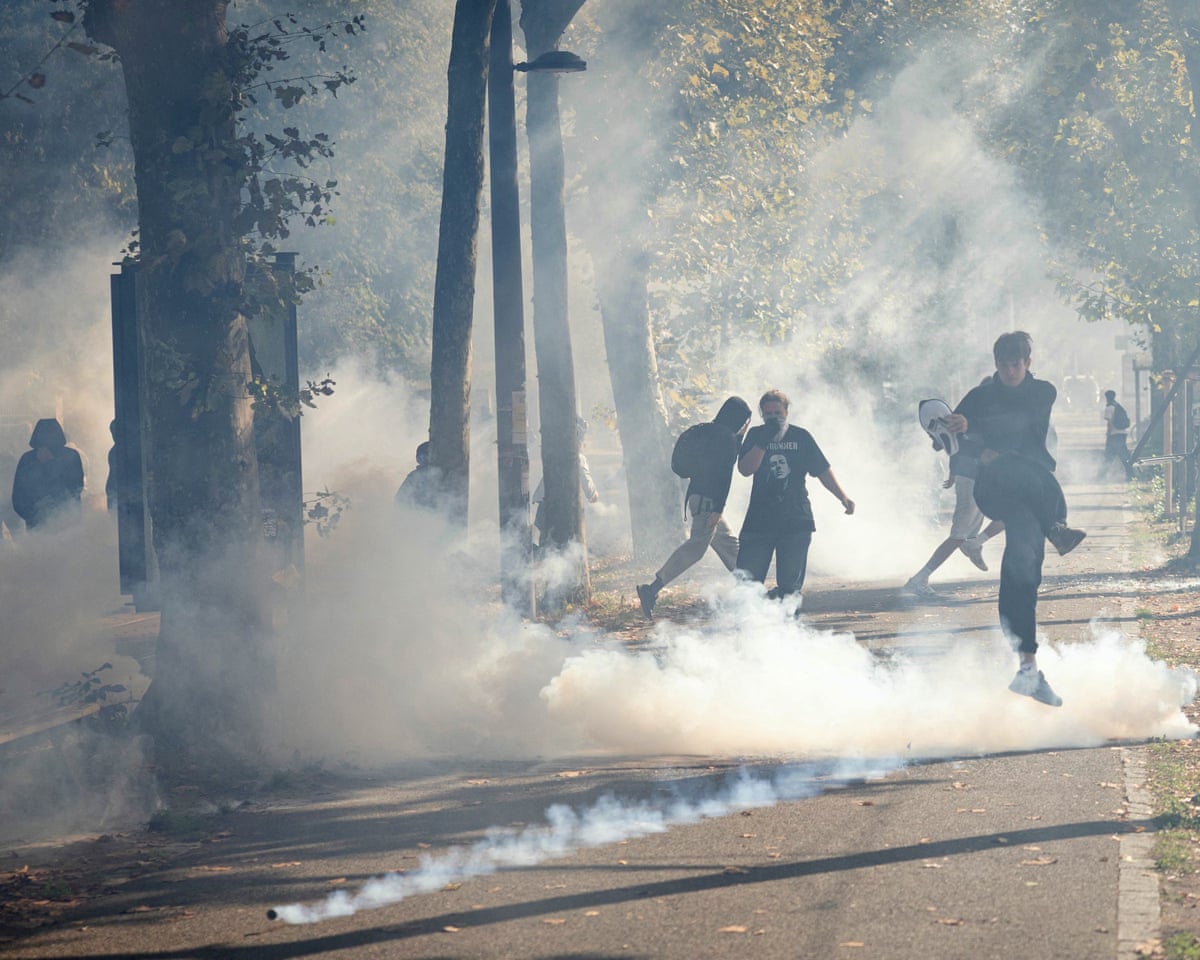
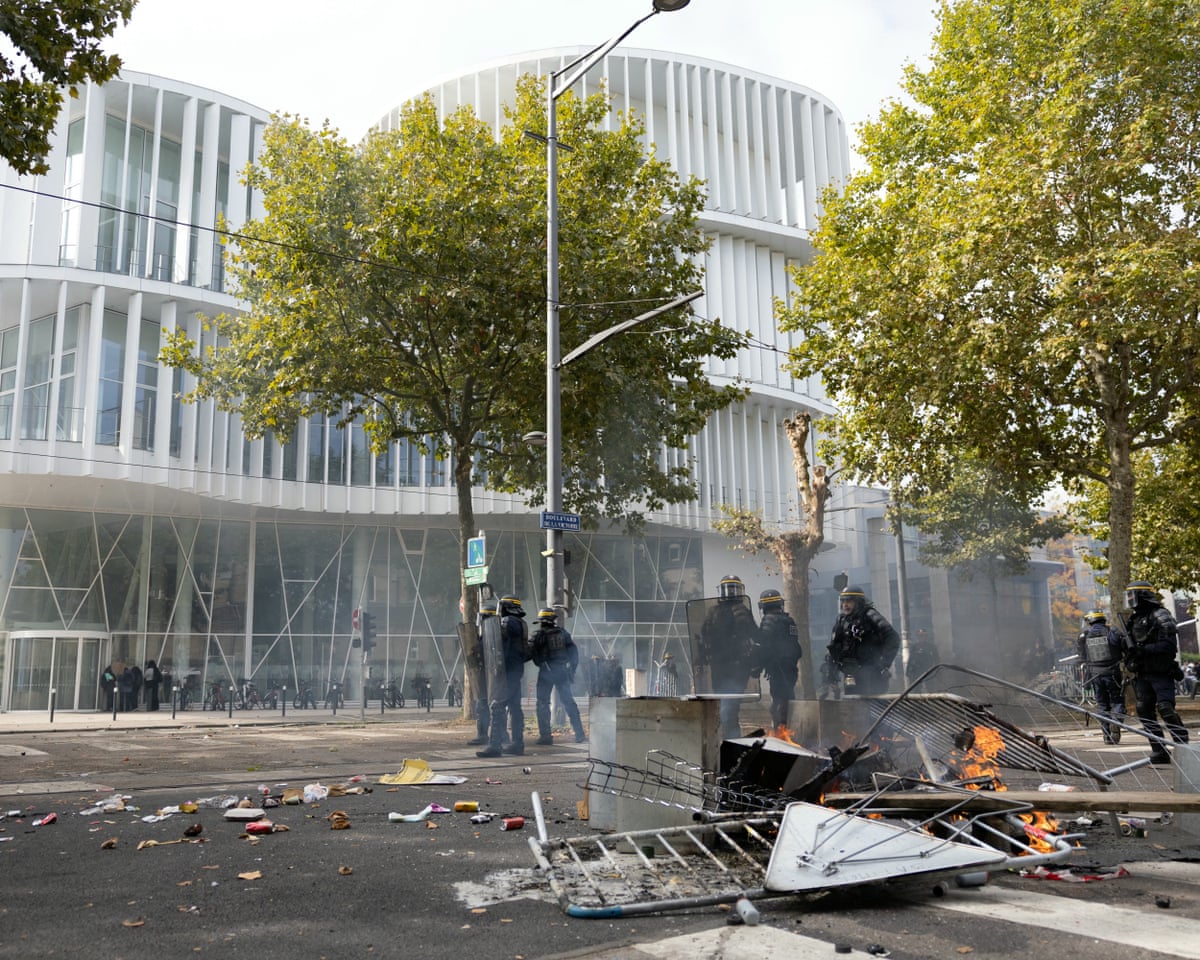
Riot police have been mobilised to confront the increasingly violent demonstrations across multiple cities. Fresh incidents erupted near Jean-Rostand high school in Strasbourg and Simone-Veil high school in Marseille on Friday, with further clashes reported in Paris and Nantes, where at least ten people were arrested during confrontations with law enforcement this morning. The prefect of Bouches-du-Rhône indicated that Friday's demonstrations were substantially smaller than Thursday's disturbances, with 11 schools in the region affected and 55 transitioning to online instruction.
Justice Minister Gérald Darmanin held discussions with local prosecutors overnight, instructing them to pursue civil liability claims that would render parents financially accountable for destruction caused by their offspring. Education Minister Édouard Geffray appealed directly to parents for assistance, cautioning that
children are in danger on the streets.Despite these interventions, the trajectory of the unrest remains upward, with no indication of de-escalation in the immediate term.
What is the financial toll of the protests?
Damage assessments from this week's disturbances are projected to reach hundreds of millions of euros. The Auvergne-Rhône-Alpes region alone has reported 25 million euros in losses, suggesting the national figure will be substantially higher once comprehensive surveys are completed across all affected areas.
What is happening in Spain as weather worsens?
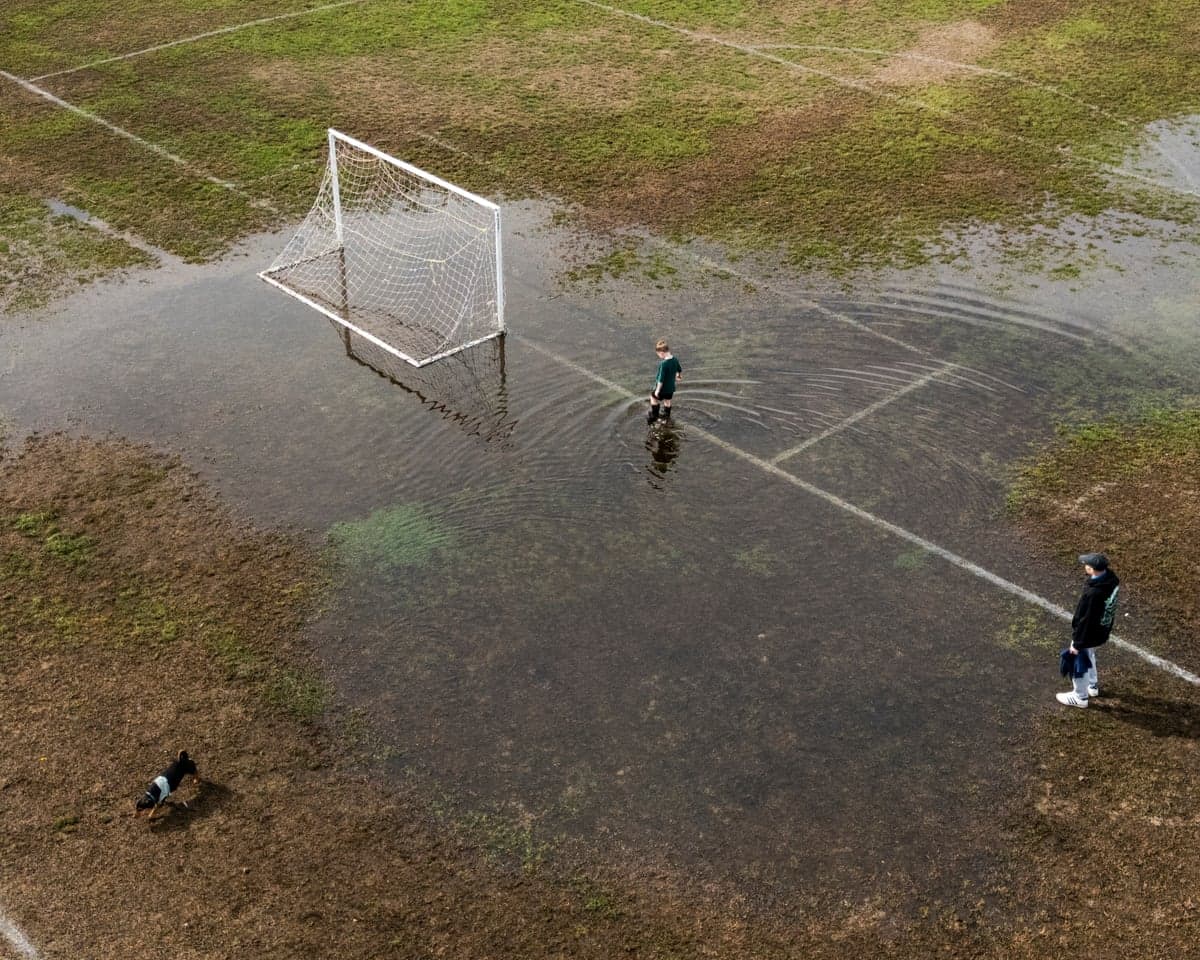
Spain faces an imminent weather emergency as torrential rainfall batters the eastern regions, with authorities implementing precautionary measures affecting hundreds of thousands of residents. Valencian officials have shuttered schools, impacting nearly half a million students, while towns across three Catalan regions have been placed under lockdown. Red warnings indicating
extraordinary dangerhave been issued for sections of Tarragona and the Castellón coastline.
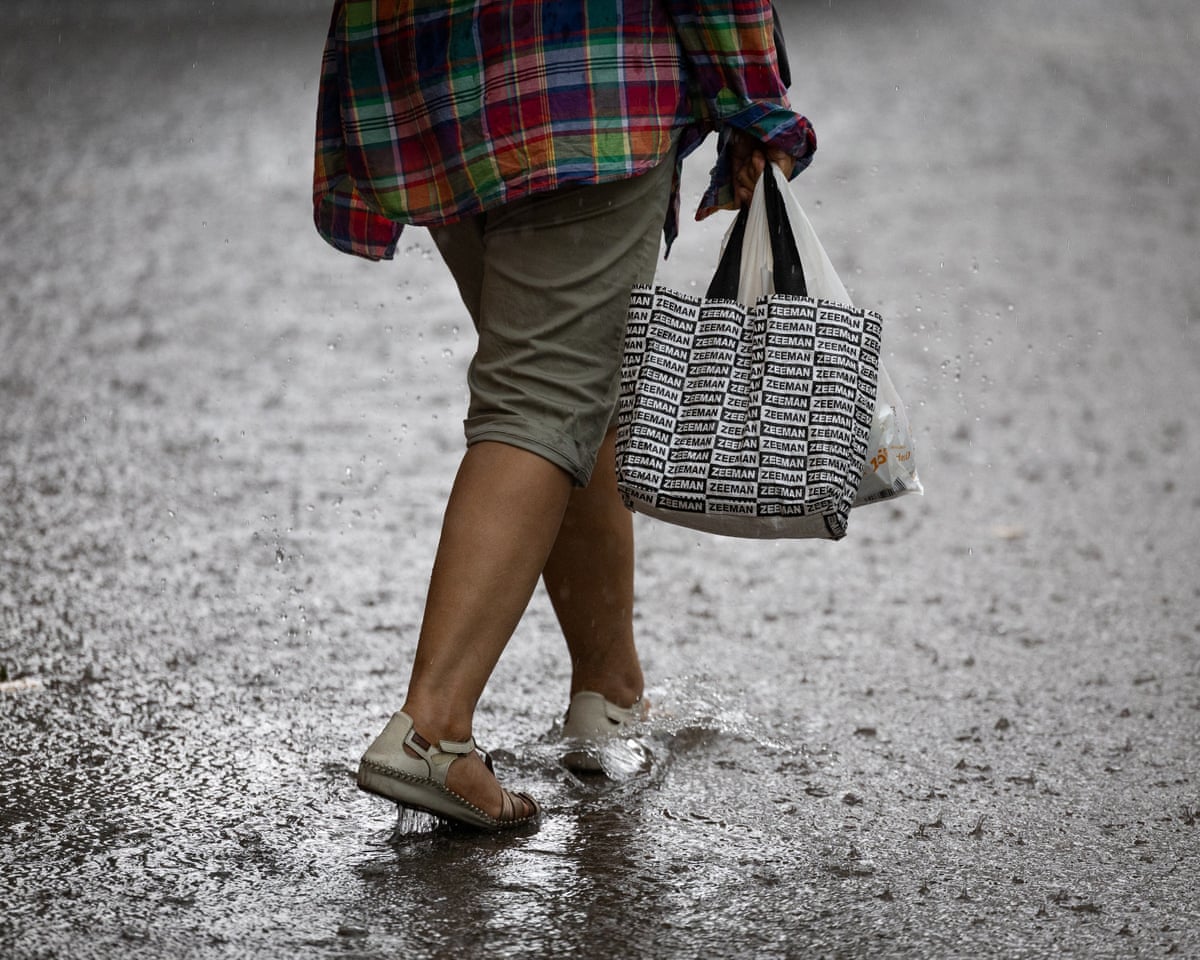
This meteorological crisis arrives almost two years after catastrophic flooding, exacerbated by climate change, devastated eastern Spain and claimed more than 240 lives, predominantly in the Valencia region. Spanish climate scientists have attributed the current autumn deluge to an exceptionally heated Mediterranean Sea, which followed an exceptionally hot summer across western Europe. Spain's meteorological organisation, Aemet, has documented that numerous western Mediterranean zones are 4 degrees Celsius warmer than typical for this period, with temperatures more characteristic of August. The physics of this phenomenon is straightforward: warmer ocean surfaces generate increased evaporation, while hotter air retains greater moisture capacity, enabling more intense precipitation events.
What is Spain's political response to the housing crisis?
Spain's parliament is scheduled to vote on new housing measures today, though rightwing opposition parties have signalled their intention to block the legislation. The conservative People's Party, the far-right Vox faction, and the hardline Catalan pro-independence party Junts have announced they will vote against the government's proposals, making passage unlikely and potentially triggering a significant political confrontation over housing accessibility.
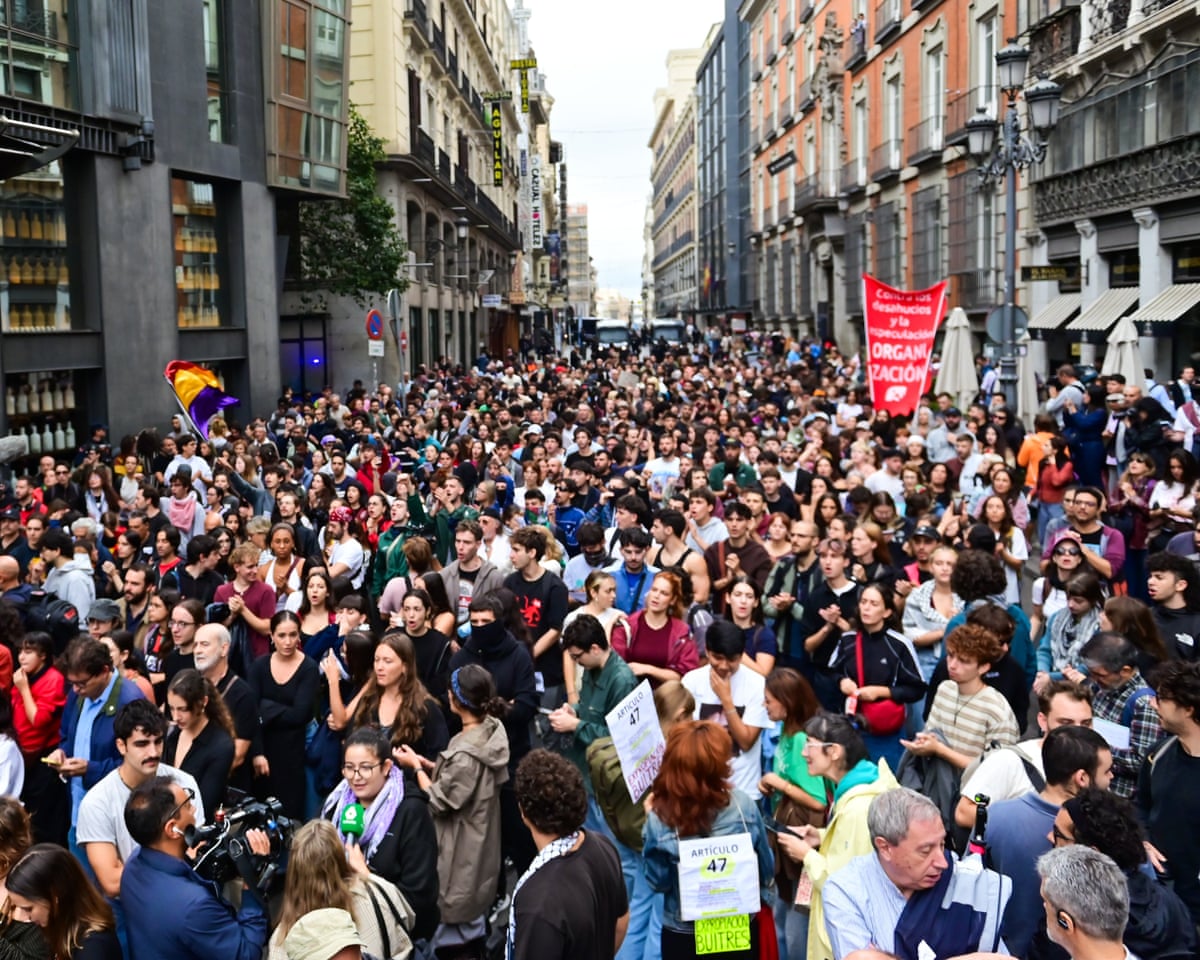
The housing affordability emergency erupted into public consciousness ten days ago when an 87-year-old woman using a wheelchair was evicted from her residence of seven decades. For millions of Spaniards, this incident crystallised years of accumulated frustration with a housing market that has left countless families behind as property values climbed 80 percent within a decade and purchase costs surged by 63 percent. The Madrid tenants' union, which has spearheaded the protest movement, responded to news of the rightwing parties' opposition by calling for renewed demonstrations across Spain this weekend.
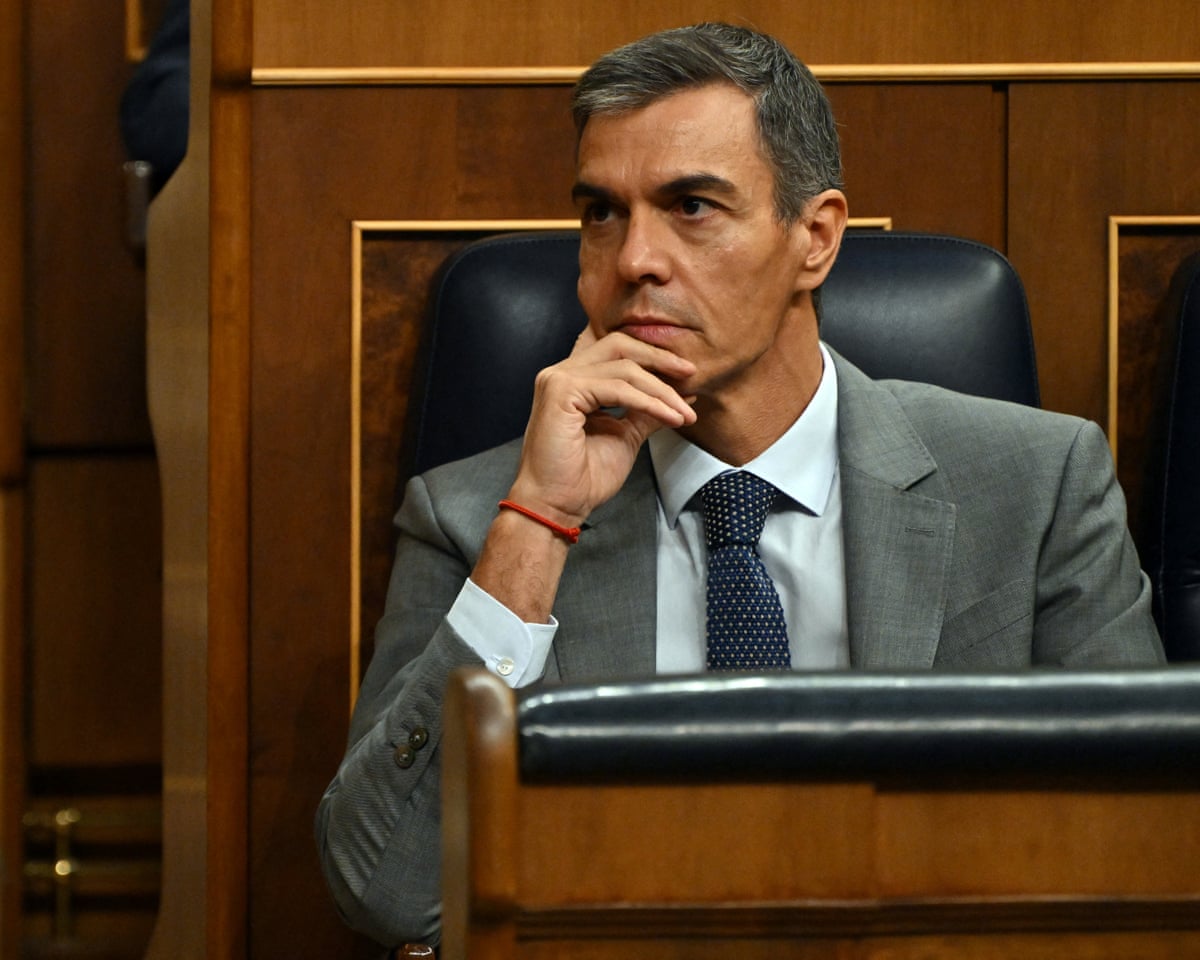
Prime Minister Pedro Sánchez declared late Thursday that the parliamentary vote would proceed as scheduled despite the opposition parties' stance, stating
Or you're with the social majority or with speculatorsand asserting that the ballot would expose the
true coloursof dissenting factions. The housing crisis has inadvertently revitalised Sánchez's struggling administration by redirecting national attention away from recent events in Ceuta toward the more pressing issue of residential access. A fresh poll indicates that approximately two-thirds of Spain's population endorses government intervention in the housing market to constrain prices, and sources have informed news outlet Eldiario.es that Socialist leadership is deliberating whether to advance next year's scheduled elections and hold them in November instead.
What is the situation in Sweden's government formation?
Sweden's parliament speaker Andreas Norlén has granted Social Democratic leader Magdalena Andersson a second opportunity to construct a governing coalition, following her unsuccessful initial attempt earlier this week. Andersson will have seven days beginning Monday to demonstrate whether she can assemble a government capable of securing sufficient parliamentary backing. At the conclusion of that period, she must either report success or petition for additional time.

Andersson's renewed mandate arrives just days after she announced on Monday that she had failed to secure adequate support after a prospective coalition partner endorsed Norlén, a centre-right politician, for the speaker position. Sweden's governmental framework operates according to the principle of
negative parliamentarism,which stipulates that any prime minister requires merely the absence of an absolute majority voting against them, rather than an absolute majority voting in favour. This structural arrangement provides negotiating flexibility, as political parties retain the option to abstain from votes rather than being compelled to declare explicit opposition.
Key Facts
- Nearly 3,000 French secondary students have been detained since protests began, with 1,949 apprehended on Thursday alone
- Damage from this week's French unrest is anticipated to exceed hundreds of millions of euros, with the Auvergne-Rhône-Alpes region reporting 25 million euros in losses
- Spain's parliament votes today on housing measures that rightwing parties have pledged to oppose, likely resulting in legislative failure
- Spanish meteorological authorities forecast continued severe rainfall through at least Saturday, 3 October, with risks of sudden localised flooding
- Swedish Social Democratic leader Andersson has one week to construct a government capable of securing parliamentary support