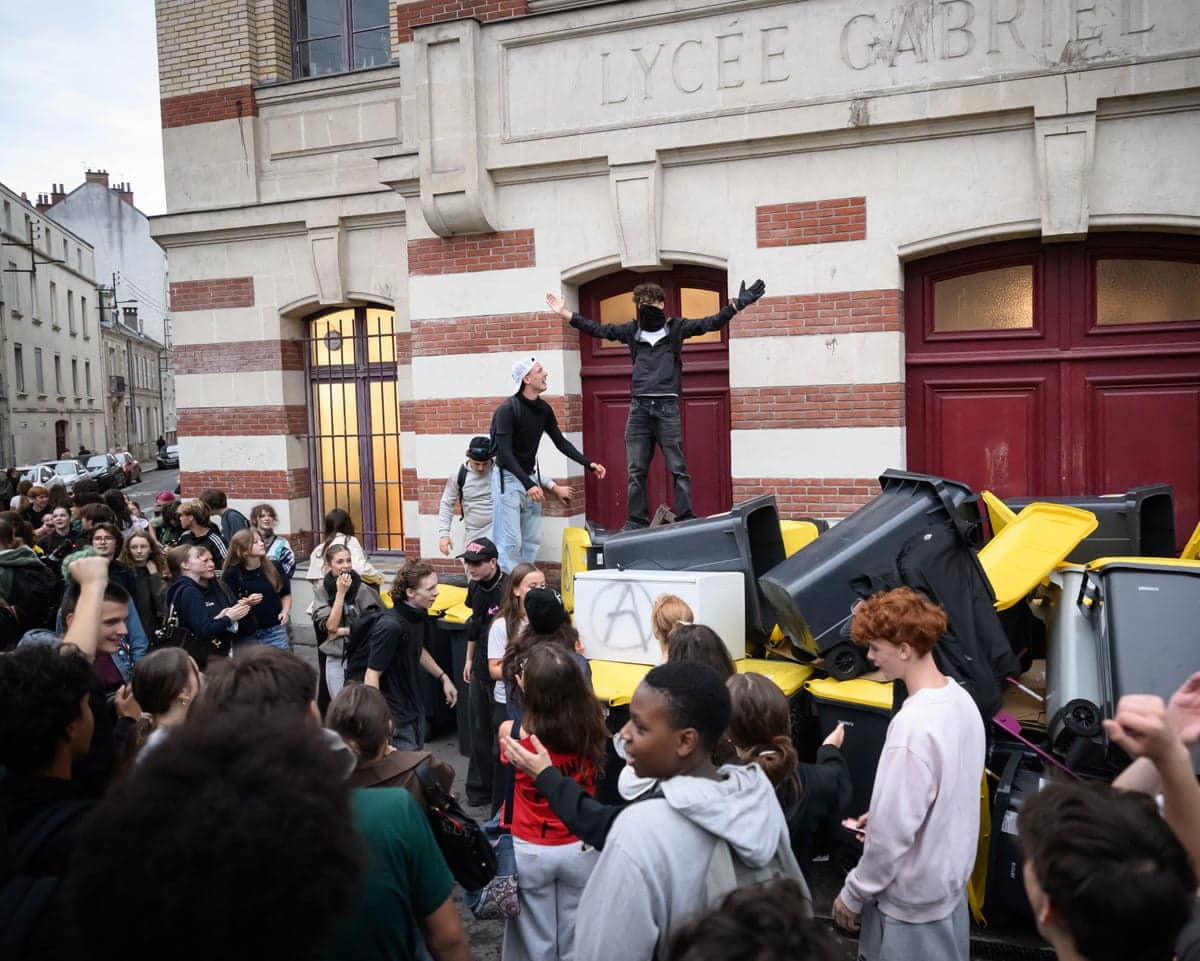
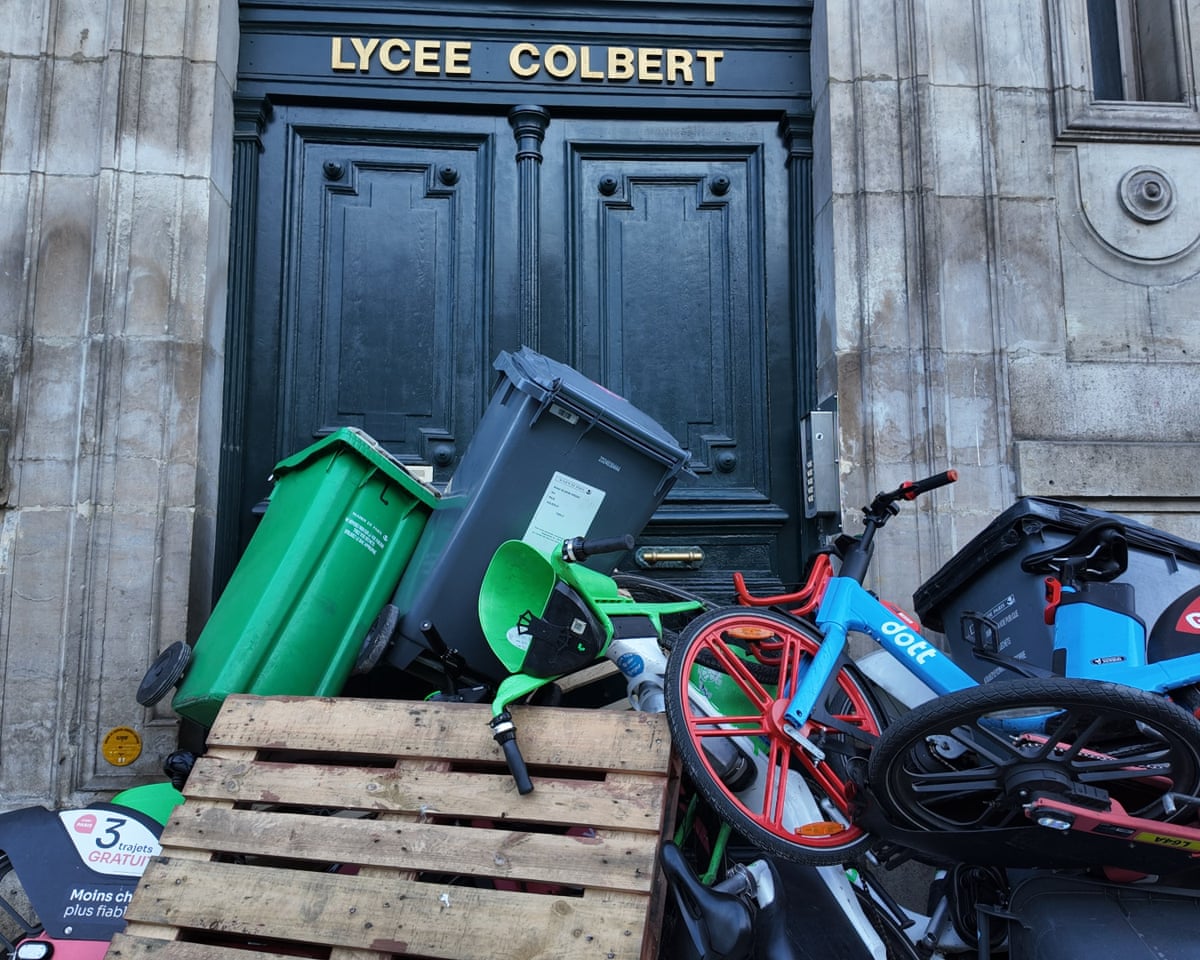
Demonstrations across France escalated dramatically on Tuesday when more than 400 people, predominantly teenagers, were detained after blockading schools to protest overcrowded classrooms, teacher shortages and exhausting timetables. The unrest, which began in the Paris region on Friday, has now spread to cities nationwide, with police deploying teargas and riot units to disperse protesters who set fires and hurled projectiles. At least 10 teachers and several students were injured alongside 48 law enforcement officials.
Interior Minister Laurent Nunez disclosed that 440 individuals were detained across the country, with approximately two-thirds placed in police custody. The education ministry confirmed that 400 schools experienced disruptions or blockades on Tuesday alone, representing a significant portion of France's approximately 3,700 secondary institutions. According to reports from the region, 40 schools were fully blockaded and another 44 faced attempted blockades, with 40 arrests and 10 people wounded recorded that day.
The previous day had already seen substantial unrest, with 164 arrests reported on Monday and 180 schools affected by disruptions, according to Interior Minister Nunez.
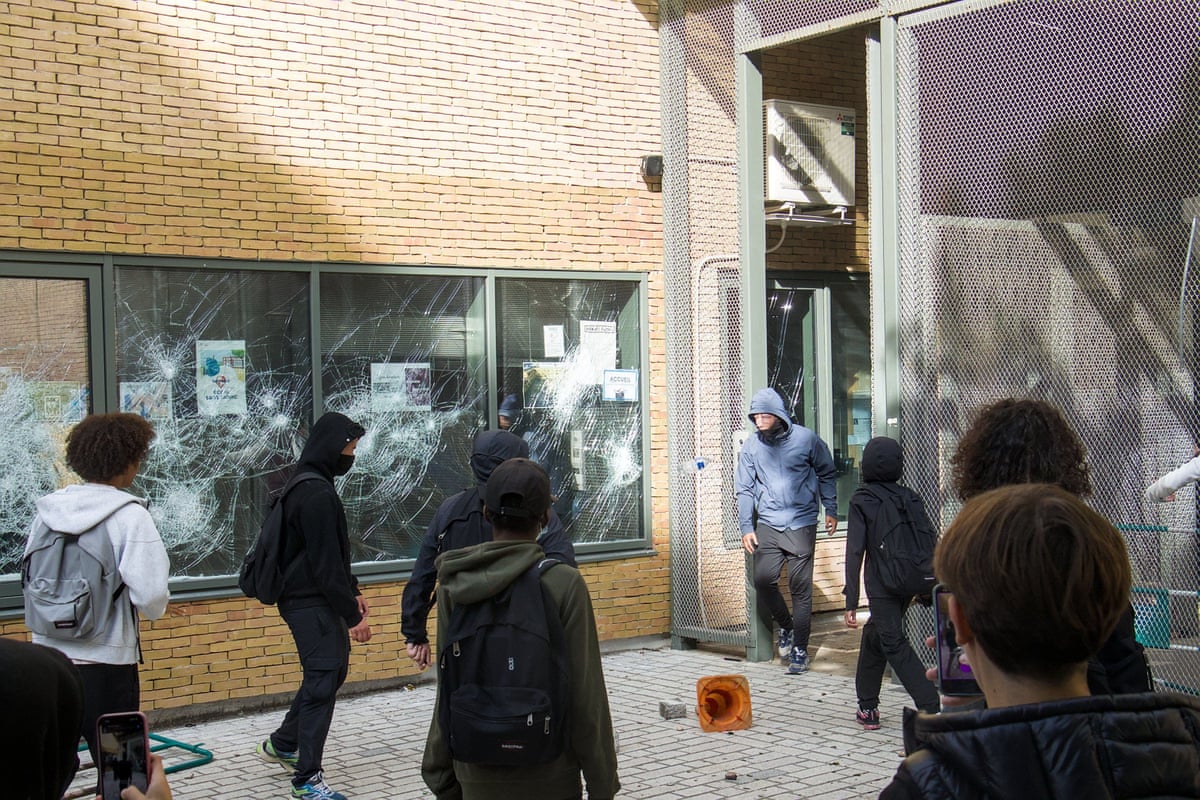
Where did the most serious violence occur?
The most intense confrontations took place in Lille, northern France, where high school pupils set fire to rubbish bins and threw bottles, paving stones and other projectiles at police officers. Officers responded with teargas after demonstrators vandalised bus shelters and advertising hoardings. Clashes also erupted between students and police in Bordeaux, Rennes and Nantes in western France, and in Marseille in the south.
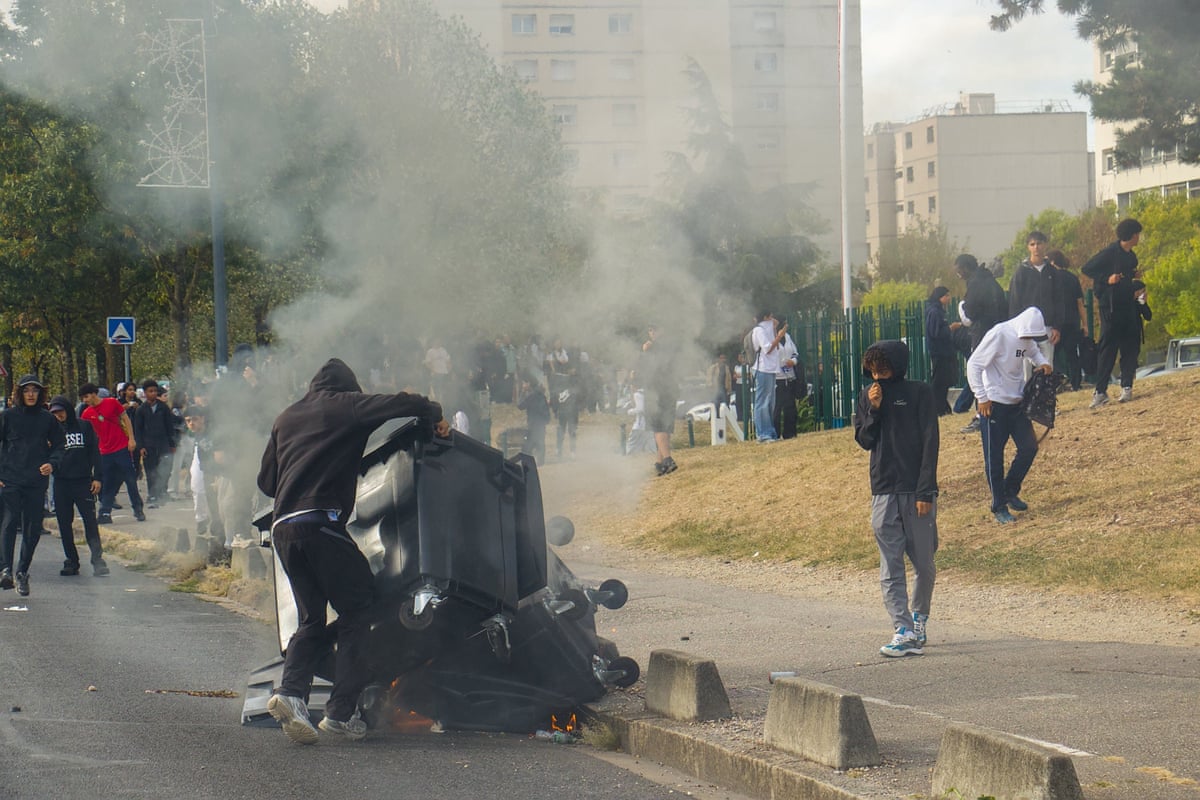
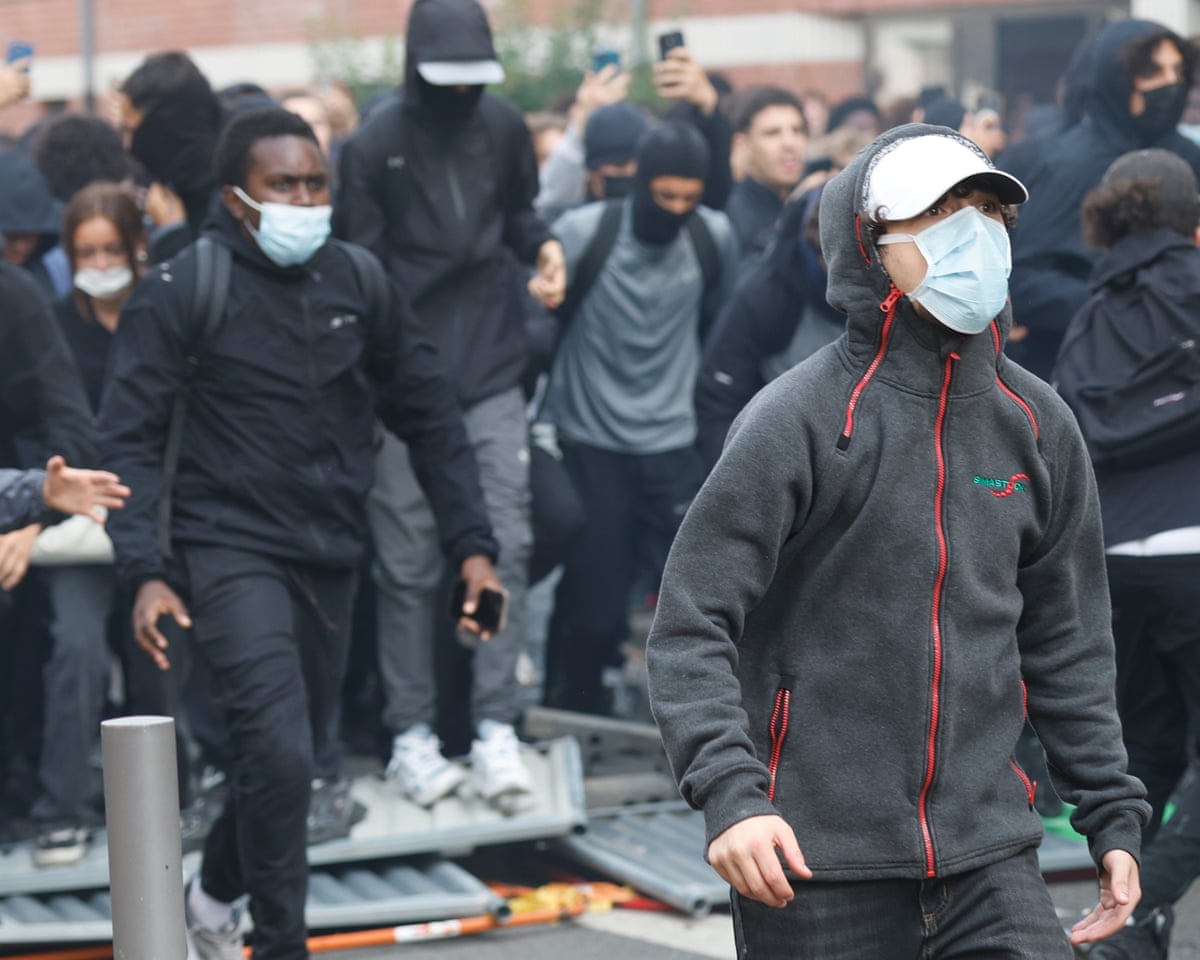
Nunez condemned the tactics employed by some protesters, stating that there is no justification for demonstrators to arrive at schools masked and disguised, carrying projectiles and waiting for police intervention. He highlighted that Tuesday's violence included seven instances of hydrochloric acid being thrown at officers. When pressed on the police response to the protests, which has been criticised by several French politicians, Nunez said it had been "carried out in an extremely proportionate manner". Across all the clashes, a total of 48 police officers sustained injuries.
What are students demanding?
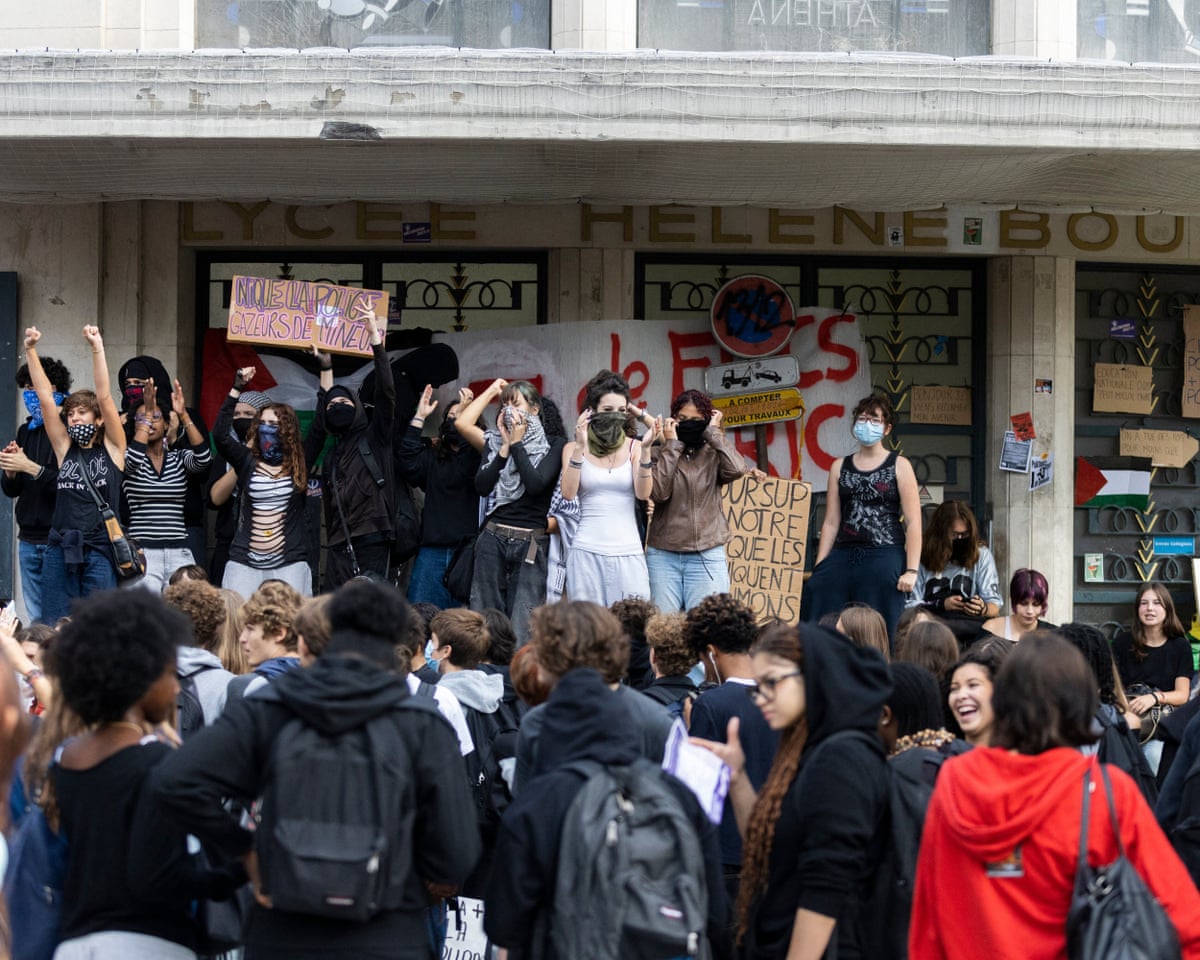
Students are demanding action on a range of educational grievances that have accumulated over months. At the Lamartine lycée in northern Paris, pupils displayed placards protesting their exhausting schedules, with one reading: "8am-6pm. More hours of lessons than sleep." One 16-year-old female student told a news agency: "We're not here to smash everything up for no reason. We're here precisely to say that the education system is completely broken. There are 34 of us in each class, and it's just not feasible. The teachers are overworked."
Ryad Rani, president of the Union Syndicale Lycéene (the high school students' union), articulated the core complaints: a general lack of resources, overcrowded classrooms sometimes containing 32 to 35 students, and widespread shortages of teachers and support staff. Beyond these longstanding issues, students have also cited complaints about overheated classrooms during recent heatwaves, adding another layer to their grievances about inadequate school conditions. The protests also reflect broader concerns about insufficient funding and deteriorating school buildings, issues that emerged when demonstrations began in the greater Paris area on Friday.
How have political leaders responded?
Prime Minister Sébastien Lecornu warned that escalating the demonstrations would be irresponsible, posting on social media:
Fireworks, fires, violence near high schools: nothing justifies endangering students staff or police.He called for calm and urged elected officials to prioritise the protection of young people.
Education Minister Édouard Geffray said students have the right to protest, but condemned reports of violence as "indefensible". Writing on social media on Tuesday evening, Geffray stated:
The right to demonstrate is a fundamental freedom that cannot serve as an excuse for such actions. To legitimise them or, in this context, to call for extending the blockades is to endanger our students as well as public employees. It is irresponsible.
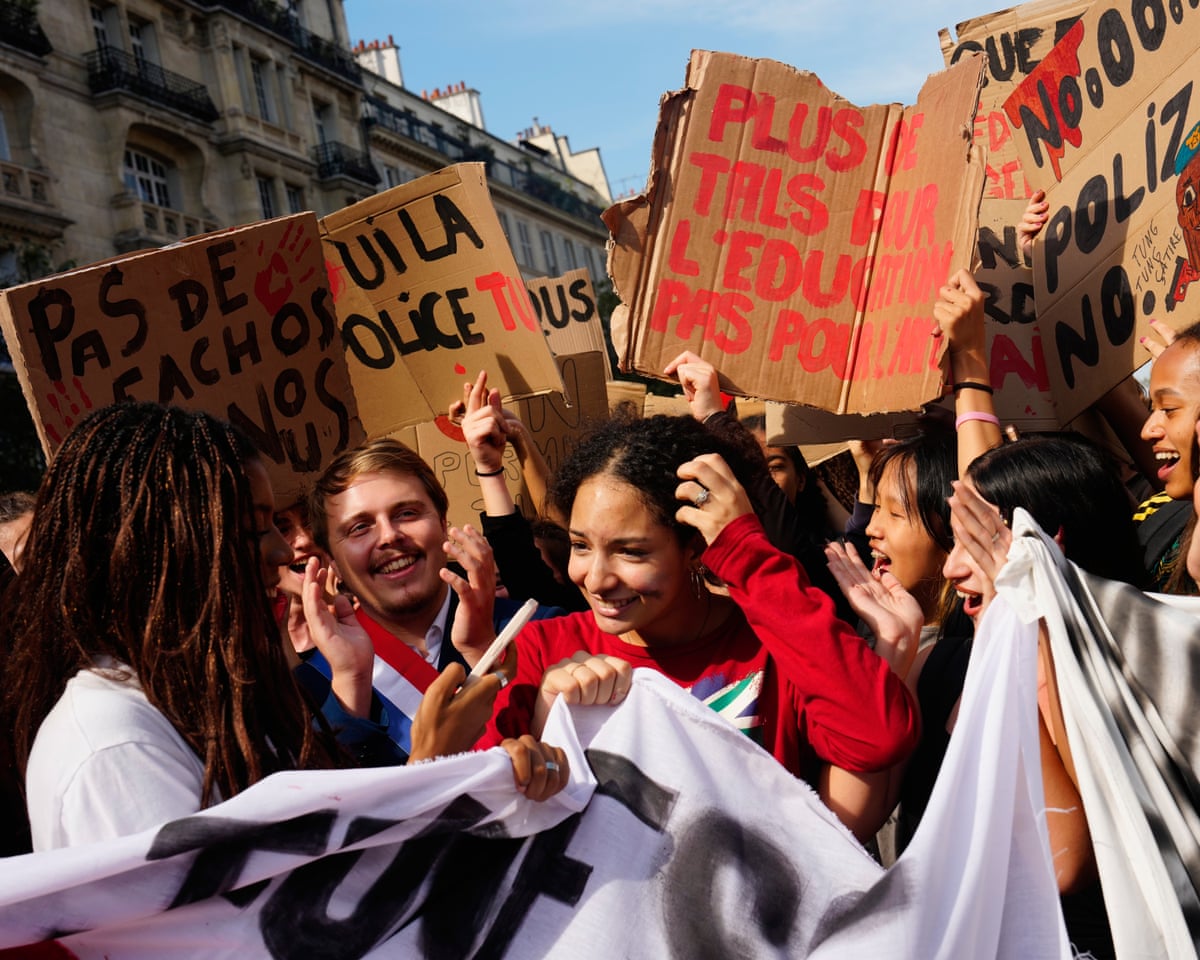
Jean-Luc Mélenchon, leader of the hard-left France Unbowed party, took a sharply different stance. He posted that high school students protesting are harmless and accused the Lecornu government of ordering a crackdown, describing the police response as brutal with what he characterised as a racist undertone. Mélenchon called on elected officials and party activists to intervene wherever possible.
Lecornu responded directly to Mélenchon's intervention, labelling it an irresponsible escalation and stating:
The duty of an elected official of the republic is to protect young people and call for calm. Exploiting their anger for partisan purposes is wrong.He also dismissed Mélenchon's racism accusation as an insult.
Ryad Rani, the student union leader, accused the French government of "repression" and police of using excessive force. He had called for a total blockade of France's high schools as a parallel action to the broader strike movement but urged protesters to remain peaceful. However, he criticised a circular issued by the interior and education ministries to police, instructing them to maintain public order outside high schools with proportionate force, calling it an "absolute scandal." He expressed outrage that teenagers aged 15 to 18 were being met with anti-criminal brigades and riot police rather than having their demands for fairer conditions addressed.
Rani also highlighted that some teachers and school staff had positioned themselves in front of students to shield them from police action, describing these moments as exemplary of the solidarity between educators and pupils.
What role have unions played?
The student blockades have coincided with broader industrial action by public-sector workers protesting the government's budget plans, which include €54 million in public spending cuts. An estimated 40 per cent of primary school teachers stopped work on Tuesday as part of union-organised strikes. Caroline Chevé, secretary general of the Fédération Syndicale Unitaire (the main teachers' union), joined protesters at a march in central Paris on Tuesday and expressed solidarity with students' frustrations, noting that educators face the same challenges: overcrowded classrooms and staffing shortages.
According to Interior Minister Nunez, the broader public-sector protests on Tuesday, with at least 200,000 participants reported, mostly went without incident.
What is the broader political context?
The student protests and union strikes are unfolding amid significant political pressure over the government's austerity agenda. According to Reuters, public-sector workers held nationwide demonstrations against planned budget cuts on 29 September, and the timing of these actions reflects growing discontent with spending reductions affecting education and public services. The demonstrations are occurring against a backdrop of a presidential election scheduled for the following year, adding electoral significance to the government's handling of the crisis. According to Reuters, a placard reading "Macron explosion" was displayed outside Paris's Arago school during the protests.
What happens next?
Unions have planned further nationwide demonstrations and strikes for 29 September, with tens of thousands expected to rally in Paris and other cities. The scale of these planned actions suggests the conflict between the government and its critics over budget policy will intensify in the coming days. Student organisations have indicated they intend to maintain pressure on the government to address their educational grievances, while the government has signalled its commitment to maintaining public order during demonstrations.
Key Facts
- More than 440 people were detained on Tuesday, with approximately two-thirds placed in police custody; 40 schools were fully blockaded and 44 faced attempted blockades
- Students are protesting overcrowded classrooms (sometimes with 32-35 pupils), teacher shortages, exhausting timetables, overheated buildings, and insufficient school funding
- Police deployed teargas and riot units; 48 officers were injured, including seven instances of hydrochloric acid being thrown at officers; at least 10 teachers and several students were also injured
- The protests coincide with public-sector strikes over €54 million in planned spending cuts, with an estimated 40 per cent of primary school teachers absent on Tuesday and at least 200,000 public-sector workers participating nationwide
- Further nationwide demonstrations and strikes are planned for 29 September as tensions over the government's budget plans continue to escalate