Australia's highest court will hear two days of arguments beginning on Tuesday challenging the nation's landmark social media restrictions for children under 16. The case represents a significant test of the world-leading policy, with a digital rights organisation contending that the prohibition violates children's constitutional right to free communication, while platform Reddit has mounted a separate challenge to be heard jointly.
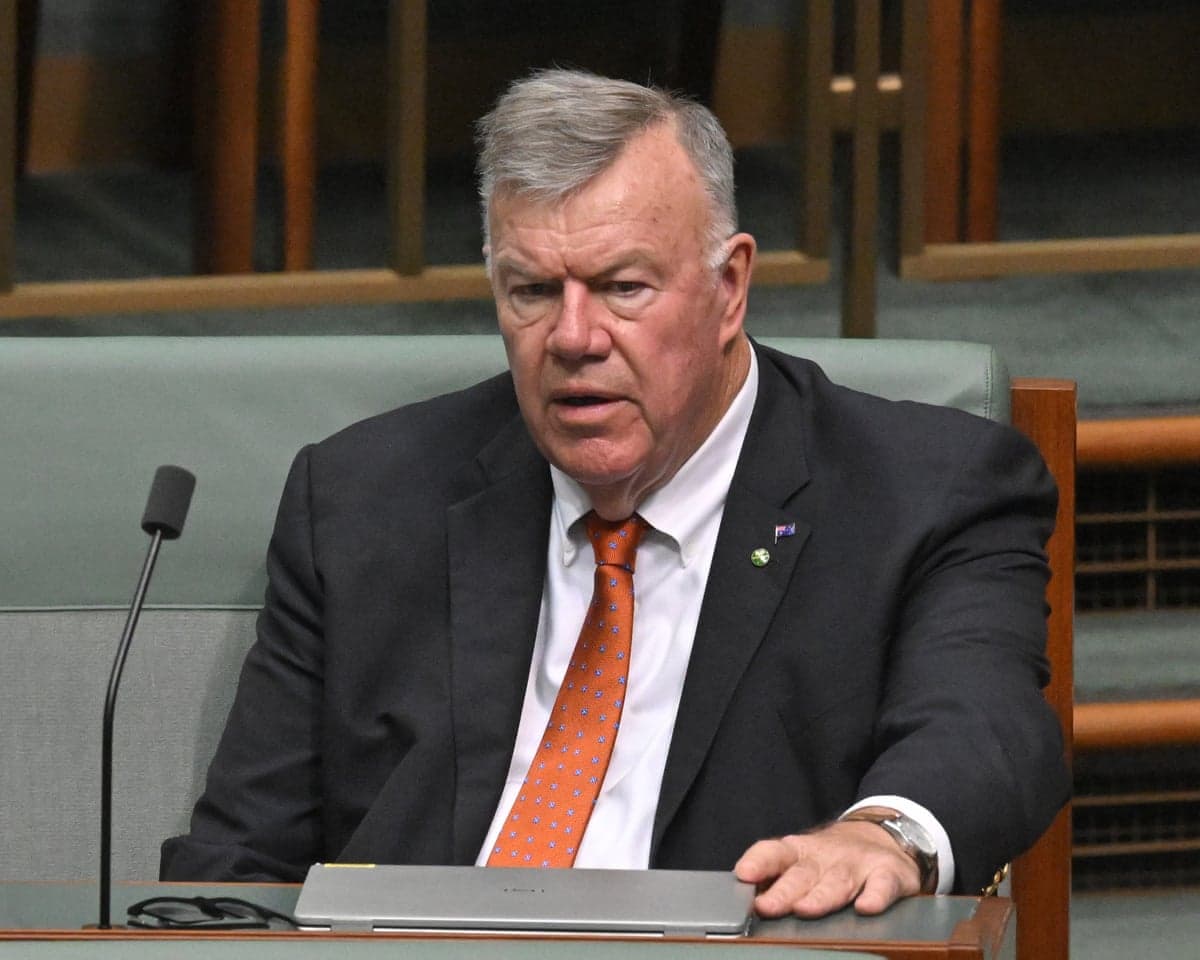
According to BBC News, the ban took effect on 10 December last year as part of the Australian government's broader push to strengthen online safety regulations. The Digital Freedom Project, led by New South Wales parliamentarian John Ruddick, filed the constitutional challenge weeks before the restrictions commenced.
The hearings scheduled for 3 and 4 November 2026 in Canberra will examine two central legal questions: whether the law impermissibly burdens the implied freedom of political communication, and whether the Digital Freedom Project has standing to bring the challenge.
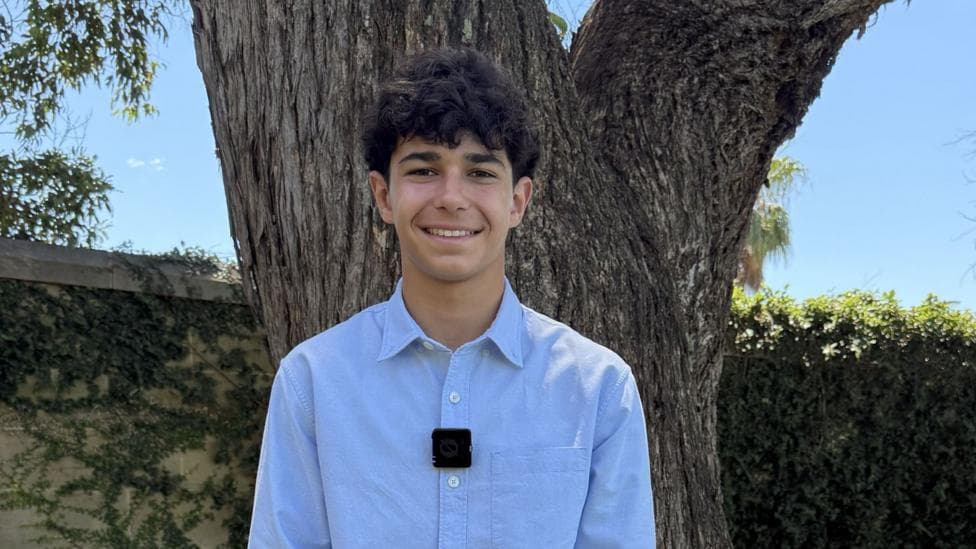
Noah Jones and Macy Neyland, the two teenagers who initially drove the legal action, have since withdrawn as plaintiffs, though Jones is anticipated to be present at Tuesday's proceedings. In remarks made to the BBC before the ban's introduction, Jones acknowledged the existence of harmful online material but rejected a blanket prohibition as the appropriate response.
"We shouldn't be using the resources and money of these social media platforms to try to avoid fines from our government," he stated. "They should be using this money and resources to try to get rid of the predators and harmful content out there."
What arguments are being presented against the ban?
The Digital Freedom Project argues that restricting under-16s from social media infringes their constitutional right to free expression and communication. Reddit, which operates one of the ten platforms subject to the restrictions, contends that the policy carries serious ramifications for privacy and political rights. The company has maintained that while it shares Australia's commitment to protecting young people online, alternative and more targeted approaches would prove more effective than an outright ban.
"As we challenge this law in court, we'll continue to comply with it and advocate for more effective youth safety measures,"stated Reddit's chief communications officer Adam Collins.
Critics of the ban argue it represents too crude an instrument, suggesting that efforts should instead concentrate on enhancing online safety mechanisms rather than imposing categorical restrictions. However, South Australia has formally intervened in the case to defend the law, with Premier Peter Malinauskas stating the state would defend the protections for children.
How is the government defending the policy?
The Australian government has signalled its determination to uphold the restrictions. Communications Minister Anika Wells stated last November that the government would not be swayed by legal challenges from technology companies.
"We will not be intimidated by big tech. On behalf of Australian parents, we will stand firm,"she declared.
Supporters of the ban maintain that it shields children from damaging online material and represents a necessary safeguard for young people's wellbeing. The government has positioned the restrictions as part of its comprehensive approach to digital safety, complemented by other regulatory measures.
Which platforms are affected by the restrictions?
Ten major platforms fall under the ban: Facebook, Instagram, TikTok, YouTube, Reddit, Snapchat, X, Kick, Threads and Twitch. Each must implement "reasonable steps" to prevent access by anyone under 16 years old. Platforms that fail to comply face potential civil penalties of up to A$109.2 million for serious or repeated breaches. Since the ban commenced, no company has received a fine, though the eSafety Commissioner has initiated investigations into alleged non-compliance by Facebook, Instagram, Snapchat, TikTok and YouTube.
Notably, WhatsApp and online gaming platforms such as Roblox and Discord were excluded from the ban, as were educational services including YouTube Kids and Google Classroom. In the initial days following the ban's implementation, Meta, which operates three of the restricted platforms, reported closing approximately half a million accounts.
How effectively is the ban being enforced?
Despite the restrictions, enforcement challenges have emerged. Many young people reported being removed from their accounts in the days surrounding the ban's commencement, yet numerous users have indicated they were able to circumvent the age verification mechanisms, which required uploading credit card details, photo identification or a selfie. Research suggests that as many as 80 per cent of under-16s have continued accessing social media following the restrictions' introduction, raising questions about the policy's practical effectiveness.
The eSafety Commissioner, tasked with enforcing the ban, has launched multiple investigations into alleged breaches but has not yet issued penalties. This enforcement gap has prompted concerns about whether platforms are genuinely complying with their obligations to prevent underage access.
What is the broader context for this policy?
Australia's social media ban forms part of a wider regulatory shift concerning technology and youth safety. The government is also developing a separate digital duty-of-care bill that would require platforms to proactively secure their systems rather than relying on users to report harms. This complementary approach reflects the government's intention to address online safety through multiple regulatory channels.
The Australian case has attracted international attention, with other nations considering similar measures. The United Kingdom has signalled interest in comparable restrictions, and countries worldwide are increasingly imposing social media bans for children amid growing concerns over mental health and addiction, signalling a global reckoning with technology regulation and its impact on youth.
What happens next?
The High Court's Full Court will hear arguments on 3 and 4 November 2026 in Canberra. The outcome of this case will have significant implications not only for Australia's regulatory framework but potentially for other nations considering similar legislation. The court's decision on whether the ban violates constitutional protections will establish important precedent for balancing child protection against freedom of expression in the digital age.